 English EN


Bovine gelatin pros and cons everyone should know
Bovine gelatin offers strong gelling and health benefits but has dietary, ethical, and allergen concerns. Compare bovine gelatin to other gelatin options here.
More
Sourcing gelatin powder often raises questions about batch consistency, odor, solubility, and certification barriers. This guide explains what gelatin powder is made of, how it is produced, and how to select the right grade for your application. Whether you are a food-ingredient purchasing manager, a nutraceutical R&D professional, or a pharmaceutical excipient buyer, understanding the raw materials and processing steps is critical for product quality and regulatory compliance.
Gelatin powder is a natural protein derived from collagen, which is found in animal connective tissues such as skin, bones, and hides. The primary sources are bovine (cattle), porcine (pig), and fish. Each source yields gelatin with distinct properties in terms of bloom strength, viscosity, and gelling behavior. For example, bovine hide gelatin often provides high bloom values ideal for confectionery, while fish gelatin is preferred for kosher and halal applications. Porcine gelatin is widely used in gummies and softgels due to its balanced gel strength. Beyond Biopharma offers edible gelatin from bovine, porcine, and fish sources, ensuring flexibility for diverse formulations.
The production of gelatin powder involves several controlled steps: raw material cleaning, acid or alkaline pretreatment (to break collagen crosslinks), hot water extraction, filtration, concentration, drying, and milling. The extraction temperature and pH are carefully monitored to achieve target bloom and viscosity. Enzymatic hydrolysis is not used for standard gelatin; instead, thermal hydrolysis converts collagen into gelatin. For collagen peptides, enzymatic hydrolysis is applied to reduce molecular weight. Beyond Biopharma operates a fully automatic production line with GMP clean workshops and stainless-steel sealed piping, ensuring consistent quality and traceability.
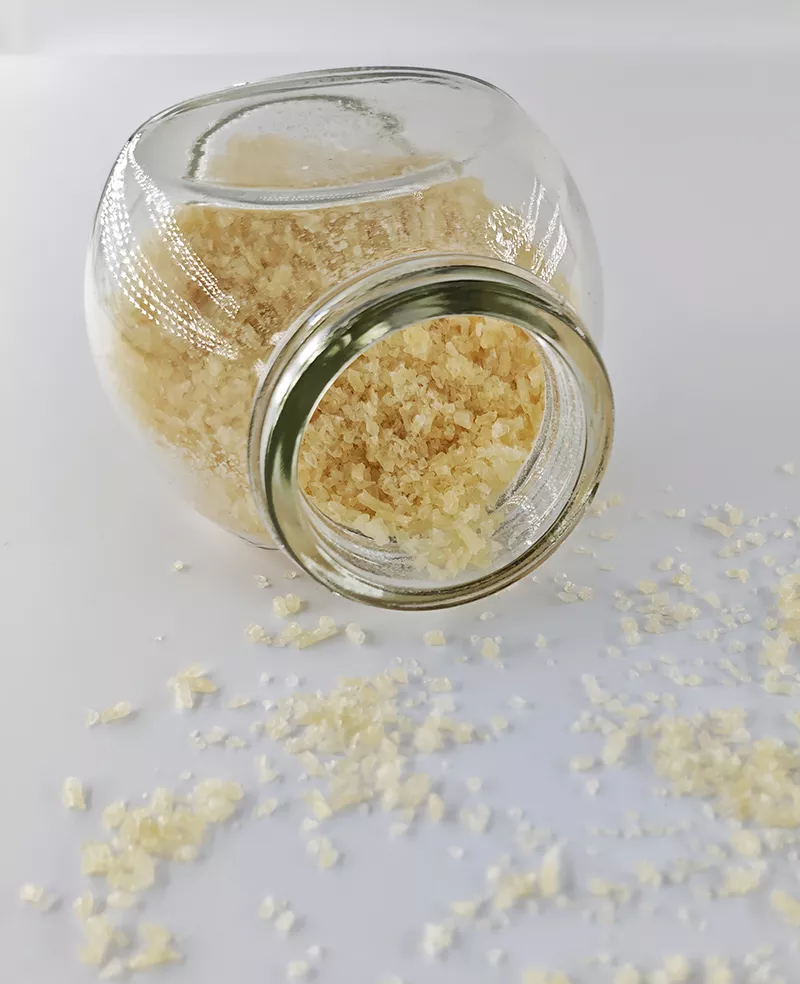
Gelatin powder is characterized by several key parameters. Below is a table of typical industry ranges. Note that these are generic ranges; final values should be confirmed per Certificate of Analysis (COA) or sample.
| Parameter | Typical Industry Range | Notes |
|---|---|---|
| Bloom (g) | 50–300 | Pharma/gummies often 150–260 Bloom |
| Viscosity (mPa·s) | 2.0–5.5 | Higher for softgel applications |
| Mesh size | 8–60 | Affects dissolution rate |
| Moisture (%) | ≤14 | Standard for shelf stability |
| Protein (%) | ≥90 | For collagen peptides |
Typical industry range; final values per COA / sample.
Selecting the correct gelatin grade depends on your end product. For gummies and jellies, high-bloom bovine or porcine gelatin (150–260 Bloom) provides firm texture and good melt-in-mouth feel. For hard capsules, pharmaceutical-grade gelatin with consistent viscosity and low impurities is required. Beyond Biopharma supplies pharmaceutical gelatin specifically formulated for hard capsules. For softgels, ultra-high-viscosity gelatin ensures shell strength and stability. In sports nutrition and beauty-from-within products, collagen peptides (molecular weight 2,000–5,000 Da) are preferred for rapid absorption. Plant-based formulations may use plant protein peptides as alternatives.
Beyond Biopharma is a Shanghai-based manufacturer with over 10 years of experience in the food-ingredient industry. Our products are exported to more than 50 countries. We operate a fully automatic production line with GMP clean workshops, stainless-steel sealed piping, and automated temperature/pH control. Our annual capacity is approximately 3,000 MT for collagen and 5,000 MT for gelatin. We hold ISO 9001 certification, US FDA registration, and select products carry Halal or Kosher certification (e.g., fish gelatin). Our bovine bone gelatin is BSE-free. We maintain an in-house lab for heavy-metal and microbiological testing, supported by a dedicated QA/QC team. We offer three grades: food, pharmaceutical, and cosmetic. Free samples and formulation support are available.
Q: Is gelatin powder suitable for vegan or plant-based products?
A: No, traditional gelatin is animal-derived. For vegan formulations, Beyond Biopharma offers plant protein peptides from pea, rice, or soy, which are allergen-free and suitable for plant-based applications.
Q: What is the difference between gelatin and collagen peptides?
A: Gelatin is partially hydrolyzed collagen that forms a gel when cooled. Collagen peptides are further hydrolyzed into smaller peptides (MW 2,000–5,000 Da) that dissolve completely in cold water and are absorbed faster. Both are derived from the same raw materials.
Q: How do I ensure batch-to-batch consistency in gelatin powder?
A: Work with a manufacturer that uses automated production controls and rigorous QA testing. Beyond Biopharma’s in-house lab tests each batch for bloom, viscosity, microbiological limits, and heavy metals. Request a COA and sample before bulk order.
Q: Can gelatin powder be used in pharmaceutical tablet coatings?
A: Yes, pharmaceutical-grade gelatin is commonly used as a binder and coating agent. Beyond Biopharma offers pharmaceutical gelatin designed for tablet coating with consistent viscosity and low impurity levels.
Q: What certifications are available for gelatin powder?
A: Common certifications include ISO 9001, US FDA registration, Halal, and Kosher. Beyond Biopharma’s fish gelatin is Halal and Kosher certified. Bovine bone gelatin is BSE-free. Always verify with the supplier for your target market.
Q: What is the shelf life of gelatin powder?
A: Typically 2–3 years when stored in a cool, dry place below 25°C and away from moisture. Proper packaging (sealed bags or drums) prevents clumping and microbial growth.
To find the right gelatin powder for your application, please provide the following details: intended application (food, pharmaceutical, or cosmetic), required grade (food/pharma/cosmetic), target specs (bloom, mesh, viscosity, molecular weight, certifications), estimated quantity or MOQ, and destination country. Beyond Biopharma will send free samples and a tailored quotation. Contact us today to start your sourcing process.

We provide you with comprehensive foreign trade solutions to help enterprises achieve global development
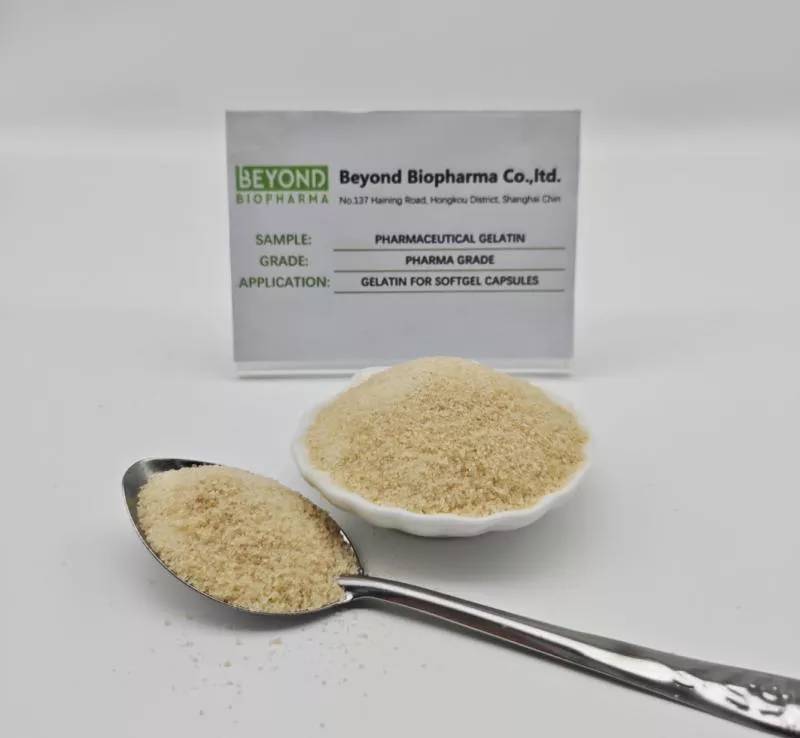
Softgel encapsulation demands a gelatin with unique physical attributes to perform optimally during the high-speed manufacturing process
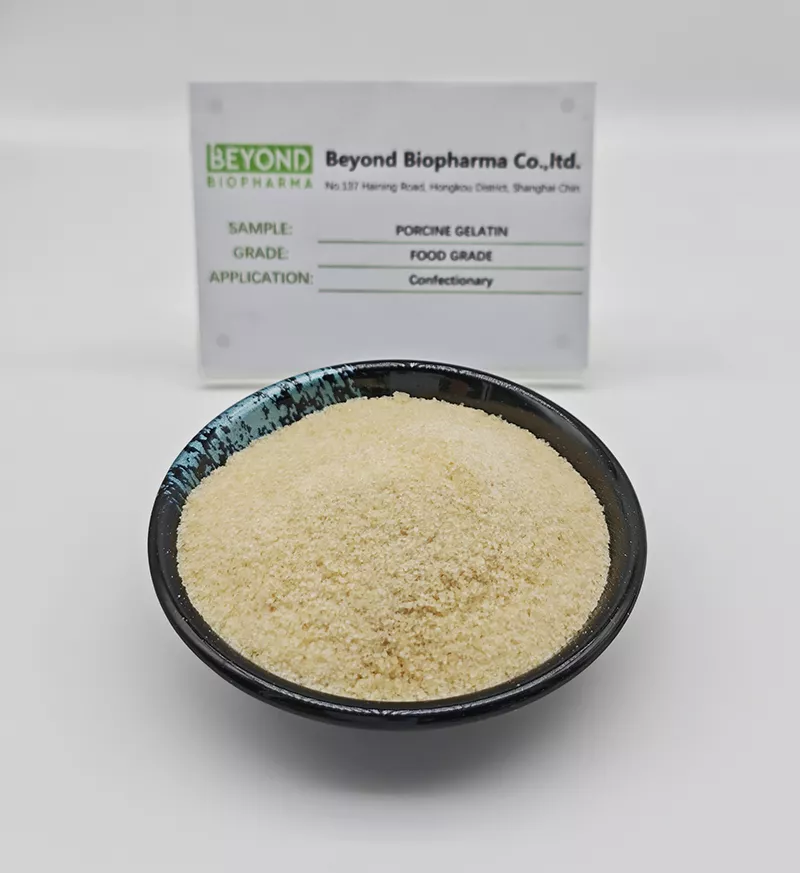
Food-grade porcine gelatin is a highly versatile and cost-effective natural protein derived from the collagen found in pig skin and bones. It is a premier gelling agent known for its exceptional clarity, neutral taste, and thermal reversibility.
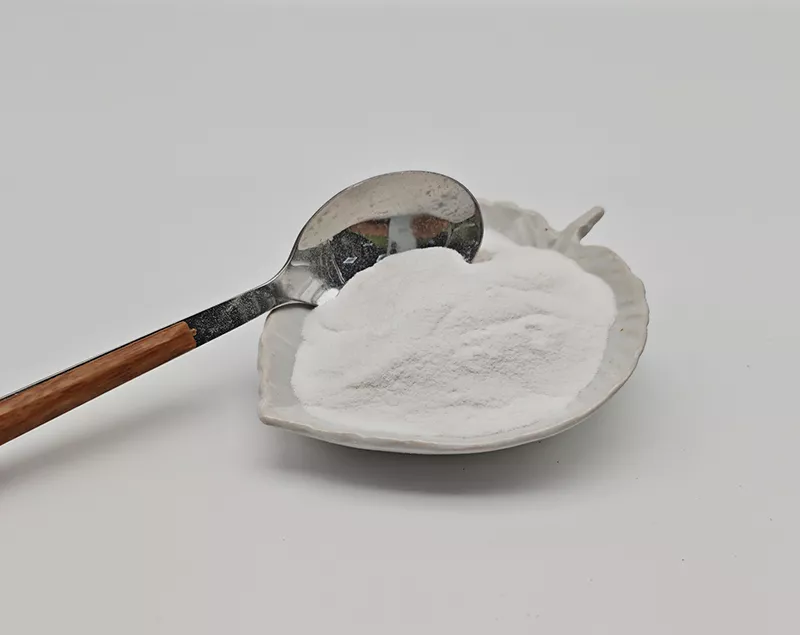
Fish Gelatin for foods is increasingly recognized as the premium alternative to traditional mammalian sources, meeting the growing global demand for clean-label ingredients that align with diverse dietary and religious requirements. Derived from the skin and scales of fish like cod and tilapia, fish gelatin offers unique functional benefits that make it an exceptional gelling, stabilizing, and texturizing agent.
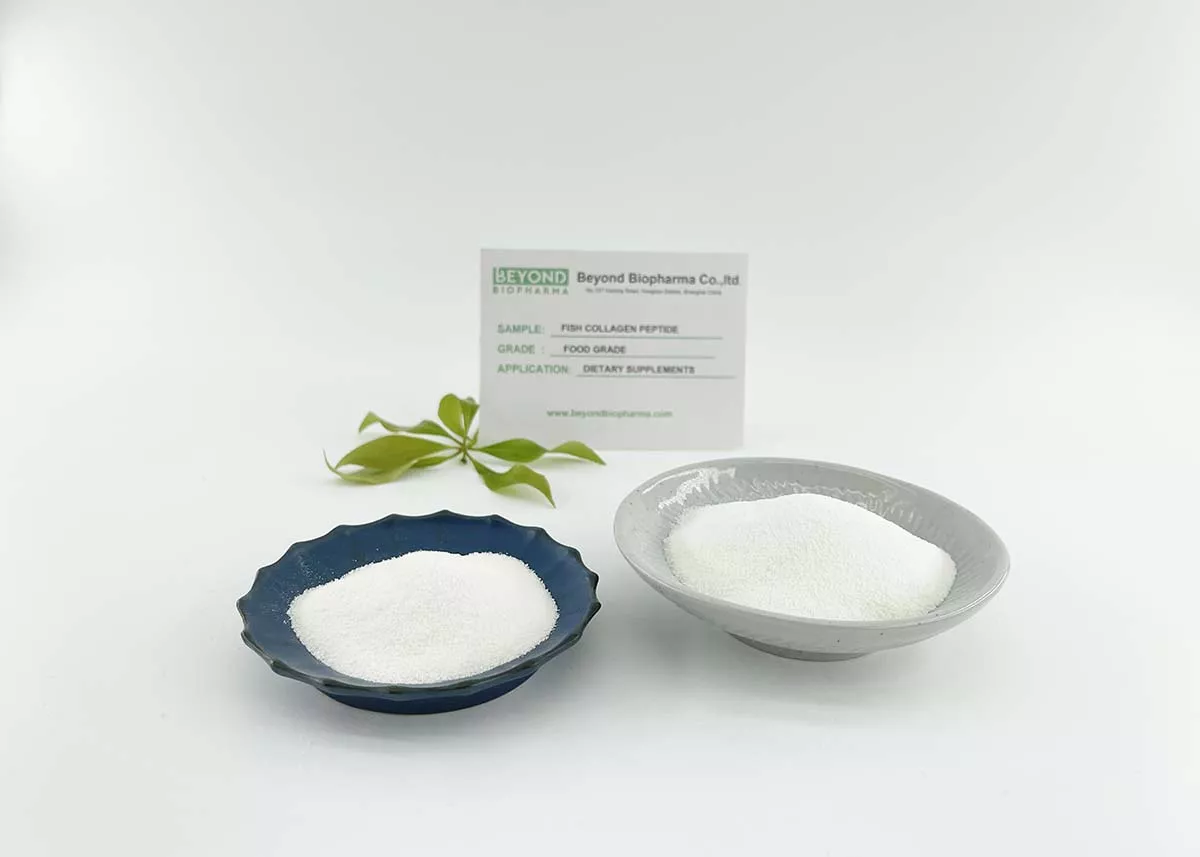
Premium marine-sourced collagen peptides with >90% protein content and low molecular weight (1000-3000 Da) for superior bioavailability. Sustainably sourced, neutral taste, and fully soluble—ideal for nutricosmetics and functional foods.
Select the most popular foreign trade service products to meet your diverse needs
Softgel encapsulation demands a gelatin with unique physical attributes to perform optimally during the high-speed manufacturing process
Premium marine-sourced collagen peptides with >90% protein content and low molecular weight (1000-3000 Da) for superior bioavailability. Sustainably sourced, neutral taste, and fully soluble—ideal for nutricosmetics and functional foods.
Food-grade porcine gelatin is a highly versatile and cost-effective natural protein derived from the collagen found in pig skin and bones. It is a premier gelling agent known for its exceptional clarity, neutral taste, and thermal reversibility.
Tel:+86 21 65010906
Cell/Whatsapp/Wechat:
+86 13482884055
+86 18657345785
Email: sales@beyondbiopharma.com





User Comments
Service Experience Sharing from Real Customers
Mackenzie
Pastry ChefAs someone who's been baking professionally for 8 years, I'm picky about my ingredients. This gelatin powder is a game-changer for my panna cottas and marshmallows. It sets perfectly every time, no weird aftertaste. My customers have noticed the difference in texture!
Jackson
Home BrewerNever thought I'd be reviewing gelatin, but here we are. Used it for fining my homemade beer – cleared up the haze beautifully. A bit clumpy when mixing, but once dissolved it worked like a charm. Will definitely keep a tub in my brewing supplies.
Jackie
Art StudentOkay this might sound weird but I use it for art projects! Mixed with pigments for these cool biodegradable sculptures. The consistency is super reliable compared to other brands I've tried. Plus knowing it's from natural sources fits my eco-art theme.
Jax
Fitness CoachMy clients kept asking for clean gummy recipes without weird additives. This powder solved that – we make protein gummies that actually hold shape. Knocking off one star because the packaging could be more resealable, but the product itself is solid.