 English EN


Gelatin sheet vs powder what science says in 2026
Gelatin sheet offers chefs better clarity, smooth texture, and consistent results than powdered gelatin, making it the top choice for desserts in 2026.
More
For overseas buyers in the food, nutraceutical, and pharmaceutical industries, understanding the difference between agar powder and gelatin is critical. Both are gelling agents, but they come from different sources, behave differently in formulations, and serve distinct market needs. Whether you are a purchasing manager evaluating suppliers or an R&D developer formulating a new product, this guide covers everything from production processes to spec tables and application guidance.
Agar powder is derived from red algae (seaweed), making it a plant-based, vegan-friendly gelling agent. It is produced by boiling seaweed, extracting the polysaccharides, and then drying and grinding them into a fine powder. Gelatin, on the other hand, is an animal-derived protein obtained by partial hydrolysis of collagen from bovine, porcine, or fish skins and bones. This fundamental difference in source defines their functional properties and suitability for various applications.
The production of gelatin involves enzymatic or acid/alkaline hydrolysis, followed by extraction, filtration, concentration, and drying. At Beyond Biopharma, we operate fully automatic production lines with GMP clean workshops, stainless-steel sealed piping, and automated temperature/pH control to ensure consistent quality. Our Edible Gelatin and Pharmaceutical Gelatin lines are produced under strict quality controls.
The working principle of agar is based on its ability to form a firm, brittle gel upon cooling, without the need for refrigeration. It sets at around 32–43°C and melts at 85°C, offering high thermal stability. Gelatin, in contrast, forms a thermo-reversible gel that melts at body temperature (around 35°C) and sets at lower temperatures. This makes gelatin ideal for applications like gummies and softgels where a melt-in-the-mouth texture is desired.
For collagen peptides, the process involves enzymatic hydrolysis to break down collagen into smaller peptides with a molecular weight typically ranging from 2,000 to 5,000 Da. Fish collagen peptides often have a lower molecular weight, leading to faster absorption. Our Bovine Collagen Peptide and fish collagen tripeptide are produced using advanced hydrolysis techniques to ensure high solubility and low odor.
The table below compares common specifications for agar powder and gelatin. Note that these are typical industry ranges; final values should be confirmed per Certificate of Analysis (COA) or sample.
| Parameter | Agar Powder | Gelatin |
|---|---|---|
| Source | Red algae (seaweed) | Bovine, porcine, fish collagen |
| Bloom strength (g) | N/A (gel strength measured differently) | 50–300 g (pharma/gummies: 150–260 Bloom) |
| Viscosity (mPa·s) | Varies by grade | 2.0–5.5 mPa·s |
| Mesh size | 80–200 mesh | 8–60 mesh |
| Moisture content | ≤18% | ≤14% |
| Setting temperature | 32–43°C | 10–15°C (varies by bloom) |
| Melting temperature | ~85°C | ~35°C (body temperature) |
| Vegan/Vegetarian | Yes | No (animal-derived) |
Choosing between agar powder and gelatin depends on your target application. Here is a breakdown by industry:
Beyond Biopharma is a Shanghai, China–based manufacturer with over 10 years of experience in the food-ingredient industry. We specialize in collagen peptides, gelatin, and plant protein peptides, exporting to more than 50 countries. Our facility has an annual capacity of approximately 3,000 MT for collagen and 5,000 MT for gelatin, supported by fully automatic production lines, GMP clean workshops, and stainless-steel sealed piping with automated temperature and pH control.
Quality is paramount. We are ISO 9001 certified, US FDA registered, and operate GMP clean workshops. Select products carry Halal or Kosher certification (e.g., fish gelatin), and our bovine bone gelatin is BSE-free. Our in-house lab conducts heavy-metal and microbiological testing, with a dedicated QA/QC team ensuring every batch meets your specifications. We offer three grades—food, pharmaceutical, and cosmetic—and provide free samples along with formulation and selection support.
1. Can I substitute agar powder for gelatin in any recipe?
Not directly. Agar creates a firmer, more brittle gel that does not melt at body temperature, while gelatin offers a softer, thermo-reversible texture. Substitution requires adjusting liquid ratios and processing temperatures. For vegan applications, agar is a good alternative, but the final texture will differ.
2. What is the difference between agar powder and gelatin in terms of bloom strength?
Bloom strength is a standard measure for gelatin, typically ranging from 50 to 300 g. Agar does not have a bloom value; its gel strength is measured by other methods like gel firmness. For gummies, a gelatin bloom of 150–260 is common, while agar is chosen for vegan or heat-stable applications.
3. Which is better for vegan or vegetarian products: agar or gelatin?
Agar is the clear choice for vegan and vegetarian products because it is plant-based. Gelatin is animal-derived and not suitable for these diets. Beyond Biopharma offers plant protein peptides as additional vegan-friendly options for protein and gelling needs.
4. How do I choose between fish gelatin and bovine gelatin?
Fish gelatin is often preferred for kosher and halal compliance, and it has a lower melting point, making it suitable for softgels and certain confectionery. Bovine gelatin offers higher bloom strengths and is widely used in hard capsules and gummies. Both are available from Beyond Biopharma with full certification support.
5. What certifications should I look for when sourcing gelatin or agar?
Key certifications include ISO 9001, FDA registration, Halal, Kosher, and BSE-free status for bovine products. For agar, organic and non-GMO certifications may be relevant. Beyond Biopharma provides these certifications for select products, ensuring compliance with international standards.
6. What is the typical molecular weight for collagen peptides?
Collagen peptides typically have a molecular weight between 2,000 and 5,000 Da. Fish collagen peptides often fall on the lower end, around 2,000–3,000 Da, which can enhance absorption. These are generic industry ranges; final values should be confirmed per COA or sample.
Understanding the difference between agar powder and gelatin is just the first step. To find the right ingredient for your application, please provide the following details: your target application (food, pharma, cosmetic), required grade, estimated quantity or MOQ, target specifications (bloom, mesh, molecular weight, certifications), and destination country. Beyond Biopharma will send free samples and a competitive quote tailored to your needs.

We provide you with comprehensive foreign trade solutions to help enterprises achieve global development
High Molecular Weight for Superior Joint, Skin, and Eye Health.
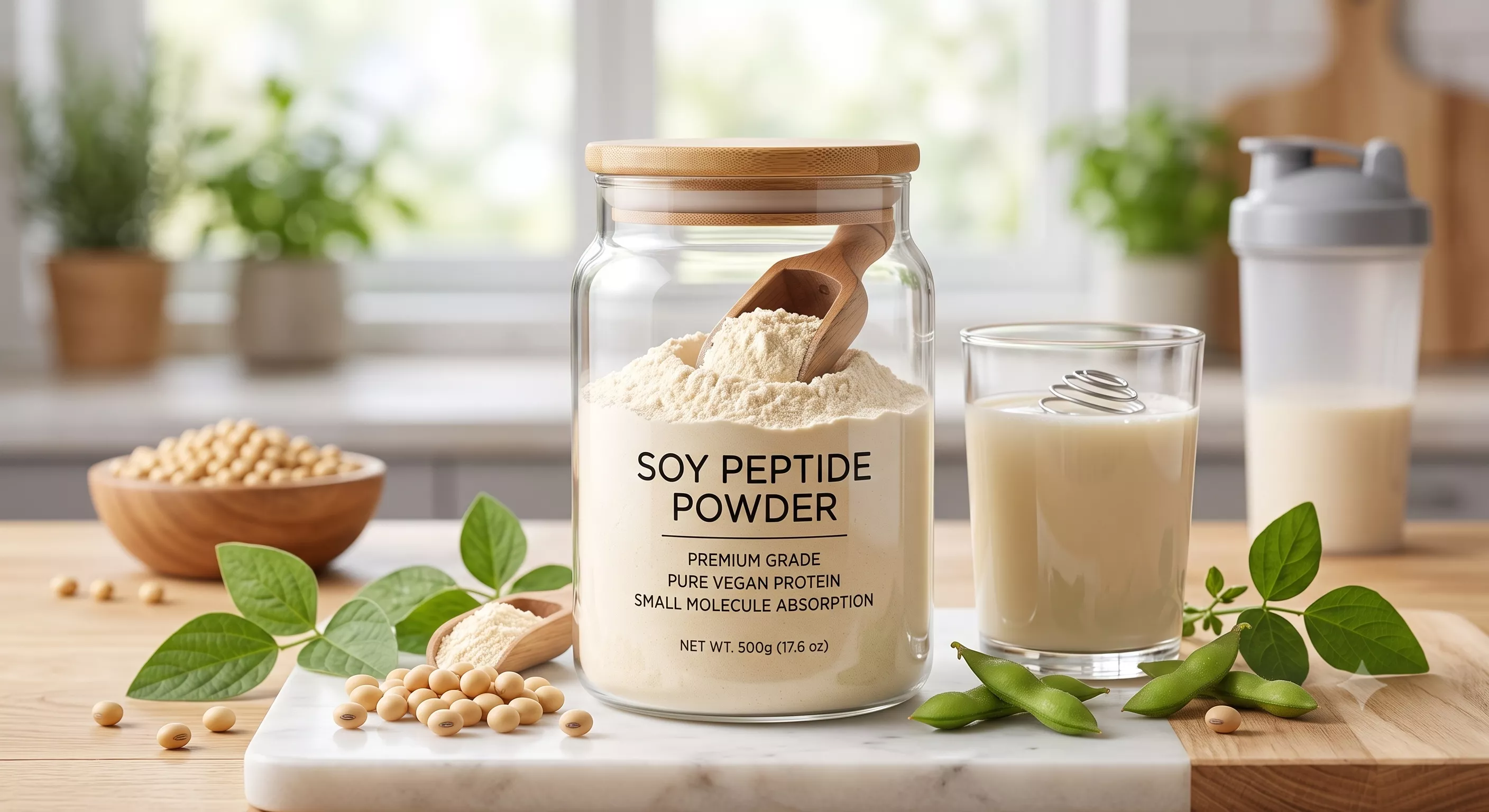
Source ultra-pure, non-GMO hydrolyzed soybean oligopeptide powder in bulk. Complete water solubility, over 80% peptides under 1000 Da. Ideal for sports nutrition and immune recovery formulas.
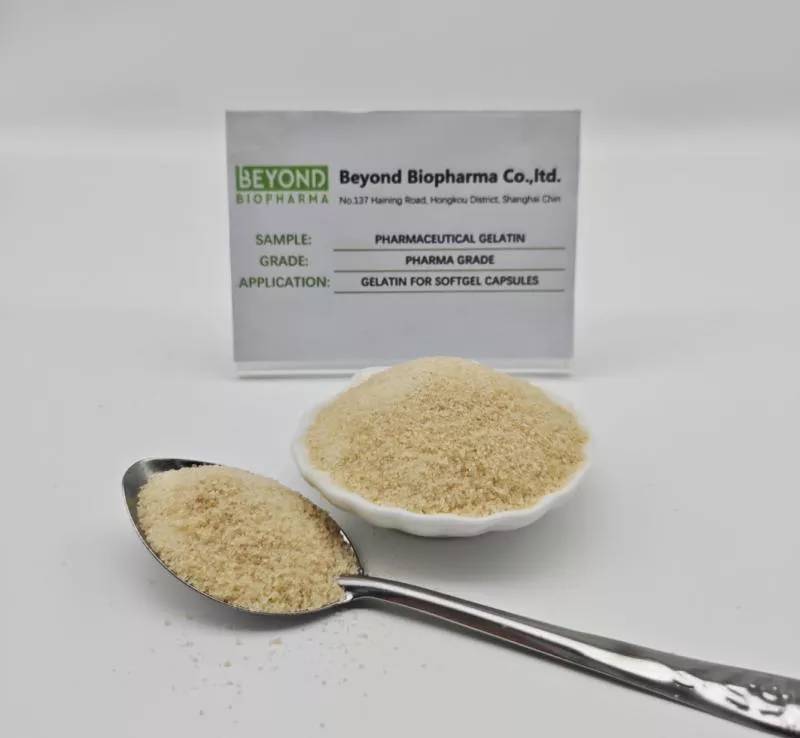
Softgel encapsulation demands a gelatin with unique physical attributes to perform optimally during the high-speed manufacturing process
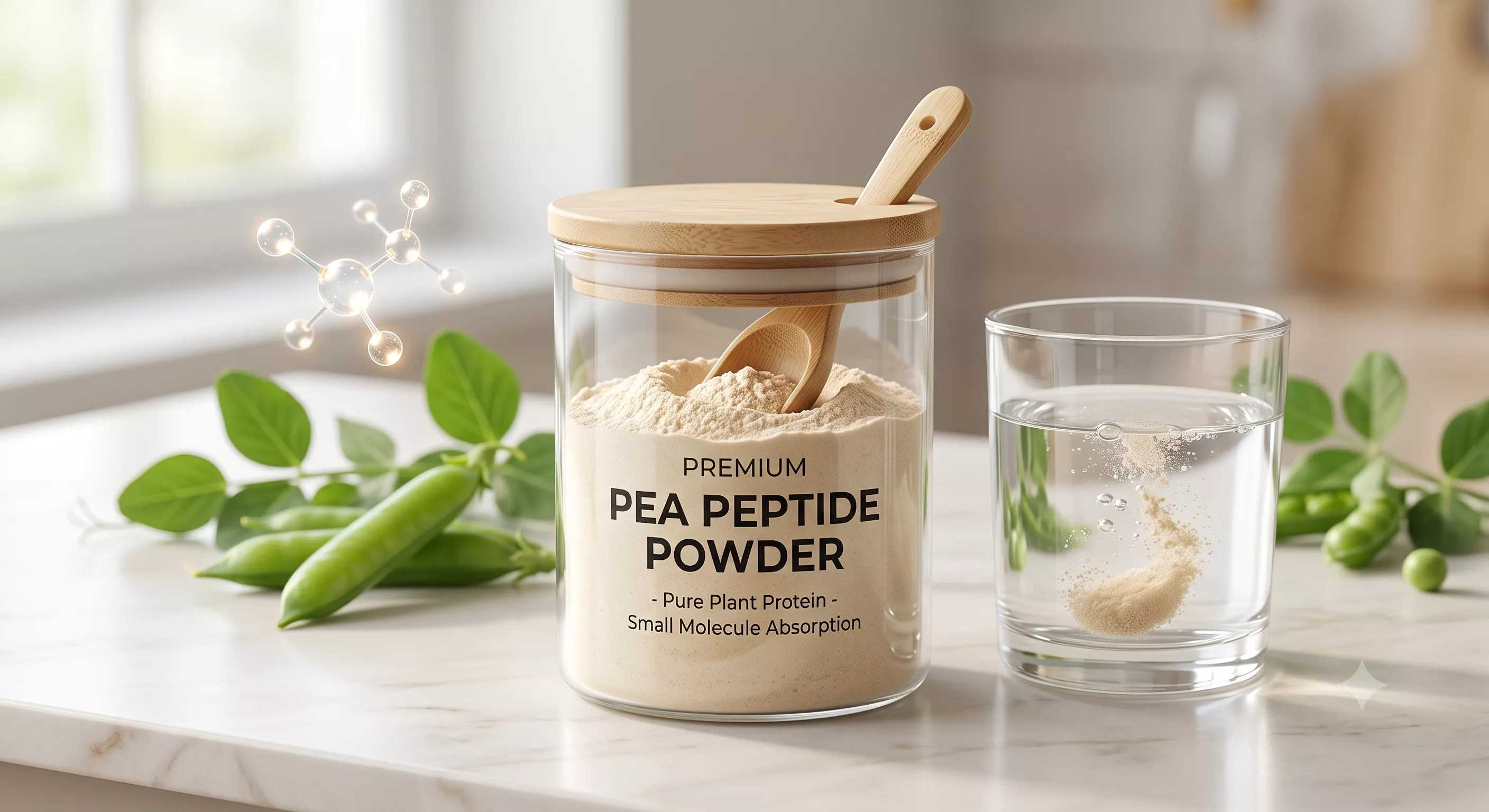
Source high-purity, hypoallergenic hydrolyzed pea peptide powder in bulk. Complete water solubility, rich in BCAAs, ideal for vegan recovery formulas.
Select the most popular foreign trade service products to meet your diverse needs
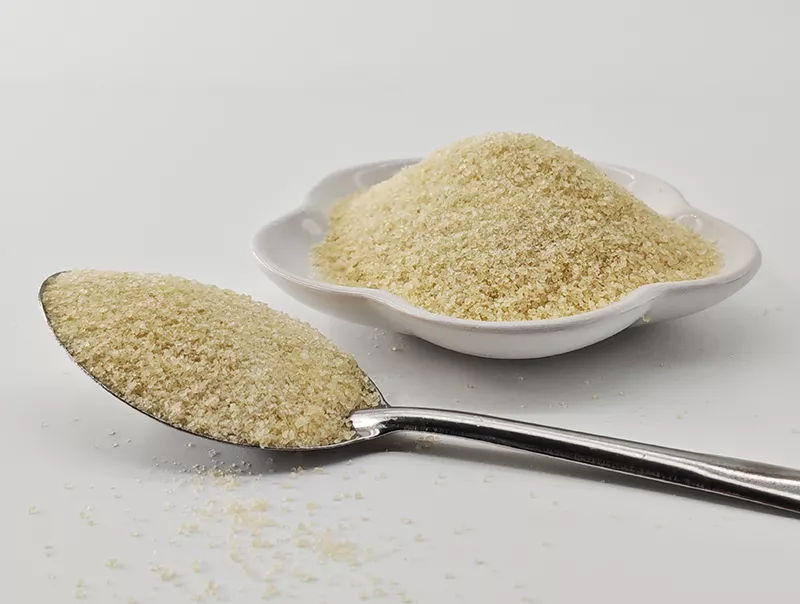
The High-Performance Barrier for Core Material Protection and Controlled Release.
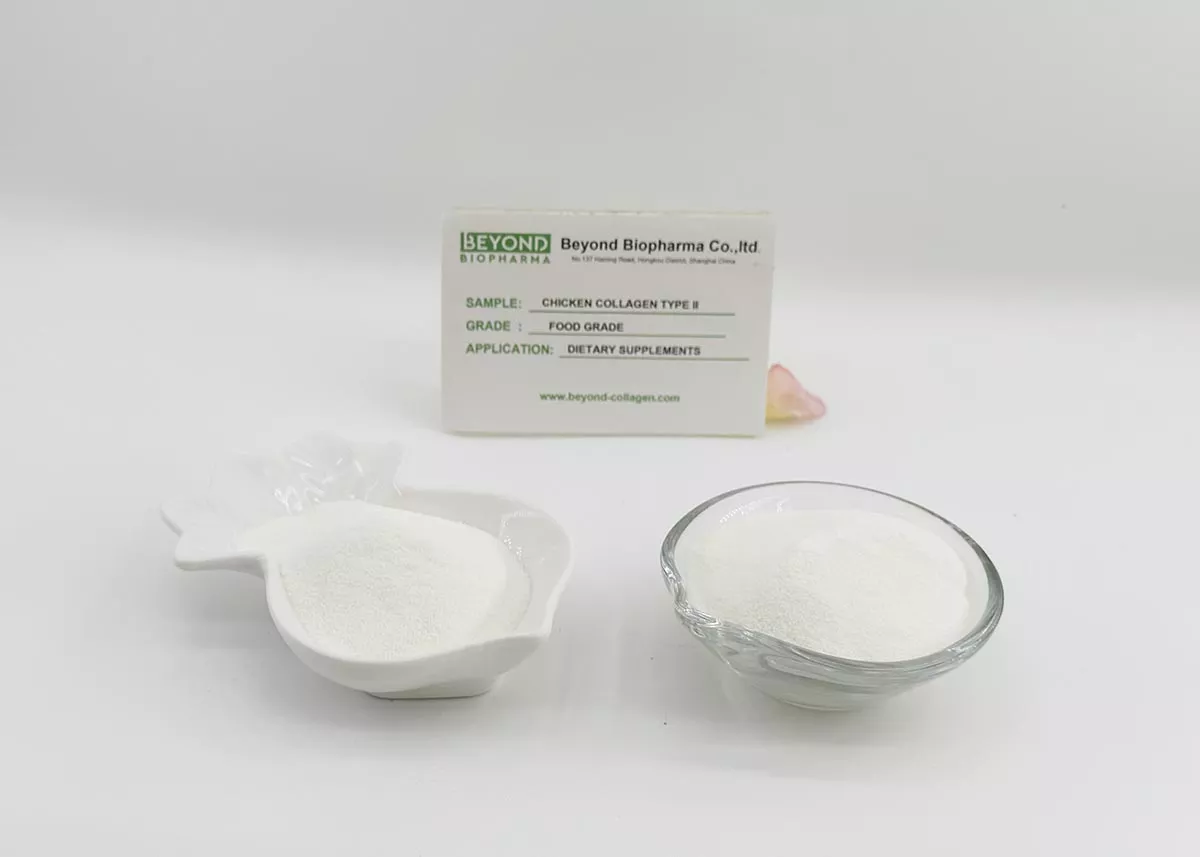
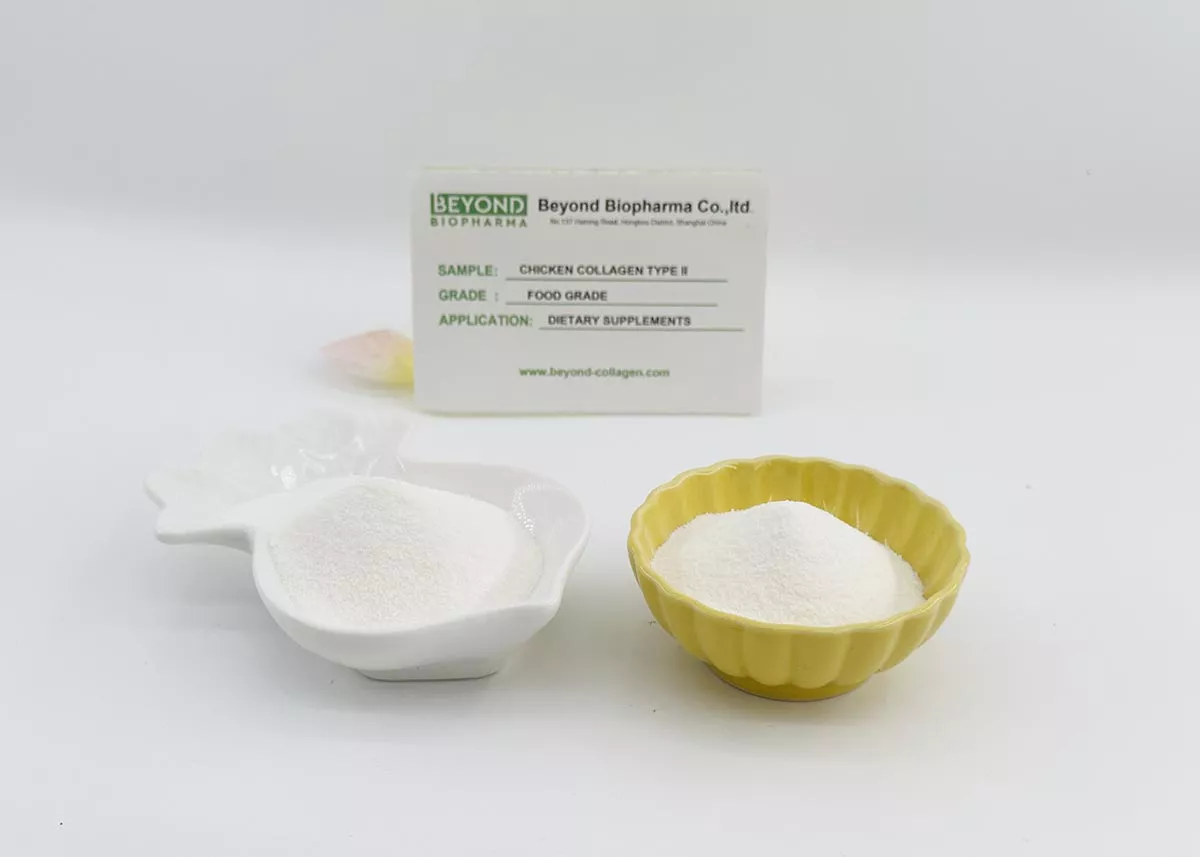
BEYOND BIOPHARMA is a specialized manufacturer of highly purified Hydrolyzed Collagen Type II. Through advanced enzymatic hydrolysis, we create low-molecular-weight collagen peptides that are highly bioavailable, offering foundational nutritional support for cartilage repair, joint function, and skin health. Our product is designed for rapid absorption and maximum efficacy in oral supplements.
Source ultra-pure, non-GMO hydrolyzed soybean oligopeptide powder in bulk. Complete water solubility, over 80% peptides under 1000 Da. Ideal for sports nutrition and immune recovery formulas.
Tel:+86 21 65010906
Cell/Whatsapp/Wechat:
+86 13482884055
+86 18657345785
Email: sales@beyondbiopharma.com





User Comments
Service Experience Sharing from Real Customers
Megan
Pastry ChefAs someone who's worked in vegan bakeries for years, I've tried every gelling agent out there. Agar powder is a total game-changer compared to gelatin – it sets firmer at room temp and works consistently with acidic fruits. My fruit tarts have never looked better!
Leo
Home CookSwitched to agar for my homemade jams after my wife went vegetarian. Took a couple tries to get the ratios right (it's not a 1:1 sub for gelatin!), but now I prefer it. The texture is cleaner and it doesn't melt on a warm day. One star off because the instructions could be clearer for beginners.
Dr. Rivera
Research ScientistIn our microbiology lab, we exclusively use agar powder for culture plates – gelatin simply melts at incubation temperatures. This comparison article finally explains the science in terms my family can understand! Shared it with my students too.
Jack
BartenderBeen experimenting with agar for clarified cocktails instead of gelatin. It's trickier to work with but gives a crystal-clear result without any animal products. My vegan customers really appreciate the effort. Pro tip: blend it with cold liquid first or you'll get lumps!