English EN


Fish Gelatin Powder or Beef and Pork Gelatin Which Is Right for You
Compare fish gelatin powder with beef and pork gelatin to find the best option for dietary needs, texture, and recipes, including kosher and halal diets.
More
Bloom value is the primary indicator of gel strength in fish gelatin. Measured in grams, a higher bloom number means a firmer gel. For nutraceutical softgels, a bloom range of 150 to 200 is common, providing adequate structural integrity without excessive brittleness. In contrast, hard capsule production typically requires 220 to 280 bloom for optimal shell hardness. Low bloom fish gelatin, around 80 to 120, is preferred in dessert gels and confectionery where a tender, melt-in-the-mouth texture is desired. The bloom value directly influences the setting time, melting point, and clarity of the final product. Manufacturers must match bloom to their specific processing equipment and end-use requirements to avoid issues like capsule deformation or inconsistent gelation.
Viscosity is another critical parameter for fish gelatin in industrial applications. Low viscosity grades, typically below 30 mPas at 10% concentration and 60°C, are ideal for spray drying, microencapsulation, and high-solid syrups. They allow for easier pumping, better atomization, and reduced energy consumption during processing. Medium viscosity fish gelatin, between 30 and 50 mPas, works well for gummy bear production and marshmallows, providing adequate body without excessive stickiness. High viscosity grades, above 50 mPas, are suited for thickening sauces, gravies, and dairy products. Choosing the right viscosity prevents clogging in nozzles, ensures uniform coating, and improves yield. Beyond Biopharma offers customized viscosity ranges to match your specific formulation needs, whether you are manufacturing nutraceutical gummies or pharmaceutical coatings.
Sourcing fish gelatin from certified suppliers ensures product safety, traceability, and regulatory compliance. Wild-caught, non-GMO fish skins from species like tilapia, cod, and salmon are preferred for their high collagen content and low impurity levels. Certifications such as Halal, Kosher, ISO 22000, and BRC are essential for accessing markets in the Middle East, Europe, and North America. Fish gelatin is also free from bovine spongiform encephalopathy (BSE) risks, making it a safer alternative for certain religious and health-conscious consumers. Beyond Biopharma provides full documentation including Certificate of Analysis (COA), heavy metal testing, and microbiological reports. This level of transparency helps manufacturers meet stringent FDA and EFSA standards while building consumer trust in finished nutraceutical and food products.
| Application | Recommended Bloom | Viscosity (mPas) | Setting Temperature (°C) |
|---|---|---|---|
| Hard Capsules | 220 - 280 | 35 - 55 | 28 - 32 |
| Softgels / Nutraceutical Gummies | 150 - 200 | 25 - 40 | 22 - 28 |
| Microencapsulation (Spray Drying) | 80 - 120 | 10 - 25 | 5 - 10 |
| Dessert Gels / Confectionery | 80 - 150 | 15 - 30 | 8 - 15 |
| Sauces / Dairy Thickening | 100 - 180 | 40 - 70 | 15 - 20 |
For hard capsule manufacturing, a high bloom fish gelatin in the range of 200 to 280 bloom is typically recommended. This provides the necessary gel strength and rigidity for capsule forming and drying, ensuring uniform shell thickness and good stability. Many manufacturers prefer 250 bloom fish gelatin for consistent production results.
Yes, fish gelatin is widely accepted in both kosher and halal dietary guidelines, provided it is sourced from kosher or halal certified fish species and processed in certified facilities. Beyond Biopharma offers halal and kosher verified fish gelatin for clean label foods, making it a versatile choice for global markets with religious dietary requirements.
Fish gelatin typically has a lower gelling temperature, around 5 to 10 degrees Celsius, compared to bovine gelatin which gels at about 20 to 25 degrees Celsius. This makes fish gelatin ideal for applications requiring cold-setting gels or where a melt-in-the-mouth texture is desired, such as in certain desserts, confectionery, and pharmaceutical formulations.
Absolutely. Fish gelatin is an excellent wall material for microencapsulation due to its good film-forming properties, biocompatibility, and low viscosity at higher concentrations. It is particularly effective for encapsulating sensitive nutrients like omega-3 oils, vitamins, and probiotics, providing protection against oxidation and controlled release in the digestive tract.
We provide you with comprehensive foreign trade solutions to help enterprises achieve global development
20 years experiences, 5000 ton/year capacity, Sustained supply with stable quality
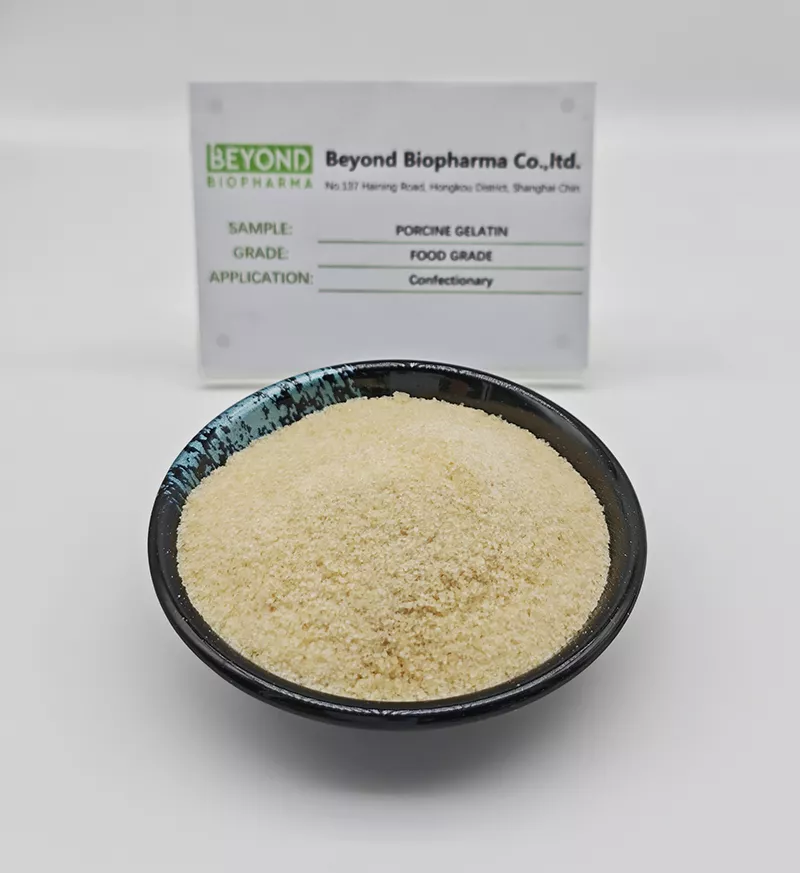
Food-grade porcine gelatin is a highly versatile and cost-effective natural protein derived from the collagen found in pig skin and bones. It is a premier gelling agent known for its exceptional clarity, neutral taste, and thermal reversibility.
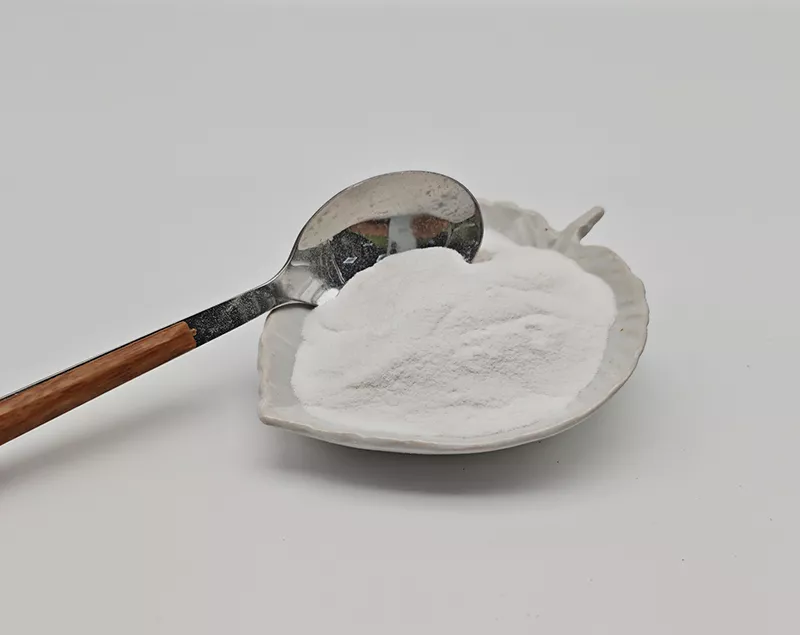
Fish Gelatin for foods is increasingly recognized as the premium alternative to traditional mammalian sources, meeting the growing global demand for clean-label ingredients that align with diverse dietary and religious requirements. Derived from the skin and scales of fish like cod and tilapia, fish gelatin offers unique functional benefits that make it an exceptional gelling, stabilizing, and texturizing agent.
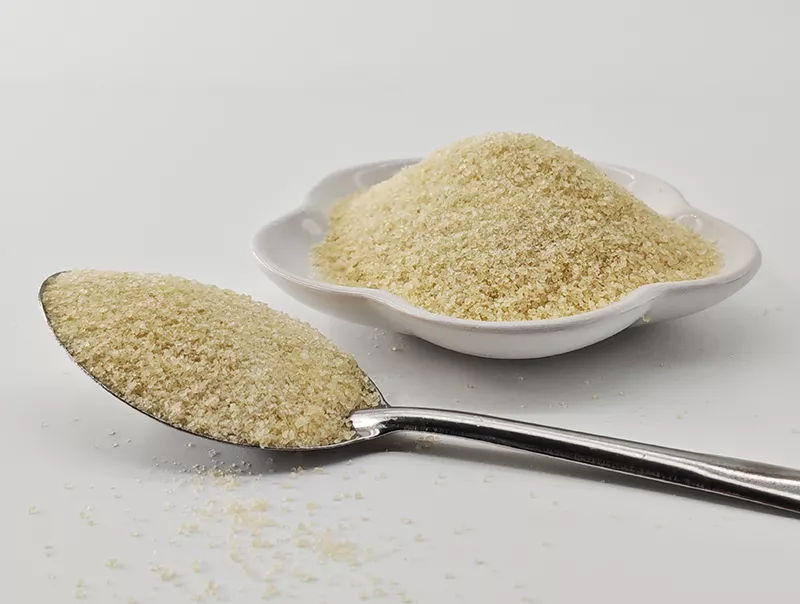
The High-Performance Barrier for Core Material Protection and Controlled Release.
Tel:+86 21 65010906
Cell/Whatsapp/Wechat:
+86 13482884055
+86 18657345785
Email: sales@beyondbiopharma.com