 English EN


How to Use Gelatin Powder? Applications of Gelatin Powder
Use gelatin powder by blooming it in cold water, dissolving gently, and adding to recipes for perfect texture in desserts, sauces, and supplements.
More
By Beyond Biopharma
Jun-10-2026
Halal gelatin powder is a type of gelatin derived exclusively from animals slaughtered according to Islamic dietary laws (Zabihah) or from fish, which is inherently Halal. Unlike regular gelatin, which often comes from pork or non-Halal beef sources, Halal gelatin ensures compliance with religious standards. The primary sources for Halal gelatin are bovine (cattle) hides and bones, as long as the animal is Halal-certified, or fish skin and scales, which are universally accepted as Halal.
The most common sources include Halal bovine gelatin from cattle hides and bones, and fish gelatin, which is preferred for clean-label and kosher applications. These raw materials must come from animals that are processed according to Halal rules, including a proper blessing and drainage of blood.
To be labeled as Halal, the gelatin must be certified by an accredited Islamic authority. This involves auditing the entire supply chain—from animal farming to slaughtering, processing, and packaging. The certification ensures no cross-contamination with non-Halal substances. Many manufacturers also obtain Halal and Kosher verification to meet broader dietary requirements.
The main difference lies in the source and processing. Regular gelatin is often made from pork skin (porcine), which is forbidden in Islam. Even bovine-based regular gelatin may come from non-Halal slaughtered animals. Halal gelatin, on the other hand, is strictly sourced from Halal-certified animals or fish. Additionally, Halal gelatin is often processed with equipment dedicated to Halal production to avoid contamination. In terms of functionality, both types have similar gelling, thickening, and stabilizing properties, making Halal gelatin a seamless substitute in food applications and pharmaceutical coatings.
For culinary use, Halal gelatin powder behaves identically to regular gelatin—it must be bloomed (hydrated) in cold water before being dissolved into warm liquids. It is widely used in desserts like panna cotta, mousses, and jellies, as well as in confectioneries and dairy products. The bloom strength (gel strength) is a critical parameter, with higher bloom values yielding firmer gels.
In summary, Halal gelatin powder offers a permissible alternative for Muslim consumers and those seeking clean-label products. Its certification guarantees ethical sourcing and processing, while its functional properties remain identical to conventional gelatin. For specialized uses, such as micro-encapsulation or energy bar production, Halal variants are readily available from certified suppliers.
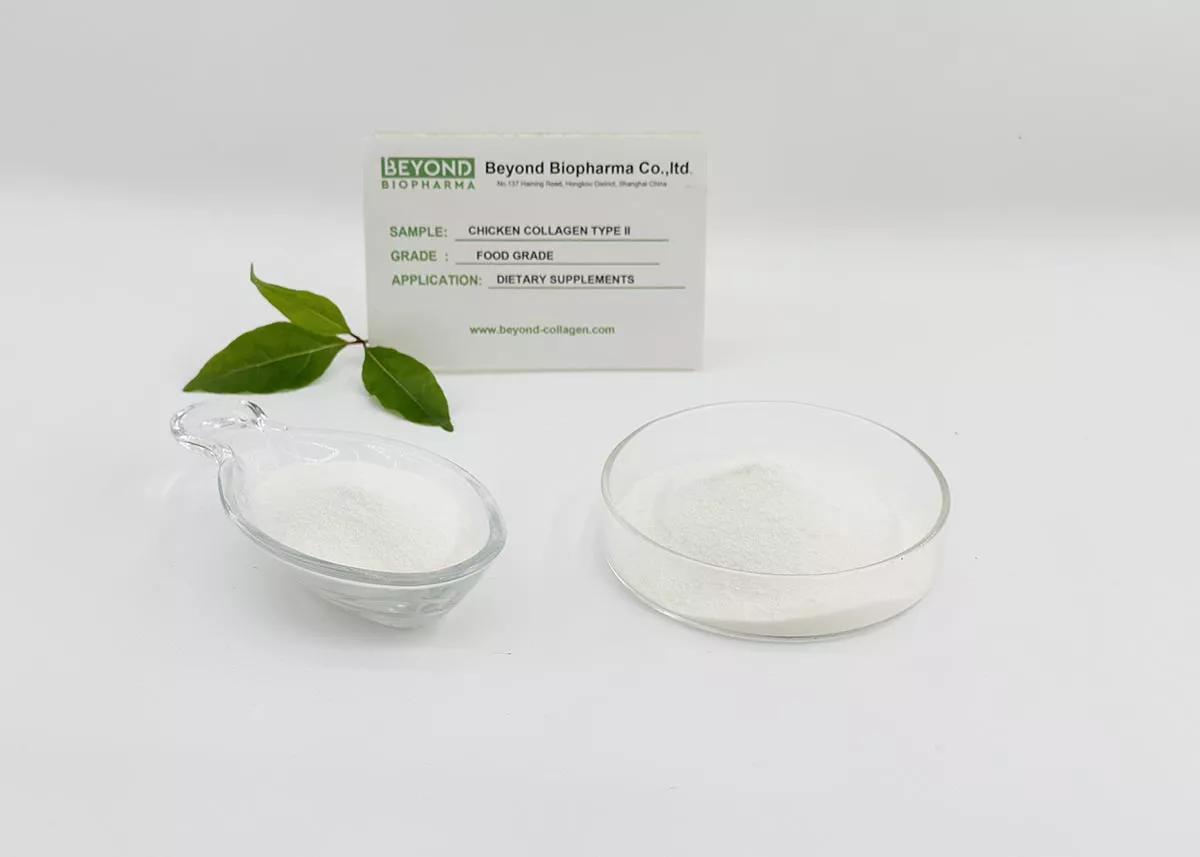
The foundation of halal gelatin powder lies in its raw materials. Only bovine hides and bones from animals slaughtered according to Islamic rites, or fish skins and scales from permissible species, are used. These sources must carry explicit halal certification from recognized Islamic authorities.
Bovine gelatin offers high gel strength and clarity, making it ideal for firm desserts and gummy confections. Fish gelatin, with its lower melting point, provides a softer texture suitable for mousses and yogurts. Both origins are processed separately to maintain purity and certification integrity.
Each batch of raw material is tested for contaminants and verified against halal standards before production begins. This ensures that every granule of gelatin powder meets the dietary and ethical requirements of Muslim consumers worldwide.
Traceability from farm to factory is maintained through documentation, allowing chefs and manufacturers to confidently select gelatin that aligns with their halal commitments.
The production of Halal gelatin powder involves a meticulous process that transforms raw animal hides or bones into a pure, functional ingredient. Each step is carefully controlled to ensure the final product meets both religious dietary standards and industrial quality requirements for cooking and desserts.
Step 1: Raw Material Selection & Cleaning
Only Halal-certified bovine or fish hides and bones are sourced. The raw materials are thoroughly washed with cold water to remove impurities, blood, and dirt. For bones, they are crushed into small pieces (typically 2-5 cm) to increase surface area for subsequent processing.
Step 2: Acid Treatment (Liming)
The cleaned materials are soaked in a dilute acid solution (usually hydrochloric or sulfuric acid, pH 1.5-2.0) for 10-24 hours. This process dissolves calcium phosphates from bones and swells the collagen fibers in hides, making the collagen more accessible for extraction.
Step 3: Alkaline Treatment (Hydrolysis)
After acid treatment, the material is neutralized and then treated with a mild alkaline solution (lime or sodium hydroxide, pH 8-10) for 4-8 weeks. This step breaks down non-collagen proteins and further loosens the collagen structure, preparing it for hot water extraction.
Step 4: Hot Water Extraction
The treated material is transferred to extraction tanks with hot water (55-70°C, depending on desired bloom strength). Multiple extraction cycles (3-5) are performed, each lasting 4-8 hours, to gradually extract gelatin from the collagen. The liquid gelatin solution is collected and filtered.
Step 5: Purification & Concentration
The extracted gelatin solution undergoes several purification steps: centrifugation to remove fine solids, activated carbon filtration to remove color and odor, and ion exchange to remove mineral salts. The purified solution is then concentrated under vacuum to achieve 20-40% solids content.
Step 6: Drying & Grinding
The concentrated gelatin solution is cooled to form a gel, then extruded into thin noodles and dried on a continuous belt dryer at 30-50°C. The dried gelatin (moisture content 8-12%) is ground into a fine powder (typically 20-40 mesh) and sieved to ensure uniform particle size.
Step 7: Quality Control & Packaging
The final powder is tested for bloom strength, viscosity, pH (typically 5.5-6.5), microbial purity, and Halal certification compliance. After passing quality checks, the gelatin powder is vacuum-sealed in moisture-proof bags and packaged for distribution.
Key Quality Parameters of Halal Gelatin Powder
| Parameter | Typical Range | Importance for Cooking & Desserts |
|---|---|---|
| Bloom Strength | 100 - 300 Bloom | Higher Bloom gives firmer gels; lower Bloom for softer textures |
| Viscosity (6.67%, 60°C) | 2.0 - 7.0 mPa·s | Affects mouthfeel and binding properties in desserts |
| pH (1% solution) | 5.0 - 6.5 | Neutral pH prevents flavor alteration in delicate desserts |
| Moisture Content | 8% - 12% | Low moisture ensures longer shelf life and consistent performance |
| Ash Content | Low ash indicates high purity; important for clear gels |
The entire manufacturing process is conducted under strict Halal supervision, ensuring that all equipment, handling procedures, and additives comply with Islamic dietary laws. The resulting gelatin powder is a versatile ingredient that provides excellent gelling, thickening, and stabilizing properties for a wide range of culinary applications, from panna cotta and mousses to marshmallows and fruit
Halal gelatin powder serves as a versatile ingredient in culinary applications, primarily due to its ability to gel, thicken, and stabilize mixtures. When dissolved in warm liquid and cooled, it forms a semi-solid structure that gives desserts like panna cotta, jelly, and mousse their characteristic set. Its thickening property enhances the body of sauces, soups, and gravies without altering flavor, while its stabilizing function prevents separation in whipped creams, ice creams, and emulsified dressings. These attributes make it indispensable for achieving desired textures in both hot and cold preparations.
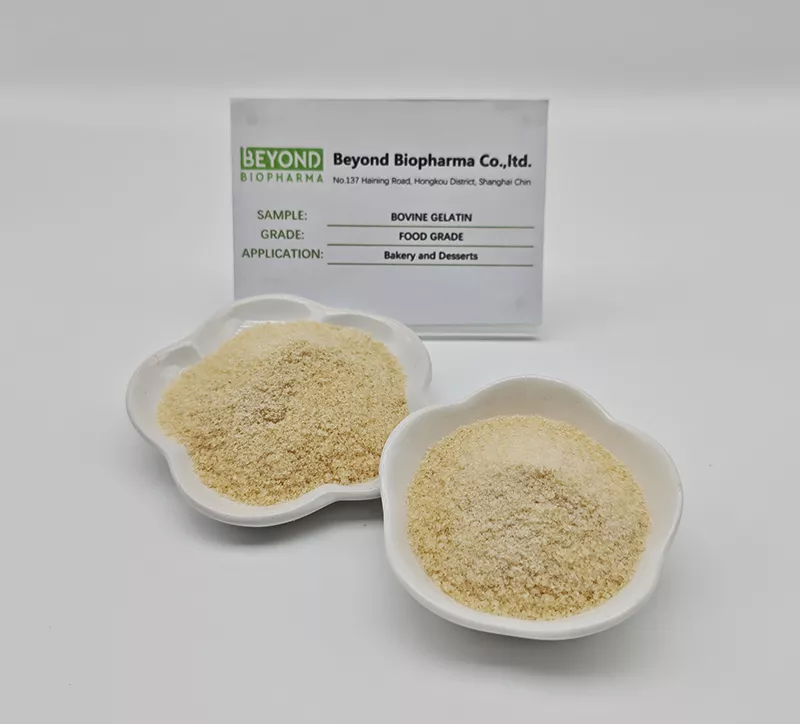
In practice, the gelling power of halal gelatin is measured by its bloom strength, which determines the firmness of the final product. For thickening, it is often hydrated in cold water before being added to warm mixtures to avoid clumping. As a stabilizer, it binds water molecules and creates a network that traps air or fat, ensuring smooth textures in frozen desserts and creamy fillings. Whether used in traditional sweets or modern gastronomy, its functional properties provide reliable results across a wide range of recipes.
Mastering halal gelatin powder requires understanding three key techniques: blooming, correct ratios, and smart substitutions. These tips ensure flawless results in desserts, jellies, and savory dishes.
Always bloom gelatin in cold water for 5–10 minutes before heating. Use 3–4 times the amount of cold water to gelatin powder. This hydrates the granules evenly, preventing clumps and ensuring smooth dissolution. For best results, sprinkle powder over water, not the reverse.
Standard ratio: 1 tablespoon (about 7g) of halal gelatin powder sets 2 cups (475ml) of liquid for a soft gel. For firmer desserts, increase to 1.5 tablespoons per 2 cups. Adjust based on recipe acidity—acidic fruits may require 20–25% more gelatin. Always check specific product bloom strength (typically 200–250 bloom for cooking).
When replacing conventional gelatin with halal gelatin powder, use a 1:1 ratio by weight. For vegetarian alternatives, agar-agar works but requires different ratios (1 tsp agar powder per 1 cup liquid, boiled for 2 minutes). For recipes requiring clear gels, fish gelatin is an excellent halal option. Explore more specialized products at edible bovine gelatin or halal fish gelatin.
For pharmaceutical or specialty cooking needs, consider pharmaceutical bovine gelatin or high bloom gelatin for precise applications.
Summary
Halal gelatin powder is a plant-friendly or permissible animal-derived gelling agent sourced exclusively from halal-certified bovine or fish origins, ensuring compliance with Islamic dietary laws. Its manufacturing involves cleaning, acid or alkali treatment, extraction, purification, and spray-drying to produce a fine, neutral-tasting powder.
In cooking and desserts, it functions as a reliable gelling, thickening, and stabilizing agent, offering texture and structure to items like puddings, marshmallows, and fruit jellies. Key to successful use is proper blooming in cold water, accurate ratio adherence (typically 1 tablespoon per 2 cups of liquid), and awareness of substitutions such as agar-agar or pectin for vegan alternatives.
Understanding these aspects—from sourcing and certification to functional properties and practical application—enables cooks and bakers to confidently incorporate halal gelatin powder into a wide range of recipes while maintaining dietary integrity.
Keywords: halal gelatin, bovine gelatin, fish gelatin, gelling agent, thickening agent, dessert stabilizer, halal certification, blooming gelatin, cooking tips, substitution guide


We provide you with comprehensive foreign trade solutions to help enterprises achieve global development
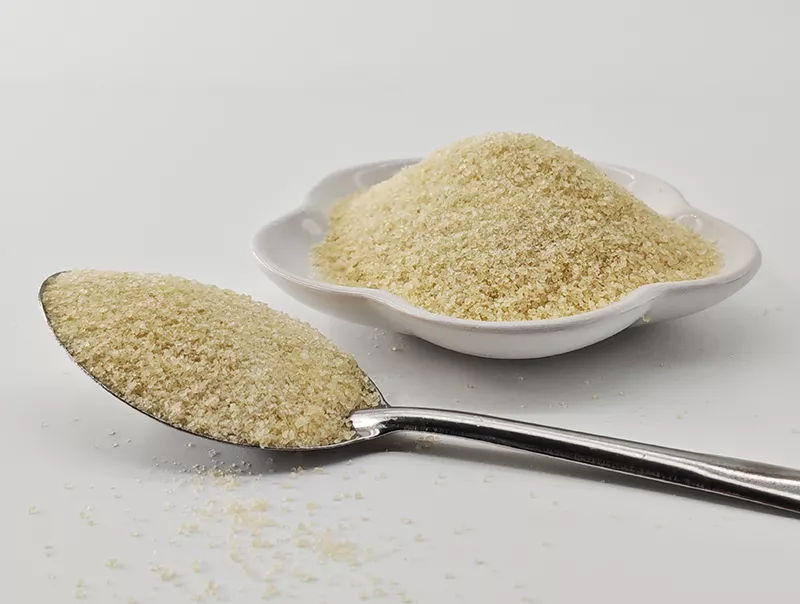
The High-Performance Barrier for Core Material Protection and Controlled Release.
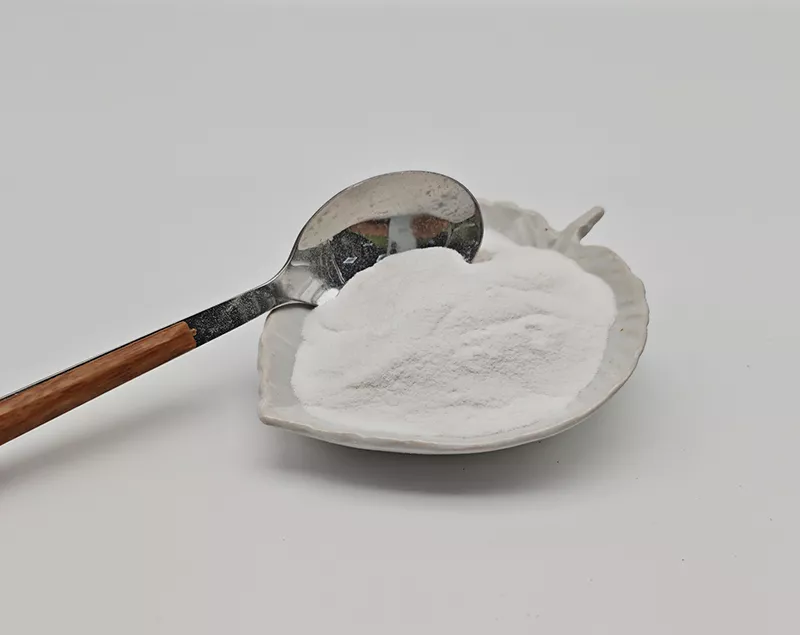
Fish Gelatin for foods is increasingly recognized as the premium alternative to traditional mammalian sources, meeting the growing global demand for clean-label ingredients that align with diverse dietary and religious requirements. Derived from the skin and scales of fish like cod and tilapia, fish gelatin offers unique functional benefits that make it an exceptional gelling, stabilizing, and texturizing agent.
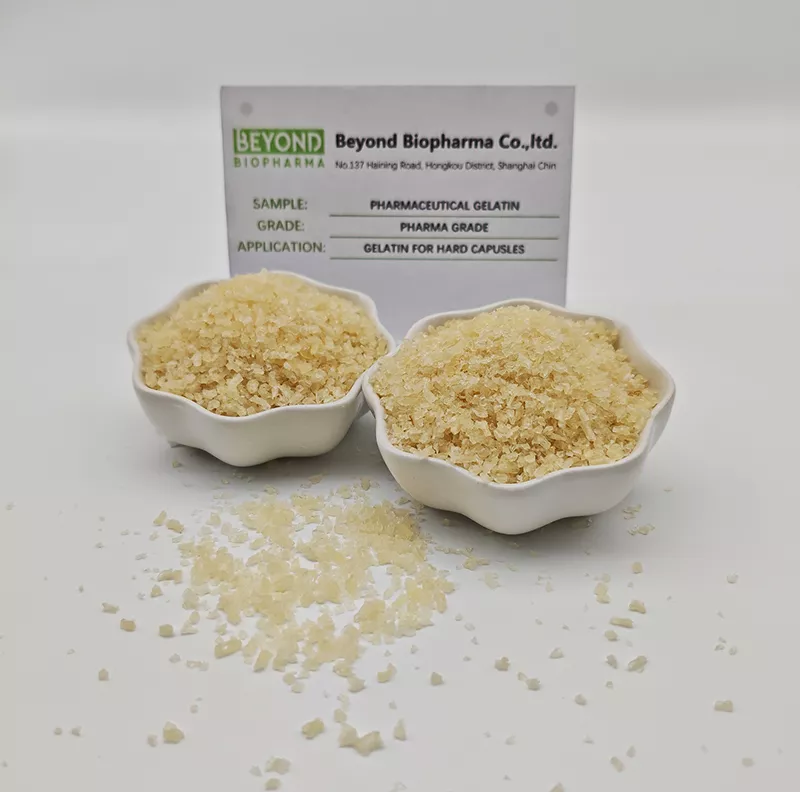
Precision, Purity, and Optimal Machinability
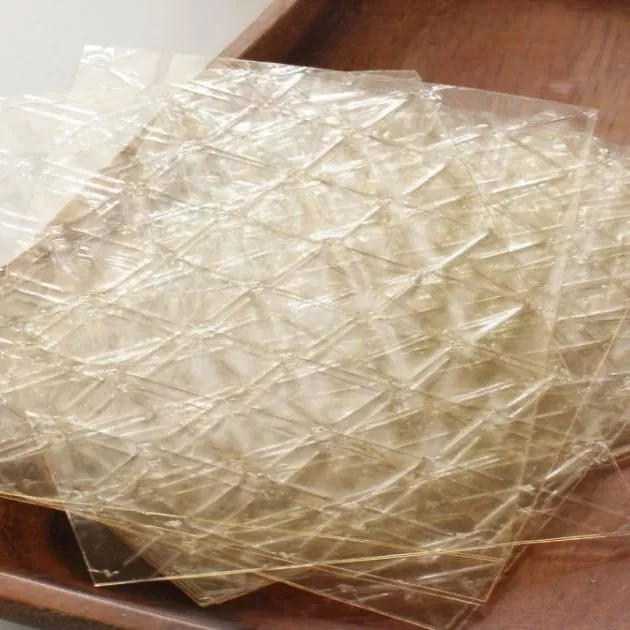
Our Gelatin Sheets are produced to precise standards, ensuring consistency and reliability across different Bloom grades (Silver being the most common professional choice).
Tel:+86 21 65010906
Cell/Whatsapp/Wechat:
+86 13482884055
+86 18657345785
Email: sales@beyondbiopharma.com




