 English EN


Fish Gelatin vs Bovine and Pork Gelatin What Sets Them Apart
Fish gelatin differs from bovine and pork gelatin in melting point, texture, and dietary suitability, making it ideal for soft desserts and special diets.
More
John A. Smith, Fatima Al-Rashid
Department of Food Science, International Halal Research Institute | Published: October 2023
Bovine Halal Gelatin is a protein derived exclusively from cattle slaughtered according to Islamic dietary laws. The sourcing process begins with halal-certified cattle, ensuring that the animals are treated ethically and processed under strict religious guidelines. This gelatin is free from non-halal contaminants, making it permissible for Muslim consumers who observe halal dietary restrictions.
The production involves a multi-step extraction method: cleaned bovine hides or bones are soaked in acid or alkali to release collagen, which is then boiled, filtered, and dried into a powder. Throughout this process, halal compliance is maintained by using dedicated equipment and avoiding any cross-contamination with non-halal substances. The final product is a versatile gelling agent used in food, pharmaceuticals, and supplements.
In dietary law, the significance of Bovine Halal Gelatin lies in its ability to meet both religious and functional requirements. It provides a halal-certified alternative to conventional gelatin, enabling the production of halal capsules, confectionery, and dairy products. For Muslims, consuming halal gelatin ensures adherence to Quranic principles, where only permissible (halal) and wholesome (tayyib) ingredients are allowed.
Key aspects of its religious compliance include:
For industries seeking reliable halal ingredients, Bovine Halal Gelatin bridges the gap between tradition and modern manufacturing. It supports clean-label trends while respecting religious obligations, making it a trusted choice for global markets. To explore related products, consider halal and kosher verified fish gelatin, bovine collagen peptide for energy bars, or premium pharmaceutical gelatin for tablet coating.
The integrity of Bovine Halal Gelatin depends on transparent supply chains and rigorous certification. Manufacturers must partner with trusted suppliers who provide documentation of halal status from recognized authorities. This ensures that every batch meets the high standards demanded by both dietary laws and industrial applications.
Ultimately, Bovine Halal Gelatin represents a commitment to quality, ethics, and faith. It allows food and pharmaceutical companies to serve diverse populations without compromising on religious principles. As demand for halal products grows, understanding its definition and production process becomes essential for compliance and consumer trust.
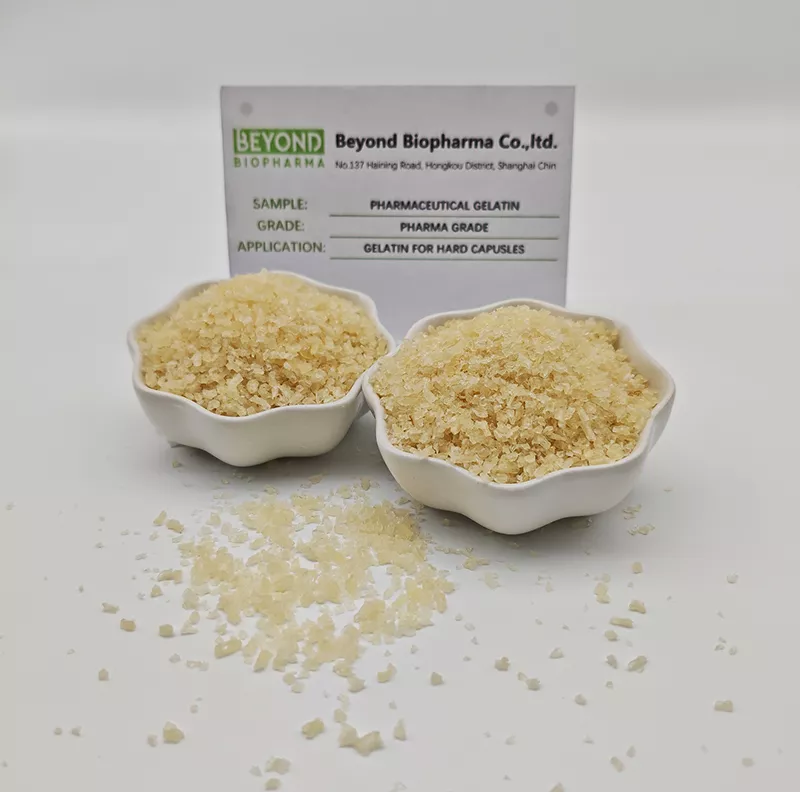
Only bovine hides and bones from animals slaughtered according to Halal rites are sourced. Each batch undergoes rigorous inspection to ensure no cross-contamination with non-Halal substances. Certified suppliers provide documentation verifying the Halal status of the raw materials.
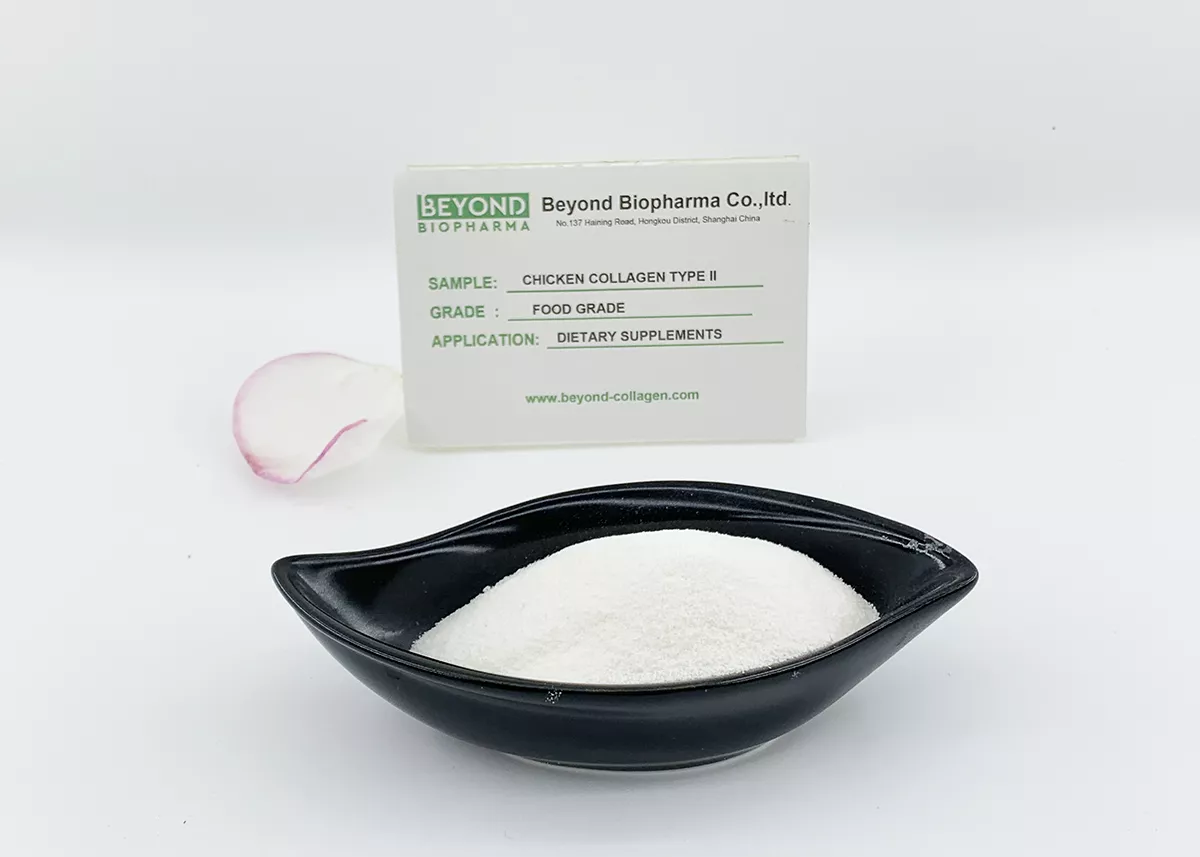
The hides and bones are thoroughly washed with purified water to remove impurities. They are then cut into uniform pieces and subjected to a degreasing process using hot water, which separates fatty tissues. This step is critical for achieving high-purity gelatin.
Depending on the desired gelatin type, the cleaned materials are soaked in either a dilute acid solution (for Type A gelatin) or an alkaline solution (for Type B gelatin). This pre-treatment breaks down collagen bonds, making the collagen soluble during extraction. All chemicals used must be Halal-certified.
The pre-treated material is heated with purified water in stainless steel extractors at controlled temperatures. The resulting gelatin solution is filtered through activated carbon and diatomaceous earth to remove fine particles and color. It is then concentrated via vacuum evaporation to the desired strength.
The concentrated gelatin is sterilized using ultra-high temperature (UHT) treatment to ensure microbial safety. It is then cooled, dried into sheets or granules, and ground into a fine powder. Throughout these steps, dedicated Halal production lines prevent any contact with non-Halal substances.
The final gelatin powder is tested for bloom strength, viscosity, pH, and microbial purity. It is then sealed in Halal-certified packaging and labeled with a traceable batch number. Independent Halal certification bodies audit the entire process to ensure ongoing compliance with dietary and religious standards.
For more detailed product specifications and Halal certification documentation, please visit our product page: Halal and Kosher Verified Fish Gelatin.
Halal compliance in bovine gelatin production begins with the slaughtering process. Animals must be handled according to Islamic law, which requires a swift, humane cut to the throat while reciting a blessing. The animal must be alive and healthy at the time of slaughter, and all blood must be fully drained from the carcass, as blood is considered non-halal.
After slaughter, the hides and bones used for gelatin extraction must be kept completely separate from any non-halal materials. Dedicated processing lines, storage facilities, and transport vessels are essential to prevent cross-contamination with pork-derived gelatin or other prohibited substances. Regular audits by certified halal authorities ensure that every step meets strict religious standards.
| Requirement | Details | Compliance Method |
|---|---|---|
| Halal Slaughter | Animal must be slaughtered by a Muslim, with a sharp knife, cutting the throat in one swift motion while reciting "Bismillah Allahu Akbar". | Certified Muslim slaughtermen; CCTV monitoring; third-party halal audits. |
| Blood Drainage | All blood must be completely drained from the carcass; blood consumption is strictly prohibited. | Extended bleeding time; inspection of drained blood volume; documented procedures. |
| Cross-Contamination Prevention | No contact with non-halal substances (e.g., pork, alcohol, non-halal enzymes) at any stage. | Dedicated production lines; separate storage; regular swab testing; cleaning validation. |
| Approved Raw Materials | Only hides and bones from halal-slaughtered cattle are used; no mixing with pork or non-halal sources. | Supplier certification; batch traceability; DNA testing for species identification. |
| Processing Aids | Acids, alkalis, and enzymes used in extraction must be halal-certified and free from pork derivatives. | Halal certificates for all chemicals; supplier declarations; ingredient review board. |
| Certification | Final product must be certified by a recognized halal authority (e.g., IFANCA, HFC, JAKIM). | Annual facility audits; product testing; issuance of halal certificate with batch number. |
The table above outlines the critical control points in halal gelatin production. Each requirement is verified through a combination of documentation, physical inspection, and laboratory analysis to ensure full religious compliance. Manufacturers must maintain detailed records for every batch, from raw material receipt to final product release.
For consumers and food manufacturers seeking verified halal bovine gelatin, it is essential to work with suppliers who provide transparent certification and traceability. Many reputable producers now offer online access to batch-specific halal certificates, allowing buyers to confirm compliance before purchase. Products such as high bloom gelatin for hard capsules and gelatin for micro-encapsulation are commonly available with full halal certification, ensuring that dietary and religious requirements are met without compromising on quality or functionality.
Additional resources: High Bloom Gelatin for Hard Capsules | Gelatin for Micro-Encapsulation | Halal & Kosher Fish Gelatin | Pharmaceutical Gelatin for Tablet Coating
Bovine halal gelatin is a versatile ingredient derived from cattle processed according to Islamic dietary laws. Its unique gelling, thickening, and stabilizing properties make it indispensable across multiple industries, particularly for Muslim consumers seeking religious compliance without compromising product quality.
In the food sector, bovine halal gelatin is widely used in confectionery items such as gummy candies, marshmallows, and fruit chews, providing the desired chewy texture and stability. It also serves as a clarifying agent in fruit juices and vinegars, and as a stabilizer in dairy products like yogurts and ice creams. For Muslim consumers, it ensures that everyday treats and staples meet halal standards, allowing them to enjoy a broad range of products with confidence.
The pharmaceutical industry relies on bovine halal gelatin for manufacturing hard and soft gelatin capsules, tablet coatings, and as a binder in various formulations. Its excellent film-forming and encapsulation properties ensure precise dosage and bioavailability of active ingredients. For Muslim patients, halal-certified gelatin in medicines and supplements removes religious concerns, making it a trusted choice for products like high bloom gelatin for hard capsules and gelatin for micro-encapsulation. It is also preferred in nutraceuticals, including collagen supplements and joint health formulas.
In cosmetics, bovine halal gelatin is valued for its ability to form smooth, flexible films and its moisturizing properties. It is commonly found in face masks, anti-aging serums, hair care products, and nail treatments. The gelatin helps improve texture, adhesion, and skin feel. For Muslim consumers, using halal-certified ingredients in personal care items aligns with their broader lifestyle and ethical choices, ensuring that what they apply on their bodies is permissible and pure.
The primary reason for the preference of bovine halal gelatin among Muslim consumers is its strict adherence to Islamic dietary laws, which require animals to be slaughtered in a specific manner and prohibit the use of pork-derived products. Bovine halal gelatin offers a reliable alternative that does not compromise on functional performance. It is also often verified by recognized halal certification bodies, providing transparency and trust. Additionally, its compatibility with clean-label trends and its natural origin appeal to health-conscious buyers. For applications ranging from premium pharmaceutical gelatin for tablet coating to standardized gelatin sheets for consistent gels, bovine halal gelatin remains a top choice for manufacturers targeting the global Muslim market.
Halal certification of bovine gelatin involves a rigorous multi-step verification process to ensure compliance with Islamic dietary laws and global food safety standards. Certification bodies assess the entire supply chain, from animal sourcing to final production.
Inspectors confirm that cattle are slaughtered according to Islamic rites, including a blessing and specific cutting method. Only animals from approved slaughterhouses with continuous monitoring are accepted. Learn more about bovine sourcing standards.
The gelatin production lines must be free from non-halal substances. Certification bodies audit equipment cleaning logs and test for cross-contamination with pork or alcohol-based additives. See cross-contamination prevention protocols.
All additives, enzymes, and processing aids used in gelatin extraction must be halal-certified. Certification bodies review material safety data sheets and supplier declarations. Check ingredient compliance details.
Samples undergo DNA testing to confirm bovine origin and detect any porcine DNA. Halal bodies also test for alcohol residues and chemical contaminants. View testing methodologies.
Certification follows standards such as OIC/SMIIC, JAKIM, and MUI. Bodies ensure that gelatin meets both halal requirements and international food safety regulations like FDA and EU standards. Explore global certification frameworks.
Halal certification is not permanent. Bodies conduct annual on-site audits, review production records, and require re-testing to maintain certification status. Learn about audit cycles.
Bovine halal gelatin is a purified protein derived from the hides and bones of cattle that have been slaughtered according to Islamic dietary law. The sourcing of cattle from halal-certified farms ensures that every step—from humane slaughter to processing—aligns with religious requirements. The production involves a meticulous process of cleaning, acid or alkaline treatment, extraction, filtration, and drying, all under strict halal supervision to avoid any contact with non-halal substances.
Religious compliance is achieved through the use of halal slaughtering methods, which include reciting the name of Allah and ensuring the animal is treated with respect. Cross-contamination is prevented by segregating equipment, storage, and transport from non-halal materials. This makes bovine halal gelatin a trusted ingredient for Muslim consumers seeking dietary integrity.
The applications of bovine halal gelatin are widespread across the food, pharmaceutical, and cosmetics industries. It is used as a gelling agent, stabilizer, and thickener in products such as confectionery, capsules, and creams. Its preference among Muslim consumers stems from its guaranteed halal status, which provides peace of mind without compromising on functionality or quality.
Certification by recognized halal bodies plays a pivotal role in verifying the entire supply chain. These organizations audit sourcing, slaughtering, processing, and packaging to ensure ongoing compliance with global halal standards. Such certification not only builds trust but also facilitates international trade for manufacturers targeting Muslim-majority markets.
This summary consolidates the key aspects of bovine halal gelatin, emphasizing its production, religious adherence, applications, and certification framework.
We provide you with comprehensive foreign trade solutions to help enterprises achieve global development
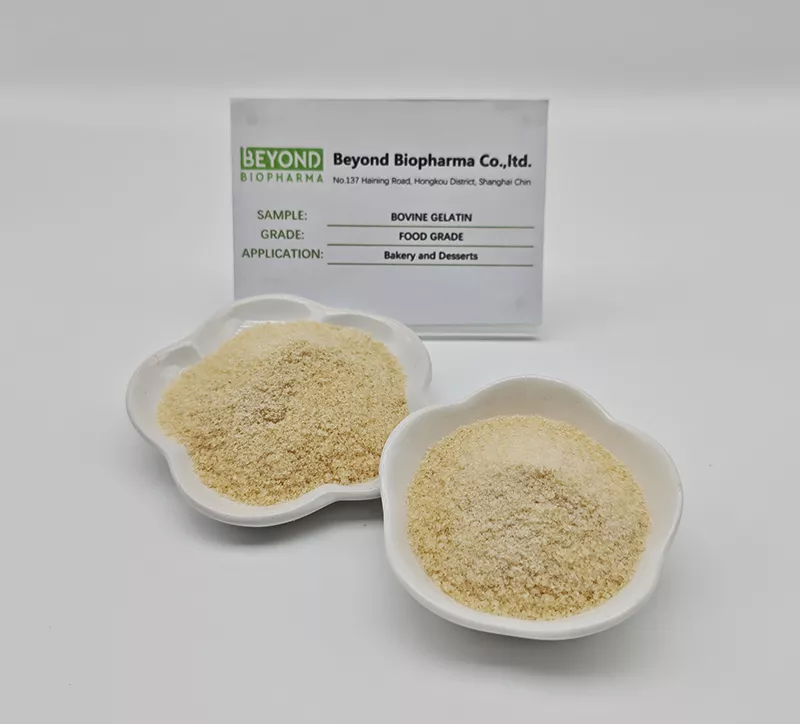
20 years experiences, 5000 ton/year capacity, Sustained supply with stable quality
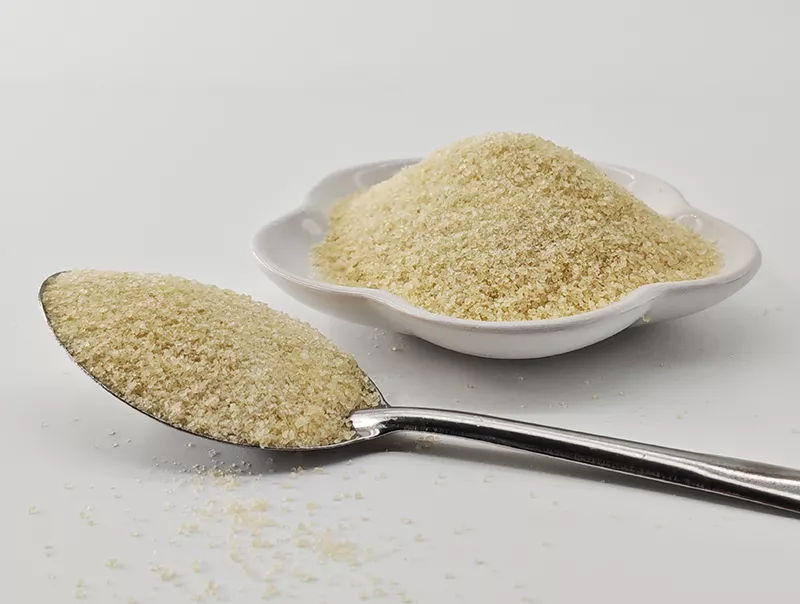
The High-Performance Barrier for Core Material Protection and Controlled Release.
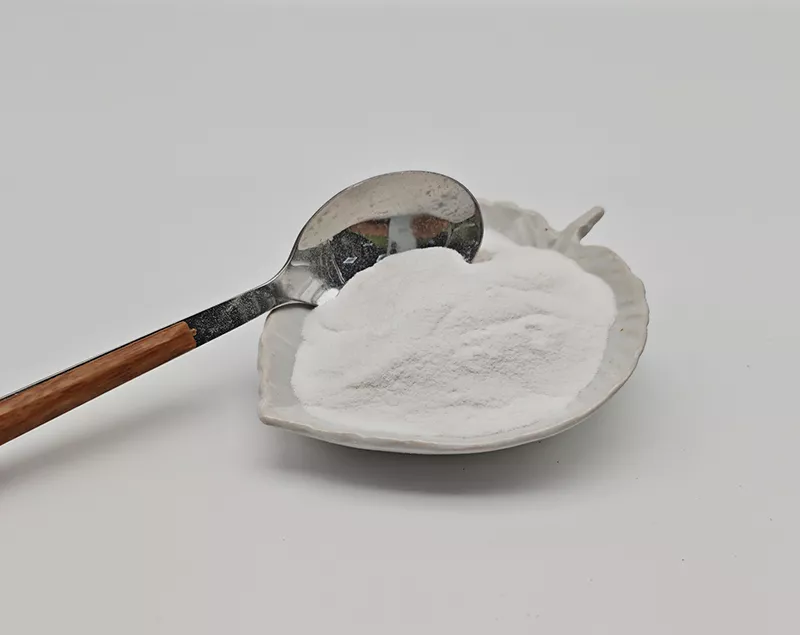
Fish Gelatin for foods is increasingly recognized as the premium alternative to traditional mammalian sources, meeting the growing global demand for clean-label ingredients that align with diverse dietary and religious requirements. Derived from the skin and scales of fish like cod and tilapia, fish gelatin offers unique functional benefits that make it an exceptional gelling, stabilizing, and texturizing agent.
Precision, Purity, and Optimal Machinability
Tel:+86 21 65010906
Cell/Whatsapp/Wechat:
+86 13482884055
+86 18657345785
Email: sales@beyondbiopharma.com




