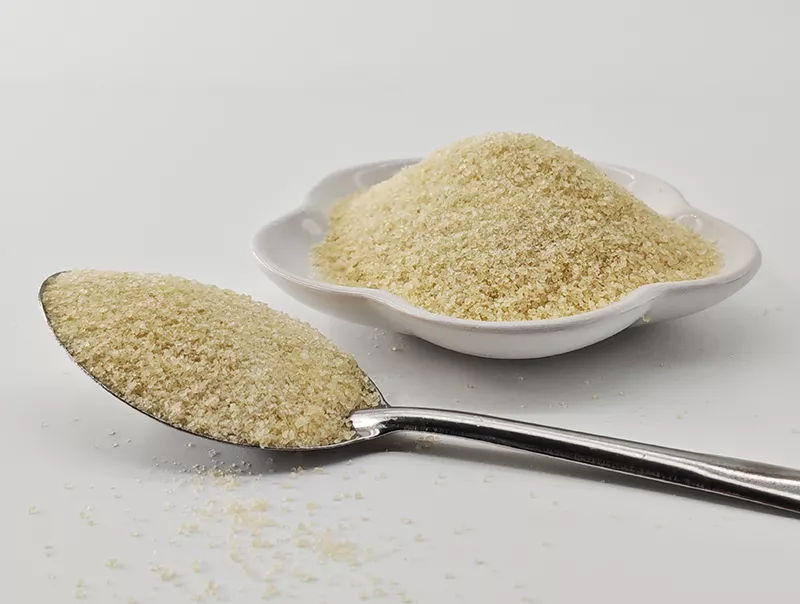
What Makes Cod Fish Gelatin Unique Compared to Beef and Pork Gelatin
Cod fish gealtin offers a neutral taste, rapid melt, and Halal/Kosher compliance, making it ideal for delicate desserts and specialty diets.
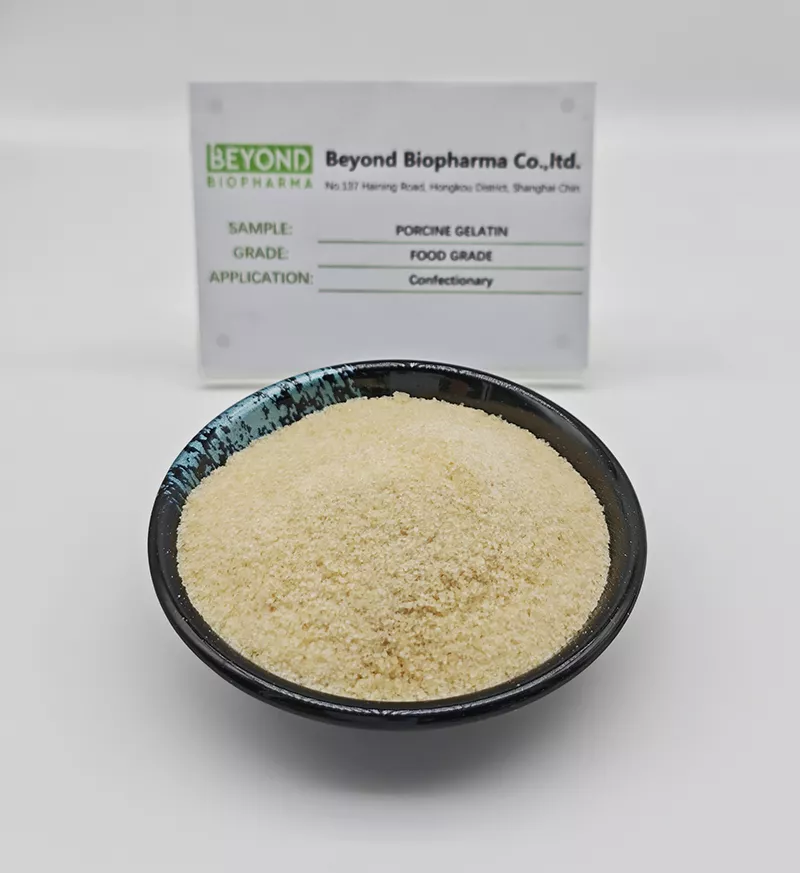
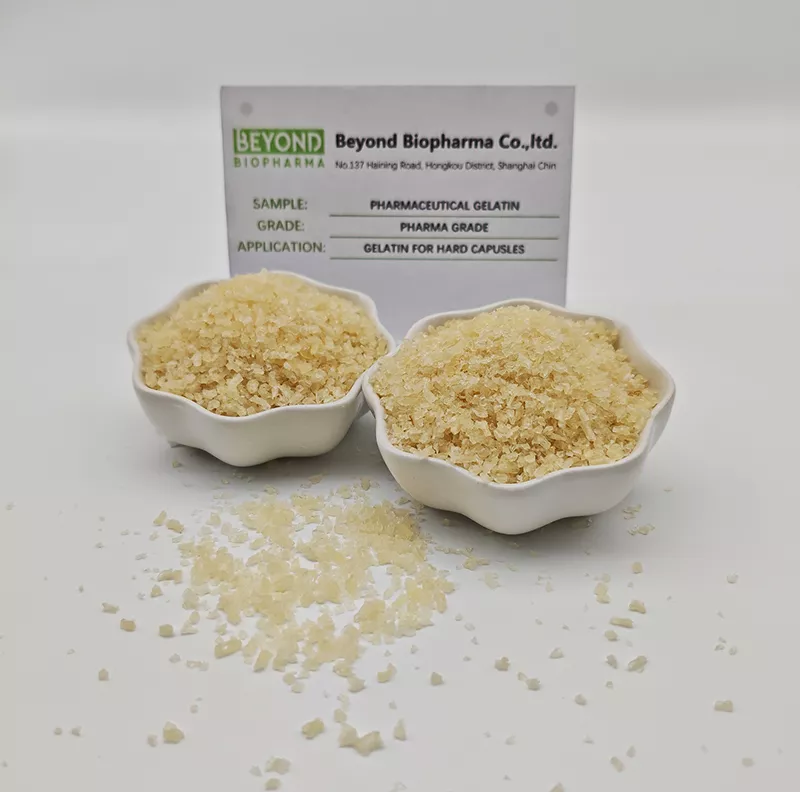
MorePorcine gelatin remains the backbone of the pharmaceutical and nutraceutical encapsulation industry. With consistent bloom values, low viscosity, and exceptional clarity, manufacturers rely on porcine gelatin for two-piece hard capsules, softgels, and tablet coatings. This article answers the top questions buyers ask when sourcing porcine gelatin — covering purity, regulatory compliance, and market positioning.
Porcine gelatin accounts for over 70% of global hard capsule production. Its balanced amino acid profile delivers reliable gel strength (typically 250 bloom) and rapid dissolution in gastric fluids. Unlike bovine sources, porcine gelatin offers a lower melting point (30–34 °C), which reduces the risk of cross-linking during storage. For manufacturers targeting cost efficiency without compromising on pharmaceutical-grade purity, porcine gelatin remains the top-tier choice.
Not all porcine gelatin is equal. Premium pharmaceutical grades require endotoxin levels below 10 EU/g, heavy metals under 10 ppm, and strict BSE/TSE compliance. We source porcine gelatin from USDA-inspected facilities with full traceability. Each batch is tested for viscosity, bloom, and microbial limits per USP/EP monographs. This level of control ensures consistent performance in high-speed capsule filling.
Porcine gelatin holds a strategic advantage in non-halal, non-kosher markets due to its lower cost and superior clarity. While vegan HPMC capsules are growing, they lack the oxygen barrier properties of gelatin. For nutraceutical brands requiring a natural, non-GMO excipient with decades of safety data, porcine gelatin remains the pragmatic workhorse. Our porcine gelatin is also available in 150–300 bloom ranges to match specific fill formulations.
| Parameter | Typical Value | Test Method |
|---|---|---|
| Bloom strength | 250 g (range 150–300) | USP/NF |
| Viscosity (6.67%, 60 °C) | 28–35 mPas | Brookfield |
| pH (1% solution) | 5.5–6.5 | USP |
| Endotoxins | < 10 EU/g | LAL |
| Heavy metals (as Pb) | < 5 ppm | USP/EP |
What is the typical bloom strength of pharmaceutical-grade porcine gelatin?
Pharmaceutical-grade porcine gelatin typically ranges from 150 to 300 bloom, with 250 bloom being the most common for hard capsules. This provides optimal dissolution and mechanical strength.
Is porcine gelatin considered halal or kosher?
Porcine gelatin is not considered halal or kosher. For halal/kosher markets, bovine gelatin from certified sources is the standard alternative. However, porcine gelatin remains widely used in non-restricted global regions due to its consistent quality.
What are the main advantages of porcine gelatin over bovine gelatin?
Porcine gelatin offers a more consistent gel strength, lower viscosity, and clearer color compared to bovine gelatin. It also has a lower melting point, which can be beneficial for certain capsule formulations and reduces the need for plasticizers.
How is porcine gelatin purified for pharmaceutical use?
Pharmaceutical porcine gelatin undergoes multi-stage filtration, enzymatic treatment, and ion exchange to remove impurities, ensuring endotoxin levels below 10 EU/g and heavy metals within USP/EP limits.
We provide you with comprehensive foreign trade solutions to help enterprises achieve global development