English EN


Why Gelatin Powder from Halal or Grass-Fed Sources Matters
Choosing halal or grass-fed gelatin powder ensures purity, better nutrition, and ethical sourcing, meeting health, dietary, and religious standards.
More
Gelatin is more than just a gummy ingredient—it's a protein-rich powerhouse that supports joint health, skin elasticity, and digestion. From bone broth to fruit gummies, these 10 real food sources make it easy to add gelatin to your daily meals. Let's explore how each option fits into a balanced diet, backed by practical tips and nutritional insights.
Simmering chicken, beef, or fish bones for 12–24 hours naturally extracts gelatin into the liquid. A single cup of bone broth can provide about 2–3 grams of gelatin, depending on the bones used. It's a traditional base for soups and stews, and you can sip it warm for a comforting protein boost. For best results, use bones with joints and connective tissue, and add a splash of vinegar to help release the collagen.
Classic fruit jellies and homemade gummy snacks are excellent carriers of gelatin. By mixing unflavored gelatin powder with fruit juice, you create a treat that's low in sugar and high in protein. A standard serving of gelatin dessert (about 1/2 cup) contains roughly 2 grams of protein from gelatin. Look for recipes that use real fruit puree to avoid artificial additives.
Slow-cooked cuts like pork shoulder, beef brisket, or chicken thighs contain natural gelatin in their connective tissues. When braised or stewed, these tissues break down, enriching the dish with collagen. A 3-ounce serving of braised beef shank can offer around 1.5 grams of gelatin. Cooking low and slow is key—aim for at least 2–3 hours at a gentle simmer.
Fish skin, especially from salmon or cod, is rich in type I collagen. Roasting fish skin until crispy creates a snack that delivers about 1 gram of gelatin per ounce. Fish fin and head broths are also traditional in many cuisines, offering a lighter gelatin profile that's easily digestible. This is a great option for those who prefer a non-mammalian source.
Stirring a teaspoon of unflavored gelatin into plain yogurt adds protein without altering the taste. This boosts the protein content by about 2–3 grams per serving. It works well with both dairy and plant-based yogurts, though you'll need to dissolve the gelatin in a small amount of warm water first. For a thicker texture, let it sit in the fridge for 10 minutes before eating.
This Italian dessert relies on gelatin for its silky texture. Made with cream, milk, and a touch of sweetener, a standard 1/2-cup serving contains about 1.5 grams of gelatin. You can reduce sugar by using vanilla extract or fresh fruit toppings. It's a versatile base for adding collagen without extra calories from fat.
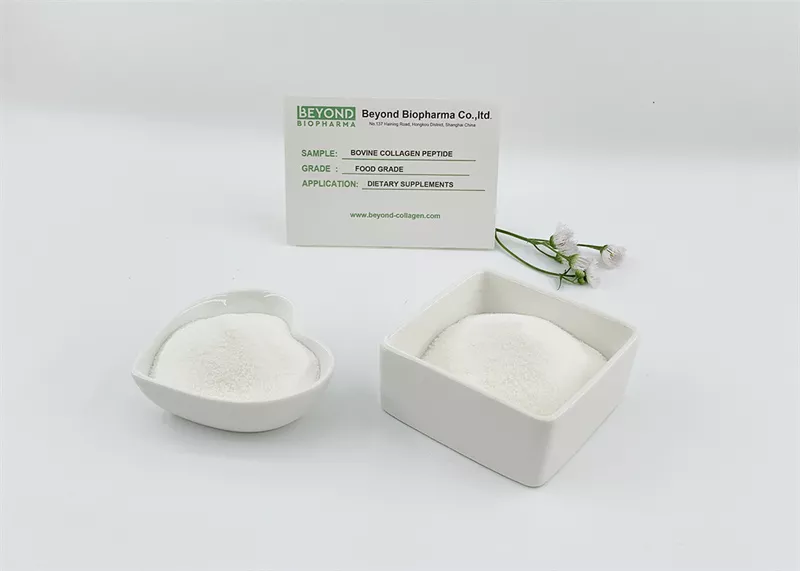
Adding a scoop of hydrolyzed gelatin (collagen peptides) to your morning smoothie is a no-fuss method. Unlike traditional gelatin, this type dissolves in cold liquids and doesn't gel. A typical 10-gram serving provides about 9 grams of protein. Mix it with fruits, spinach, and almond milk for a balanced breakfast that supports skin and joint health.
Many traditional soups, like Vietnamese pho or Chinese hot and sour soup, use gelatin-rich broth as a base. The natural gelatin from bones thickens the soup slightly and adds body. A bowl of pho can contain up to 3 grams of gelatin, especially if the broth is simmered for several hours. This is a savory way to incorporate gelatin without extra effort.
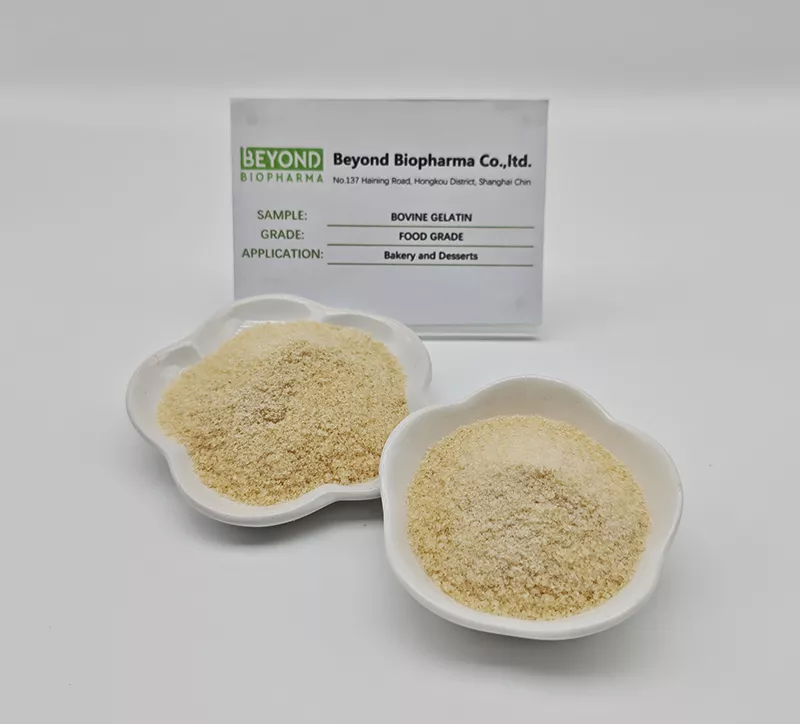
You can blend gelatin powder into bread, muffins, or pancake batter for a protein lift. Use about 1 tablespoon per cup of flour—this adds roughly 3 grams of protein per serving without affecting texture. It's especially useful in gluten-free baking, where gelatin helps improve structure and moisture retention.
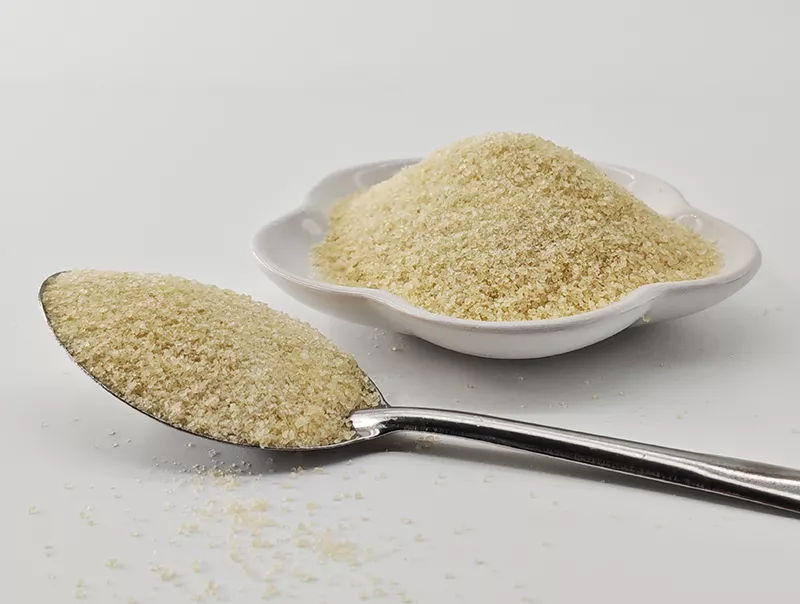
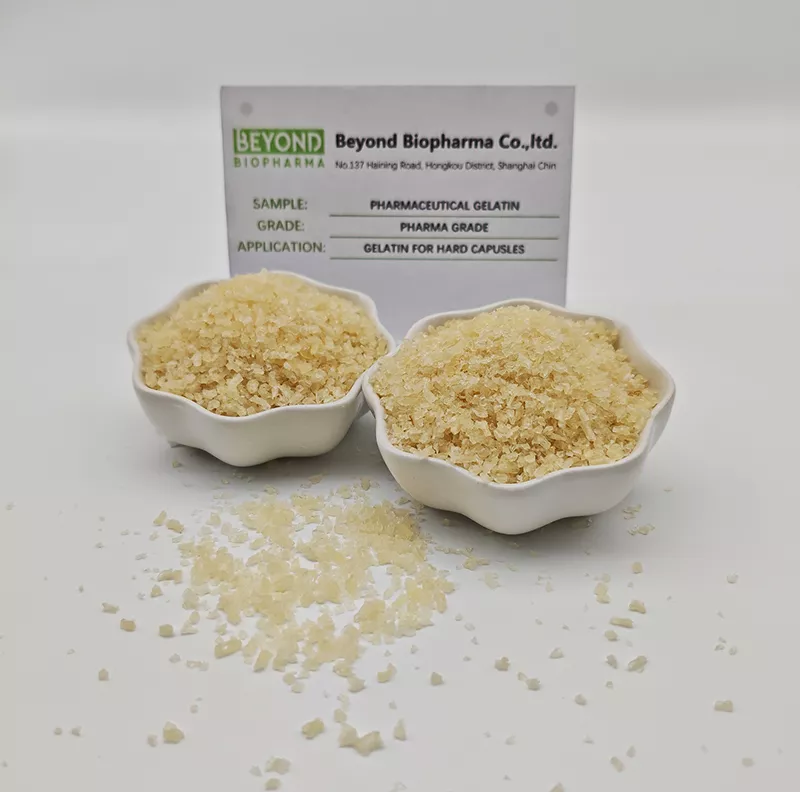
For a concentrated dose, consider high-quality gelatin powders or capsules from reputable brands. Look for products that are grass-fed, BSE-free, and third-party tested. A standard serving of bovine gelatin powder (about 10 grams) provides 8–9 grams of protein. Always check labels for purity—avoid fillers or artificial flavors. For example, pharmaceutical-grade bovine bone gelatin is a reliable option for those seeking consistent quality.
Final Thoughts
Incorporating gelatin into your diet doesn't require drastic changes. Whether you're sipping bone broth, enjoying a fruit jelly, or adding collagen to your smoothie, each source offers unique benefits. Start with one or two options that fit your routine, and gradually expand as you discover what works best for your body. Consistency is more important than quantity—small, regular additions can make a meaningful difference over time.


We provide you with comprehensive foreign trade solutions to help enterprises achieve global development
The High-Performance Barrier for Core Material Protection and Controlled Release.
20 years experiences, 5000 ton/year capacity, Sustained supply with stable quality
Precision, Purity, and Optimal Machinability
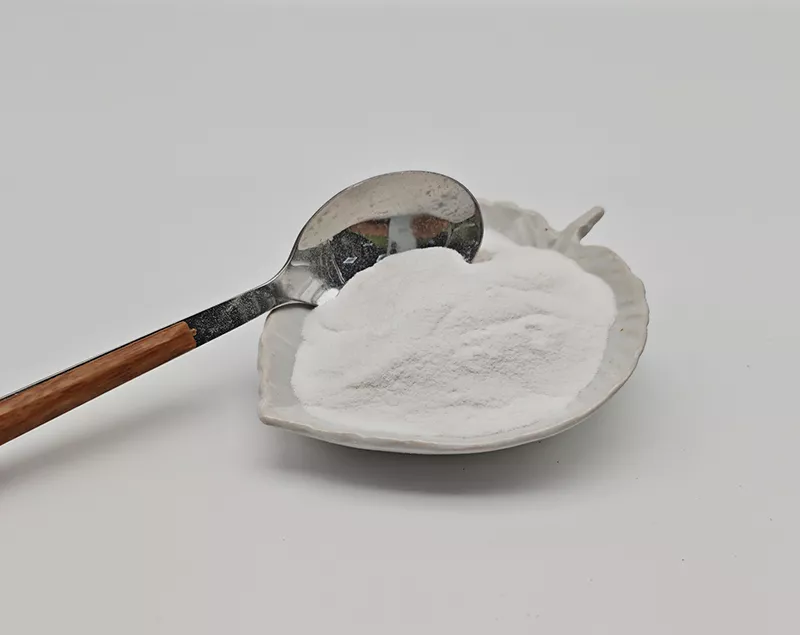
Fish Gelatin for foods is increasingly recognized as the premium alternative to traditional mammalian sources, meeting the growing global demand for clean-label ingredients that align with diverse dietary and religious requirements. Derived from the skin and scales of fish like cod and tilapia, fish gelatin offers unique functional benefits that make it an exceptional gelling, stabilizing, and texturizing agent.
Tel:+86 21 65010906
Cell/Whatsapp/Wechat:
+86 13482884055
+86 18657345785
Email: sales@beyondbiopharma.com