English EN


Bovine Collagen Peptide or Whey Protein Which Boosts Energy Bars Best
Bovine collagen peptide boosts energy bars with high protein, digestibility, and texture, making it a top choice over whey protein for wellness and recovery.
More

Collagen peptide serums have become a staple in daily skincare routines, and for good reason. This article takes a practical look at what a collagen peptide serum actually does for the skin, how its hydrating and anti-aging mechanisms work at a biochemical level, what the research says about topical peptide absorption, and how to use such a serum sensibly alongside other products. If you are weighing whether this type of product deserves a place on your shelf, the details below should help you decide with clear eyes rather than marketing hype.
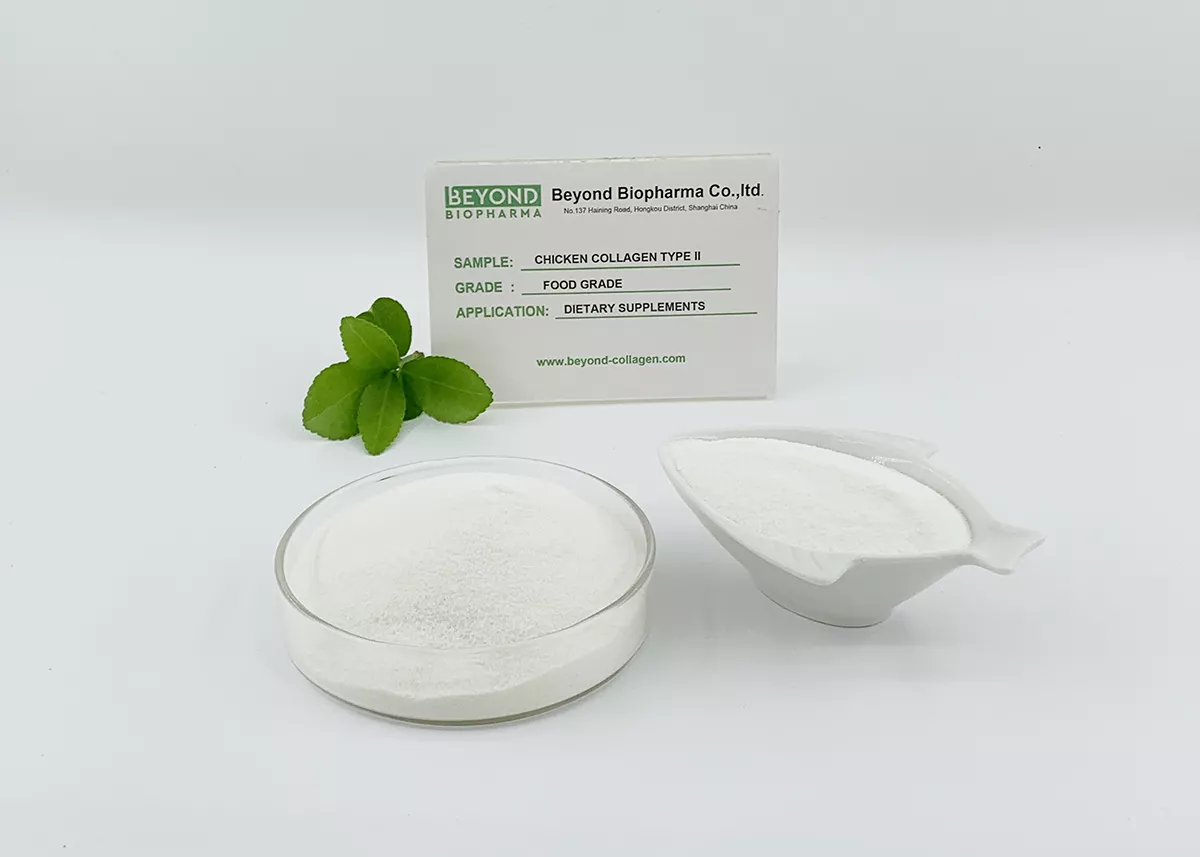
Collagen is the most abundant structural protein in human skin, making up roughly 70 to 80 percent of the dermis by dry weight. As we age, endogenous collagen production declines by about 1 percent per year after the mid-twenties, and the existing collagen network becomes more fragmented. A collagen peptide serum delivers hydrolyzed collagen fragments, typically small peptides in the 1,000 to 5,000 Dalton range, suspended in a water-based vehicle with humectants and often additional actives.
The key distinction is between collagen peptides and native collagen. Native collagen molecules are far too large to penetrate the stratum corneum. Hydrolyzed peptides are smaller, and certain di- and tripeptides such as prolyl-hydroxyproline have been studied for their ability to interact with skin cells. That said, penetration remains partial and the effect is best understood as signaling and surface hydration rather than wholesale replacement of dermal collagen. Products built on well-characterized peptide fractions, such as those described in this overview of undenatured collagen type II, tend to be more transparent about their molecular profile, which is a useful quality marker when comparing formulas.
Hydration in a peptide serum comes from two cooperating layers. First, humectants such as glycerin, sodium hyaluronate, and betaine draw water into the upper epidermis. Second, collagen peptides themselves are hygroscopic and form a lightweight film on the skin surface that slows transepidermal water loss. This film is not occlusive in the way petrolatum is, so it feels breathable, but it does measurably reduce moisture escape over several hours.
Clinical work on collagen peptide fragments has reported improvements in skin moisture content within two to four weeks of twice-daily use, with corneometer readings rising in the range of 10 to 25 percent depending on formulation and baseline skin condition. These are modest but real numbers, and they align with the experience most users report: skin feels plumper and less tight shortly after application, and fine dehydration lines soften over time. It is worth noting that hydration and barrier support are closely linked, and peptide fractions derived from other protein sources, such as rice protein peptide, are also being explored for similar moisture-retention properties in cosmetic formulations.
The anti-aging story for topical collagen peptides rests on three plausible pathways. First, certain peptides act as signaling molecules that may stimulate fibroblast activity, encouraging the cells that produce collagen and elastin to keep working. Second, antioxidant co-actives often included in these serums, such as vitamin C derivatives or niacinamide, help limit oxidative stress from UV and pollution. Third, improved hydration itself reduces the appearance of fine lines, since dehydrated skin accentuates every crease.
What the evidence does not support is the idea that a serum can rebuild deep dermal collagen the way a dermatological procedure might. Independent reviews of topical peptide research consistently describe effects as incremental and cumulative, visible over eight to twelve weeks of consistent use. Elasticity measurements in published studies have shown improvements in the range of 5 to 15 percent, and wrinkle depth reductions are typically described as subtle. That is a fair expectation to hold: a good serum supports skin health and slows visible aging, but it is a maintenance tool, not a transformation.
Order of application matters more than most people think. A water-based peptide serum belongs on clean, slightly damp skin, before richer creams and always before sunscreen in the morning. Two to three drops are enough for the full face and neck; more product does not increase absorption and can cause pilling under makeup. Give it thirty to sixty seconds to settle before layering the next product.
Pairing is where results compound. A peptide serum works well with vitamin C in the morning and with retinoids at night, though it is wise to introduce retinoids gradually to avoid irritation that undercuts the hydrating benefit. Sunscreen remains non-negotiable, because UV exposure degrades collagen faster than any serum can support it. For those also interested in ingestible collagen support, the quality standards applied to cosmetic-grade peptides are similar to those used for bovine collagen peptide for energy bar products, where molecular weight and purity directly affect how well the material is utilized.
A well-made collagen peptide serum lists its peptide source and, ideally, the molecular weight range. Vague claims like "collagen complex" without any specification are a yellow flag. Look for a short, readable ingredient list where the peptide appears near the top, supported by proven humectants. Preservative systems should be appropriate for a water-based product, and packaging should be opaque or airless to protect actives from light and oxygen.
Fragrance is a personal choice, but fragrance-free formulas are generally safer for sensitive or reactive skin. If a brand publishes third-party testing data on moisture retention or elasticity, that is a meaningful signal of confidence in the product. The same principle applies across the peptide category: transparency about raw material specifications, such as the standards referenced for soybean oligopeptide powder, is what allows formulators and consumers alike to judge quality rather than guess at it.
A hydrating collagen peptide serum suits almost any skin type, but it delivers the most visible value for people in their late twenties onward who are starting to notice dryness, dullness, and early fine lines. It is also a sensible entry point for anyone who finds retinoids or acids too irritating, since peptides are among the gentlest actives available. Oily skin types often prefer lightweight peptide serums over heavy creams, and combination skin can use them selectively.
The honest bottom line: this category of product is a reliable, low-risk way to keep skin hydrated and supported, with modest anti-aging benefits that build over months. It will not replace professional treatments, and results depend heavily on consistency and sun protection. Used as part of a simple, well-ordered routine, a collagen peptide serum earns its place, and that is a more useful conclusion than any promise of dramatic overnight change.


We provide you with comprehensive foreign trade solutions to help enterprises achieve global development
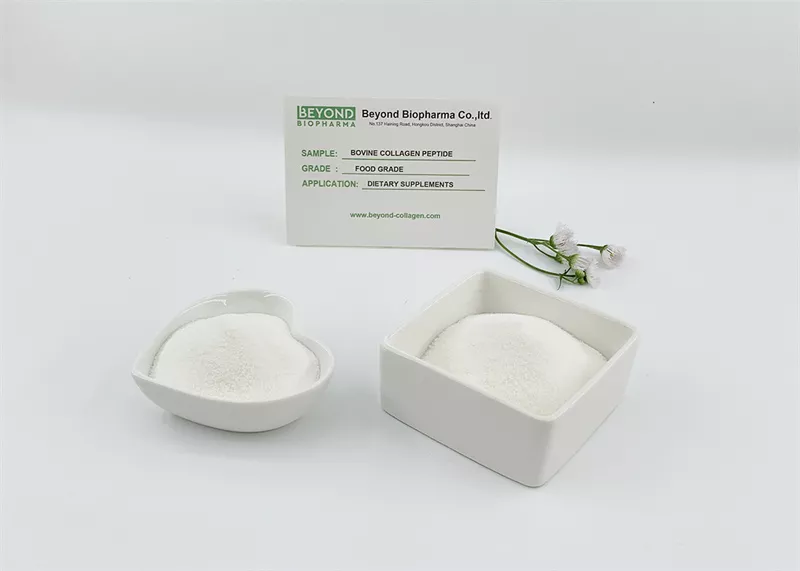
Manufacturer of bovine collagen peptide, shipping in containers all around the world
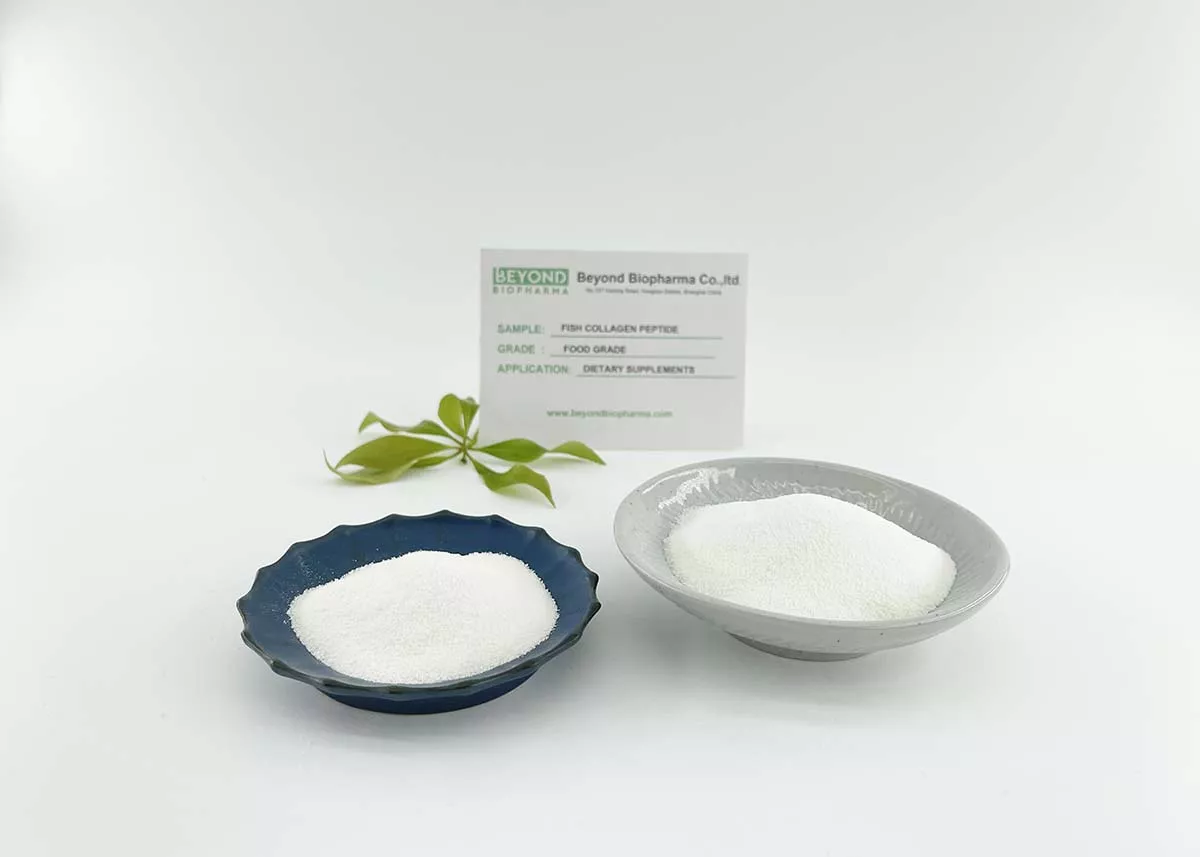
Premium marine-sourced collagen peptides with >90% protein content and low molecular weight (1000-3000 Da) for superior bioavailability. Sustainably sourced, neutral taste, and fully soluble—ideal for nutricosmetics and functional foods.
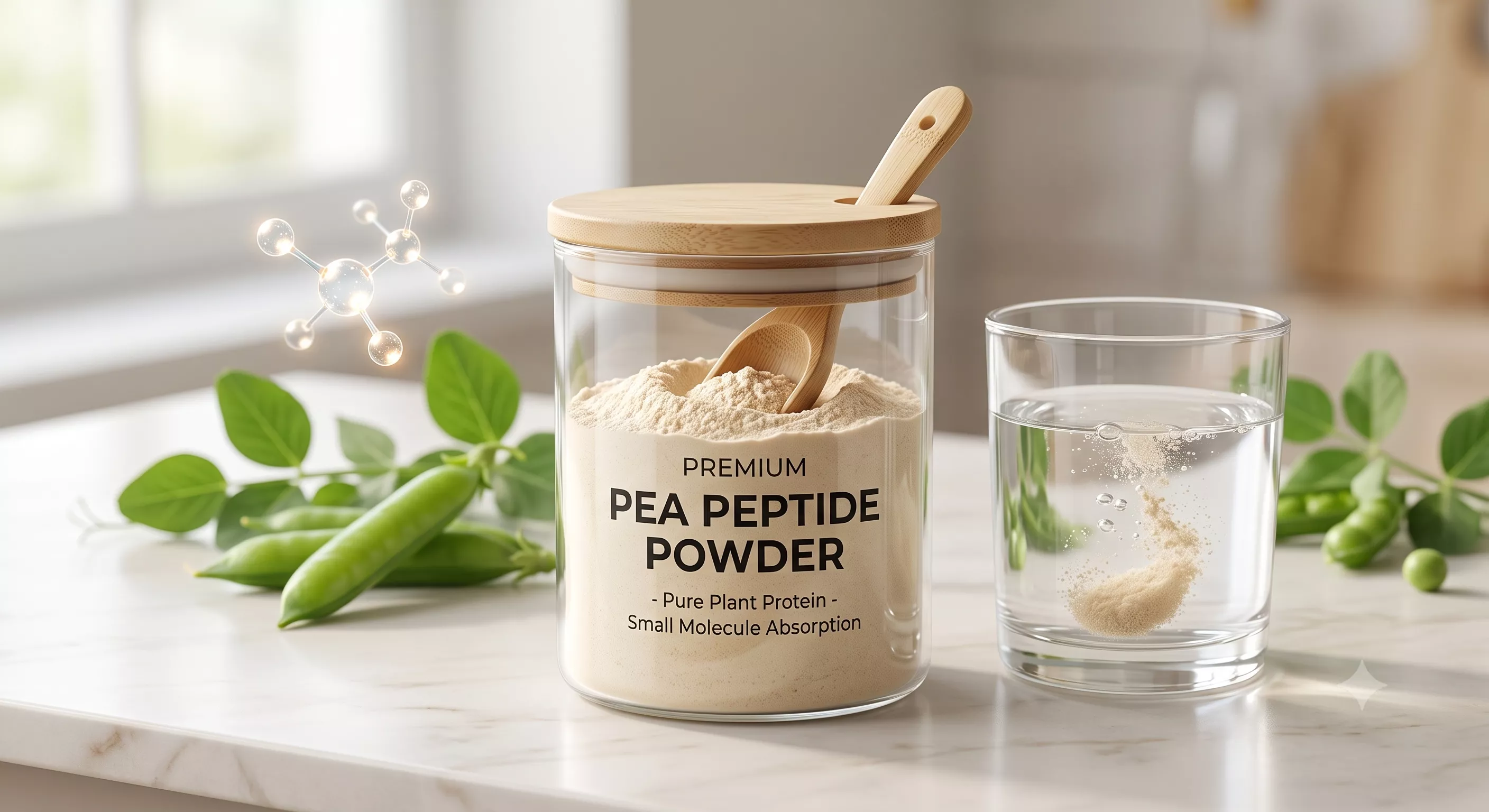
Source high-purity, hypoallergenic hydrolyzed pea peptide powder in bulk. Complete water solubility, rich in BCAAs, ideal for vegan recovery formulas.
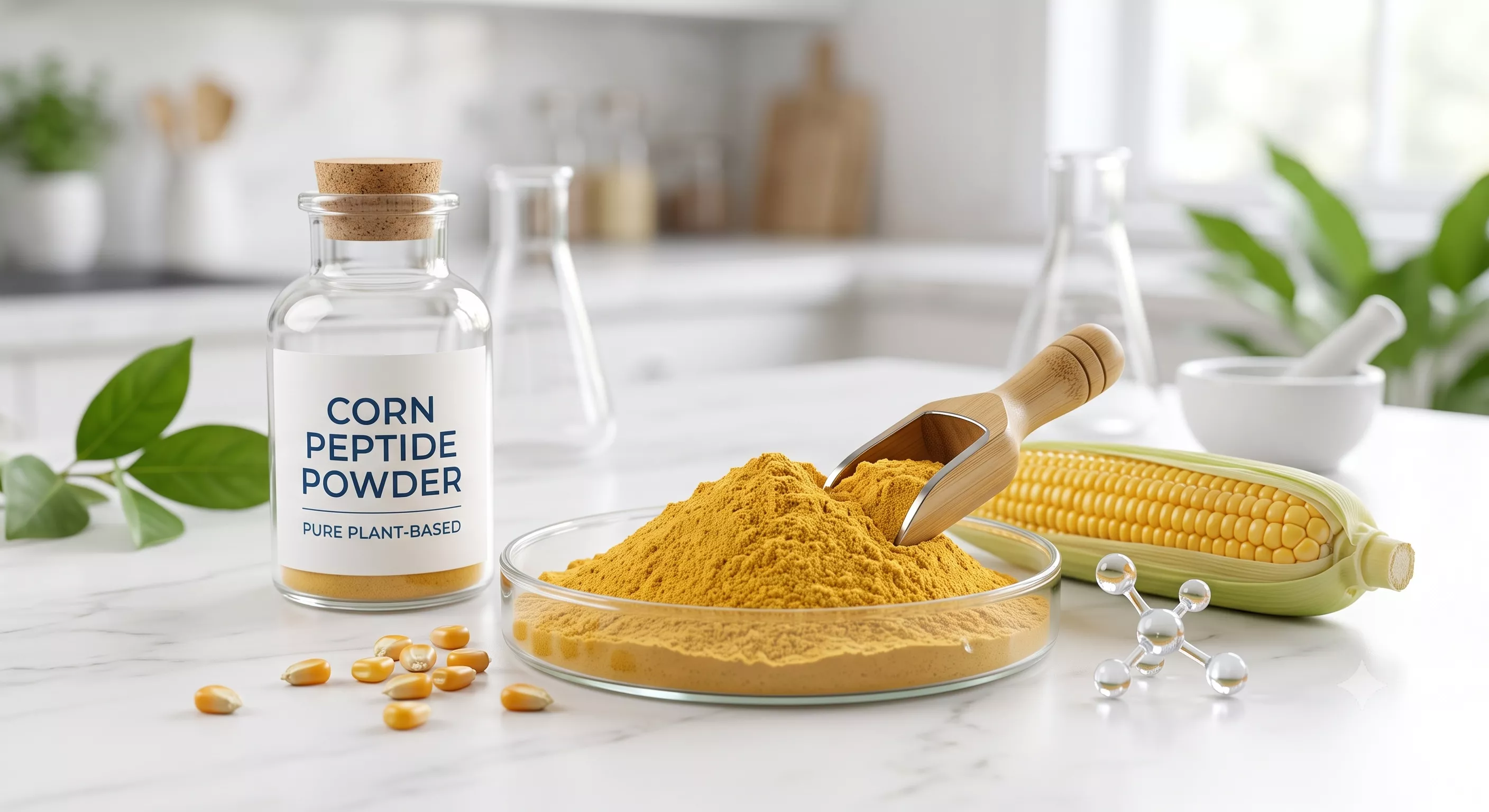
Source high-purity wholesale hydrolyzed corn protein peptide powder in bulk. Over 85% oligopeptides under 1000 Da. Rich in Alanine and Leucine for liver support and sobriety formulas.
Tel:+86 21 65010906
Cell/Whatsapp/Wechat:
+86 13482884055
+86 18657345785
Email: sales@beyondbiopharma.com