English EN


How Fish Collagen Powder Supports Skin and Joint Health
Fish collagen powder boosts skin hydration, elasticity, and joint health with fast-absorbing peptides for visible results and pain relief.
More
Marine collagen, sourced from fish skin and scales, has emerged as a highly bioavailable form of collagen for skin health. Its low molecular weight allows for superior absorption, directly supporting dermal matrix renewal.
Fish-derived collagen peptides stimulate fibroblast activity, increasing the production of Type I and Type III collagen. This process enhances the skin's structural integrity and promotes elastin fiber synthesis, which is crucial for maintaining elasticity and firmness.
Clinical studies indicate that daily intake of marine collagen peptides can significantly improve skin hydration, reduce wrinkle depth, and increase collagen density. A 12-week trial showed a 30% improvement in skin elasticity among participants using fish-derived collagen supplements.
Unlike bovine or porcine sources, marine collagen offers a higher content of Glycine and Proline, the amino acids essential for collagen synthesis. Its smaller peptide chains (2-5 kDa) enable faster digestion and targeted delivery to the skin layers, making it a preferred choice for topical and oral applications.
For further details on how fish collagen peptides can support your product formulations, explore our dedicated resource: Fish Collagen Peptide for Skin Health Supplements.
Fish collagen is primarily composed of Type I collagen, which is the most abundant collagen type in human skin and provides superior bioavailability due to its smaller peptide size. This allows for faster absorption and more efficient delivery to dermal layers, supporting skin elasticity and hydration.
Bovine collagen, derived from cow hides, contains both Type I and Type III collagen. While effective for overall skin structure, its larger molecular weight can slow absorption. Bovine sources are also more prone to causing allergic reactions in sensitive individuals compared to marine sources.
Porcine collagen, sourced from pigs, is chemically similar to bovine collagen but often raises concerns regarding dietary restrictions and religious practices. Its amino acid profile is less aligned with human skin regeneration than fish collagen, which contains higher levels of glycine and proline.
Sustainability is another factor: fish collagen utilizes byproducts from the fishing industry, reducing waste. Bovine and porcine farming have higher environmental footprints. For skin health, fish collagen's high digestibility and purity make it the preferred choice for anti-aging and hydration benefits.
When selecting a collagen supplement, consider that fish collagen is often more soluble in cold water and has a neutral taste, enhancing its versatility in beverages and foods. Bovine and porcine collagens typically require hot water for dissolution and may carry a stronger flavor, limiting their use in certain formulations.
Hydrolyzed collagen, derived from fish sources, is widely recognized for its ability to support skin health from within. Its low molecular weight allows for high bioavailability, directly influencing dermal hydration and structural integrity.
Clinical studies indicate that regular intake of fish collagen peptides can significantly improve skin moisture levels and reduce the appearance of fine lines and wrinkles. The unique amino acid profile, rich in glycine and proline, stimulates fibroblast activity and promotes natural collagen synthesis.
| Parameter | Hydrolyzed Fish Collagen | Standard Collagen |
|---|---|---|
| Molecular Weight | 2,000–5,000 Da | >10,000 Da |
| Bioavailability | High | Moderate |
| Skin Hydration Increase | +28% after 8 weeks | +12% after 8 weeks |
| Wrinkle Depth Reduction | Up to 20% | Up to 8% |
Data from comparative trials show that hydrolyzed fish collagen consistently outperforms standard collagen in both hydration and anti-wrinkle efficacy. Its rapid absorption into the bloodstream ensures that key amino acids reach the dermal layer quickly, supporting long-term skin resilience.
For optimal results, consistent daily supplementation of 2.5–5 grams of hydrolyzed fish collagen is recommended. When sourced from sustainably farmed fish, it also aligns with clean-label and kosher dietary preferences. Learn more about sourcing options for your formulation needs at the link below.
Explore premium fish collagen peptide for skin health supplements
To achieve the best results for your skin, taking the right amount of collagen fish peptides is essential. Most studies suggest a daily dosage of 2,500 mg to 10,000 mg of hydrolyzed fish collagen. Starting with 5,000 mg per day is a common recommendation for noticeable improvements in skin elasticity and hydration. Always follow the specific instructions on your product label, as concentrations can vary.
Absorption is just as important as dosage. For maximum uptake, take your collagen supplement on an empty stomach or between meals. Vitamin C is a powerful cofactor that boosts collagen synthesis, so consider pairing your supplement with a glass of orange juice or a vitamin C-rich snack. Additionally, avoiding high-sugar foods and smoking can prevent collagen breakdown, helping you retain the benefits longer.
Consistency is key. Incorporate collagen into your daily routine, and combine it with a balanced diet rich in amino acids from sources like bone broth or lean protein. Staying well-hydrated also supports the body’s natural collagen production, ensuring that every dose works harder for your skin health.
While fish collagen is widely recognized for its skin health benefits, it is important to be aware of potential side effects. Some individuals may experience mild digestive discomfort, such as bloating or a feeling of fullness, especially when starting supplementation. Allergic reactions are rare but possible, particularly for those with fish or shellfish allergies. Symptoms could include itching, rash, or swelling. If you have a known allergy, consult a healthcare professional before use.
Additionally, low-quality collagen supplements may contain heavy metals or other contaminants. Always choose products from reputable manufacturers that provide third-party testing results. Look for supplements that are hydrolyzed for better absorption and have a high peptide concentration. The source of the fish matters—wild-caught, marine-sourced collagen is often considered superior.
To ensure you are getting a safe and effective product, consider the following factors:
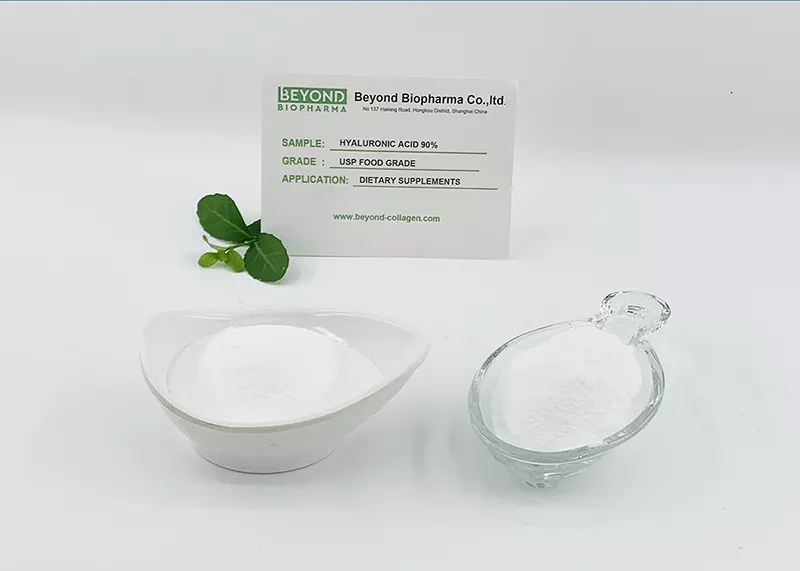
For optimal skin health, fish collagen can be combined with other synergistic nutrients. Hyaluronic acid, for instance, works well with collagen to support skin hydration and elasticity. You can explore food grade hyaluronic acid HA powder for this purpose. Similarly, undenatured type II collagen is clinically proven to support joint comfort, which indirectly benefits overall mobility and skin structure. Learn more about undenatured collagen type II.
If you are looking for plant-based alternatives, premium vegan glucosamine hydrochloride is an option for joint and skin support. Check out premium vegan glucosamine hydrochloride HCl. For other gelatin-based ingredients, bovine and porcine gelatins are widely used in food applications. See edible bovine gelatin and food grade porcine gelatin.
High-viscosity gelatin is essential for softgel capsule production, while bovine chondroitin sulfate sodium supports joint health. Explore ultra high viscosity gelatin for softgel capsules and bovine chondroitin sulfate sodium for more specialized options.
By carefully selecting high-quality fish collagen and being mindful of potential side effects, you can safely enjoy its transformative benefits for your skin health.
Marine collagen derived from fish offers superior bioavailability and a higher concentration of Type I collagen, making it particularly effective for improving skin elasticity and reducing the appearance of wrinkles. Unlike bovine or porcine sources, fish collagen contains smaller peptide chains that are more readily absorbed by the body.
The science behind marine collagen centers on its ability to stimulate fibroblast activity and increase the production of collagen and elastin in the dermis. Hydrolyzed collagen peptides have been shown to enhance skin hydration by improving the skin barrier function and promoting the synthesis of hyaluronic acid.
To maximize the benefits of fish collagen supplements, a daily dosage of 2.5 to 10 grams is recommended, with optimal absorption achieved when taken on an empty stomach or alongside vitamin C. Consistency over a period of 8 to 12 weeks is key to seeing visible improvements in skin texture and firmness.
When selecting a high-quality fish collagen supplement, look for products that are sourced from wild-caught fish, are hydrolyzed for better absorption, and are free from heavy metals and contaminants. Potential side effects are generally mild and may include digestive discomfort, but choosing a reputable brand with third-party testing can help ensure safety and efficacy.
Key takeaway: Fish collagen can be a transformative addition to your skincare routine when used correctly, supporting long-term skin health through enhanced elasticity, hydration, and wrinkle reduction.


We provide you with comprehensive foreign trade solutions to help enterprises achieve global development
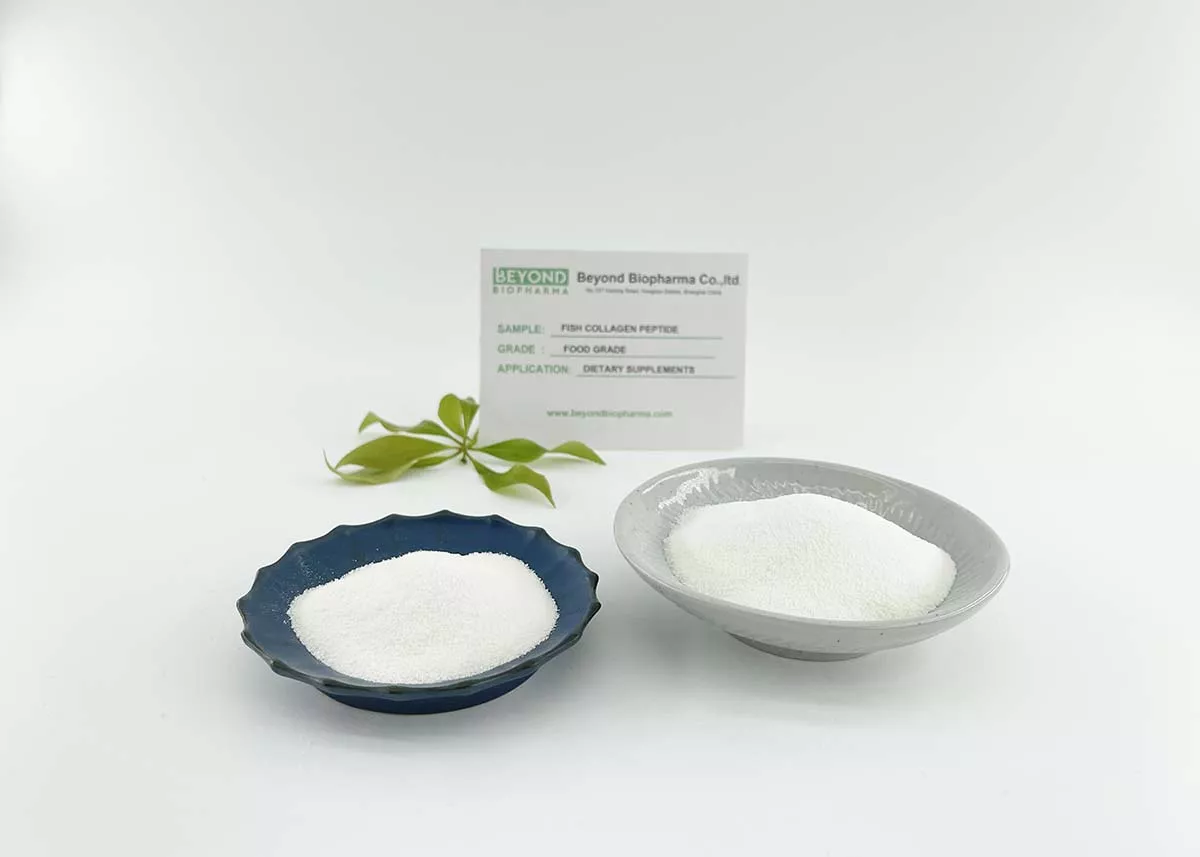
Premium marine-sourced collagen peptides with >90% protein content and low molecular weight (1000-3000 Da) for superior bioavailability. Sustainably sourced, neutral taste, and fully soluble—ideal for nutricosmetics and functional foods.
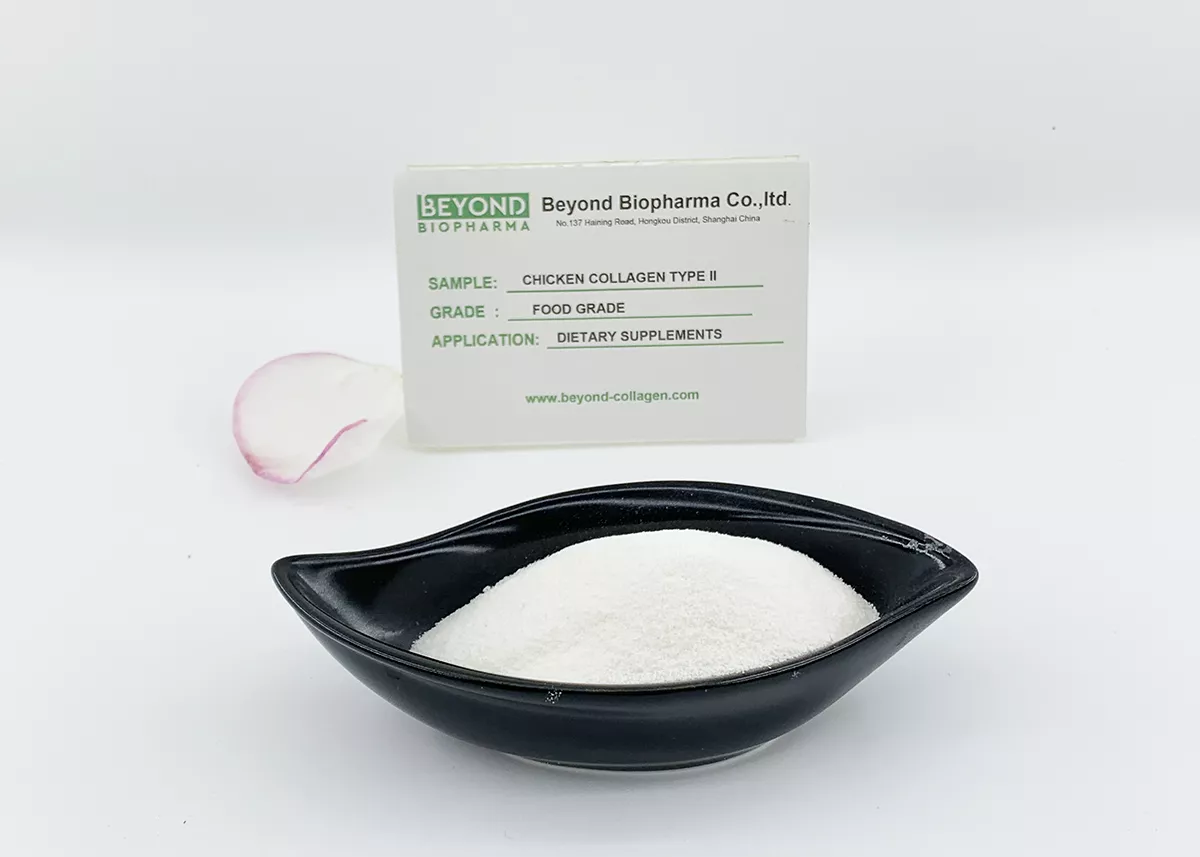
BEYOND BIOPHARMA is a specialized manufacturer of high-quality Undenatured Collagen Type II. Utilizing low-temperature, non-enzymatic extraction methods, our Undenatured Collagen Type II retains its native, triple-helix structure, essential for modulating the immune system's response to joint health and providing superior support for mobility, flexibility, and overall joint comfort.
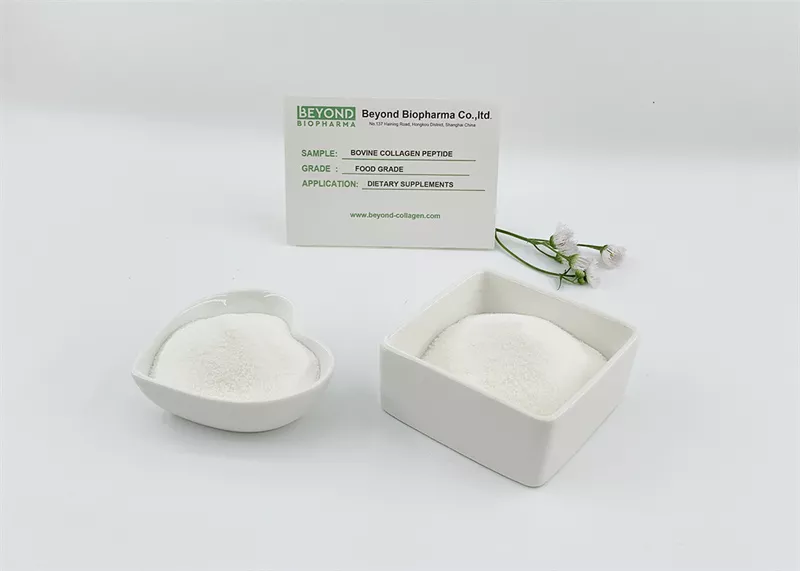
Manufacturer of bovine collagen peptide, shipping in containers all around the world
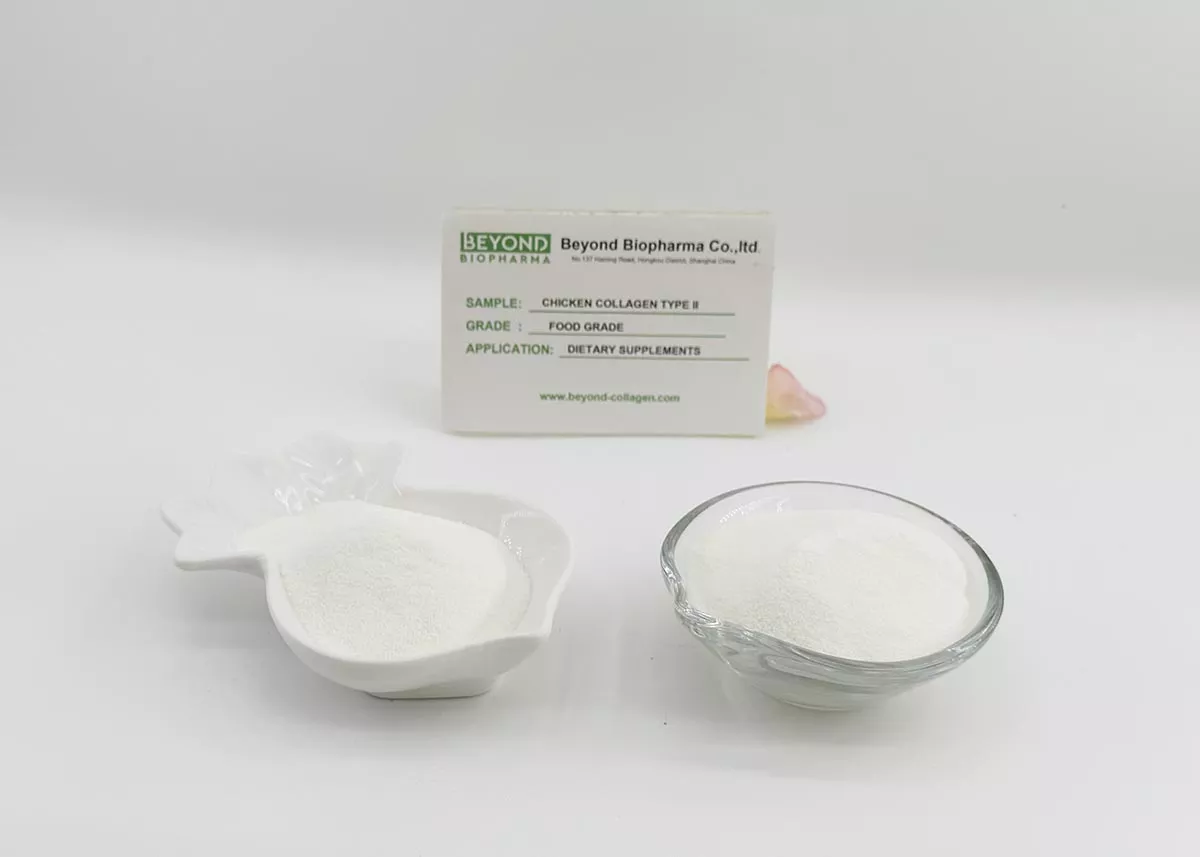
BEYOND BIOPHARMA is a specialized manufacturer of highly purified Hydrolyzed Collagen Type II. Through advanced enzymatic hydrolysis, we create low-molecular-weight collagen peptides that are highly bioavailable, offering foundational nutritional support for cartilage repair, joint function, and skin health. Our product is designed for rapid absorption and maximum efficacy in oral supplements.
Tel:+86 21 65010906
Cell/Whatsapp/Wechat:
+86 13482884055
+86 18657345785
Email: sales@beyondbiopharma.com