 English EN


What is Pharma Gelatin and Why Does It Matter in Pharmaceuticals
Pharma gelatin is a purified protein excipient vital for safe, stable capsules and tablets in pharmaceuticals, ensuring medicine quality and effectiveness.
More
Sourcing Type A porcine gelatin that delivers consistent bloom, low odor, and reliable batch-to-batch performance is a common challenge for food and pharma buyers. This article breaks down its production, key specs, and application-specific selection criteria to help you make informed purchasing decisions.
When you are sourcing Type A porcine gelatin for gummies, softgels, or pharmaceutical capsules, the biggest pain point is often batch consistency. Variations in bloom strength, viscosity, or odor can derail production and compromise final product quality. Understanding how this ingredient is made and what parameters matter most helps you avoid costly surprises.
Type A porcine gelatin is derived from pig skin through an acid hydrolysis process. Unlike Type B gelatin (alkaline-processed from bovine hides or bones), the acid process preserves more of the natural collagen structure, resulting in a gelatin with a lower isoelectric point (pH 7–9) and distinct functional characteristics. The production involves cleaning, acid treatment, extraction at controlled temperatures, filtration, concentration, drying, and milling. The result is a water-soluble protein with excellent gelling, thickening, and stabilizing properties.
In application, Type A porcine gelatin performs reliably in gummy confections, marshmallows, dairy products, and as a binder in pharmaceutical tablets and capsules. Its gel strength, measured in Bloom grams, determines firmness. Viscosity affects mouthfeel and processing ease. Mesh size influences dissolution rate. These parameters are tightly controlled by manufacturers like Beyond Biopharma to ensure consistency.
The table below lists common specification ranges for Type A porcine gelatin. These are typical industry values; final specs should always be verified against the Certificate of Analysis (COA) from your supplier.
| Parameter | Typical Range | Notes |
|---|---|---|
| Bloom Strength | 50–300 g | 150–260 Bloom common for pharma/gummies |
| Viscosity | 2.0–5.5 mPa·s | Affects gel texture and processing |
| Mesh Size | 8–60 | Finer mesh dissolves faster |
| Moisture | ≤14% | Standard for shelf stability |
| pH | 4.5–6.5 | Type A characteristic range |
Note: These are typical industry ranges; final values per COA / sample.
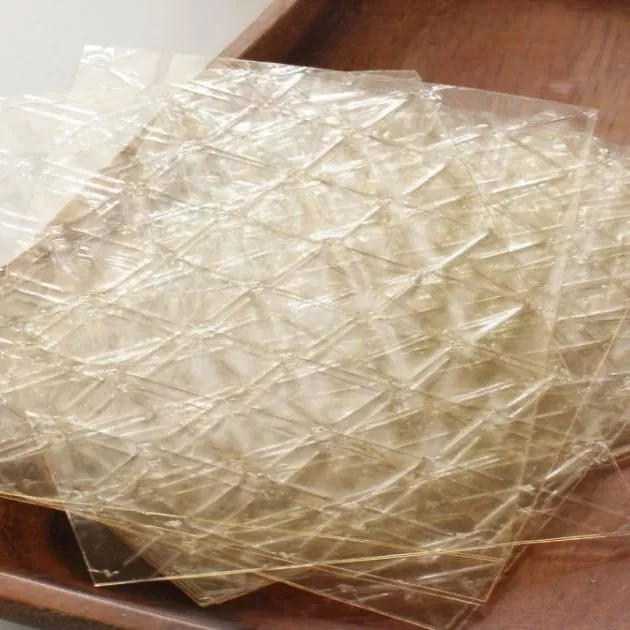
Choosing the right grade of Type A porcine gelatin depends on your end product. Here is a breakdown by industry:
Beyond Biopharma, based in Shanghai, China, has over 10 years of experience in the food-ingredient industry. We export Type A porcine gelatin and other collagen products to more than 50 countries. Our facility has an annual capacity of approximately 5,000 MT of gelatin and 3,000 MT of collagen peptides. We operate a fully automatic production line with GMP clean workshops, stainless-steel sealed piping, and automated temperature/pH control.
We hold ISO 9001 certification, are US FDA registered, and maintain a GMP clean workshop. Select products carry Halal and Kosher certifications (e.g., fish gelatin). Our bovine bone gelatin is BSE-free. An in-house lab performs heavy-metal and microbiological testing, supported by a dedicated QA/QC team. We offer three grades: food, pharmaceutical, and cosmetic. Free samples and formulation support are available.
Type A gelatin is produced via acid hydrolysis, typically from pig skin, with an isoelectric point of pH 7–9. Type B uses alkaline hydrolysis, usually from bovine sources, with an isoelectric point around pH 4.8–5.2. Type A generally has higher bloom and better clarity, making it preferred for gummies and softgels.
Porcine gelatin is not halal or kosher by default. However, Beyond Biopharma offers Halal and Kosher certified fish gelatin as an alternative. For porcine gelatin, always verify with your supplier if specific religious dietary certifications are available.
For standard gummy candies, a bloom of 200–260 g is typical. Higher bloom (250–300 g) gives a firmer texture, while lower bloom (150–200 g) yields a softer gel. Your choice depends on desired chewiness and processing conditions.
Low odor is a quality marker. Choose a supplier that uses advanced deodorization during processing. Beyond Biopharma’s food-grade porcine gelatin is processed to minimize off-notes. Always request a sample and perform a sensory test before bulk ordering.
No, porcine gelatin is animal-derived. For vegan or plant-based applications, consider plant protein peptides such as pea, rice, or soy hydrolysates. Beyond Biopharma offers plant protein peptide options for allergen-free and vegan formulations.
Key certifications include ISO 9001, US FDA registration, GMP compliance, and if needed, Halal or Kosher. Also verify BSE-free status for bovine alternatives. Always request a COA for each batch to confirm bloom, viscosity, microbiological purity, and heavy-metal limits.
Ready to source consistent, high-quality Type A porcine gelatin for your next project? Contact Beyond Biopharma with the following details so we can send you free samples and a tailored quote:
We provide formulation and selection support to help you find the right match. Our team is ready to assist with bulk supply and custom OEM needs.

We provide you with comprehensive foreign trade solutions to help enterprises achieve global development
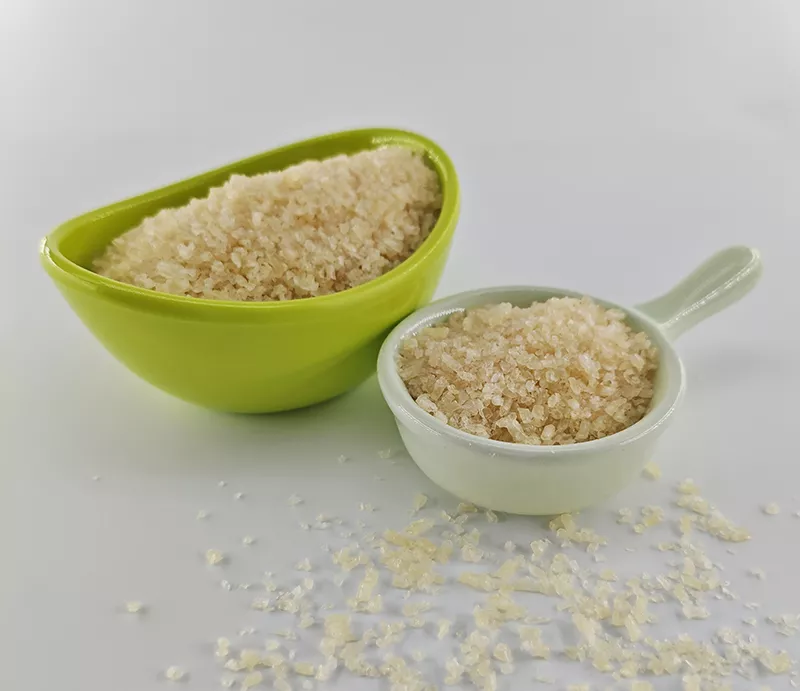
Stability, Swallowing Enhancement, and Controlled Release
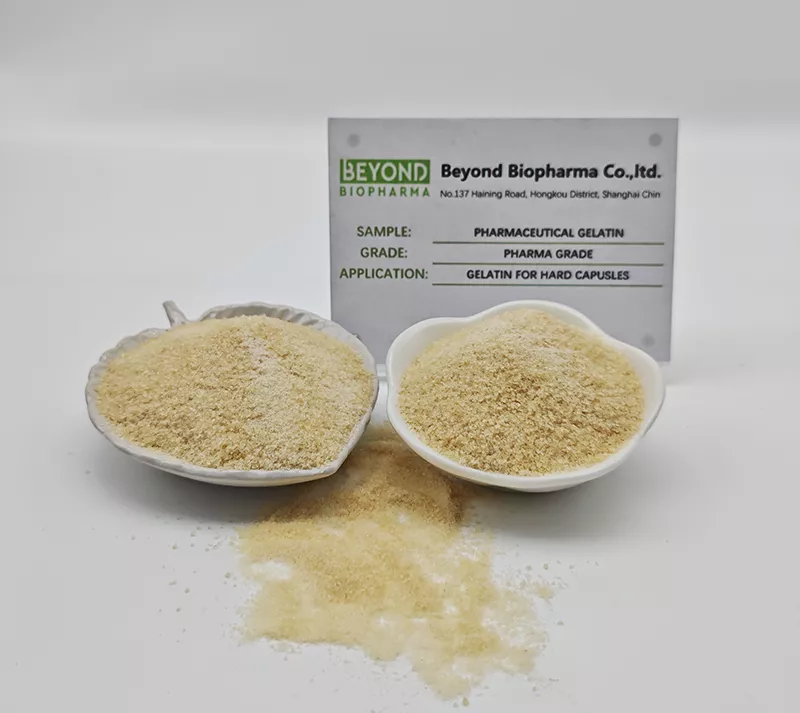
The high-strength and rapid-setting characteristics of Bovine Bone Gelatin ensure it forms a stable, uniform, and durable shell that preserves the integrity of the active pharmaceutical ingredient (API).
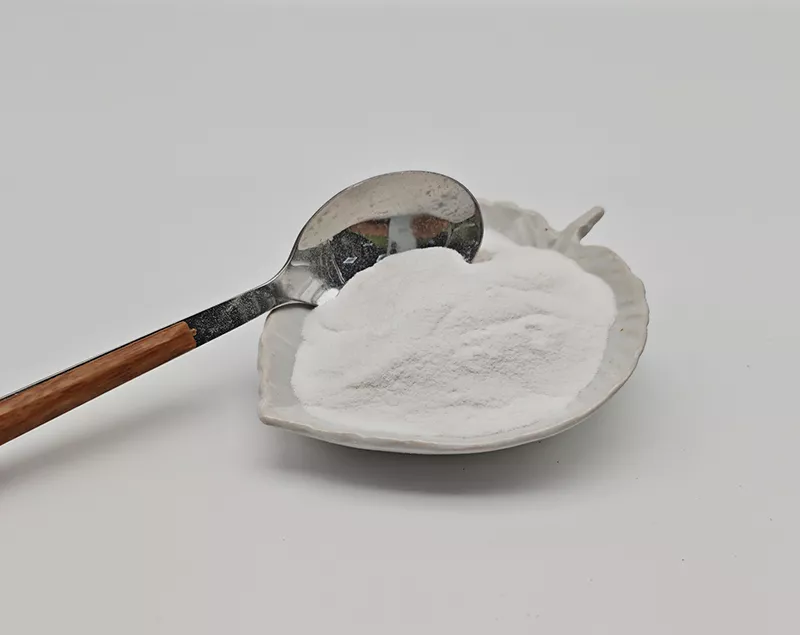
Fish Gelatin for foods is increasingly recognized as the premium alternative to traditional mammalian sources, meeting the growing global demand for clean-label ingredients that align with diverse dietary and religious requirements. Derived from the skin and scales of fish like cod and tilapia, fish gelatin offers unique functional benefits that make it an exceptional gelling, stabilizing, and texturizing agent.
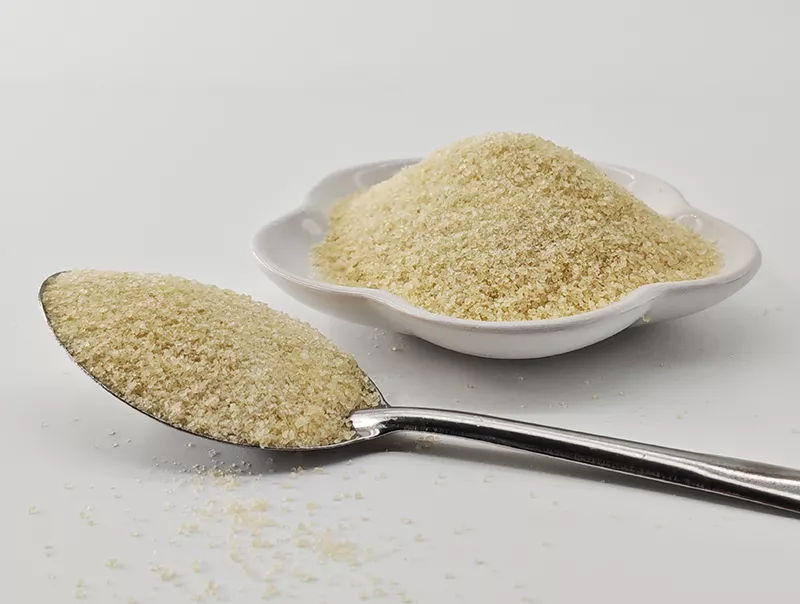
The High-Performance Barrier for Core Material Protection and Controlled Release.
Select the most popular foreign trade service products to meet your diverse needs
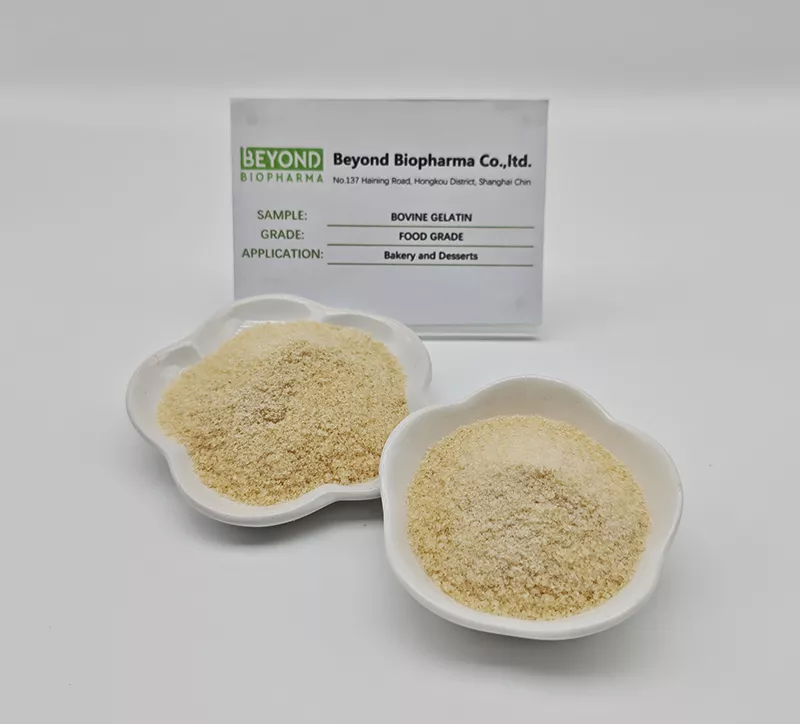
20 years experiences, 5000 ton/year capacity, Sustained supply with stable quality
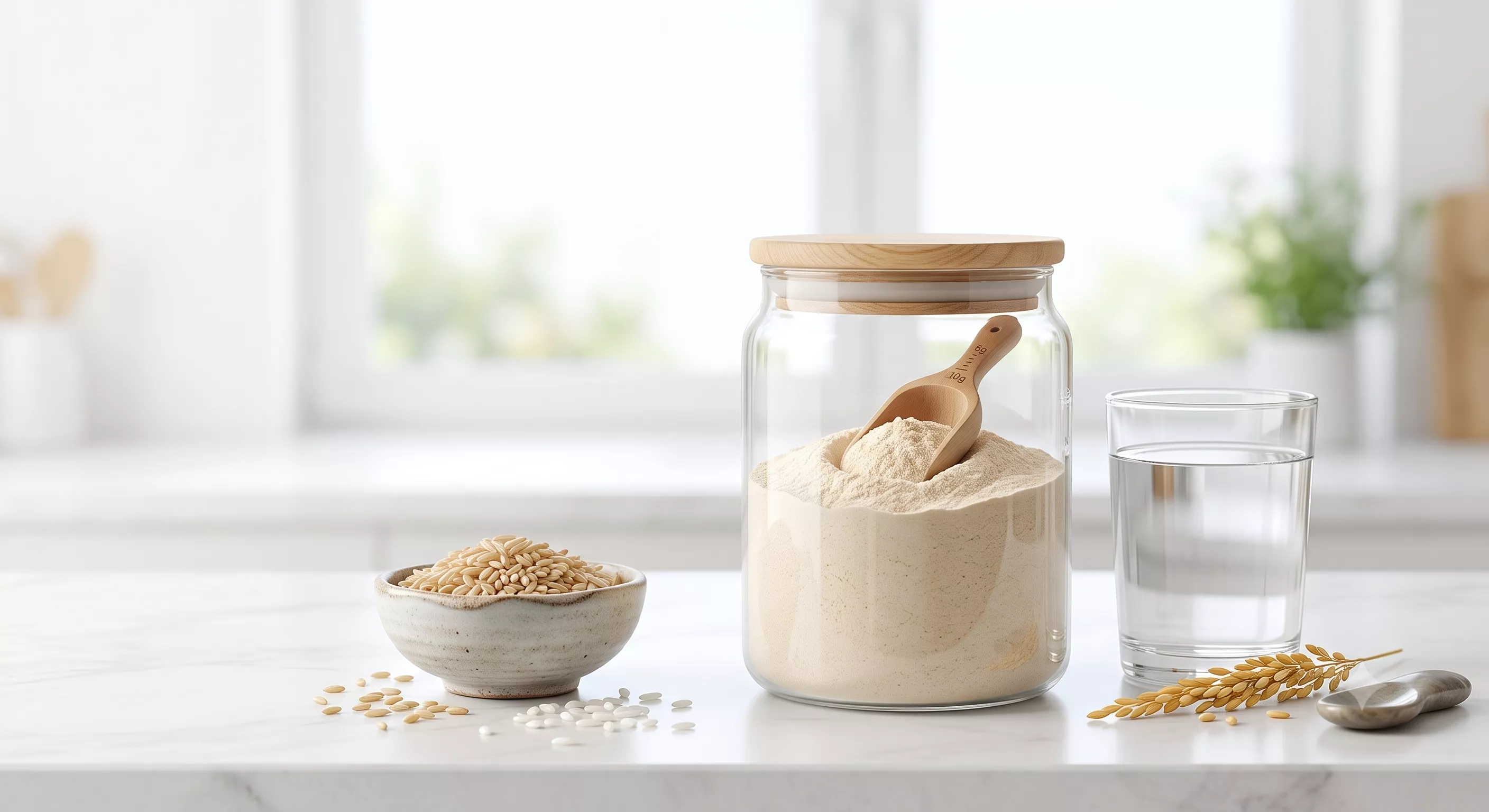
Source ultra-pure, 100% water-soluble wholesale hydrolyzed rice protein peptide in bulk. Over 85% molecules under 1000 Da. Ideal for infant nutrition, clean-label sports formulas, and sensitive skincare.
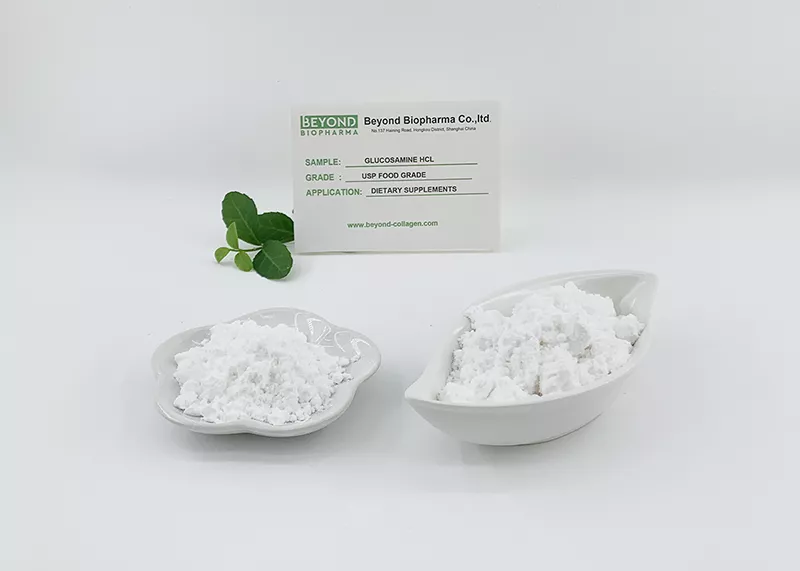
The Purest Plant-Based Joint Support Solution
Tel:+86 21 65010906
Cell/Whatsapp/Wechat:
+86 13482884055
+86 18657345785
Email: sales@beyondbiopharma.com





User Comments
Service Experience Sharing from Real Customers
Mike
Senior Formulation ChemistI’ve been sourcing gelatin for capsule shells for years, and this type A porcine batch is consistently high-bloom and low-viscosity. Dissolves cleanly at 40°C with no clumping. Our production yield went up 3% since switching.
Linda
R&D Pastry ChefUsed it to stabilize a marshmallow creme prototype. Set time was predictable and the mouthfeel is silky without being rubbery. Only gave 4 stars because the particle size is a bit coarse for my bench scale, but it’s fine after a quick grind.
Tom
Biomedical Engineering TechnicianWe needed a sterile-grade porcine gelatin for a wound dressing scaffold. This lot passed our endotoxin test with flying colors and the gel strength was within spec. No funny smell after autoclaving either. Will reorder.
Rachel
Home Soap & Cosmetic CrafterI make small-batch jelly masks for friends. This gelatin works fine for a basic gel base, but it doesn’t seem as clear as the last brand I used. Also had a faint animal odor that I had to mask with fragrance. Decent for the price though.