 English EN


How Bovine and Marine Collagen Peptides Differ in Benefits and Uses
Bovine collagen peptide supports joints and muscles, while marine collagen boosts skin and hair. Compare benefits, uses, and absorption for your needs.
More
Purchasing managers and product developers in the nutraceutical space often face a common pain point: finding a native type II collagen supplier that delivers batch-to-batch consistency, low odor, and the right certifications. Without a reliable partner, formulations risk variability in solubility, efficacy, and regulatory compliance. This article helps you evaluate suppliers and understand how to integrate this ingredient into your product line.
Native type II collagen is a form of collagen sourced from chicken sternum cartilage. Unlike hydrolyzed collagen, it is not broken down into small peptides. Instead, it retains its triple-helix structure, which is key for its mechanism of action. When consumed orally, it interacts with gut-associated lymphoid tissue (GALT) to promote immune tolerance and reduce inflammation in joint tissues. This process supports joint comfort and mobility without the side effects of traditional pain relievers.
The production of native type II collagen involves gentle processing to preserve the native structure. Enzymatic hydrolysis is avoided, and low-temperature drying is used. This ensures the protein remains undenatured, which is essential for bioactivity. Typical molecular weight for this ingredient is higher than collagen peptides, often above 10,000 Da, but specific values depend on the supplier's process.
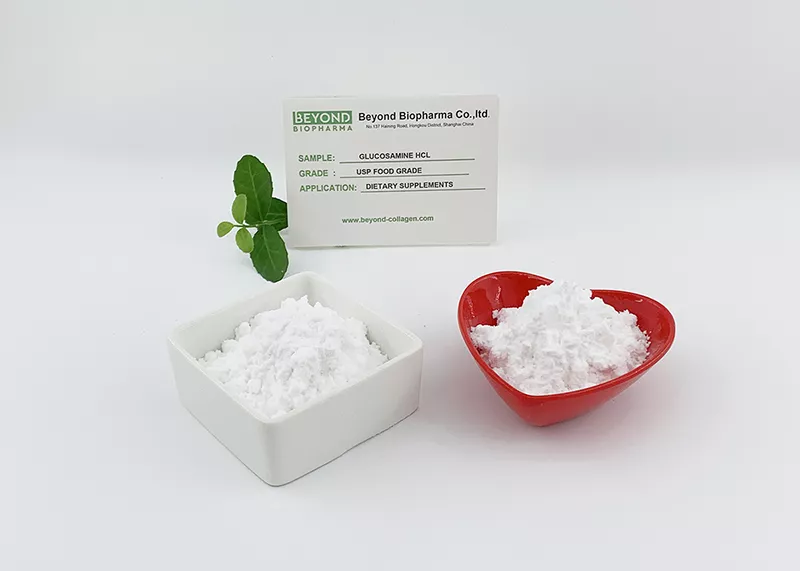
When evaluating a supplier, you need to check key parameters. Below is a table of common industry ranges for native type II collagen. Note that these are generic values; always request a Certificate of Analysis (COA) from your supplier for exact numbers.
| Parameter | Typical Industry Range | Notes |
|---|---|---|
| Protein Content | ≥ 60% | Varies by source and processing |
| Moisture | ≤ 8% | Low moisture ensures stability |
| Ash | ≤ 5% | Indicates mineral content |
| Heavy Metals | Complies with USP/EP | Typically lead ≤ 1 ppm, arsenic ≤ 1 ppm |
| Microbiological | TPC ≤ 1000 CFU/g | Yeast & mold ≤ 100 CFU/g |
Typical industry range; final values per COA / sample. Always verify with your supplier's documentation.
Native type II collagen is primarily used in joint health supplements. It is often combined with other ingredients like bovine chondroitin sulfate sodium and glucosamine HCl for a comprehensive joint support formula. Here is how to choose the right grade for your application:
Beyond Biopharma is a Shanghai-based manufacturer with over 10 years of experience in the food-ingredient industry. We export to 50+ countries and produce approximately 3,000 MT of collagen and 5,000 MT of gelatin annually. Our facility features fully automatic production lines, GMP clean workshops, and stainless-steel sealed piping with automated temperature and pH control. We hold ISO 9001 certification, are US FDA registered, and select products carry Halal or Kosher certifications. Our bovine bone gelatin is BSE-free. In-house labs conduct heavy-metal and microbiological testing, supported by a dedicated QA/QC team. We offer free samples and formulation support across food, pharmaceutical, and cosmetic grades.
Q: What is the difference between native type II collagen and hydrolyzed collagen?
Native type II collagen retains its triple-helix structure and is not broken down into peptides. Hydrolyzed collagen is enzymatically processed into smaller peptides for easier absorption. Native type II works through immune modulation, while hydrolyzed collagen supports skin and joint health via direct incorporation into tissues.
Q: Is native type II collagen suitable for vegetarians or vegans?
No, native type II collagen is sourced from chicken sternum cartilage, making it unsuitable for vegetarian or vegan diets. For plant-based alternatives, consider our premium vegan glucosamine hydrochloride HCl or plant protein peptides.
Q: How do I verify the quality of a native type II collagen batch?
Request a Certificate of Analysis (COA) from your supplier. Key parameters include protein content, moisture, ash, heavy metals, and microbiological counts. For native type II, also ask for a test confirming the undenatured state, such as ELISA or SDS-PAGE.
Q: What is the typical dosage for native type II collagen in supplements?
Typical dosages range from 40 mg to 80 mg per day, often taken once daily. Clinical studies have used 40 mg of undenatured type II collagen for joint comfort. Always follow your formulator's guidance and consult relevant regulations.
Q: Can native type II collagen be used in gummies or softgels?
Yes, but it requires careful formulation. For gummies, the powder must be fine and well-dispersed. For softgels, it can be suspended in oil or other carriers. Our standardized gelatin sheets can help with consistent gel formation in gummy applications.
Q: What certifications should I look for in a native type II collagen supplier?
Look for ISO 9001, FDA registration, and GMP compliance. If targeting specific markets, Halal or Kosher certifications are important. Beyond Biopharma offers these for select products, and our bovine bone gelatin is BSE-free. Always verify certifications with the supplier.
If you are looking for a reliable native type II collagen supplier, we invite you to contact Beyond Biopharma. To help us serve you best, please provide the following information in your inquiry: your intended application (food, pharmaceutical, or cosmetic), required grade, estimated quantity or MOQ, target specifications (such as mesh size, protein content, or certifications needed), and destination country. We will send you free samples and a competitive quote. Our team is ready to support your product development with formulation guidance and bulk supply.
Choosing the right native type II collagen supplier is a strategic decision for your product line. With Beyond Biopharma's manufacturing capabilities, quality certifications, and global experience, you can build a joint health product that meets the highest standards of efficacy and safety.

We provide you with comprehensive foreign trade solutions to help enterprises achieve global development
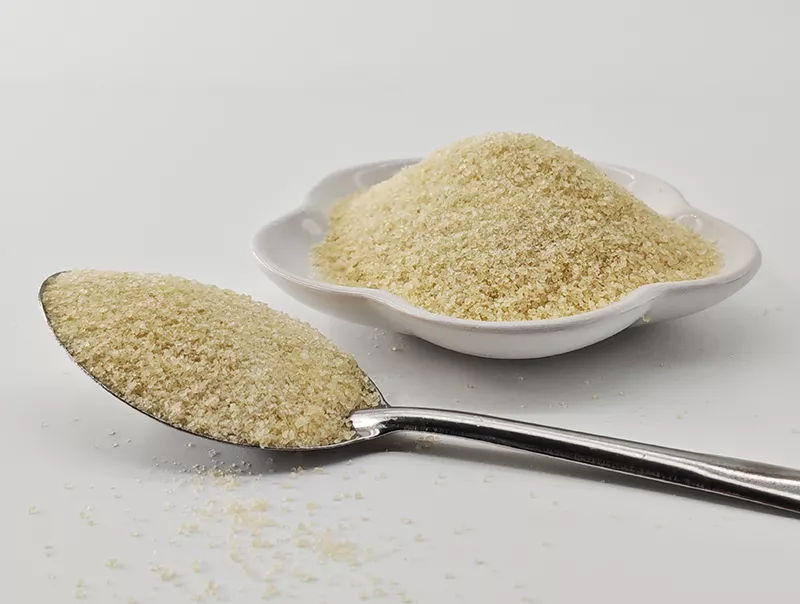
The High-Performance Barrier for Core Material Protection and Controlled Release.
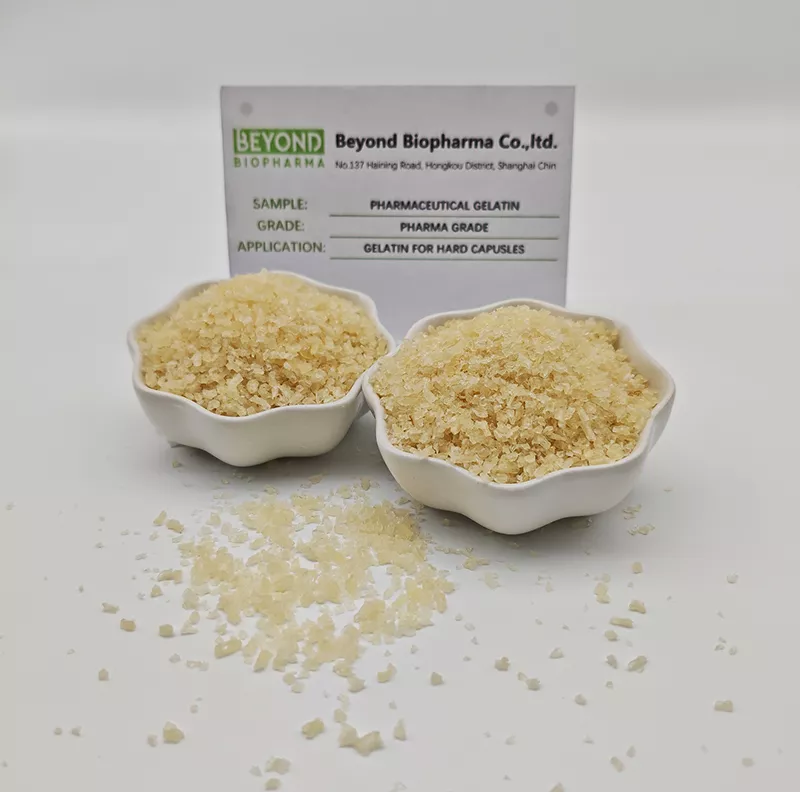
Precision, Purity, and Optimal Machinability
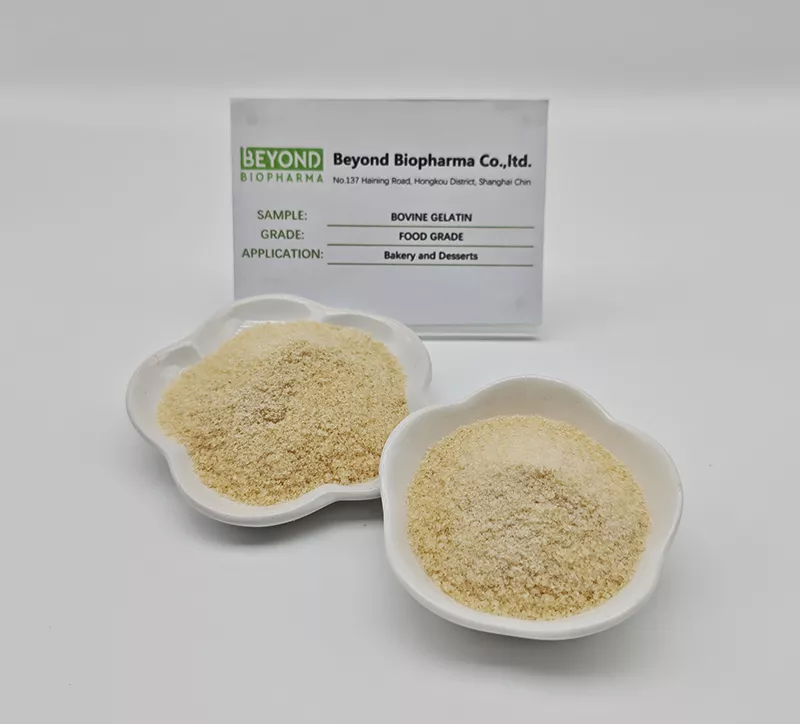
20 years experiences, 5000 ton/year capacity, Sustained supply with stable quality
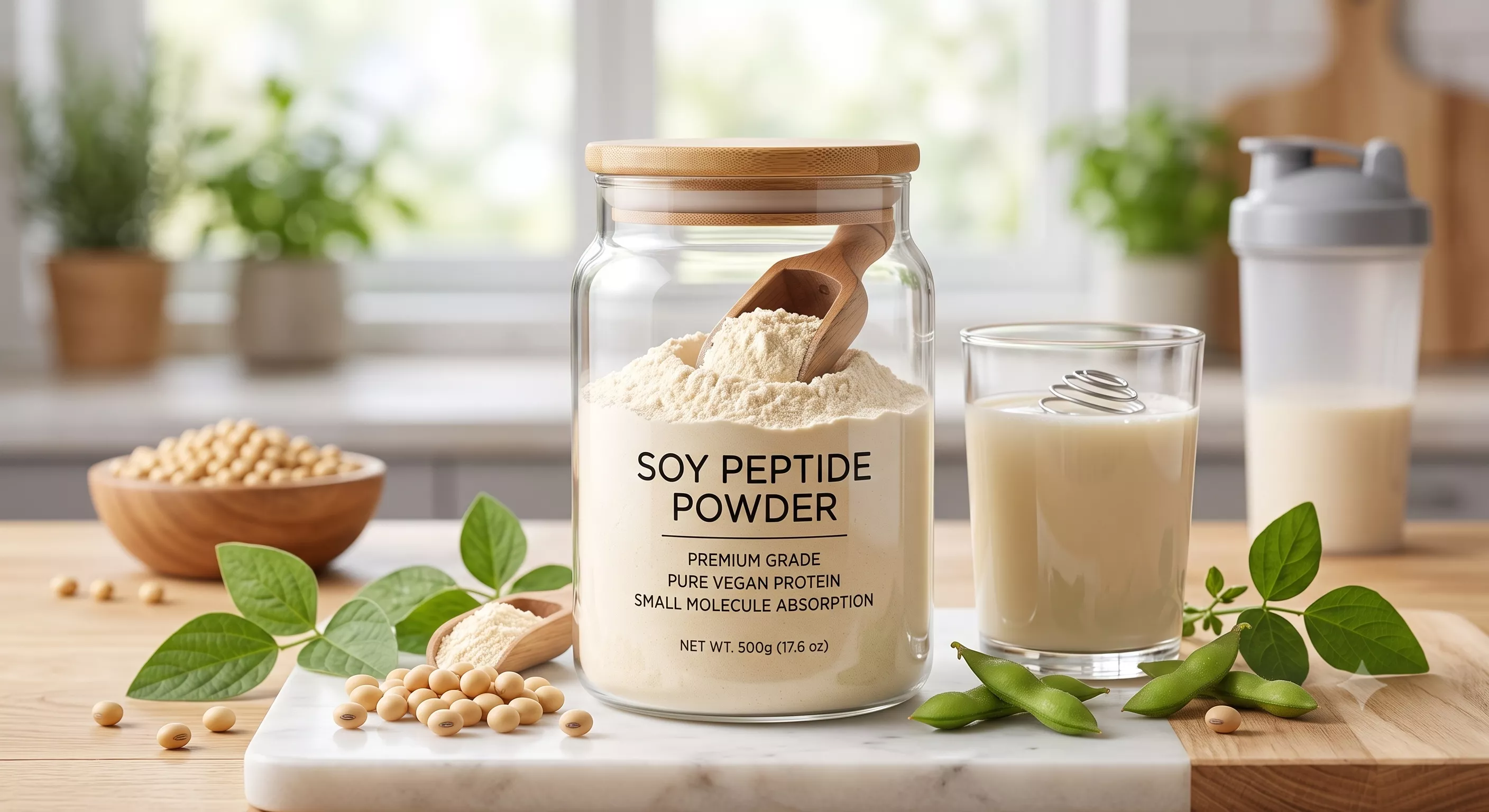
Source ultra-pure, non-GMO hydrolyzed soybean oligopeptide powder in bulk. Complete water solubility, over 80% peptides under 1000 Da. Ideal for sports nutrition and immune recovery formulas.
Select the most popular foreign trade service products to meet your diverse needs
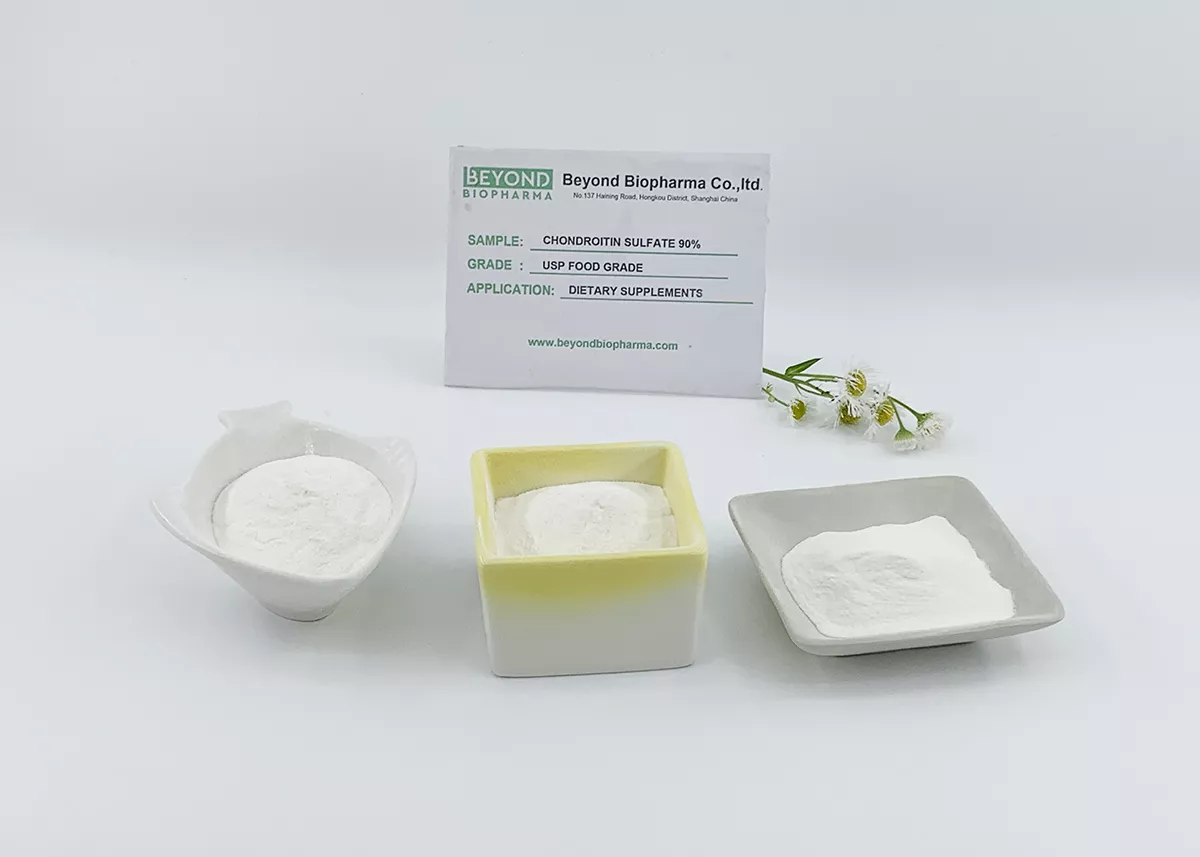
High Purity and Efficacy for Joint Health Formulations
The High-Performance Barrier for Core Material Protection and Controlled Release.
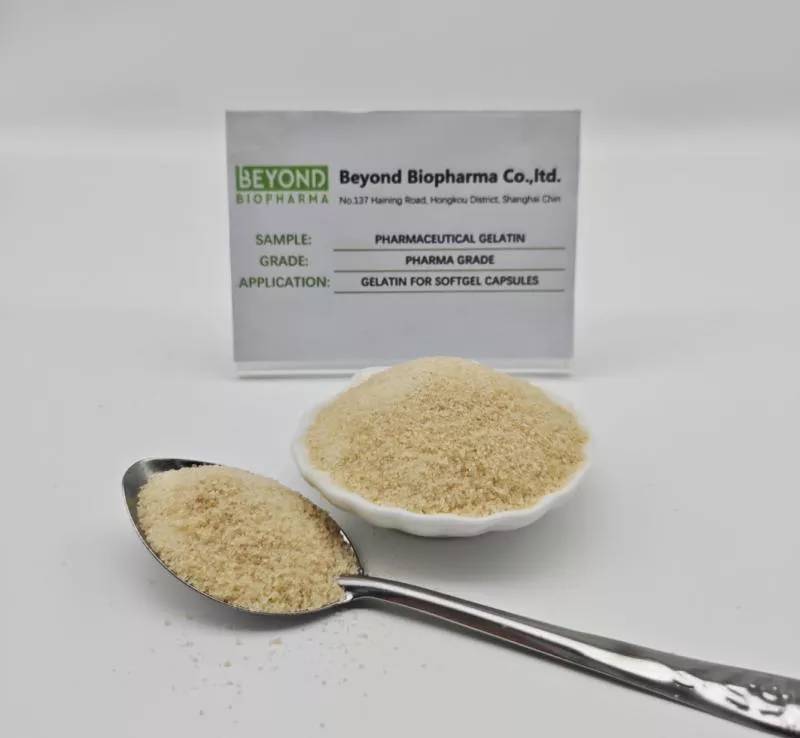
Softgel encapsulation demands a gelatin with unique physical attributes to perform optimally during the high-speed manufacturing process
Tel:+86 21 65010906
Cell/Whatsapp/Wechat:
+86 13482884055
+86 18657345785
Email: sales@beyondbiopharma.com





User Comments
Service Experience Sharing from Real Customers
Ethan
Senior R&D ScientistWe’ve been sourcing native type II collagen from this supplier for about six months now. The batch consistency is excellent and the solubility profile matches our specs perfectly. Saved us a lot of purification headaches.
Mia
Product Development ManagerSwitched to this supplier after our previous vendor had supply chain delays. The collagen arrived faster than expected and the certificate of analysis was very detailed. Only reason I’m not giving 5 stars is that the packaging could be sturdier for international shipping.
Liam
Formulation ChemistFinally found a native type II collagen that doesn’t clump or denature during our wet granulation process. We use it in a joint health powder blend and the bioavailability data from our in-house tests looks promising. Will definitely reorder.
Sophie
Quality Assurance LeadI audit raw material suppliers regularly, and this one passed with flying colors. Their native type II collagen has low endotoxin levels and consistent molecular weight. The team is responsive to documentation requests too, which is rare.