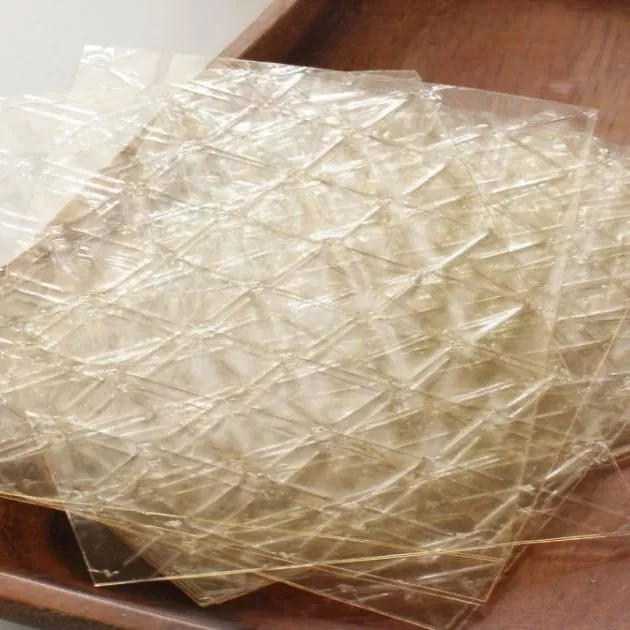
The Ultimate Guide to Powder Gelatin: Benefits, Uses, and Best Tips for Perfect Results
Beyond Biopharma | Jun-29-2026
Powder gelatin is a versatile, protein-rich ingredient derived from collagen, widely used in both cooking and baking to provide structure, texture, and stability. In culinary applications, it acts as a gelling agent, thickener, and stabilizer, transforming liquids into firm yet delicate gels essential for desserts like panna cotta, mousses, and jelly, while also playing a key role in savory dishes such as aspics and terrines. Beyond the kitchen, powder gelatin offers significant health benefits for skin elasticity, joint health, and digestive support due to its high glycine and proline content. To achieve flawless results, proper blooming and dissolving techniques are critical—sprinkling gelatin over cold water and gently heating ensures a smooth, lump-free mixture. This guide covers expert tips to avoid common pitfalls like overheating or under-blooming, enabling perfect outcomes every time, whether you are crafting silky custards, clarifying consommés, or fortifying homemade broths.
What Is Powder Gelatin and How Does It Work in Cooking and Baking
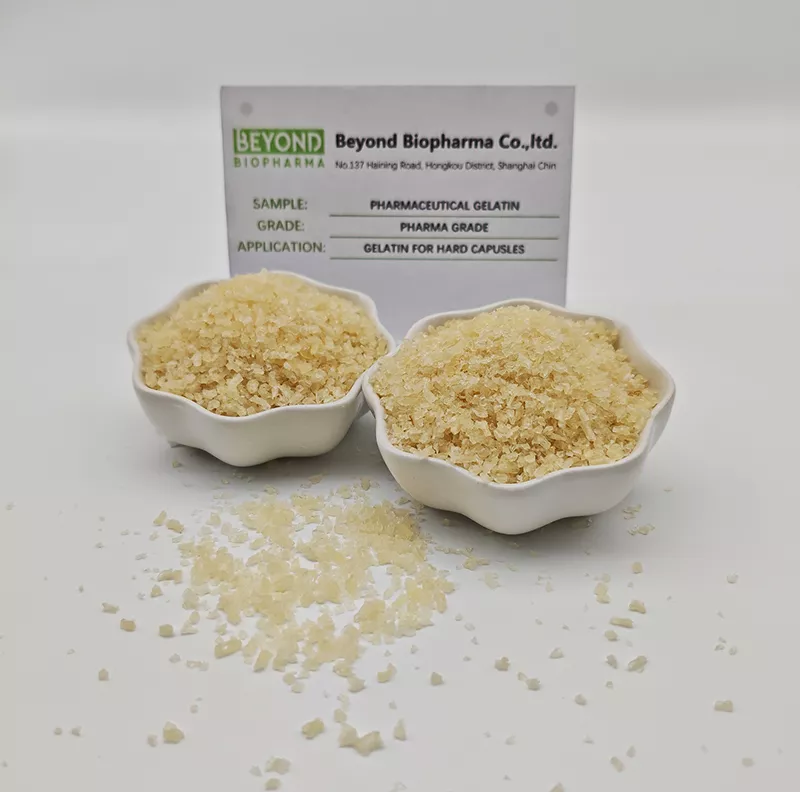
Powder gelatin is a flavorless, colorless thickening agent derived from animal collagen, typically sourced from bovine or porcine hides and bones. It is available in a fine, granular form that requires hydration before use. When mixed with a cold liquid, the granules absorb moisture and swell, a process known as blooming. Once bloomed, the gelatin is gently heated to dissolve completely, allowing it to form a stable gel upon cooling. This unique property makes it indispensable in both cooking and baking for creating textures ranging from soft and wobbly to firm and sliceable.
In culinary applications, powder gelatin acts as a stabilizer, binder, and texturizer. It is commonly used to set mousses, panna cottas, cheesecakes, and fruit jellies. In baking, it helps thicken glazes, stabilize whipped cream, and create shiny mirror finishes on cakes. The key to success lies in proper hydration and temperature control. Overheating can weaken the gelatin's setting power, while insufficient blooming can lead to a grainy texture. For best results, always sprinkle the powder evenly over cold water and let it sit for 5 to 10 minutes before gently warming it.
Different types of powder gelatin vary in bloom strength, which measures the firmness of the gel. Standard cooking gelatin typically has a bloom of around 200 to 250, while higher bloom values produce firmer gels. When substituting powder gelatin for sheet gelatin, note that one packet (about 7 grams) of powder gelatin equals roughly 4 sheets of sheet gelatin. Always follow recipe-specific bloom instructions to achieve the intended texture. For vegan or dietary alternatives, consider agar-agar, though it sets differently and requires boiling.
To master powder gelatin in your kitchen, store it in a cool, dry place away from direct sunlight. Avoid adding fresh pineapple, kiwi, papaya, mango, or ginger to gelatin mixtures, as these fruits contain enzymes that break down collagen and prevent setting. If using such fruits, blanch them first to deactivate the enzymes. For perfectly clear gels, use filtered water and avoid vigorous stirring, which introduces air bubbles. With these techniques, powder gelatin becomes a reliable tool for achieving professional-grade desserts and savory dishes alike.
Top Health Benefits of Powder Gelatin for Skin, Joints, and Digestion
Boosts Skin Elasticity and Hydration
Powder gelatin is rich in collagen peptides that support skin structure. Regular intake helps maintain firmness, reduce fine lines, and improve moisture retention for a more youthful complexion.
Supports Joint Health and Mobility
The amino acids in gelatin, particularly glycine and proline, help rebuild cartilage and connective tissue. This can reduce joint pain, improve flexibility, and support long-term joint function.
Enhances Digestive Health
Gelatin naturally binds with water in the digestive tract, aiding in regular bowel movements. It also supports the gut lining, which can help with nutrient absorption and reduce digestive discomfort.
Strengthens Hair and Nails
The collagen-building proteins in powder gelatin contribute to stronger, thicker hair and more resilient nails. Consistent use can reduce brittleness and promote healthy growth.
Promotes Better Sleep and Mood
Glycine, a key amino acid in gelatin, has calming effects on the nervous system. It can improve sleep quality, reduce daytime fatigue, and support a balanced mood.
Aids in Bone Strength
Gelatin provides essential nutrients that support bone density and mineralization. It works alongside calcium and other minerals to maintain skeletal strength as you age.
Common Culinary Uses: From Desserts to Savory Dishes and Stabilizers
Powder gelatin is a versatile ingredient that transforms textures in both sweet and savory cooking. It provides structure, stability, and a smooth mouthfeel across a wide range of applications.
Desserts & Confectionery
In desserts, gelatin is essential for creating firm yet tender gels. Classic panna cotta, fruit jellies, and mousses rely on gelatin for their signature set. It also stabilizes whipped cream and cheesecake fillings, preventing separation and ensuring a silky texture.
Savory Dishes & Aspics
Beyond sweets, gelatin is used in savory terrines, aspics, and meat glazes. It adds body to broths and consommés, and helps emulsify sauces like demi-glace. Gelatin also improves the texture of low-fat dressings and spreads.
Stabilizers & Thickeners
As a stabilizer, gelatin prevents ice crystal formation in frozen desserts, extends shelf life in yogurt, and maintains uniform consistency in commercial sauces. It is also a key component in marshmallows and gummy candies.
| Application |
Type of Gelatin |
Bloom Strength |
Typical Ratio (per 1L liquid) |
| Panna Cotta |
Bovine or Porcine |
200-250 Bloom |
15-20 g |
| Fruit Jellies |
Fish or Bovine |
200-225 Bloom |
20-25 g |
| Savory Aspic |
Bovine |
250 Bloom |
25-30 g |
| Marshmallows |
Porcine or Fish |
200-250 Bloom |
30-35 g |
| Sauce Stabilizer |
Hydrolyzed Collagen |
Low Bloom |
5-10 g |
The table above provides a quick reference for common culinary applications. Exact ratios may vary based on desired firmness and other ingredients. For best results, always hydrate gelatin in cold water before use and avoid boiling.
Explore our full range of gelatin products for specific needs: Food Grade Hyaluronic Acid, Gelatin for Micro-Encapsulation, Standardized Gelatin Sheets, Edible Bovine Gelatin, Halal Fish Gelatin, and Food Grade Porcine Gelatin.
How to Properly Bloom and Dissolve Powder Gelatin for Flawless Texture
Mastering the bloom and dissolve process is essential for achieving a smooth, lump-free texture in your gels, desserts, and culinary creations. Follow these step-by-step techniques to ensure perfect results every time.
What is Blooming?
Blooming is the process of hydrating gelatin powder in cold liquid before heating. This step prevents clumping and ensures even dissolution, leading to a silky smooth final product.
Step 1: Measure and Sprinkle
Always measure your gelatin powder accurately using a kitchen scale. Sprinkle the powder evenly over the surface of cold water or another cold liquid. Use a ratio of about 1 part gelatin to 3 parts liquid by volume.
Step 2: Let It Rest
Allow the gelatin to sit undisturbed for 5 to 10 minutes. The granules will absorb the liquid, swell, and form a firm, spongy mass. Do not stir during this stage.
Step 3: Gently Heat
Once bloomed, gently warm the mixture using a double boiler or microwave in short bursts. Stir slowly until the gelatin is completely dissolved and the liquid is clear. Avoid boiling, as high heat can weaken the gelling power.
Step 4: Combine and Set
Slowly add the dissolved gelatin to your main mixture while stirring continuously. Ensure even distribution before pouring into molds or containers. Refrigerate until fully set for a flawless, professional texture.
For more detailed guidance and premium gelatin products, visit this resource.
Expert Tips for Avoiding Common Mistakes and Achieving Perfect Results Every Time
Master the Blooming Process
Sprinkle powder gelatin evenly over cold water and let it sit for 5-10 minutes without stirring. This hydrates each granule uniformly, preventing clumps and ensuring a silky texture. Never use hot water for blooming, as it can cause premature melting and weak gel strength.
Learn more about consistent gel preparation
Control Temperature with Precision
Heat blooming mixture gently to 50-60°C (122-140°F) to dissolve completely. Avoid boiling, which degrades protein structure and reduces setting ability. Use a thermometer for accuracy, especially when working with delicate recipes like mousses or panna cotta.
Explore food-grade gelatin options
Avoid Overmixing and Air Bubbles
Stir dissolved gelatin gently and slowly to minimize air incorporation. Bubbles create weak spots and an unappealing appearance. If bubbles form, let the mixture rest for a minute or pass it through a fine-mesh sieve before adding to your base.
Discover high-bloom gelatin for firm gels
Balance Acidity and Enzymes
High acidity (pH below 4) or fresh fruits like pineapple, kiwi, and papaya contain enzymes that break down gelatin. If using acidic ingredients, increase gelatin amount by 20% or briefly cook the fruit to denature enzymes. Always test a small batch first.
Check halal and kosher gelatin for clean labels
Respect Setting Time and Temperature
Pour finished mixture into molds and refrigerate at 4°C (39°F) for at least 4 hours, preferably overnight. Avoid freezing, which causes syneresis (water separation). For quick sets, use an ice bath, but stir constantly to prevent uneven gelation.
Find edible bovine gelatin for consistent results
Proper Storage for Longevity
Store powder gelatin in an airtight container in a cool, dry place away from sunlight. Humidity causes clumping and loss of bloom strength. Once opened, use within 6 months for best performance. Prepared gels should be covered to prevent surface drying.
Browse porcine gelatin for gummies and jellies
Adjust for Recipe Variations
Different applications require different bloom strengths. For soft, tender gels use 150-200 bloom; for firm, chewy textures like gummies use 250-300 bloom. Always weigh gelatin precisely — too little leads to weak gels, too much creates rubbery results.
See gelatin for micro-encapsulation uses
Test Before Full Production
Always make a small test batch when trying new formulations or ingredients. Check gel firmness, clarity, and flavor. This saves time and materials, ensuring your final product meets expectations every time. Document successful ratios for repeatable success.
Explore hyaluronic acid powder for supplements
Summary & Key Takeaways
Powder gelatin is a versatile ingredient derived from collagen, widely used in cooking and baking for its gelling, thickening, and stabilizing properties. Understanding how to properly bloom and dissolve gelatin is essential for achieving a flawless texture in both sweet and savory dishes. Beyond the kitchen, gelatin offers notable health benefits for skin elasticity, joint support, and digestive health. By following expert tips—such as avoiding boiling and measuring accurately—you can consistently produce perfect results in every recipe.
What Is Powder Gelatin and How Does It Work in Cooking and Baking
Gelatin is a protein derived from animal collagen. When hydrated and heated, it forms a reversible gel that provides structure, stability, and a smooth mouthfeel to a wide range of dishes.
Top Health Benefits of Powder Gelatin for Skin, Joints, and Digestion
Regular consumption of gelatin may support skin hydration and elasticity, reduce joint pain, and improve gut health by strengthening the intestinal lining and promoting healthy digestion.
Common Culinary Uses: From Desserts to Savory Dishes and Stabilizers
Gelatin is used in desserts like panna cotta and mousse, savory dishes such as aspic and terrines, and as a stabilizer in whipped cream, marshmallows, and yogurt to improve texture and shelf life.
How to Properly Bloom and Dissolve Powder Gelatin for Flawless Texture
Sprinkle gelatin over cold water and let it sit for 5–10 minutes to bloom. Then gently heat the mixture until fully dissolved, never boiling, to ensure a clear, smooth gel without lumps or loss of strength.
Expert Tips for Avoiding Common Mistakes and Achieving Perfect Results Every Time
Always measure gelatin precisely, avoid overheating, and incorporate it into warm (not hot) liquids. For acidic ingredients, increase gelatin slightly. Test the set before chilling fully to adjust if needed.
Mastering powder gelatin opens up a world of culinary possibilities—from silky desserts to nourishing health-boosting recipes. With these insights, you are ready to create consistently perfect textures and enjoy the full benefits of this remarkable ingredient.
The Ultimate Guide to Powder Gelatin: Benefits, Uses, and Best Tips for Perfect Results
Q: What Is Powder Gelatin and How Does It Work in Cooking and Baking?
A: Powder gelatin is a flavorless, colorless thickening agent derived from animal collagen. When hydrated in cold water (bloomed) and then heated, it dissolves into a liquid that sets into a semi-solid gel upon cooling, providing structure and texture to dishes like mousses, panna cotta, and marshmallows.
Q: Top Health Benefits of Powder Gelatin for Skin, Joints, and Digestion?
A: Powder gelatin is rich in collagen and amino acids like glycine and proline. It supports skin elasticity, strengthens joints by promoting cartilage repair, and aids digestion by helping to restore the gut lining and improve gastric acid secretion.
Q: Common Culinary Uses: From Desserts to Savory Dishes and Stabilizers?
A: Gelatin is used in sweet desserts like jellies, cheesecakes, and ice creams; in savory dishes such as aspics, terrines, and glazes; and as a stabilizer for whipped cream, yogurt, and mousse to prevent separation and improve mouthfeel.
Q: How to Properly Bloom and Dissolve Powder Gelatin for Flawless Texture?
A: Sprinkle gelatin powder evenly over cold water (use 1 part gelatin to 3 parts water) and let it sit for 5–10 minutes until spongy. Then gently heat the mixture (do not boil) or stir into a warm liquid until fully dissolved. This ensures even setting and avoids lumps.
Q: Expert Tips for Avoiding Common Mistakes and Achieving Perfect Results Every Time?
A: Always bloom gelatin in cold water, never hot. Avoid overheating or boiling after dissolving, as this weakens gelling power. Use exact measurements, and add gelatin to warm (not hot) liquids for best incorporation. For fruit-based desserts, use gelatin with fresh pineapple or kiwi only after cooking, as raw enzymes break down gelatin.

 English EN