English EN


Fish Gelatin vs Bovine and Pork Gelatin What Sets Them Apart
Fish gelatin differs from bovine and pork gelatin in melting point, texture, and dietary suitability, making it ideal for soft desserts and special diets.
More
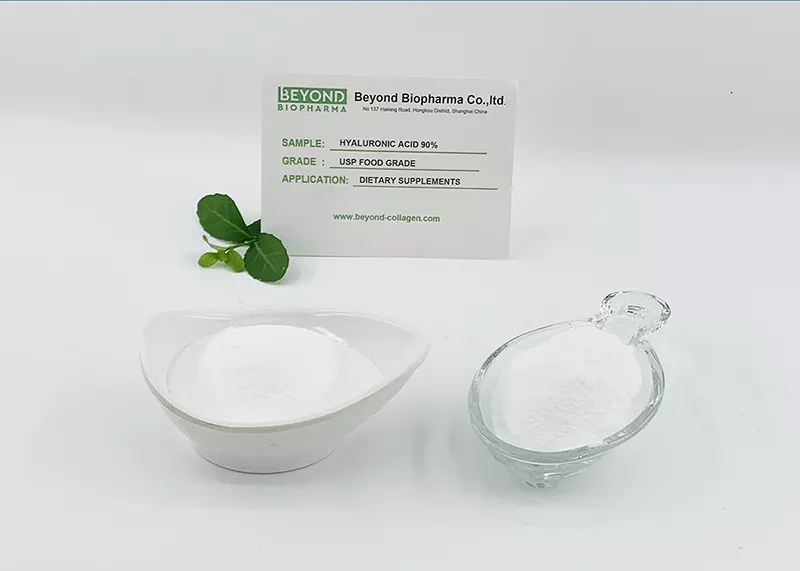
At their core, sheet gelatin and powder gelatin are both derived from animal collagen, typically from pork or beef sources. The primary difference lies in their physical form and how they are processed. Sheet gelatin, also known as leaf gelatin, comes in thin, translucent sheets that are easy to handle and dissolve evenly. Powder gelatin is a granular form that requires careful hydration to avoid clumping. Both types are measured by bloom strength, which indicates the firmness of the gel they produce. A standard sheet gelatin typically has a bloom of around 160 to 200, while powder gelatin often ranges from 200 to 250 bloom. This means that in many recipes, you cannot simply swap one for the other without adjusting the quantity.
Bloom strength is the standard measure of gelatin's gelling power. A higher bloom number means a firmer, more brittle gel, while a lower bloom results in a softer, more elastic texture. For example, a 200-bloom powder gelatin will create a firmer set than a 160-bloom sheet gelatin if used in equal weight. To achieve consistent results, professional chefs often rely on conversion charts. As a general rule, one sheet of gelatin (approximately 2 grams) with a 200-bloom strength is equivalent to about 1 teaspoon of powdered gelatin (around 3 grams) with a similar bloom. However, always check the specific bloom rating on your product packaging, as different brands may vary. For precise applications, such as in gummy and jelly production, using the correct bloom is critical for achieving the desired chewiness.
The hydration process is where the two forms differ most significantly. Sheet gelatin is hydrated by soaking it in cold water for 5 to 10 minutes until it becomes soft and pliable. The sheets absorb water evenly, and once softened, they can be squeezed gently to remove excess water before being added to a warm liquid. This method is forgiving and rarely results in lumps. Powder gelatin, on the other hand, requires a technique called blooming. You sprinkle the powder over cold water (typically using a ratio of 1 part gelatin to 3 parts water) and let it sit for 5 to 10 minutes. The granules absorb the water and form a spongy mass. If you add powder directly to hot liquid without blooming, it will clump and create an uneven texture. For large-scale production, such as in standardized gelatin sheets for consistent gels, sheet gelatin is often preferred for its predictable hydration behavior.
The texture and clarity of the final gel can vary between sheet and powder gelatin. Sheet gelatin tends to produce a clearer, more transparent gel with a cleaner mouthfeel. This is because the sheets dissolve more uniformly, leaving fewer impurities. Powder gelatin, if not fully hydrated, can sometimes result in a slightly cloudy appearance or a grainy texture. For delicate desserts like mirror glazes or clear jellies, sheet gelatin is often the go-to choice. However, for applications where clarity is less critical, such as in fruit gummies or marshmallows, powder gelatin works perfectly well. If you are working with halal and kosher verified fish gelatin for clean label foods, the same principles apply, though fish gelatin typically has a lower bloom and requires slightly different hydration ratios.
If you need to substitute sheet gelatin for powder or vice versa, follow these practical guidelines. First, always check the bloom strength of your gelatin. If your recipe calls for 10 grams of 200-bloom sheet gelatin, you can use approximately 8 grams of 250-bloom powder gelatin, or 12 grams of 160-bloom sheet gelatin. Second, adjust the liquid content. When using powder gelatin, remember that the blooming water counts as part of the total liquid in your recipe. For sheet gelatin, the water absorbed during soaking is typically discarded, so you may need to add a bit more liquid to compensate. Third, consider the temperature. Gelatin begins to set at around 15°C (59°F), so avoid adding it to boiling liquids, which can degrade its gelling power. For specialized applications like high bloom gelatin for hard capsules, precise bloom control is essential for achieving the required hardness.
Both sheet and powder gelatin should be stored in a cool, dry place away from direct sunlight and strong odors. Sheet gelatin is more susceptible to moisture and can become sticky or clump together if exposed to humidity. It is best kept in an airtight container. Powder gelatin has a longer shelf life if stored properly, typically up to two years. However, once opened, both forms should be used within six months for optimal performance. If you notice a change in color or a sulfurous smell, the gelatin may have degraded and should be discarded. For bulk users, such as those purchasing ultra high viscosity gelatin for softgel capsules, proper storage is crucial to maintain the viscosity and gelling properties over time.
The choice between sheet and powder gelatin ultimately depends on your specific needs and comfort level. If you value precision, clarity, and ease of hydration, sheet gelatin is an excellent investment. It is particularly favored in professional pastry kitchens for its consistent results. If you prioritize cost-effectiveness, versatility, and availability, powder gelatin is a reliable workhorse. It is ideal for home cooks and large-scale productions where slight variations in texture are acceptable. Regardless of your choice, understanding the bloom strength and proper hydration techniques will ensure your recipes turn out perfectly every time. For those exploring alternative sources, undenatured collagen type II clinically proven support for joint comfort and mobility offers a different functional profile, but for gelling purposes, traditional gelatin remains the standard.


We provide you with comprehensive foreign trade solutions to help enterprises achieve global development
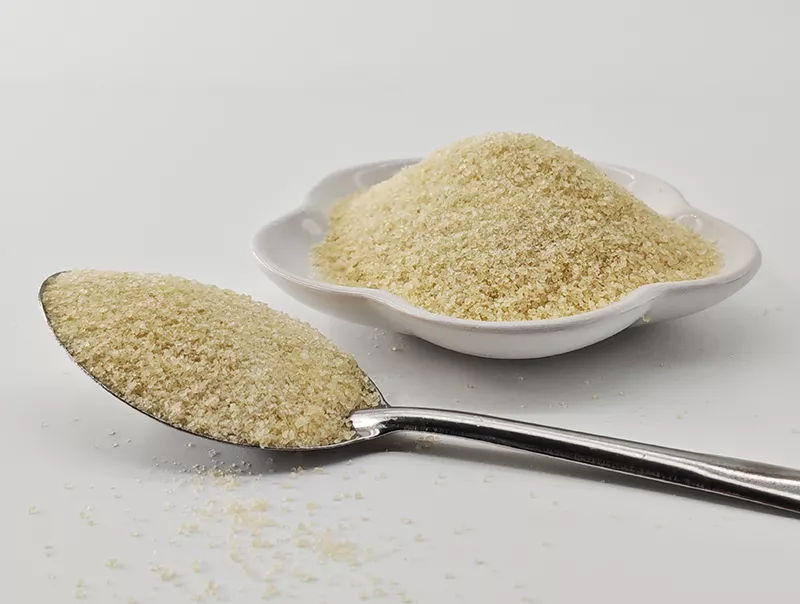
The High-Performance Barrier for Core Material Protection and Controlled Release.
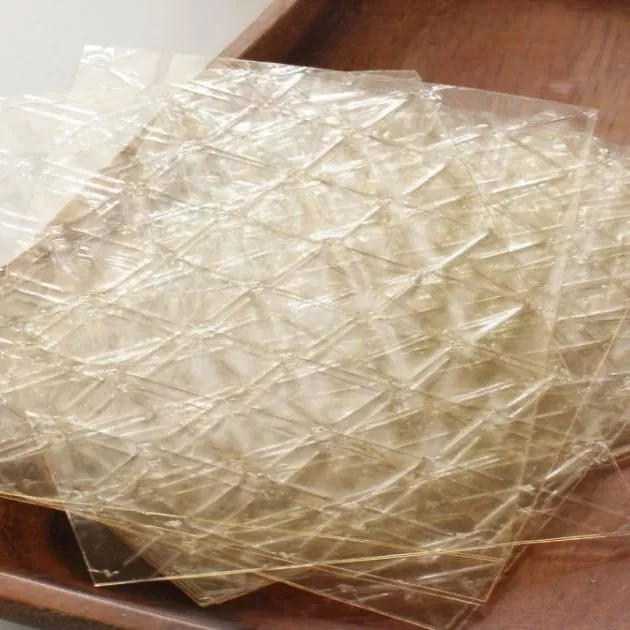
Our Gelatin Sheets are produced to precise standards, ensuring consistency and reliability across different Bloom grades (Silver being the most common professional choice).
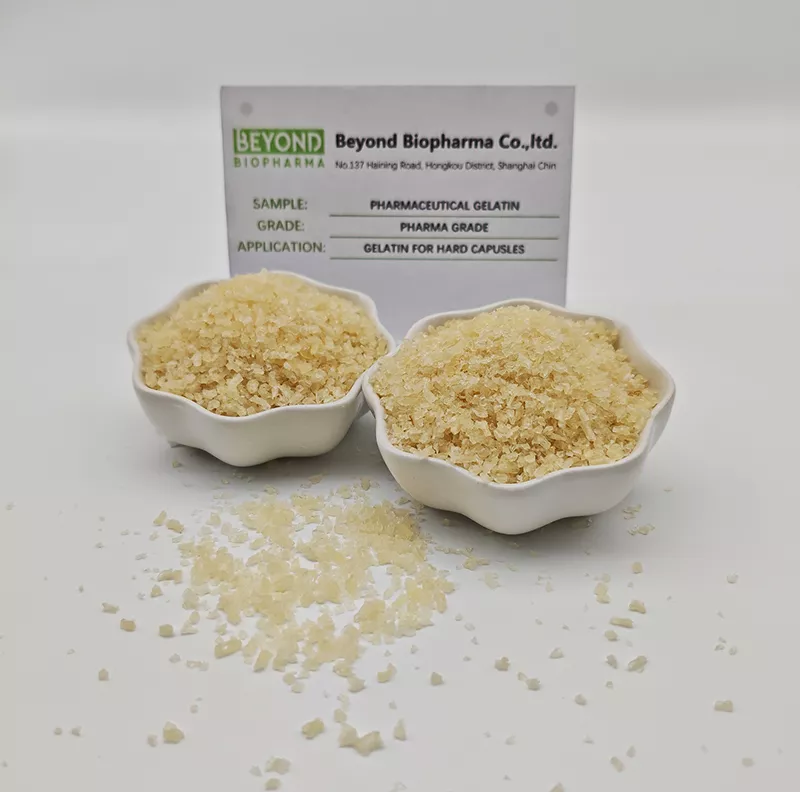
Precision, Purity, and Optimal Machinability
20 years experiences, 5000 ton/year capacity, Sustained supply with stable quality
Tel:+86 21 65010906
Cell/Whatsapp/Wechat:
+86 13482884055
+86 18657345785
Email: sales@beyondbiopharma.com