English EN


How to Use Gelatin Powder? Applications of Gelatin Powder
Use gelatin powder by blooming it in cold water, dissolving gently, and adding to recipes for perfect texture in desserts, sauces, and supplements.
More
Converting sheet gelatin to powder is a straightforward process that many home cooks and bakers encounter when a recipe calls for one form but you only have the other on hand. Understanding the exact conversion ratio—typically one sheet of gelatin equals about 1/4 teaspoon of powdered gelatin—ensures your desserts, mousses, and jellies set perfectly every time. This guide walks you through the simple steps, offers practical tips for blooming and dissolving, and explains how to adjust for different gelatin strengths like silver, gold, or bronze sheets.
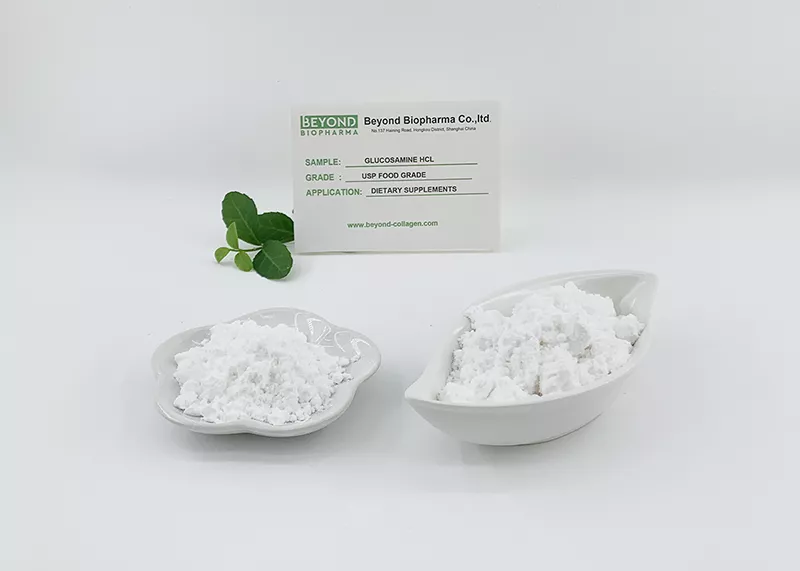
Gelatin comes in two primary forms: sheet (also called leaf gelatin) and powder. Both are derived from collagen, typically from animal sources like pork or beef, and serve the same purpose—thickening and gelling liquids. However, they differ in how they are processed and used. Sheet gelatin is prized by professionals for its clarity and consistent setting power, while powdered gelatin is more common in home kitchens due to its longer shelf life and ease of measuring. The key to swapping them lies in knowing their bloom strength, which is measured in bloom grams. Most sheet gelatin is labeled as silver (160 bloom), gold (200 bloom), or bronze (140 bloom), while standard powdered gelatin typically has a bloom of around 225. This variation means you may need to adjust the amount slightly depending on the brand and type.
For most recipes, a standard conversion works well: one sheet of gelatin (typically 2 grams) equals approximately 1/4 teaspoon of powdered gelatin (about 1 gram). If you are using a higher bloom sheet like gold, you might need a touch less powder, but the difference is subtle enough that the 1:1 ratio by weight is reliable for everyday cooking.
Converting sheet gelatin to powder is not just about swapping measurements—it also involves adjusting the blooming method. Here is a simple process to follow:
This method works for both sweet and savory applications, from panna cotta and mousse to terrines and aspic. The key is to never add powdered gelatin directly to a hot liquid without blooming first, as it will clump and fail to dissolve evenly.
When converting sheet gelatin to powder, a few practical considerations can make a big difference. First, always weigh your gelatin if possible. A kitchen scale eliminates guesswork: 1 sheet (2 grams) equals 1 gram of powdered gelatin. Since 1/4 teaspoon of powder weighs roughly 1 gram, this is a reliable rule of thumb. However, if your sheet gelatin is thicker or thinner, adjust accordingly. Second, pay attention to the liquid volume in your recipe. Powdered gelatin requires about 2 to 3 tablespoons of cold water per 1/4 teaspoon for blooming, while sheet gelatin typically soaks in a bowl of cold water for 5 to 10 minutes. Account for this extra liquid in your total recipe volume to avoid a watery final product. Third, if you are making a recipe that calls for sheet gelatin and you are using powder, reduce the total liquid by the amount used for blooming. For example, if a recipe uses 4 sheets and 2 cups of cream, you would bloom 1 teaspoon of powder in 2 tablespoons of water, then reduce the cream by 2 tablespoons to maintain the correct consistency.
Another tip is to always bloom gelatin in cold water—never warm or hot—as this ensures even hydration. If you are in a hurry, you can use cold milk or juice instead of water, but avoid acidic liquids like lemon juice or vinegar during blooming, as they can weaken the gel. For vegan or plant-based alternatives, consider using agar-agar or carrageenan, but note that these require different conversion ratios and handling methods.
Even experienced cooks can run into trouble when swapping gelatin forms. One frequent mistake is using too much powdered gelatin, which results in a rubbery, overly firm texture. Stick to the 1/4 teaspoon per sheet rule, and if your recipe calls for a specific bloom strength, check the package. For instance, if your sheet gelatin is gold (200 bloom) and your powder is standard (225 bloom), you might reduce the powder by about 10%, but this is rarely necessary for home use. Another common error is not blooming the powder long enough. If you rush this step, the gelatin may not dissolve fully, leading to streaks or lumps in your final dish. Always wait until the powder looks like a soft, translucent mass before heating. Finally, avoid adding gelatin to a boiling liquid, as this can cause it to lose its setting power. Instead, heat your base to just below a simmer (around 140°F or 60°C) and then stir in the dissolved gelatin.
For those working with specialized products like pharmaceutical-grade gelatin or high-viscosity options for softgel capsules, the conversion remains the same by weight, but always consult the manufacturer's guidelines for optimal results. If you are using gelatin in a commercial setting, such as for pea peptide powder blends or other protein supplements, the principles of blooming and dissolving still apply, though the setting time may vary.
Not all recipes are created equal, and the conversion may need fine-tuning based on the dish. For delicate desserts like panna cotta or mousse, where a soft, silky texture is desired, use the standard 1/4 teaspoon per sheet ratio. For firmer gels like jelly or fruit preserves, you can increase the powder slightly—up to 1/3 teaspoon per sheet—but be cautious not to overdo it. If you are making a savory dish like a terrine or aspic, the same rules apply, but you may want to bloom the powder in a flavorful liquid like broth or wine for added depth. For those with dietary restrictions, note that traditional gelatin is animal-based. If you need a vegetarian or vegan alternative, agar-agar is a common substitute. One teaspoon of agar-agar powder (about 2 grams) can replace 4 sheets of gelatin, but it sets more firmly and requires boiling to activate. Similarly, carrageenan, derived from seaweed, works well in dairy-based recipes but may not set properly in acidic environments.
Always test your conversion with a small batch first, especially if you are new to working with gelatin. This way, you can adjust the texture before committing to a large recipe. Remember that gelatin continues to set as it cools, so do not judge the final consistency until it has been refrigerated for at least 4 hours or overnight.
Can I use powdered gelatin directly without blooming? No, blooming is essential for even hydration. Without it, the powder will clump and create a gritty texture. Always bloom in cold water first.
What if my recipe calls for silver sheet gelatin but I only have gold? Silver gelatin has a bloom of 160, while gold is 200. Since gold is stronger, you can use slightly less—about 0.8 grams of gold sheet for every 1 gram of silver. For powder, this translates to roughly 0.8 grams of powder per silver sheet, but the difference is minor for most home recipes.
How do I store leftover powdered gelatin? Keep it in an airtight container in a cool, dry place away from direct sunlight. It has a long shelf life, but exposure to moisture can cause clumping. If clumps form, you can still use the gelatin, but sift it first to ensure even blooming.
Can I convert sheet gelatin to powder for use in cold-set recipes? Yes, but you must bloom the powder in cold water and then dissolve it in a small amount of warm liquid before adding to the cold base. Alternatively, you can use a technique called "cold dissolving" by blooming the powder in a small amount of cold liquid and then whisking it into the cold base, but this requires a high-shear mixer or blender to ensure even distribution.


We provide you with comprehensive foreign trade solutions to help enterprises achieve global development
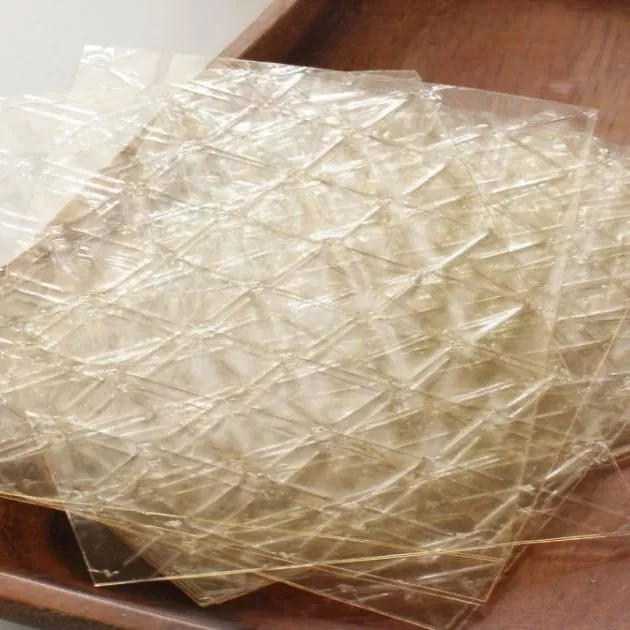
Our Gelatin Sheets are produced to precise standards, ensuring consistency and reliability across different Bloom grades (Silver being the most common professional choice).
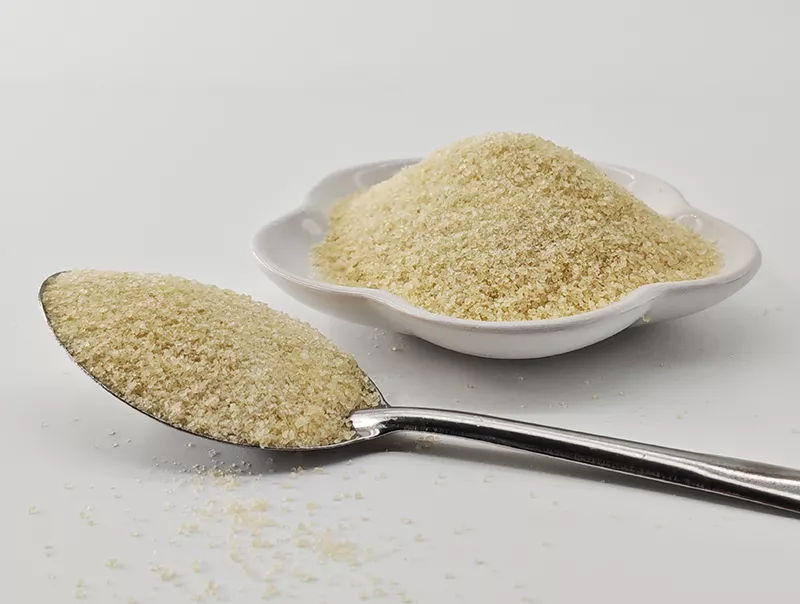
The High-Performance Barrier for Core Material Protection and Controlled Release.
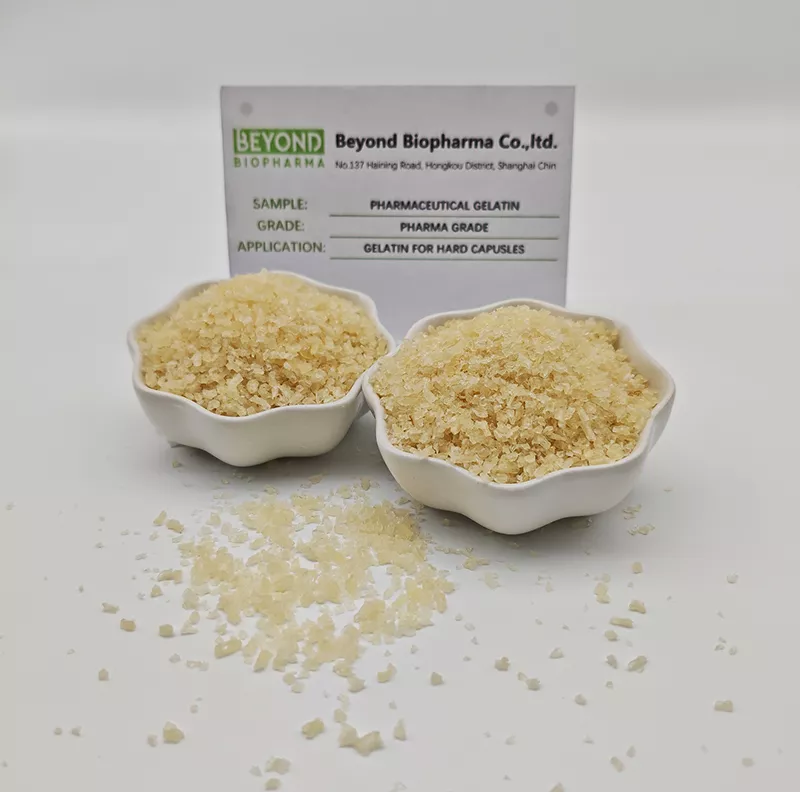
Precision, Purity, and Optimal Machinability
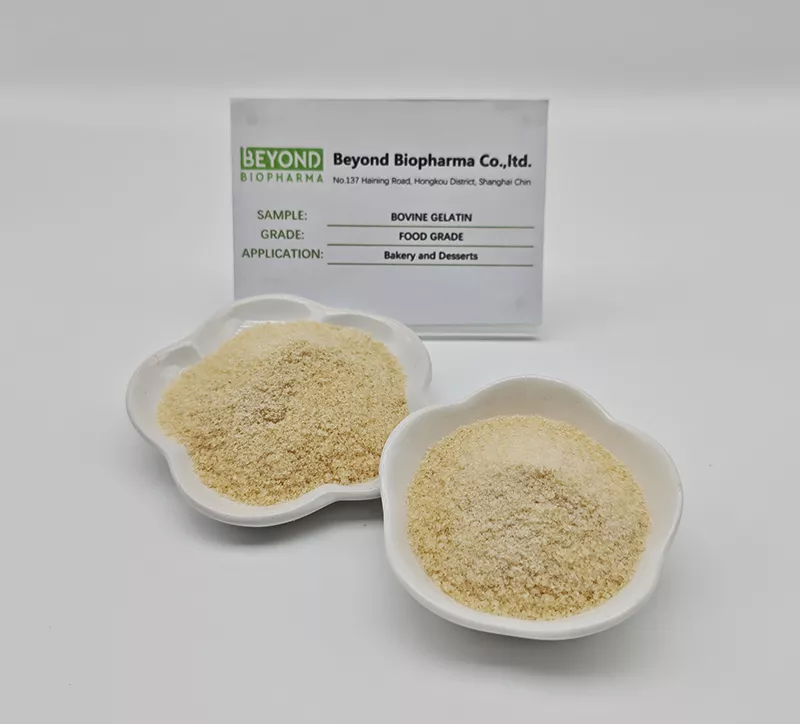
20 years experiences, 5000 ton/year capacity, Sustained supply with stable quality
Tel:+86 21 65010906
Cell/Whatsapp/Wechat:
+86 13482884055
+86 18657345785
Email: sales@beyondbiopharma.com