English EN


How to Use Gelatin Powder? Applications of Gelatin Powder
Use gelatin powder by blooming it in cold water, dissolving gently, and adding to recipes for perfect texture in desserts, sauces, and supplements.
More
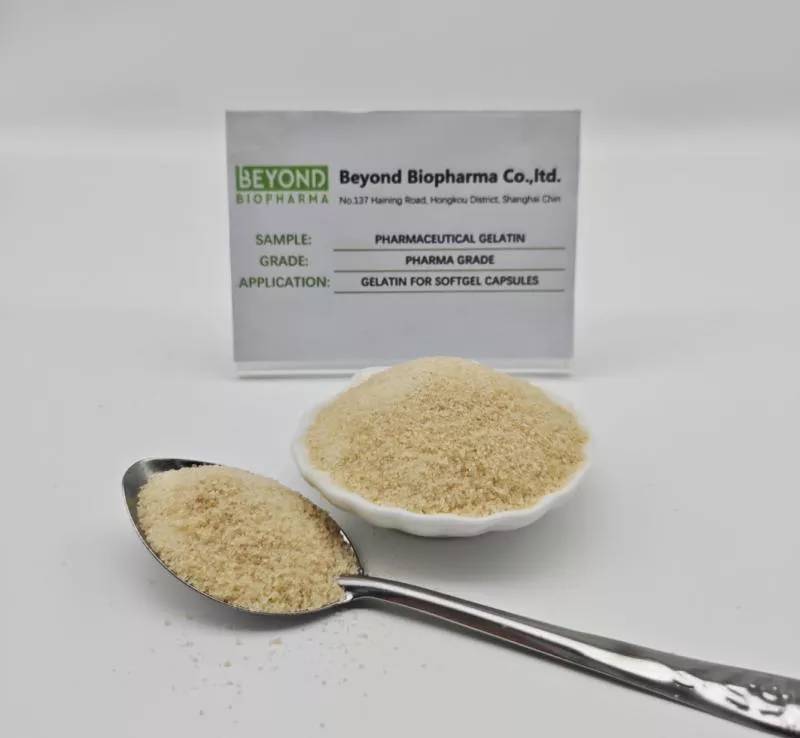
Gelatin is a protein derived from collagen, and it comes in two primary forms: powder and sheets. While both serve the same purpose of thickening and gelling, their handling and performance differ significantly. Gelatin powder is measured by weight and requires blooming in cold water before dissolving. A standard powder has a bloom strength around 200-250, which is ideal for most desserts and savory gels. On the other hand, gelatin sheets are graded by bloom strength (typically bronze, silver, gold, or platinum), with silver sheets being the most common at around 160 bloom. Sheets dissolve more evenly and produce a clearer gel, making them a favorite for professional pastry chefs.
One key difference is hydration. For powder, you need to sprinkle it over cold water (usually 4-5 times its weight) and let it sit for 5-10 minutes. For sheets, you soak them in ice water for about 5 minutes until pliable, then squeeze out excess water before adding to warm liquid. This process gives sheets an advantage in clarity and texture. If you are working with acidic ingredients like citrus or vinegar, edible bovine gelatin is a reliable choice due to its high stability.
In terms of substitution, 1 teaspoon of gelatin powder (about 3 grams) is roughly equivalent to 1 sheet of silver gelatin. However, always check the bloom strength of your specific product. For applications requiring precise gel strength, such as in gelatin for micro-encapsulation, using standardized sheets can offer more predictable outcomes. Powder is more forgiving for home cooks because it is easier to adjust quantities, while sheets excel in recipes where a crystal-clear finish is desired.
Temperature also plays a role. Gelatin begins to set at around 15°C (59°F) and melts at about 35°C (95°F). Never boil gelatin, as high heat can break down its structure and reduce gelling power. For soft gels or candies, a bloom strength of 250 is common, while for firmer textures like jelly, 200 bloom works well. If you are producing large batches, ultra-high viscosity gelatin provides excellent binding and elasticity.
Storage matters too. Keep gelatin powder in an airtight container in a cool, dry place to prevent clumping from moisture. Sheets should be stored flat in a sealed bag, away from humidity. Both forms have a shelf life of about 2-3 years when stored properly. For commercial kitchens, using standardized gelatin sheets ensures batch-to-batch consistency, which is critical for product quality.
Ultimately, the choice comes down to your recipe and workflow. Powder offers convenience and ease of measurement, while sheets provide superior clarity and a more uniform melt. Many chefs keep both on hand. For delicate mousses or mirror glazes, sheets are unbeatable. For everyday cooking and baking, powder is perfectly adequate. Understanding these differences allows you to adapt any recipe with confidence.
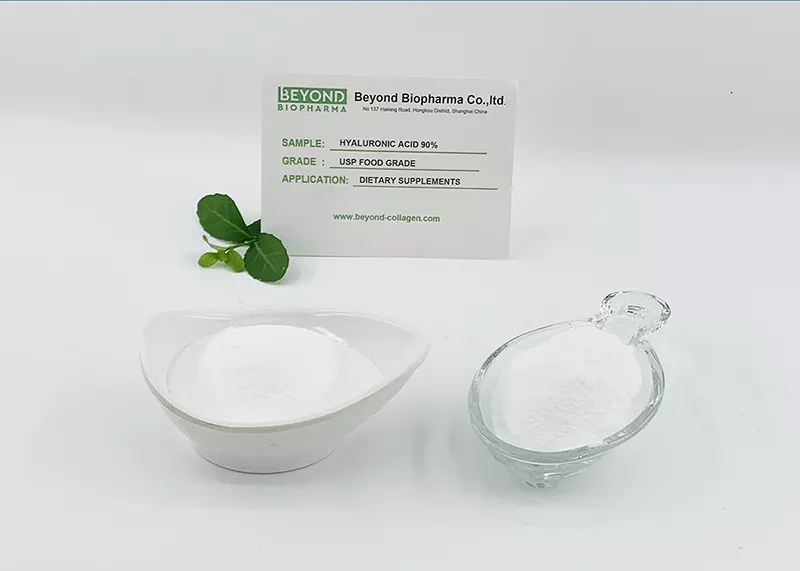


We provide you with comprehensive foreign trade solutions to help enterprises achieve global development
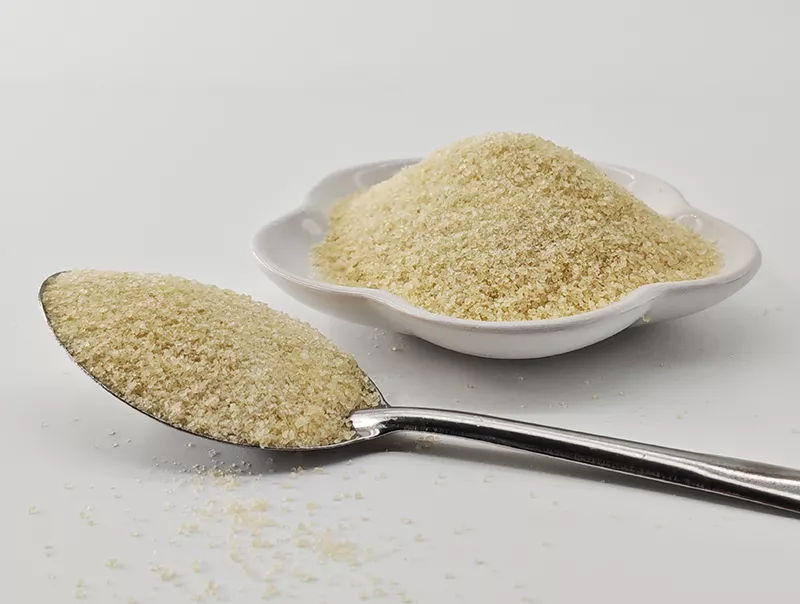
The High-Performance Barrier for Core Material Protection and Controlled Release.
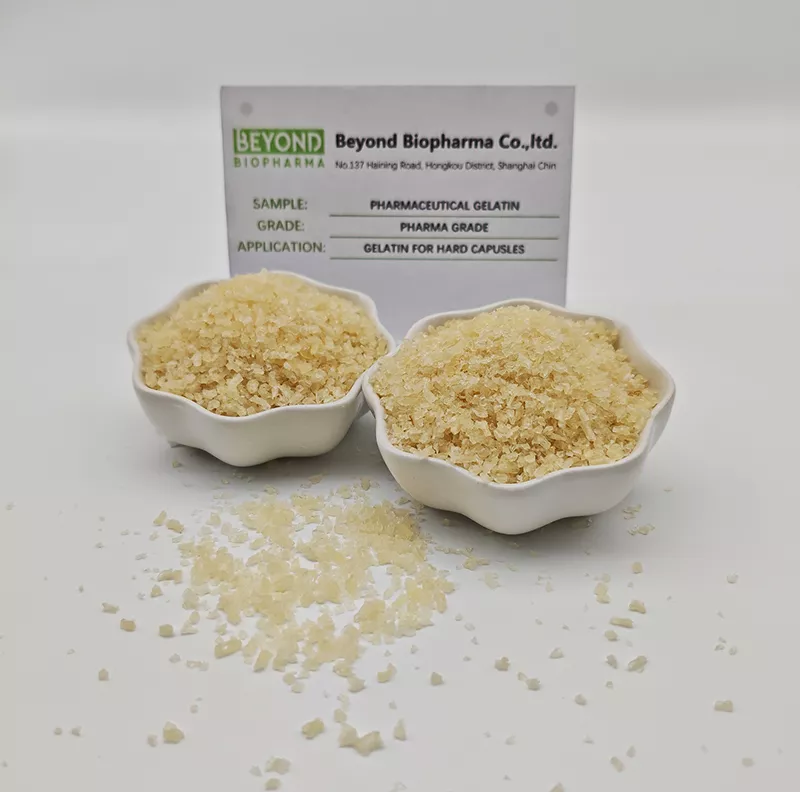
Precision, Purity, and Optimal Machinability
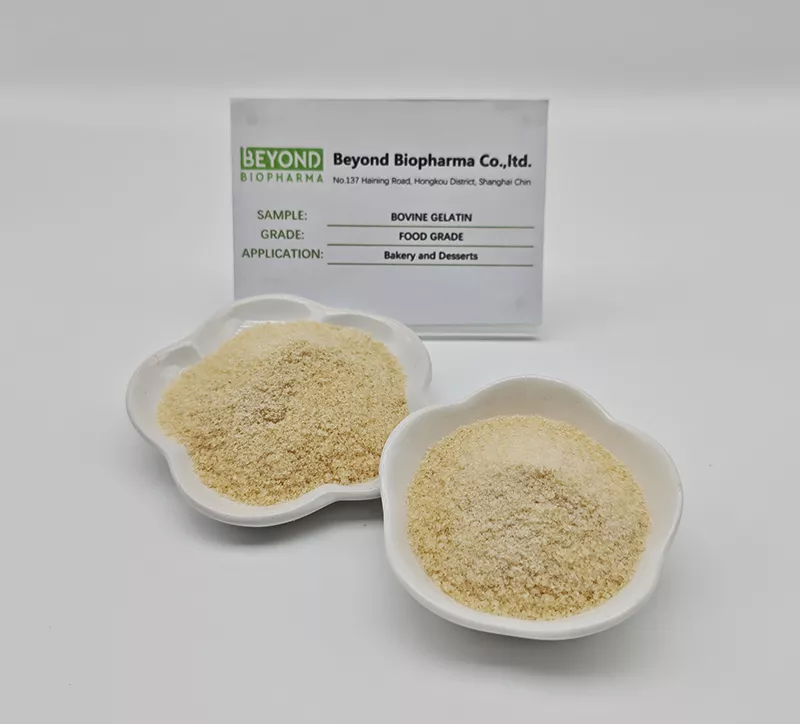
20 years experiences, 5000 ton/year capacity, Sustained supply with stable quality
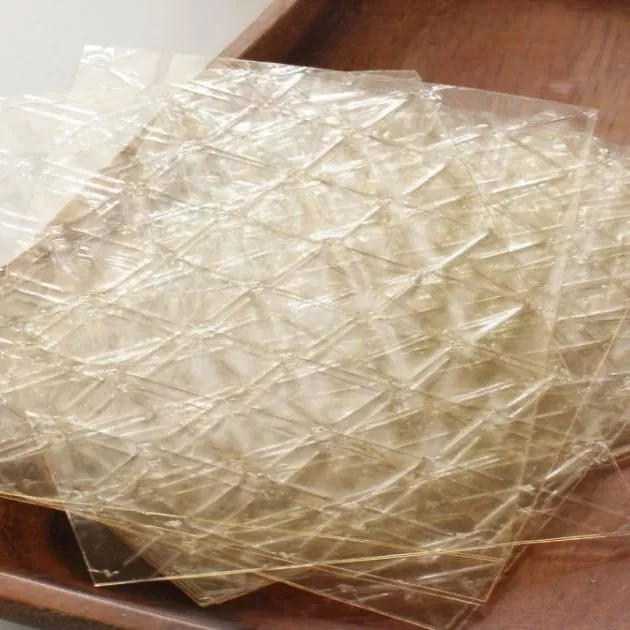
Our Gelatin Sheets are produced to precise standards, ensuring consistency and reliability across different Bloom grades (Silver being the most common professional choice).
Tel:+86 21 65010906
Cell/Whatsapp/Wechat:
+86 13482884055
+86 18657345785
Email: sales@beyondbiopharma.com