 English EN


How Bovine and Marine Collagen Peptides Differ in Benefits and Uses
Bovine collagen peptide supports joints and muscles, while marine collagen boosts skin and hair. Compare benefits, uses, and absorption for your needs.
More
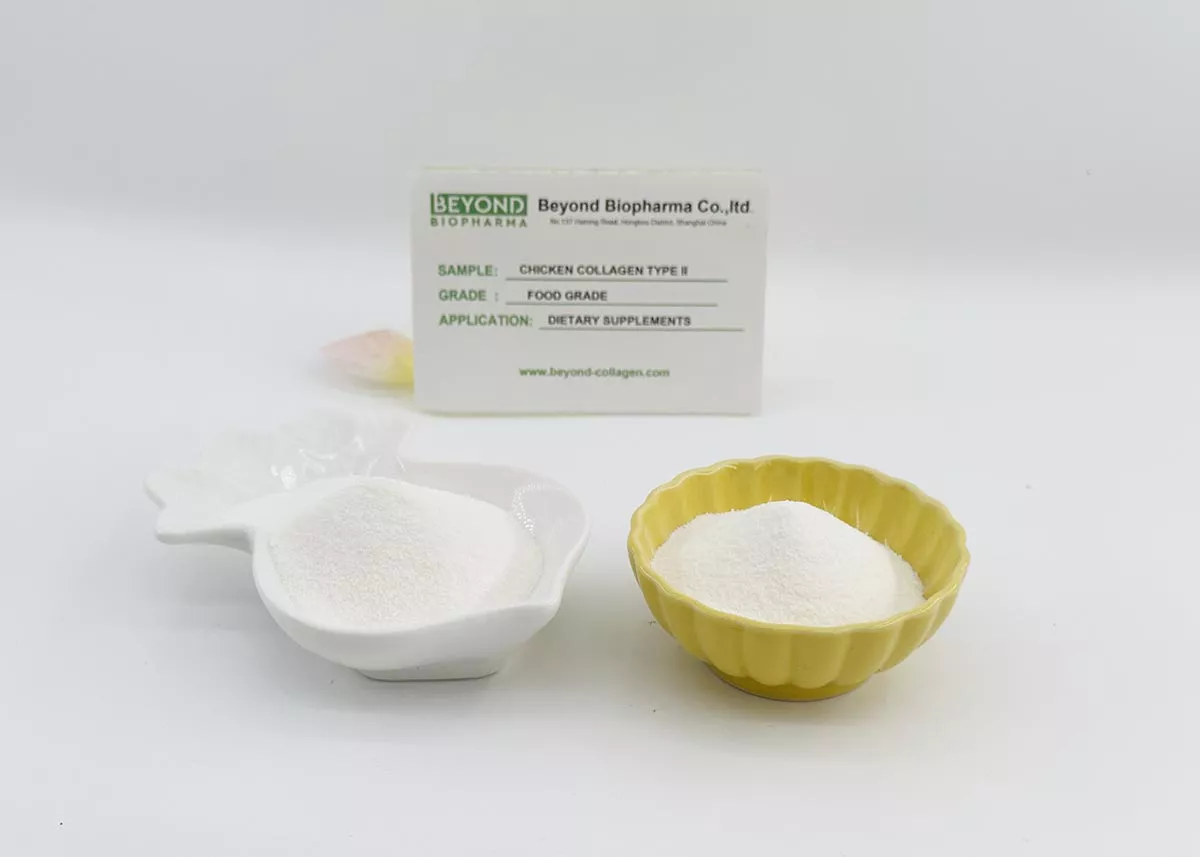
Bovine gelatin is a translucent, flavorless protein substance obtained by partially hydrolyzing collagen from cattle hides, bones, and connective tissues. It typically has a gel strength (Bloom value) ranging from 100 to 300 Bloom, with 250 Bloom being the most common for food and pharmaceutical use. The protein content is usually above 85%, and its molecular weight varies between 20,000 and 250,000 Daltons depending on the degree of hydrolysis.
Unlike porcine or fish gelatin, bovine gelatin offers a higher melting point (around 35–40°C) and a firmer gel texture, making it ideal for applications that require thermal stability. It is also available in both Type A (acid-processed) and Type B (alkali-processed) forms, each with distinct isoelectric points and viscosity profiles.
The manufacturing process involves several steps: cleaning and degreasing raw bovine materials, acid or alkaline pretreatment to break down non-collagen proteins, hot water extraction at controlled temperatures (55–70°C), filtration, concentration, sterilization, and finally drying into powder or sheets. The entire process takes 5 to 8 days, and the yield is approximately 10–15% of the raw material weight.
Strict quality controls are applied to ensure the gelatin meets specifications for heavy metals (lead halal and kosher certified options to meet diverse market requirements.
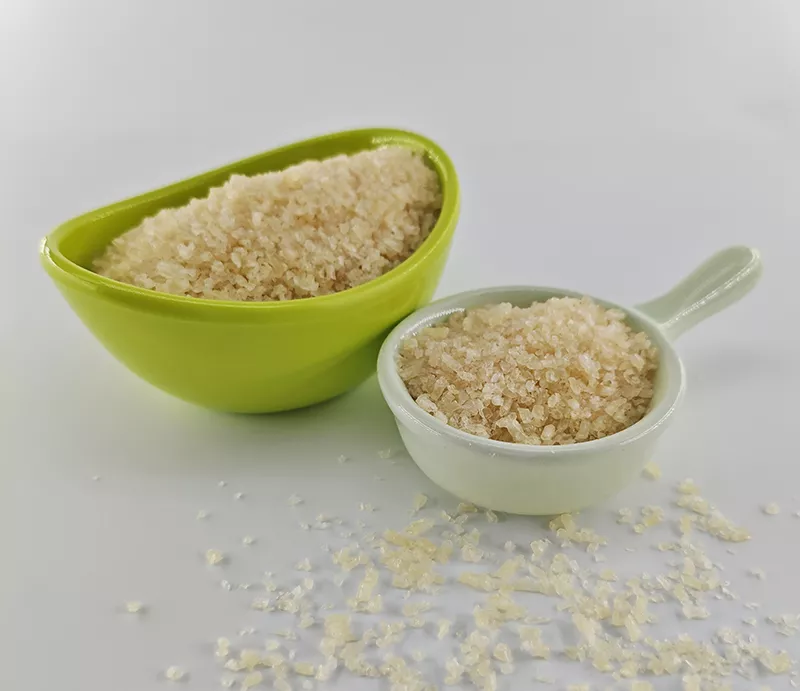
Bovine gelatin is characterized by several measurable parameters. The Bloom strength directly affects the firmness of the gel: 100–150 Bloom is used for soft confections, while 250–300 Bloom is preferred for hard capsules and marshmallows. Viscosity typically ranges from 2.5 to 6.0 mPa·s for a 6.67% solution at 60°C. The pH of a 1% solution is usually between 4.5 and 6.5 for Type A, and 5.0 to 7.0 for Type B.
Ash content is kept below 2%, and moisture content is controlled at 8–13% to ensure stability. These properties make bovine gelatin a reliable ingredient for pharmaceutical tablet coating and softgel capsule production, where consistent gelation and film-forming ability are critical.
In the food industry, bovine gelatin is widely used in gummy candies, marshmallows, yogurt, ice cream, and meat products as a stabilizer, thickener, and gelling agent. It contributes to a clean mouthfeel and improves texture without altering flavor. In pharmaceuticals, it serves as a shell material for softgels and hard capsules, and as a binder in tablets. The global gelatin market was valued at approximately $3.2 billion in 2023, with bovine gelatin accounting for nearly 45% of the total volume.
Cosmetics and personal care products also benefit from bovine gelatin's film-forming and moisturizing properties. It is found in face masks, anti-aging creams, and hair care formulations. Additionally, technical grades are used in photographic emulsions, abrasive papers, and adhesive manufacturing.
Compared to porcine gelatin, bovine gelatin has a higher melting point and stronger gel strength, which makes it more suitable for tropical climates and products that require heat resistance. Fish gelatin, on the other hand, has a lower melting point (around 20–25°C) and is often chosen for kosher and halal markets, but it lacks the firmness of bovine gelatin. For applications like high-viscosity softgel capsules, bovine gelatin remains the preferred choice due to its superior mechanical properties.
From a sustainability perspective, bovine gelatin utilizes by-products of the meat industry, reducing waste. Most commercial bovine gelatin is sourced from cattle raised for beef, ensuring no additional animal farming is required. Certifications such as GMP, ISO 22000, and BSE-free documentation are standard for reputable suppliers.
When sourcing bovine gelatin, it is essential to verify the origin and processing methods. Reputable manufacturers provide traceability from farm to final product. Third-party testing for heavy metals, residual solvents, and microbiological purity is standard. The European Pharmacopoeia and USP set strict limits for gelatin used in pharmaceutical applications, including endotoxin levels below 10 IU/g for injectable grades.
For food-grade gelatin, the FAO/WHO Joint Expert Committee on Food Additives (JECFA) has established an acceptable daily intake of "not specified," meaning it is safe for consumption at typical usage levels. Always request a Certificate of Analysis (COA) and ensure the supplier follows HACCP principles.
Selecting the correct grade depends on your specific application. For confectionery, a 200–250 Bloom gelatin with medium viscosity works well. For dairy products, a lower Bloom (100–150) with higher viscosity provides better mouthfeel. In pharmaceutical capsules, 250–300 Bloom with low viscosity ensures uniform fill and shell integrity. Always consider the pH and ionic strength of your formulation, as these affect gelation behavior.
If you are formulating clean-label products, look for non-GMO, halal-certified, or kosher-certified bovine gelatin. Many suppliers now offer organic options as well. For specialized needs like hydrolyzed collagen Type II, bovine sources are particularly rich in the amino acids glycine and proline, which support joint health.
Bovine gelatin powder should be stored in a cool, dry place away from direct sunlight and strong odors. The ideal storage temperature is below 25°C with relative humidity under 60%. When properly sealed, the shelf life is typically 24 to 36 months from the date of manufacture. Once opened, it is best to use the product within 6 months to maintain optimal gel strength and microbial stability.
For liquid gelatin solutions, they should be used immediately or refrigerated at 4°C and used within 48 hours to prevent microbial growth. Never freeze gelatin solutions, as this can irreversibly damage the protein structure and reduce gelling capacity.


We provide you with comprehensive foreign trade solutions to help enterprises achieve global development
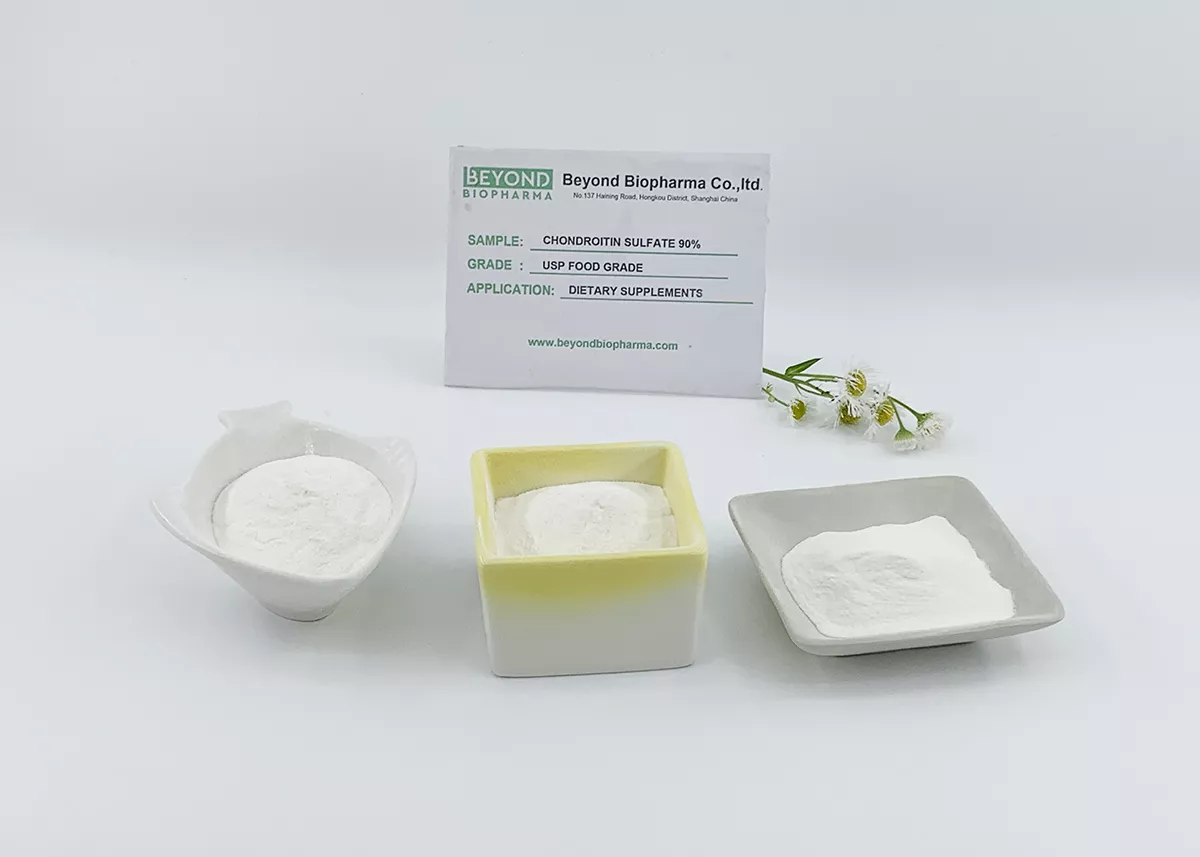
High Purity and Efficacy for Joint Health Formulations
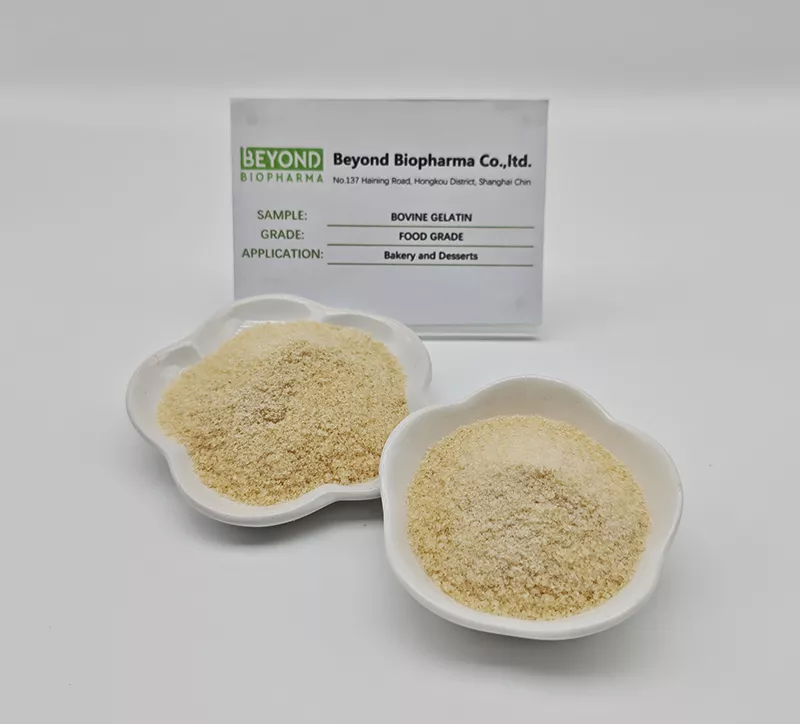
20 years experiences, 5000 ton/year capacity, Sustained supply with stable quality
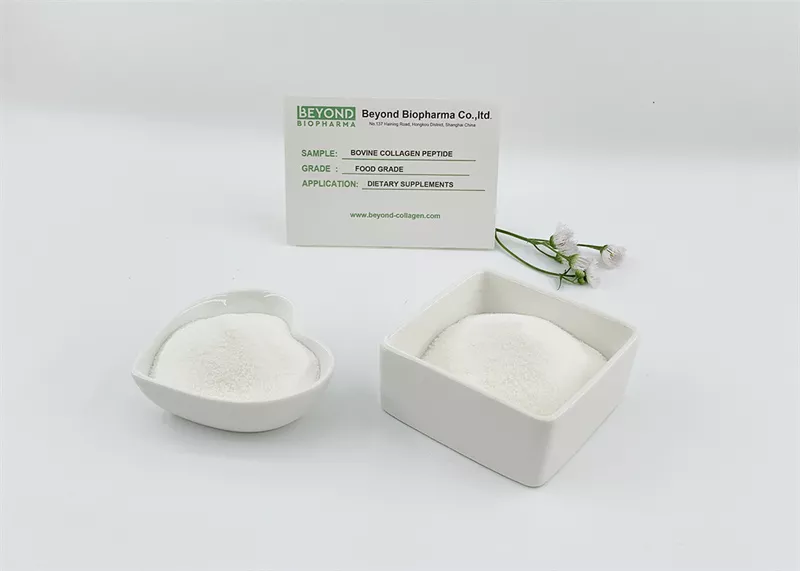
Manufacturer of bovine collagen peptide, shipping in containers all around the world
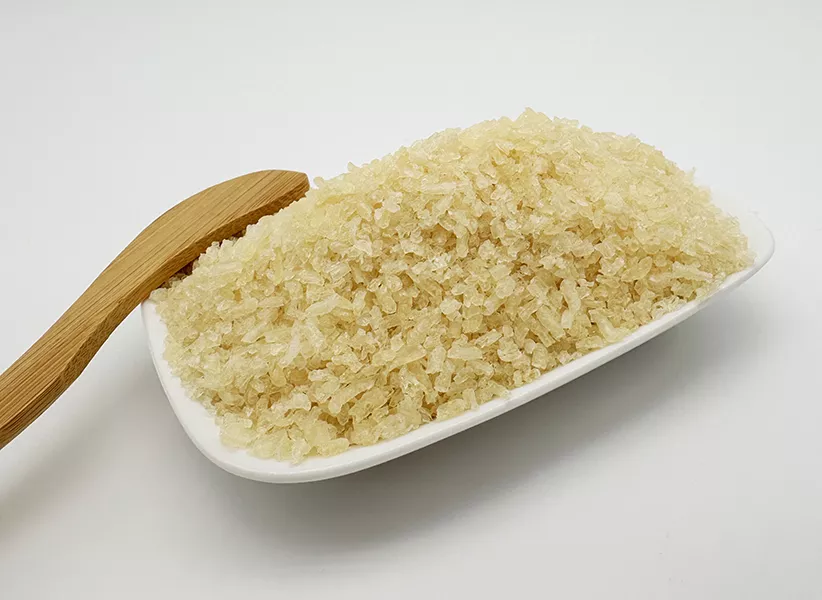
Our Bovine Hides Gelatin is engineered for versatility and compliance, ensuring performance across various applications.
Tel:+86 21 65010906
Cell/Whatsapp/Wechat:
+86 13482884055
+86 18657345785
Email: sales@beyondbiopharma.com




