English EN


Fish Gelatin Powder or Beef and Pork Gelatin Which Is Right for You
Compare fish gelatin powder with beef and pork gelatin to find the best option for dietary needs, texture, and recipes, including kosher and halal diets.
More
Choosing the right gelatin for collagen support can feel overwhelming with so many options on the market. This guide breaks down the top picks based on real-world efficacy, sourcing, and bioavailability. Whether you are looking to improve joint mobility, enhance skin elasticity, or support gut health, we focus on products that deliver measurable results without the hype. From high-bloom pharmaceutical grades to hydrolyzed peptides, each recommendation is backed by clinical research and practical use cases.
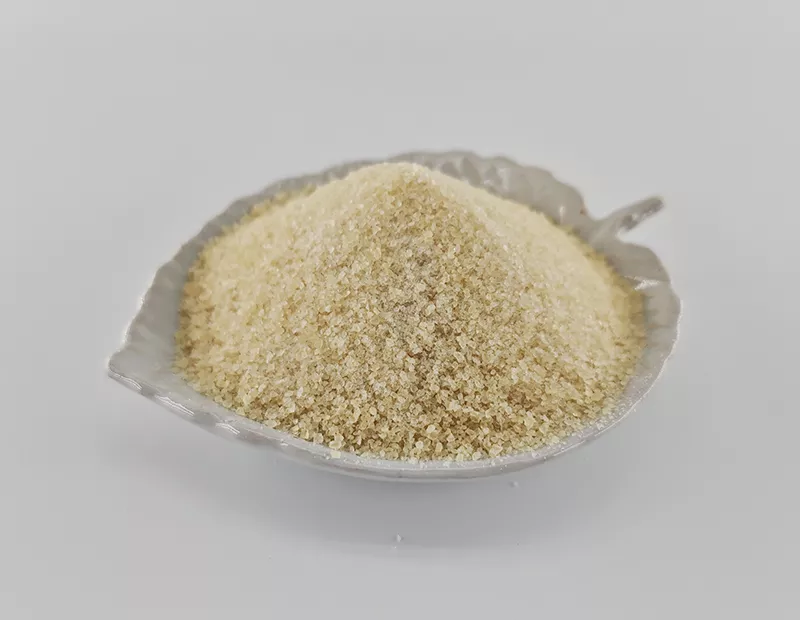
Gelatin is essentially cooked collagen. When collagen is heated, its protein chains break down into smaller, more digestible peptides. This process makes gelatin a versatile ingredient for both culinary and therapeutic uses. The key difference between gelatin and hydrolyzed collagen lies in the molecular weight: gelatin forms a gel when cooled, while hydrolyzed collagen (also called collagen peptides) dissolves easily in cold liquids. Both forms offer similar amino acid profiles, rich in glycine, proline, and hydroxyproline, which are critical for connective tissue repair.
For maximum results, the source matters. Bovine gelatin is high in Type I and Type III collagen, ideal for skin, bones, and tendons. Porcine gelatin is often used in capsules and gummies due to its gelling properties. Marine gelatin, derived from fish skin, is a good option for those avoiding mammalian products. Each type has its own bloom strength (a measure of gel firmness), which influences its application. For joint health specifically, undenatured Type II collagen from chicken sternum has shown promising results in clinical trials.
If you prefer a controlled dosage form, high-bloom gelatin for hard capsules offers excellent stability and bioavailability. This grade typically has a bloom value of 250-300, ensuring the capsule dissolves reliably in the digestive tract. It is ideal for encapsulating powdered collagen supplements or other nutrients. The encapsulation process also protects the collagen from oxidation, extending shelf life without compromising efficacy.
For targeted joint support, undenatured collagen type II is a clinically proven option. Unlike hydrolyzed collagen, this form retains its native triple-helix structure, which helps modulate the immune system and reduce joint inflammation. A 2016 study published in the Journal of the International Society of Sports Nutrition found that 40 mg daily of undenatured Type II collagen significantly improved knee joint function in athletes over 120 days. It works through oral tolerance, training the body to stop attacking its own joint cartilage.
For those who want to incorporate collagen into their diet naturally, edible bovine gelatin for food applications is a versatile choice. It works well in homemade gummies, broths, and desserts. One tablespoon (about 7 grams) provides roughly 6 grams of protein, with a complete amino acid profile. Look for grass-fed, pasture-raised sources to ensure higher nutrient density and fewer contaminants. This gelatin has a bloom strength around 200-250, making it suitable for firm gels without being rubbery.
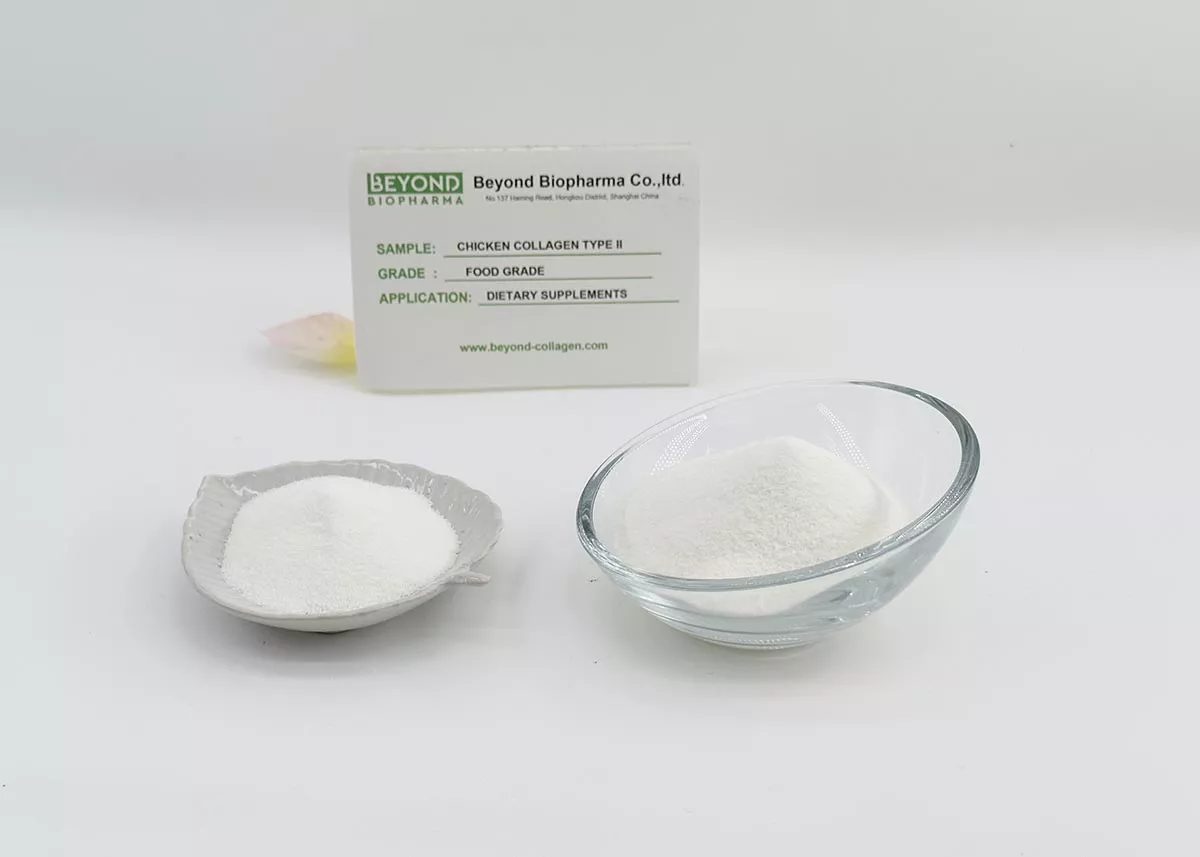
Start by identifying your primary goal. For skin and hair, hydrolyzed collagen peptides (Type I and III) are most effective because they are easily absorbed and stimulate fibroblast activity. A 2019 meta-analysis in Nutrients confirmed that hydrolyzed collagen significantly improves skin hydration, elasticity, and density after 8-12 weeks of daily use. For joint health, stick with undenatured Type II collagen or a combination of Type II with hyaluronic acid and vitamin C for synergistic effects.
Check the source and processing method. Avoid products with excessive heat treatment, as this can denature the collagen and reduce its efficacy. Look for third-party testing for heavy metals and contaminants, especially with marine sources. The bloom strength should match your intended use: lower bloom (100-150) for soft gels, medium bloom (200-250) for food, and high bloom (250-300) for capsules. Also consider the form: powder is more flexible for mixing, while capsules offer convenience and precise dosing.
Consistency is more important than dosage. Taking 10-15 grams of collagen peptides daily for at least 8 weeks is the standard recommendation for noticeable benefits. For gelatin, you need to bloom it properly in cold water before adding hot liquid to avoid clumping. Pairing collagen with vitamin C-rich foods (like citrus or bell peppers) can enhance absorption, as vitamin C is a cofactor for collagen synthesis. Avoid taking collagen with high-protein meals, as the amino acids may compete for absorption.
Store gelatin in a cool, dry place away from direct sunlight. Once opened, use within six months to maintain potency. If you experience digestive discomfort, start with a smaller dose (5 grams) and gradually increase. Some people find that hydrolyzed collagen is gentler on the stomach than traditional gelatin. For those with dietary restrictions, porcine gelatin is halal-certified in many cases, and bovine gelatin can be kosher if processed accordingly.
The best gelatin for collagen depends on your specific health goals and lifestyle. Whether you choose a high-bloom pharmaceutical grade for precise encapsulation, an undenatured Type II for joint relief, or a food-grade bovine gelatin for daily cooking, quality sourcing and proper usage are key. Always read labels carefully and consult with a healthcare professional if you have underlying conditions. With the right product and consistent use, you can support your body's natural collagen production and enjoy tangible improvements in mobility, skin health, and overall vitality.


We provide you with comprehensive foreign trade solutions to help enterprises achieve global development
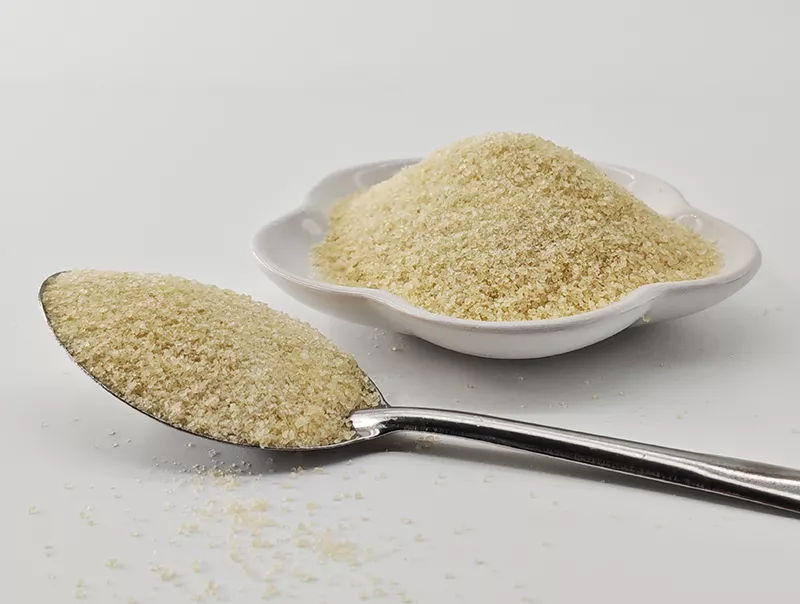
The High-Performance Barrier for Core Material Protection and Controlled Release.
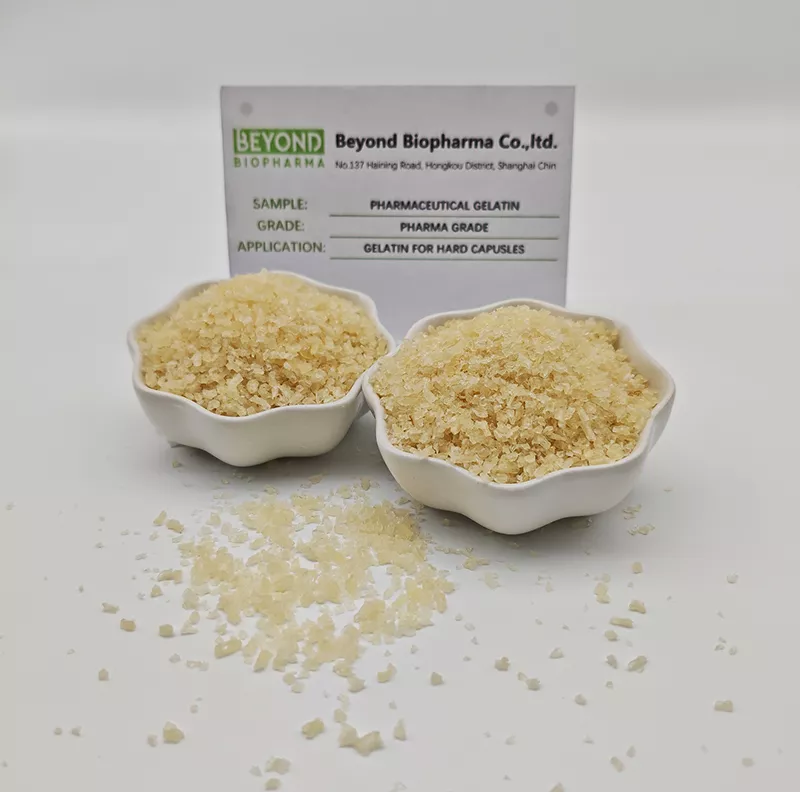
Precision, Purity, and Optimal Machinability
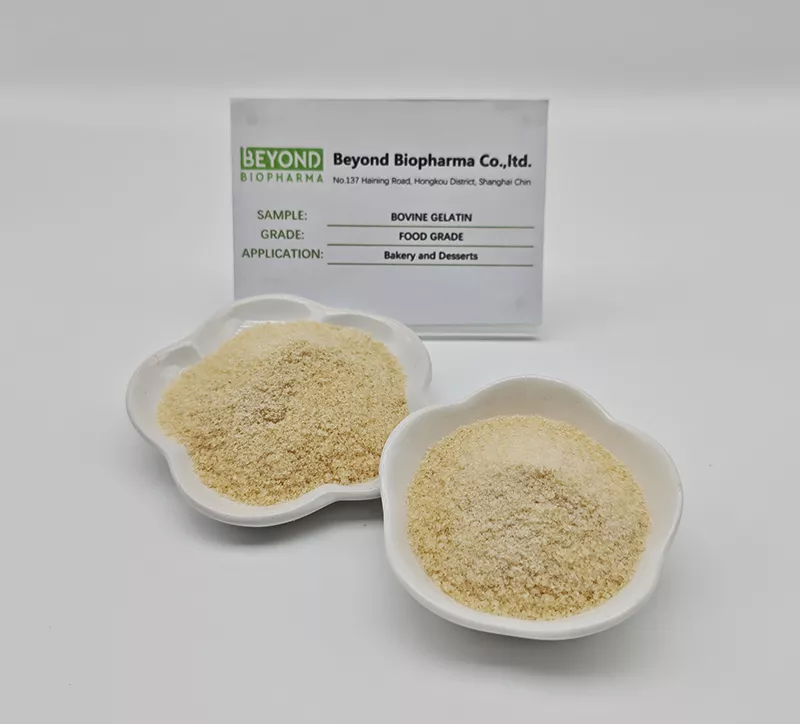
20 years experiences, 5000 ton/year capacity, Sustained supply with stable quality
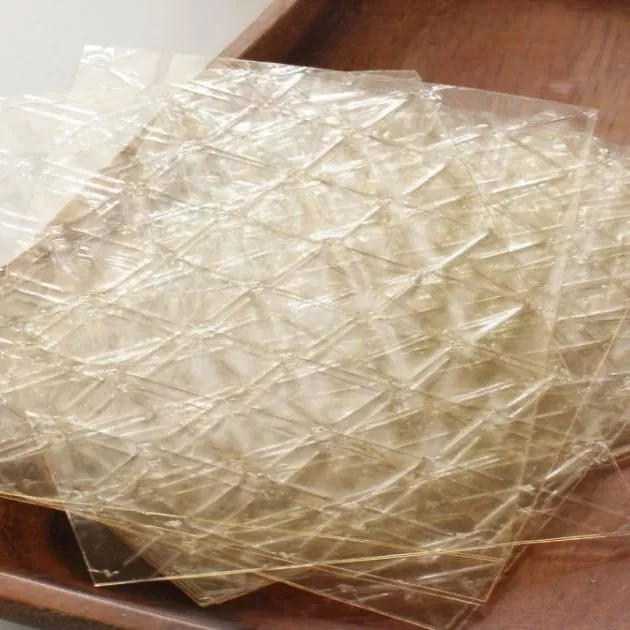
Our Gelatin Sheets are produced to precise standards, ensuring consistency and reliability across different Bloom grades (Silver being the most common professional choice).
Tel:+86 21 65010906
Cell/Whatsapp/Wechat:
+86 13482884055
+86 18657345785
Email: sales@beyondbiopharma.com