English EN


How to Use Gelatin Powder? Applications of Gelatin Powder
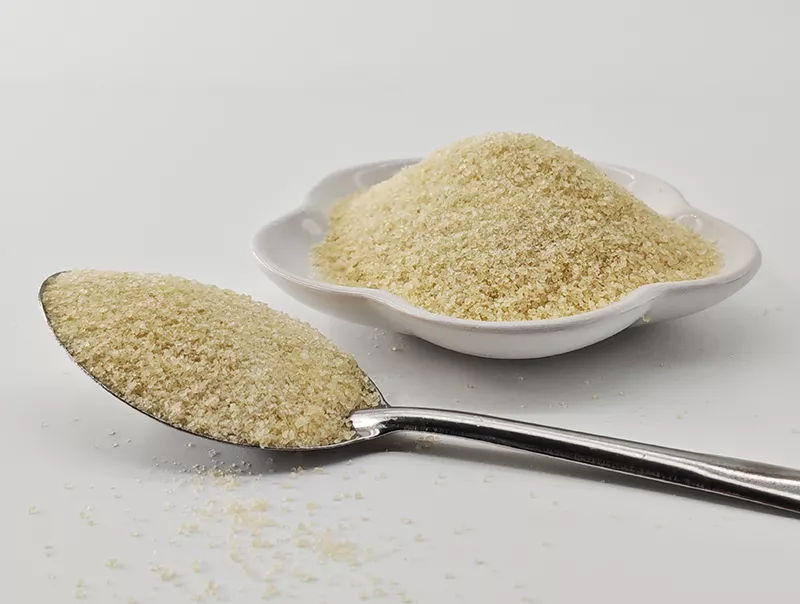
Use gelatin powder by blooming it in cold water, dissolving gently, and adding to recipes for perfect texture in desserts, sauces, and supplements.
More
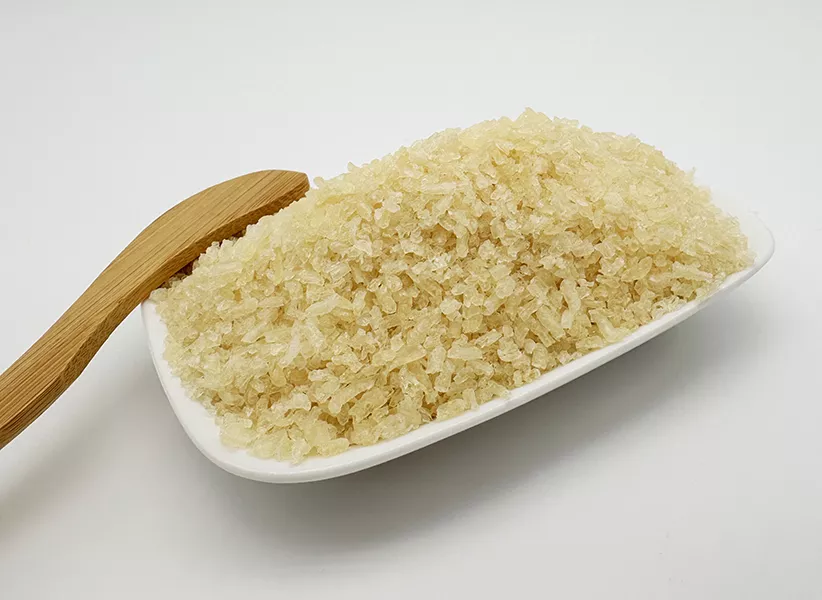
Agar agar is 100% plant-based, extracted from red algae, and is naturally free from animal products. This makes it an excellent choice for vegan, vegetarian, and kosher diets. Gelatin is derived from animal collagen, typically from bovine or porcine sources. If you follow a halal or kosher lifestyle, look for certified options like halal and kosher verified fish gelatin or edible bovine gelatin for food applications to meet dietary needs.
Agar agar sets at room temperature, typically around 35-40°C (95-104°F), and does not require refrigeration to solidify. It creates a firm, brittle gel that holds its shape well even in warm climates. Gelatin, however, melts at around 35°C (95°F) and requires refrigeration to set properly. The texture of gelatin is softer, more elastic, and melts in the mouth, which is why it is preferred for creamy desserts like panna cotta and mousses. For applications needing a sturdy gel, such as plant-based jellies or fruit preserves, agar agar is the better choice.
Agar agar is much more powerful than gelatin. Typically, 1 teaspoon of agar agar powder (about 2 grams) can set 1 cup of liquid. For gelatin, you would need about 1 tablespoon (around 7 grams) for the same volume. Agar agar must be dissolved in hot liquid and boiled for a few minutes to activate its gelling properties. Gelatin, on the other hand, should be bloomed in cold water first and then added to warm liquid, never boiled, as high heat can break down its structure. If you are working with gelatin in industrial or pharmaceutical settings, consider premium pharmaceutical gelatin for tablet coating for precise performance.
The texture difference is one of the most noticeable factors. Agar agar produces a gel that is firm, brittle, and somewhat crumbly, similar to a firm jelly. Gelatin yields a smooth, elastic, and tender gel that feels silky on the tongue. For desserts where a creamy, melt-in-the-mouth experience is desired, gelatin is superior. For dishes where you want a clean slice or a stable structure at room temperature, agar agar works better. Many chefs combine both for unique textures, but it is important to understand their individual properties first.
Agar agar is stable in acidic environments, making it ideal for citrus-based desserts and fruit jellies. Gelatin, however, can break down when exposed to high acidity or certain enzymes found in fresh pineapple, kiwi, and papaya. If you plan to use gelatin with these fruits, you must cook them first to deactivate the enzymes. For recipes that require a reliable set regardless of acidity, agar agar is more forgiving. For applications like micro-encapsulation where stability is crucial, gelatin for micro-encapsulation offers specialized performance.
Agar agar gels are thermoreversible, meaning they can be melted and reset multiple times, but they require higher temperatures to melt again (around 85°C or 185°F). Gelatin gels are also thermoreversible but melt at much lower temperatures, around 35°C (95°F). This makes gelatin more suitable for dishes that need to be served cold and melt easily in the mouth. For long-term storage, both should be kept in a cool, dry place. Agar agar powder has an almost indefinite shelf life if stored properly, while gelatin powder typically lasts 2-3 years.
Agar agar is widely used in Asian desserts, vegan jellies, plant-based puddings, and as a thickener in soups and sauces. Gelatin is the go-to for marshmallows, gummy candies, cheesecakes, and stabilized whipped cream. When substituting one for the other, remember that agar agar sets firmer and faster, so you may need to adjust liquid ratios and sweeteners. For savory applications like aspics or terrines, gelatin provides a more delicate texture. If you are looking for clean-label ingredients, food grade hyaluronic acid HA powder is another functional ingredient used in modern food formulations.
Agar agar is low in calories and contains no fat or protein, but it is rich in fiber, which can aid digestion. Gelatin is almost pure protein, providing amino acids like glycine and proline that support joint health, skin elasticity, and gut health. For those seeking collagen benefits, undenatured collagen type II is a clinically proven option for joint comfort. Neither ingredient contains significant vitamins or minerals, but both can be part of a balanced diet when used appropriately.
Always read the package instructions because different brands may vary in strength. For agar agar, whisk it into cold liquid before bringing it to a boil to prevent clumping. For gelatin, always bloom it in cold water for 5-10 minutes before adding to warm liquid. Do not boil gelatin. If your recipe fails to set, it is usually due to incorrect ratios or temperature issues. For industrial applications, using pharmaceutical grade bovine bone gelatin for hard capsules ensures consistent quality and safety.
The choice depends on your dietary preferences, desired texture, and the specific recipe. If you need a vegan, heat-stable gel that holds up at room temperature, go with agar agar. If you want a soft, creamy, and elastic texture that melts in the mouth, gelatin is your best bet. For specialized needs like joint health supplements, bovine chondroitin sulfate sodium is another ingredient worth exploring. Understanding these key differences will help you achieve perfect results every time, whether you are a home cook or a food industry professional.


We provide you with comprehensive foreign trade solutions to help enterprises achieve global development
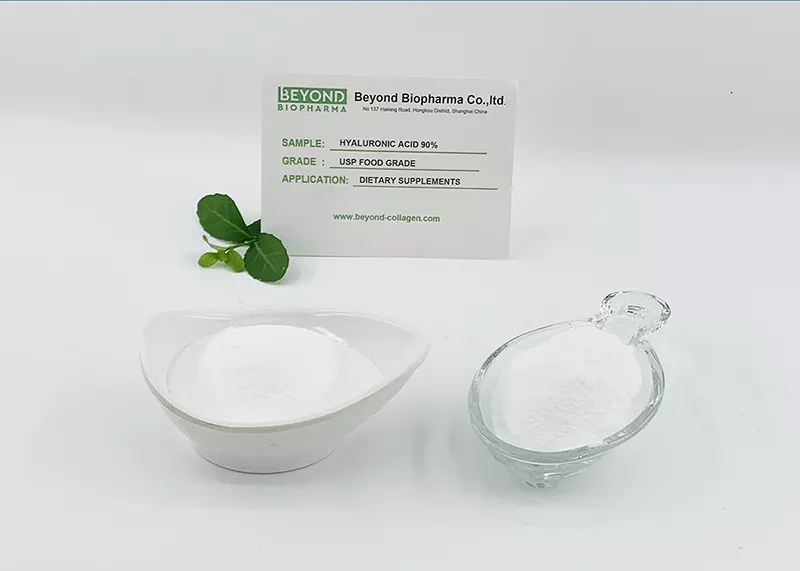
High Molecular Weight for Superior Joint, Skin, and Eye Health.
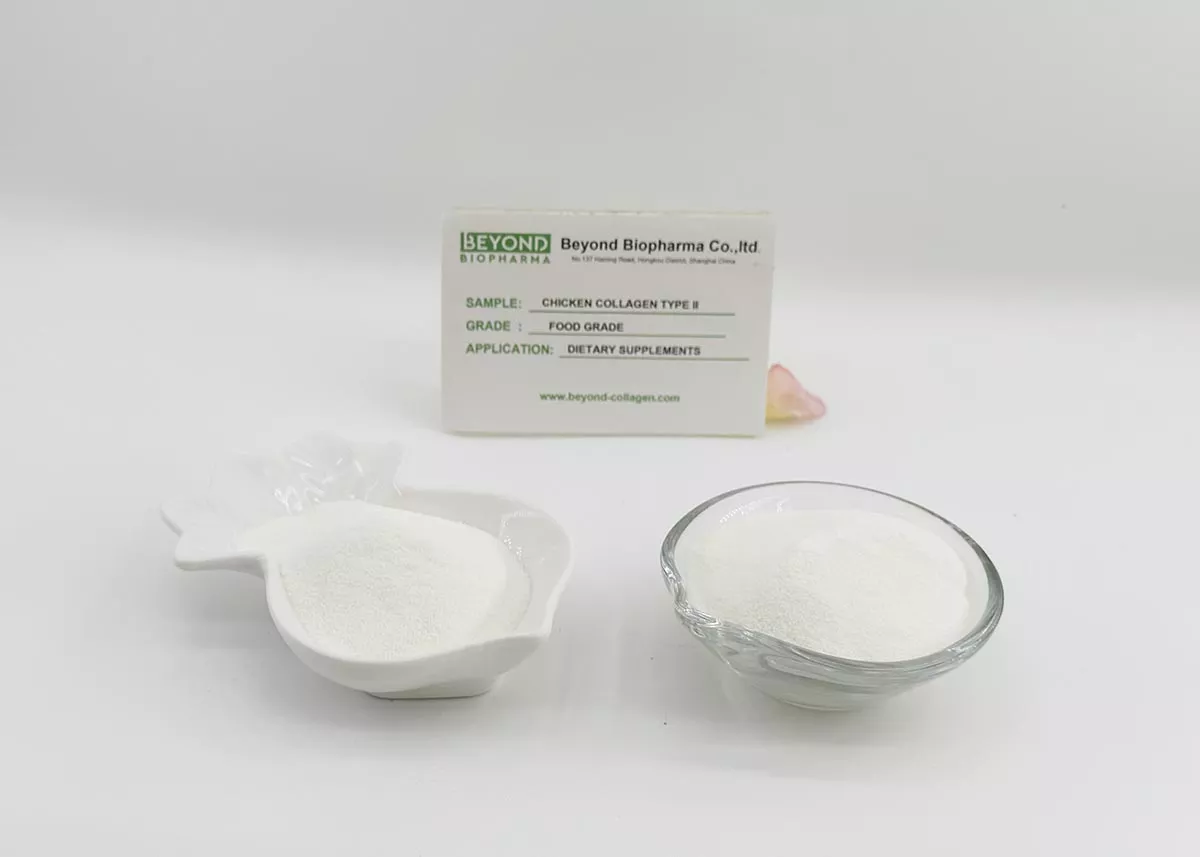
BEYOND BIOPHARMA is a specialized manufacturer of highly purified Hydrolyzed Collagen Type II. Through advanced enzymatic hydrolysis, we create low-molecular-weight collagen peptides that are highly bioavailable, offering foundational nutritional support for cartilage repair, joint function, and skin health. Our product is designed for rapid absorption and maximum efficacy in oral supplements.
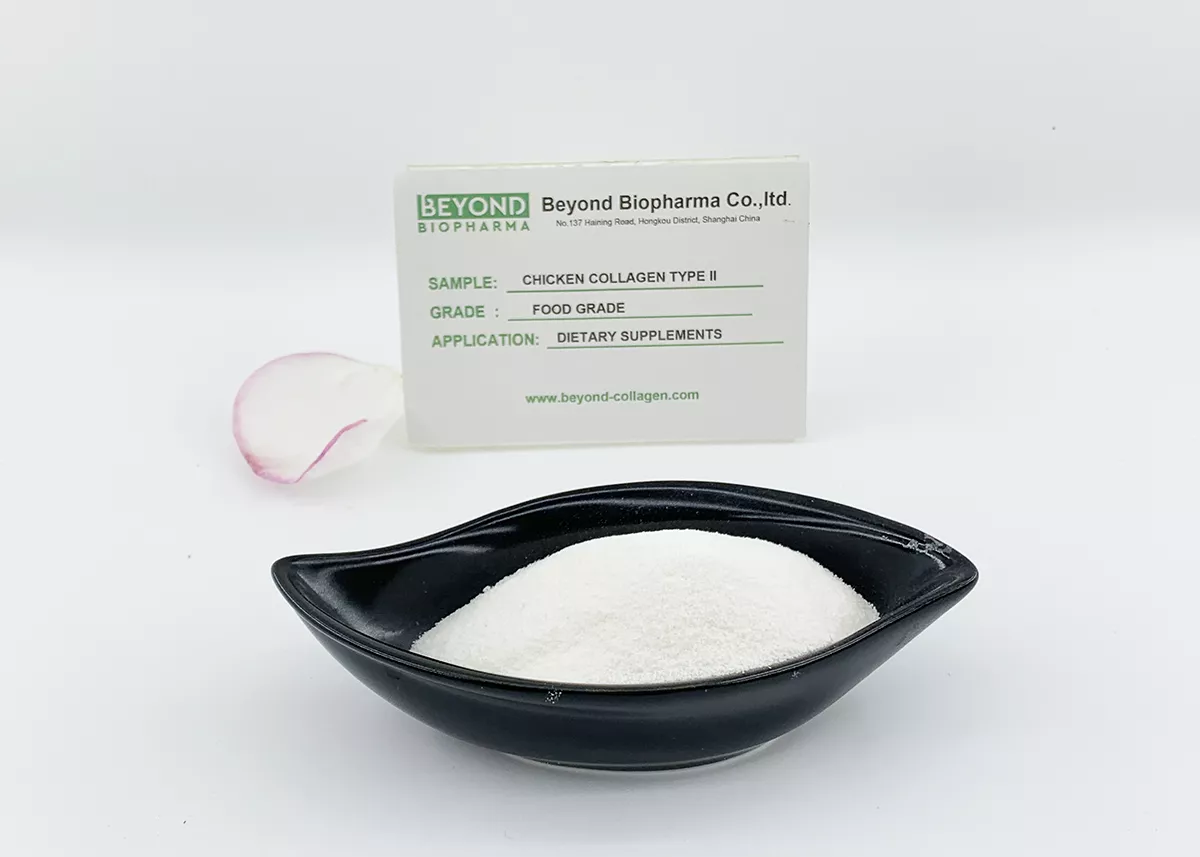
BEYOND BIOPHARMA is a specialized manufacturer of high-quality Undenatured Collagen Type II. Utilizing low-temperature, non-enzymatic extraction methods, our Undenatured Collagen Type II retains its native, triple-helix structure, essential for modulating the immune system's response to joint health and providing superior support for mobility, flexibility, and overall joint comfort.
The High-Performance Barrier for Core Material Protection and Controlled Release.
Tel:+86 21 65010906
Cell/Whatsapp/Wechat:
+86 13482884055
+86 18657345785
Email: sales@beyondbiopharma.com