 English EN


Porcine gelatin always protects vaccines from harm
Porcine gelatin stabilizes vaccines, ensuring safety and effectiveness. Most people tolerate it well, with rare allergic reactions and strict quality controls.
More
When sourcing ingredients for gummies, softgels, or plant-based desserts, one of the first questions overseas purchasing managers ask is: what is edible gelatin called in Hindi? The direct translation is "खाद्य जिलेटिन" (Khaadya Jiletein), but in the Indian market, the term "जिलेटिन" is widely understood. For vegan or allergen-free formulations, agar agar (also known as "अगर-अगर" in Hindi) is a popular substitute. This guide provides a professional, data-driven comparison to help you make informed bulk buying decisions.
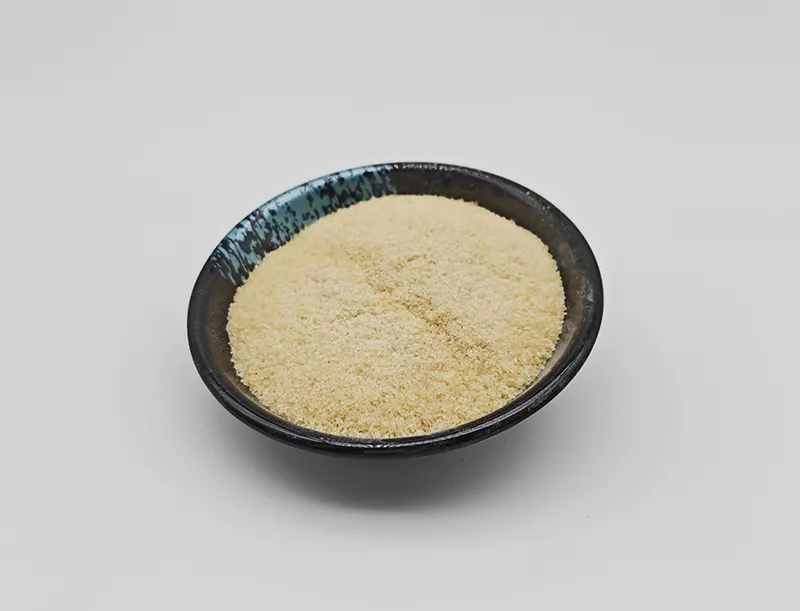
In Hindi, edible gelatin is commonly referred to as "खाद्य जिलेटिन" (Khaadya Jiletein) or simply "जिलेटिन." This term covers gelatin derived from bovine, porcine, or fish sources. For buyers targeting the Indian subcontinent or working with Hindi-speaking suppliers, using "जिलेटिन" ensures clear communication. However, if you need a vegan alternative, agar agar (अगर-अगर) is the go-to term. Agar agar is a plant-based gelling agent derived from seaweed, and it is often used in Indian sweets and desserts. Understanding this distinction is critical for product developers and QA teams when specifying ingredients for gummies, capsules, or confectionery.
Edible gelatin is produced through the partial hydrolysis of collagen obtained from animal hides, bones, or fish skin. The process involves enzymatic hydrolysis, followed by extraction, filtration, concentration, and drying. The key performance metric is Bloom strength (measured in grams), which indicates gel firmness. For gummies and softgels, a Bloom range of 150–260 g is typical. Viscosity, mesh size, and moisture content also matter. For example, pharmaceutical-grade gelatin for hard capsules requires high viscosity and low moisture. In contrast, agar agar sets at room temperature and does not require refrigeration, making it ideal for certain desserts and microbiological media. As a buyer, you should request a Certificate of Analysis (COA) to verify these parameters.
The table below outlines typical industry ranges for edible gelatin and agar agar. Note: these are generic ranges; final values should be confirmed per COA or sample.
| Parameter | Edible Gelatin (Bovine/Porcine/Fish) | Agar Agar (Seaweed-based) |
|---|---|---|
| Bloom Strength | 50–300 g (typical industry range; pharma/gummies often 150–260 Bloom) | Not applicable; gel strength measured by gelation temperature (32–43°C) |
| Viscosity | 2.0–5.5 mPa·s (typical industry range) | Low viscosity; sets without viscosity contribution |
| Mesh Size | 8–60 mesh (typical industry range) | Powder or strips; mesh varies by supplier |
| Moisture | ≤14% (typical industry range) | ≤20% (typical industry range) |
| Protein Content | ≥85% (collagen peptides: ≥90%) | Negligible; primarily polysaccharides |
| Source | Bovine, porcine, fish | Red seaweed (Gracilaria, Gelidium) |
For collagen peptides (fish or bovine), molecular weight typically ranges from 2,000–5,000 Da (fish often lower for faster absorption). Plant protein peptides (pea, rice, soy) have protein content of 80–90% and molecular weight commonly below 5,000 Da. Always verify with your supplier.
Your choice between edible gelatin and agar agar depends on the end application and dietary requirements.
For overseas buyers, consider factors like allergen profile (fish vs. bovine vs. plant), certification requirements (Halal, Kosher, BSE-free), and solubility. Beyond Biopharma offers free samples and formulation support to help you test the right grade.
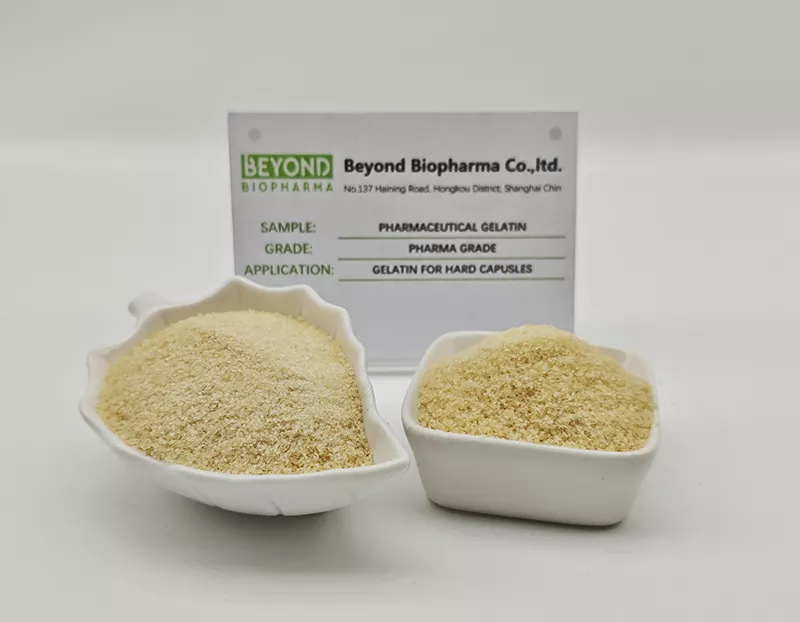
Beyond Biopharma is a Shanghai, China–based manufacturer with over 10 years of experience in the food-ingredient industry. Our products are exported to more than 50 countries. We specialize in Edible Gelatin (bovine, porcine, fish), Pharmaceutical Gelatin, Food Grade Porcine Gelatin, Gelatin for Micro-encapsulation, and plant protein peptides. Our facility has an annual capacity of approximately 3,000 MT for collagen and 5,000 MT for gelatin, with fully automatic production lines, GMP clean workshops, and stainless-steel sealed piping. We hold ISO 9001, US FDA registration, and select products carry Halal or Kosher certifications (e.g., fish gelatin). Our bovine bone gelatin is BSE-free. We also offer Bovine Chondroitin Sulfate Sodium and other joint health ingredients. Our in-house lab conducts heavy-metal and microbiological testing, supported by a dedicated QA/QC team. We provide free samples and formulation support across food, pharmaceutical, and cosmetic grades.
Q1: What is the exact Hindi term for edible gelatin?
The exact Hindi term is "खाद्य जिलेटिन" (Khaadya Jiletein). In everyday trade, "जिलेटिन" is commonly used. For vegan alternatives, "अगर-अगर" (agar agar) is the standard term.
Q2: Can agar agar replace edible gelatin in all applications?
No. Agar agar works well for vegan desserts, jellies, and microbiological media, but it cannot replace gelatin in gummies, softgels, or capsules due to differences in gel texture, melting point, and protein content. Always test a sample first.
Q3: What Bloom strength should I choose for gummy production?
For gummies, a Bloom strength of 150–260 g is typical. Higher Bloom (e.g., 250 g) yields firmer gummies, while lower Bloom (e.g., 150 g) gives a softer chew. Confirm with your supplier via COA.
Q4: Does Beyond Biopharma offer Halal-certified gelatin?
Yes. Select products, including fish gelatin, carry Halal certification. Our bovine bone gelatin is BSE-free and suitable for pharmaceutical use. Contact us for specific certification documents.
Q5: What is the typical molecular weight of fish collagen peptides?
Fish collagen peptides typically have a molecular weight of 2,000–5,000 Da, with some tripeptide variants being lower for faster absorption. This is a generic industry range; final values per COA.
Q6: Can I get free samples to test before bulk ordering?
Yes. Beyond Biopharma offers free samples for evaluation. Provide your application, required grade (food/pharma/cosmetic), quantity/MOQ, target specs (Bloom, mesh, molecular weight, certifications), and destination country to receive a quote and samples.
Ready to source edible gelatin or agar agar alternatives for your next project? Contact Beyond Biopharma with your application details, required grade (food, pharmaceutical, or cosmetic), target quantity/MOQ, and desired specifications (Bloom, mesh size, molecular weight, certifications). Tell us your destination country, and we will send free samples and a competitive quote. Our team is ready to support your bulk supply and formulation needs with consistent quality and global certifications.

We provide you with comprehensive foreign trade solutions to help enterprises achieve global development
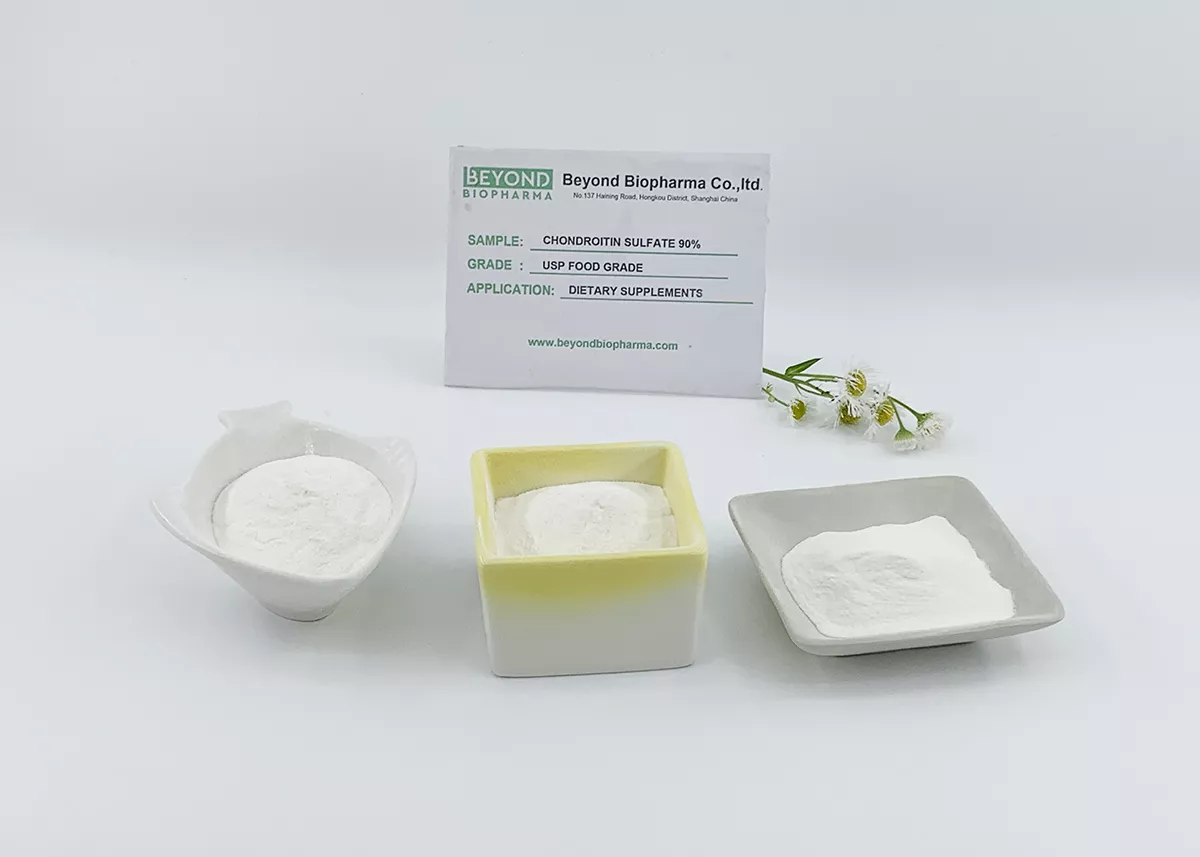
High Purity and Efficacy for Joint Health Formulations
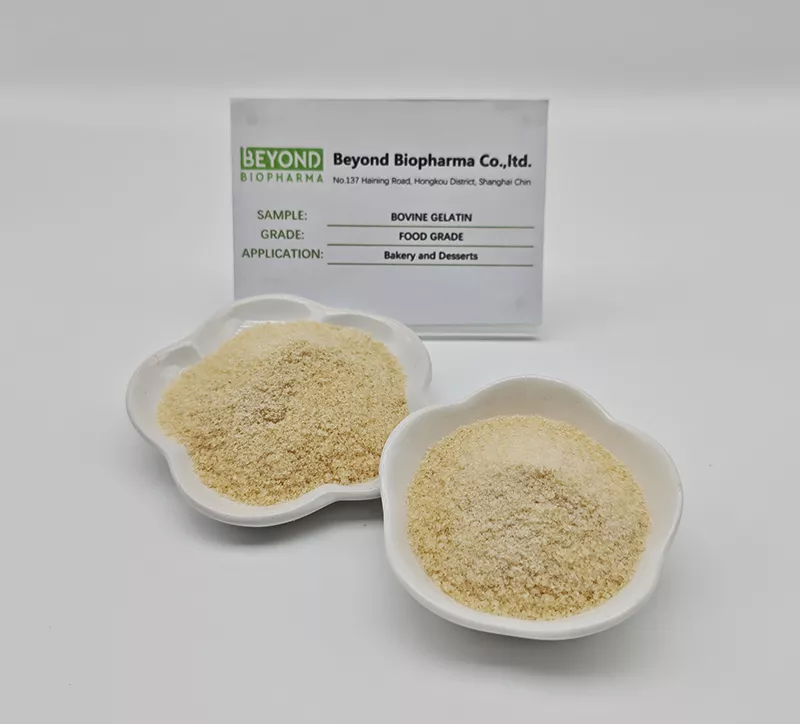
20 years experiences, 5000 ton/year capacity, Sustained supply with stable quality
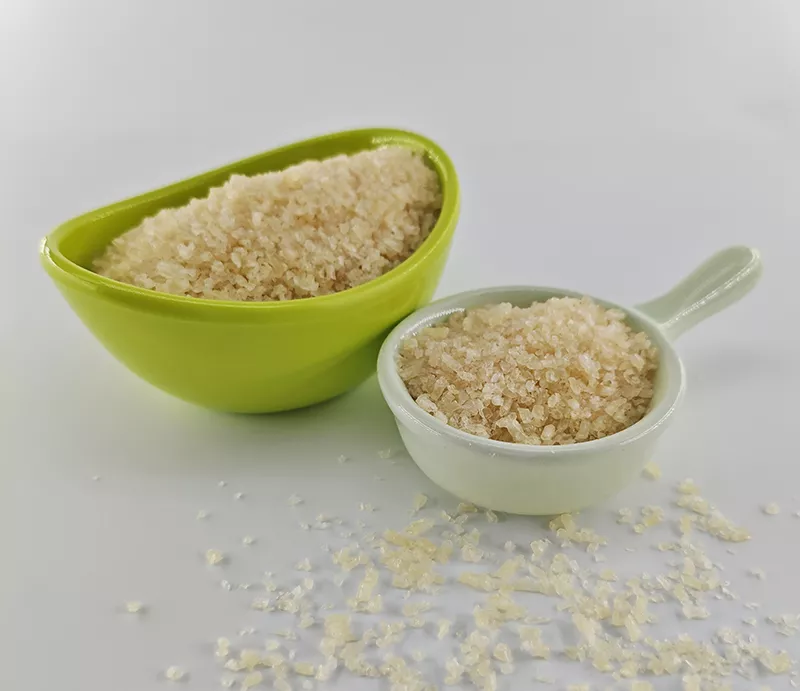
Stability, Swallowing Enhancement, and Controlled Release
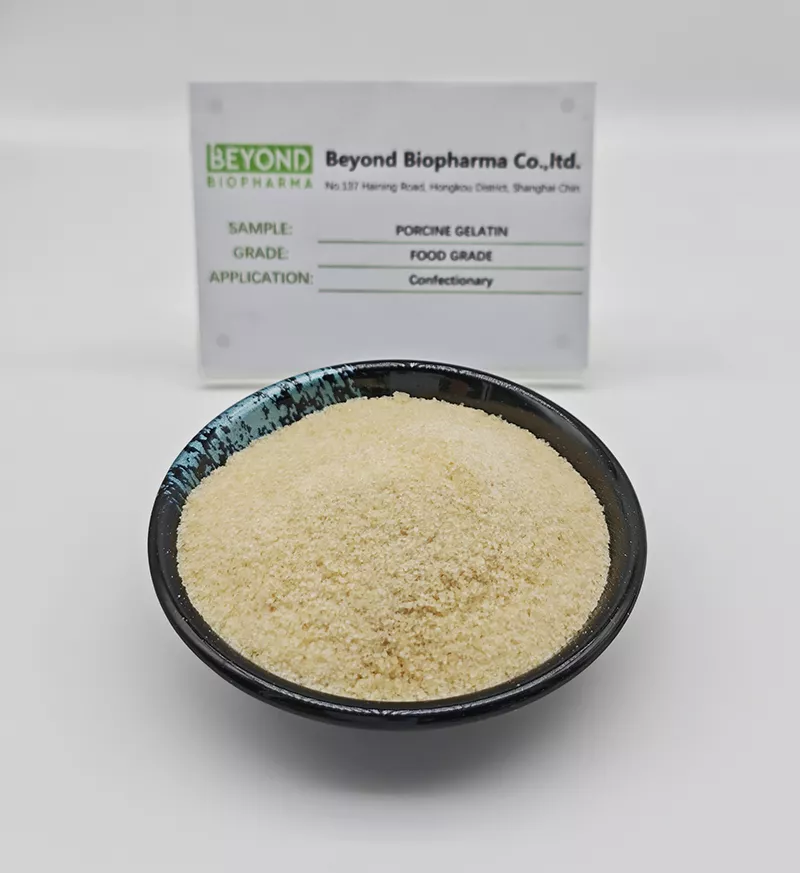
Food-grade porcine gelatin is a highly versatile and cost-effective natural protein derived from the collagen found in pig skin and bones. It is a premier gelling agent known for its exceptional clarity, neutral taste, and thermal reversibility.
Select the most popular foreign trade service products to meet your diverse needs
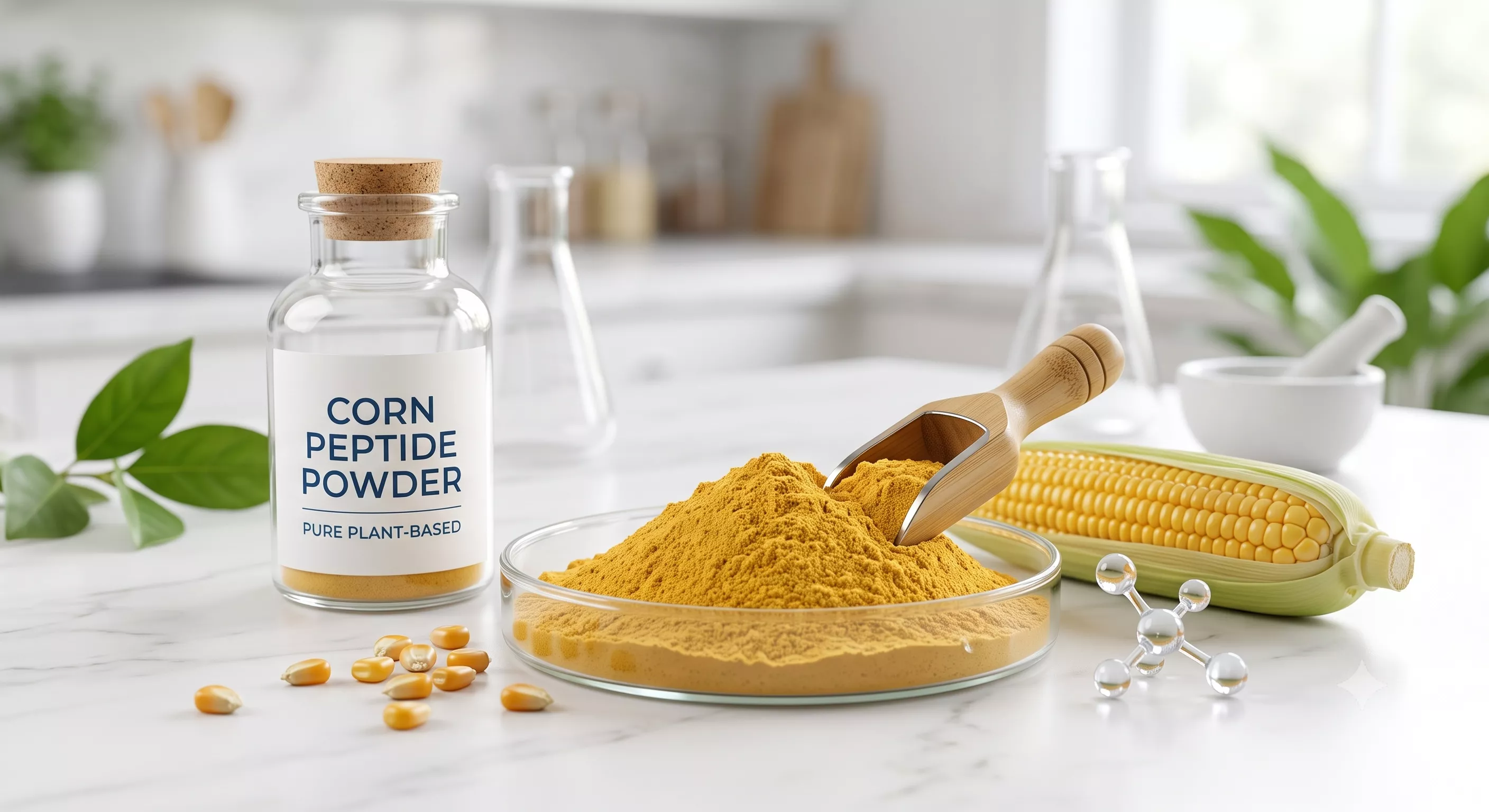
Source high-purity wholesale hydrolyzed corn protein peptide powder in bulk. Over 85% oligopeptides under 1000 Da. Rich in Alanine and Leucine for liver support and sobriety formulas.
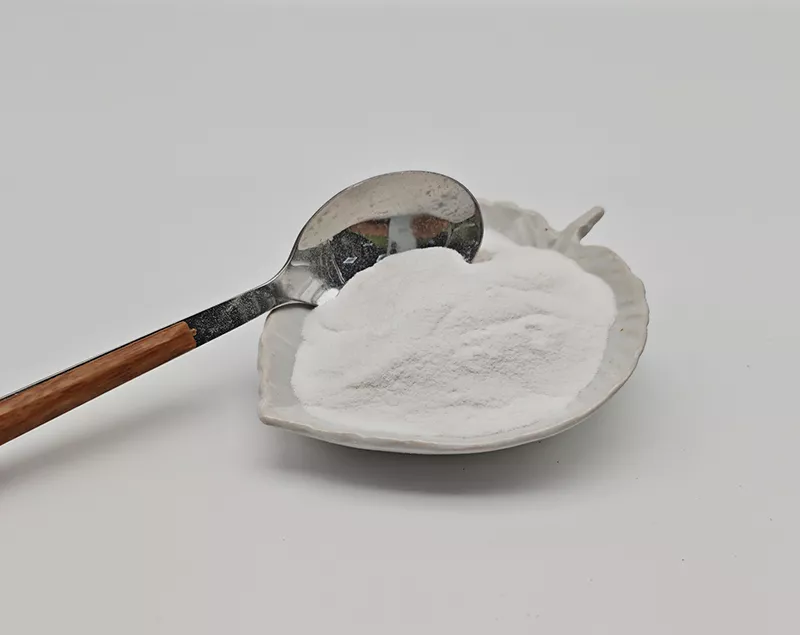
Fish Gelatin for foods is increasingly recognized as the premium alternative to traditional mammalian sources, meeting the growing global demand for clean-label ingredients that align with diverse dietary and religious requirements. Derived from the skin and scales of fish like cod and tilapia, fish gelatin offers unique functional benefits that make it an exceptional gelling, stabilizing, and texturizing agent.
Food-grade porcine gelatin is a highly versatile and cost-effective natural protein derived from the collagen found in pig skin and bones. It is a premier gelling agent known for its exceptional clarity, neutral taste, and thermal reversibility.
Tel:+86 21 65010906
Cell/Whatsapp/Wechat:
+86 13482884055
+86 18657345785
Email: sales@beyondbiopharma.com





User Comments
Service Experience Sharing from Real Customers
Jaxon
Home BakerAs someone who experiments with Indian sweets at home, I was always confused about what edible gelatin is called in Hindi. Finally found this product labeled as 'खाद्य जिलेटिन' – it's a game changer! My rasmalai holds shape perfectly now, and it's so easy to use. No more runny desserts!
Jackie
Catering ManagerOrdered this for our wedding catering business. We needed a reliable gelatin for some fusion desserts, and knowing the local term 'खाने योग्य जिलेटिन' really helped our kitchen staff. Texture is consistent batch after batch. Knocking off one star because the packaging could be more resealable.
Jackson
Food Science StudentFor my college project on food additives, I specifically searched for 'edible gelatin in Hindi' – this product came up as 'खाद्य जिलाटिन'. Honestly, the purity level is higher than I expected for the price. My professor was impressed with the clarity in my gummy sample tests. Great find!
Jacqueline
Ayurvedic NutritionistI recommend this to clients who need gelatin but prefer products with clear regional labeling. Seeing 'खाने के लिए जिलेटिन' on the pack builds trust. It blends well with herbal formulations and has no odd aftertaste. Finally, a gelatin that doesn't make my traditional recipes feel 'foreign'.