 English EN


Tackling the Gelatin Cross-Linking Phenomenon in Softgel Capsules
USP Tier 2 enzyme testing resolves cross-linking and cloudy softgels: diagnosing gelatin capsule shell failures. High-purity gelatin prevents shell degradation.
More
When we talk about edible flowers in gelatin, we refer to the practice of incorporating whole or processed flower petals, buds, or extracts into a gelatin matrix for gummies, jellies, panned confections, or decorative dessert gels. The core challenge for overseas buyers is balancing visual appeal with functional performance — ensuring the gelatin sets properly, the flower pieces remain suspended without sinking, and the final product has a clean taste without off-notes from the botanical material.
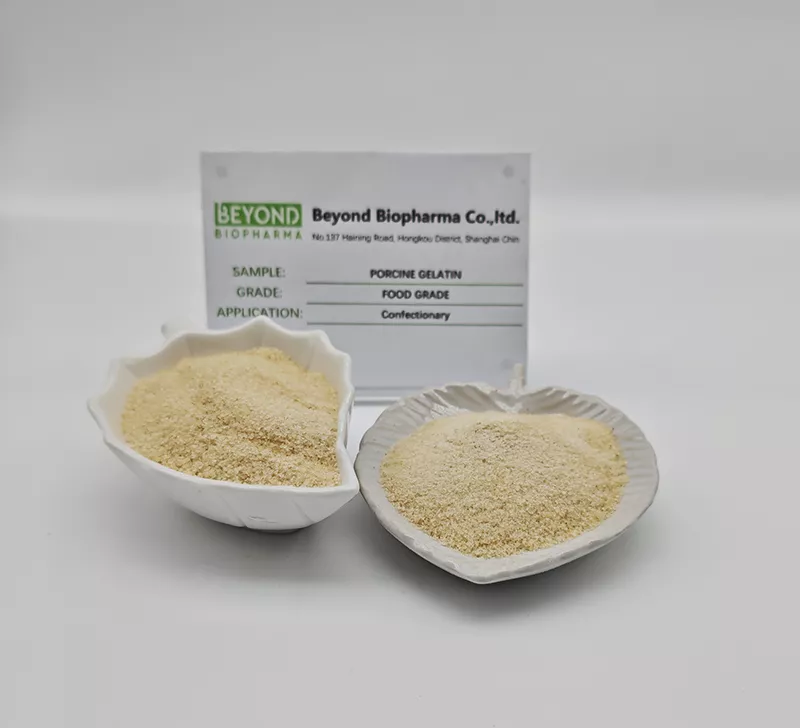
The production process for edible flowers in gelatin typically involves two parallel streams: preparing the gelatin solution and conditioning the flower material. Gelatin is produced through controlled hydrolysis of collagen from bovine, porcine, or fish sources. The bloom strength — measured in grams — determines the firmness of the final gel. For flower inclusions, a bloom range of 150–260 g is common for gummies and jellies, as it provides enough structure to hold petals in suspension without becoming rubbery.
Flowers are typically dried, freeze-dried, or candied before incorporation. Fresh petals contain too much moisture and can cause syneresis (water separation) or microbial spoilage. The gelatin solution is cooled to around 50–60°C before adding flower pieces to avoid dissolving delicate pigments. After mixing, the blend is poured into molds and cooled under controlled humidity. For applications like Edible Gelatin for confectionery, maintaining a pH between 4.5 and 5.5 helps preserve flower color and gel strength.
The table below lists common parameter ranges for gelatin grades suitable for flower-infused products. These are typical industry ranges; final values should be confirmed per Certificate of Analysis (COA) or sample testing.
| Parameter | Typical Range | Notes |
|---|---|---|
| Bloom (g) | 150 – 260 | Higher bloom for firmer gummies; 200–240 Bloom common for flower suspensions |
| Viscosity (mPa·s) | 2.0 – 5.5 | Affects pouring and setting speed |
| Mesh size | 8 – 60 | Finer mesh for faster dissolution; coarser for decorative chunks |
| Moisture (%) | ≤ 14 | Standard for shelf stability |
| Protein (%) | ≥ 85 | Indicates purity and gel strength potential |
For edible flowers in gelatin, we recommend starting with a medium-high bloom (200–240 g) and a mesh size of 20–30 for even dispersion. If you are using flower extracts rather than whole petals, lower bloom (150–180 g) may suffice. Always request a sample to test compatibility with your specific botanical source.
Different industries use edible flowers in gelatin for distinct purposes. Below is a breakdown by application with selection guidance.
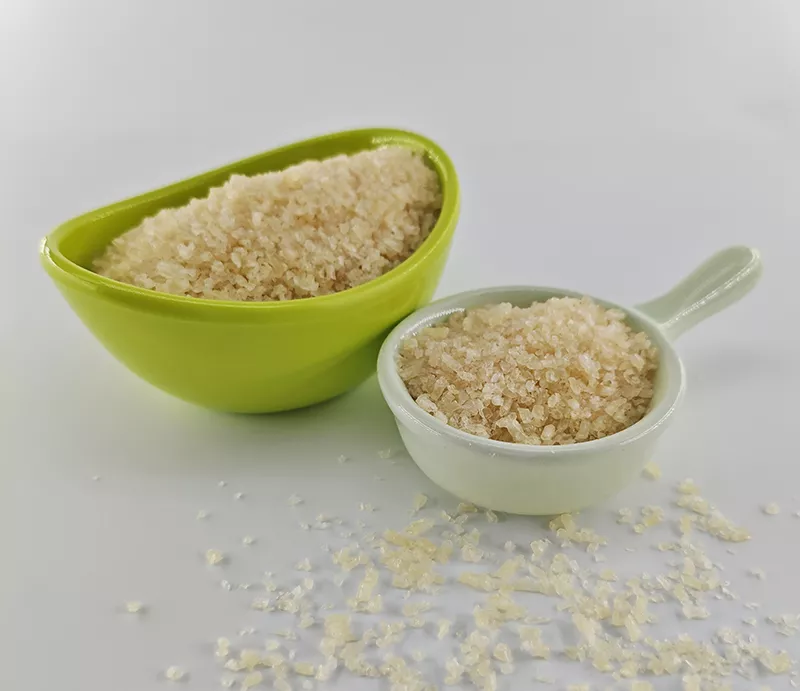
Beyond Biopharma is a Shanghai-based manufacturer with over 10 years of experience in collagen peptides, gelatin, and plant protein peptides. We export to more than 50 countries and operate a fully automatic production line with GMP clean workshops, stainless-steel sealed piping, and automated temperature/pH control. Our annual capacity is approximately 3,000 MT for collagen and 5,000 MT for gelatin. We hold ISO 9001, US FDA registration, and select products carry Halal or Kosher certification. Our bovine bone gelatin is BSE-free, and our in-house lab performs heavy-metal and microbiological testing with a dedicated QA/QC team.
We offer three grades — food, pharmaceutical, and cosmetic — and support custom bulk supply with formulation assistance. Whether you need high-bloom bovine hide gelatin for flower gummies or ultra-high-viscosity pharmaceutical gelatin for softgels, we can provide free samples and specification sheets for evaluation.
No. Fresh flowers contain too much moisture and enzymes that can break down gelatin, causing syneresis and spoilage. Always use dried, freeze-dried, or candied flowers for best results.
A bloom of 200–240 g is ideal for gummies with flower pieces. This range provides enough firmness to suspend petals while maintaining a pleasant chewable texture. Lower bloom may cause settling.
Yes, especially if the flowers are acidic (e.g., hibiscus). Low pH can weaken gelatin. We recommend testing your flower material and adjusting the gelatin concentration or using a buffer to maintain pH above 4.5.
Yes. Plant protein peptides from pea, rice, or soy can be used, but they do not form the same thermoreversible gel as gelatin. For vegan flower jellies, consider pectin or agar, though the texture will differ significantly.
Cool the gelatin solution to around 50°C before adding flowers. Higher viscosity gelatin (higher bloom) also helps suspend particles. For very light petals, a brief pre-gelation step can lock them in place.
Yes. Fish gelatin has a lower melting point and is often preferred for soft, melt-in-the-mouth applications. It works well with flower extracts but may require a higher bloom to hold whole petals.
If you are sourcing edible flowers in gelatin for your next product line, we invite you to contact us with the following details so we can send free samples and a competitive quote:
Our team will match your requirements with the most suitable gelatin or collagen peptide product and provide formulation support if needed. We look forward to helping you bring flower-infused gelatin products to market with confidence.

We provide you with comprehensive foreign trade solutions to help enterprises achieve global development
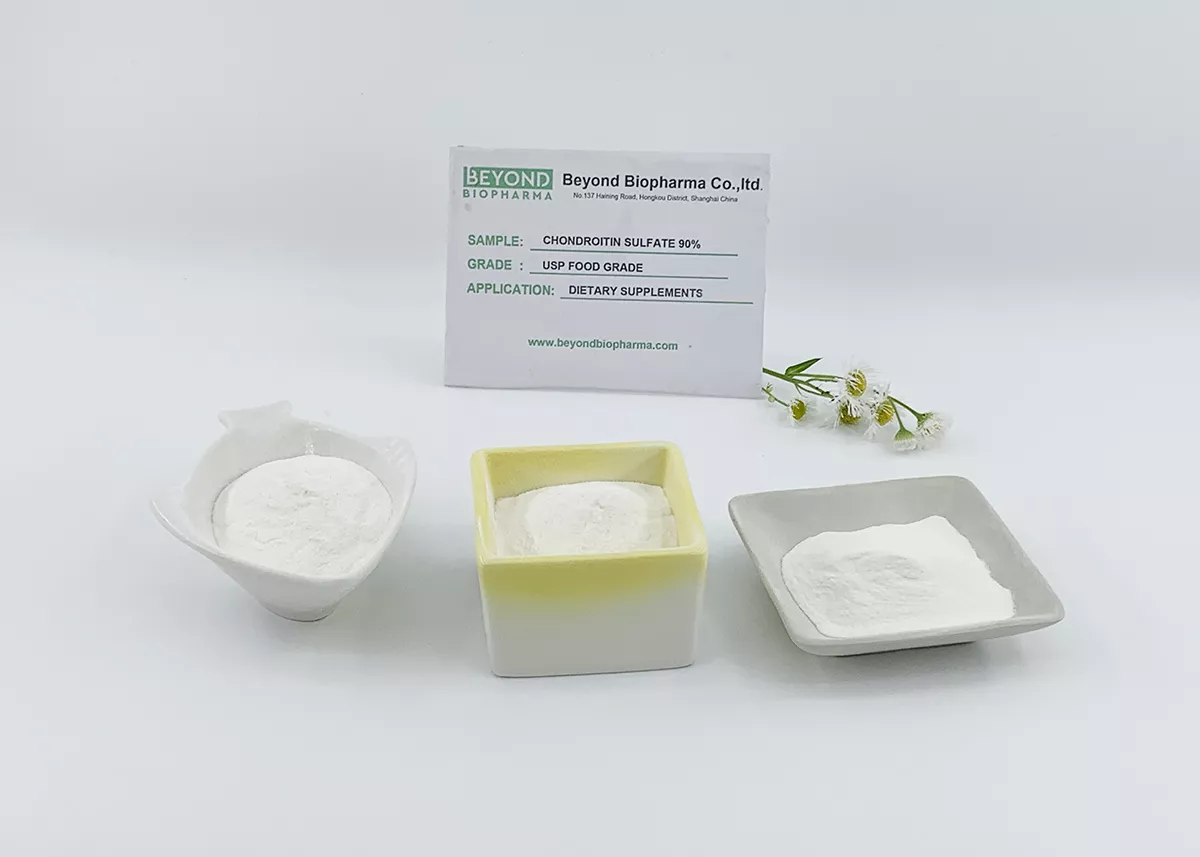
High Purity and Efficacy for Joint Health Formulations
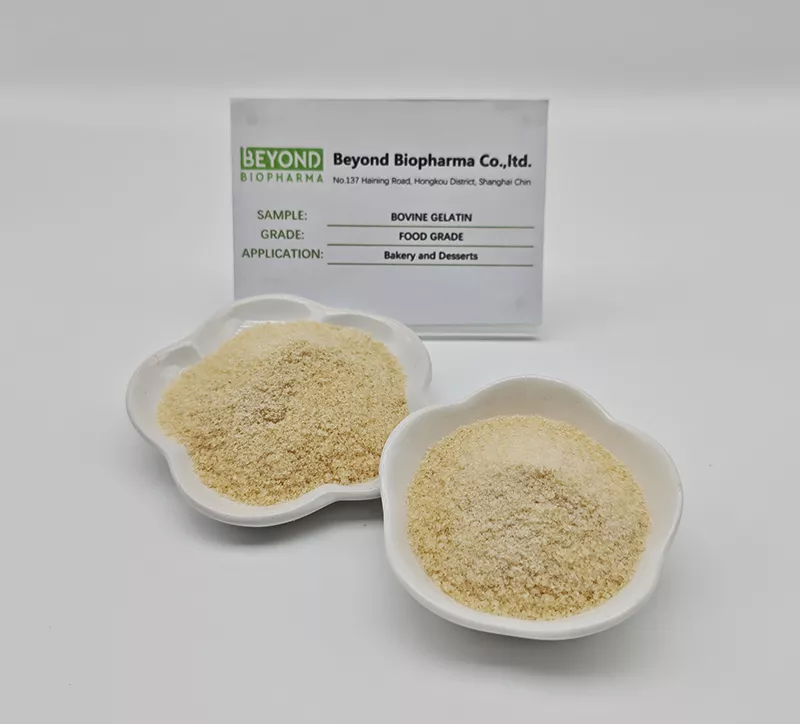
20 years experiences, 5000 ton/year capacity, Sustained supply with stable quality
Stability, Swallowing Enhancement, and Controlled Release
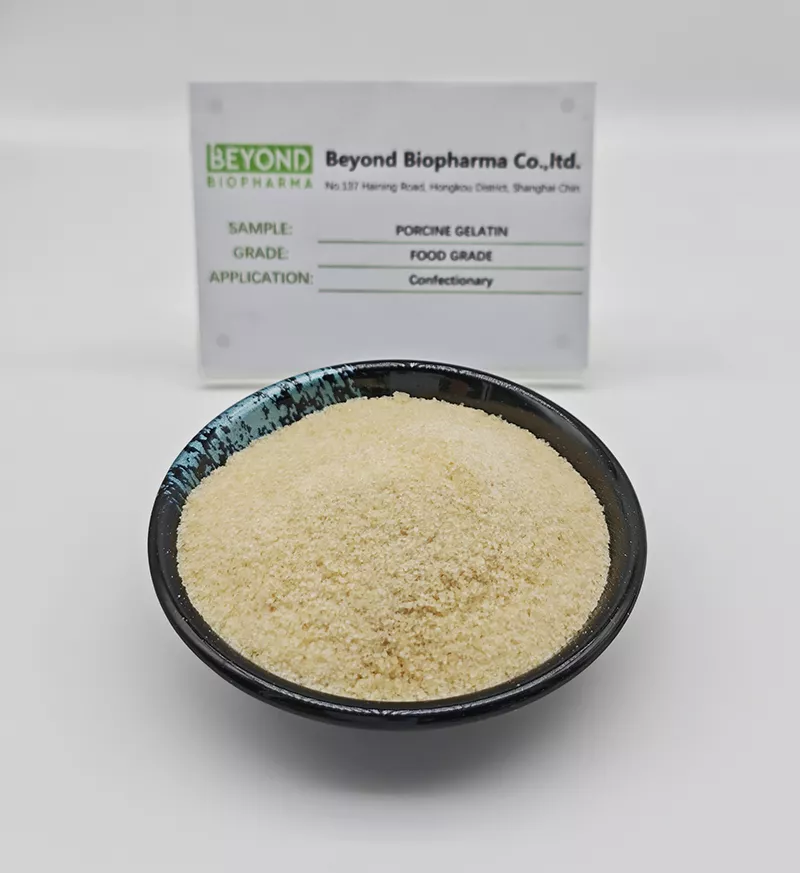
Food-grade porcine gelatin is a highly versatile and cost-effective natural protein derived from the collagen found in pig skin and bones. It is a premier gelling agent known for its exceptional clarity, neutral taste, and thermal reversibility.
Select the most popular foreign trade service products to meet your diverse needs
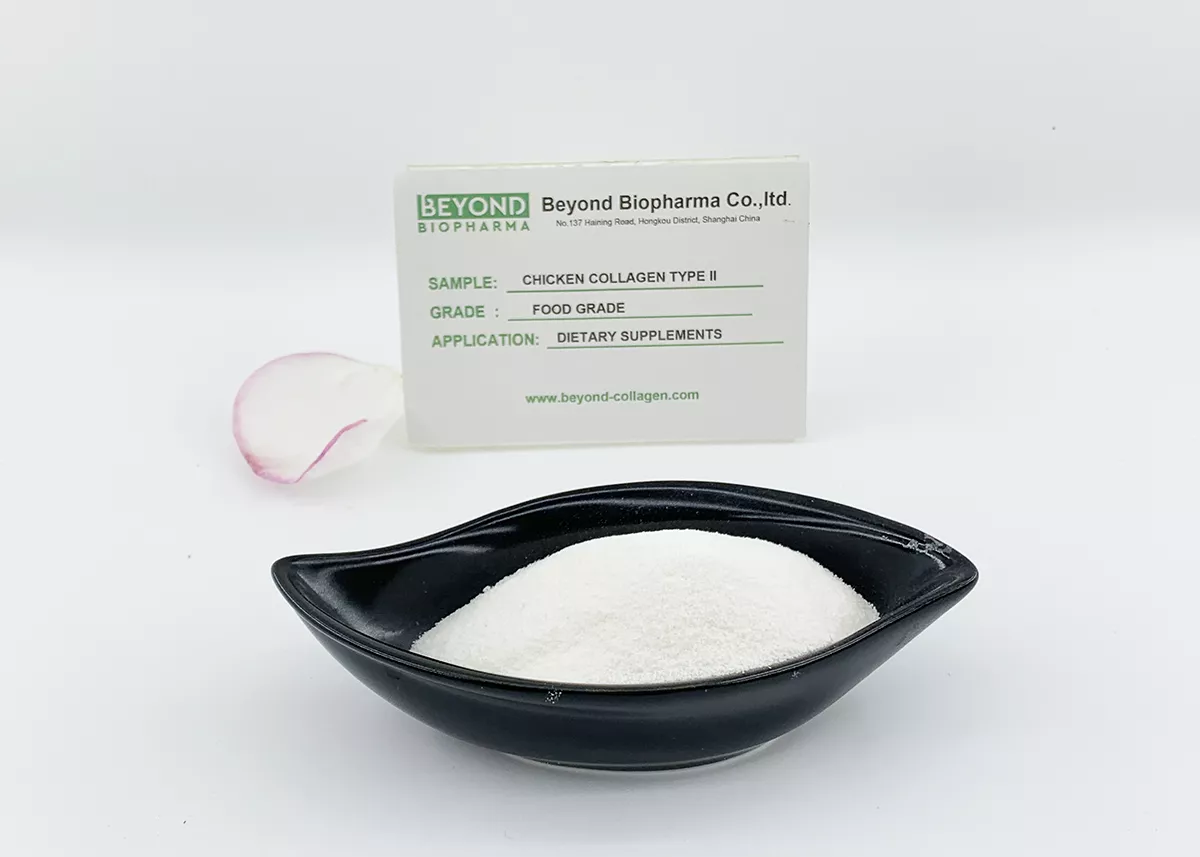
BEYOND BIOPHARMA is a specialized manufacturer of high-quality Undenatured Collagen Type II. Utilizing low-temperature, non-enzymatic extraction methods, our Undenatured Collagen Type II retains its native, triple-helix structure, essential for modulating the immune system's response to joint health and providing superior support for mobility, flexibility, and overall joint comfort.
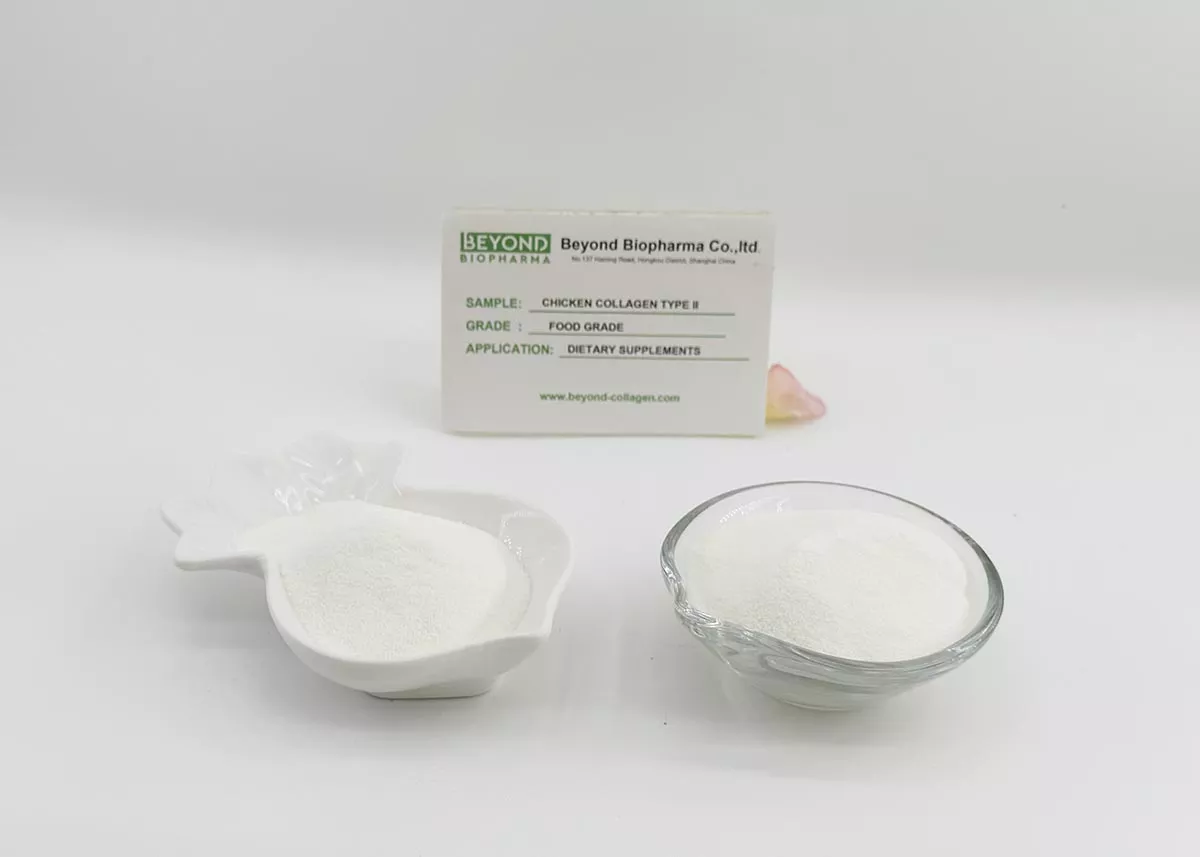
BEYOND BIOPHARMA is a specialized manufacturer of highly purified Hydrolyzed Collagen Type II. Through advanced enzymatic hydrolysis, we create low-molecular-weight collagen peptides that are highly bioavailable, offering foundational nutritional support for cartilage repair, joint function, and skin health. Our product is designed for rapid absorption and maximum efficacy in oral supplements.
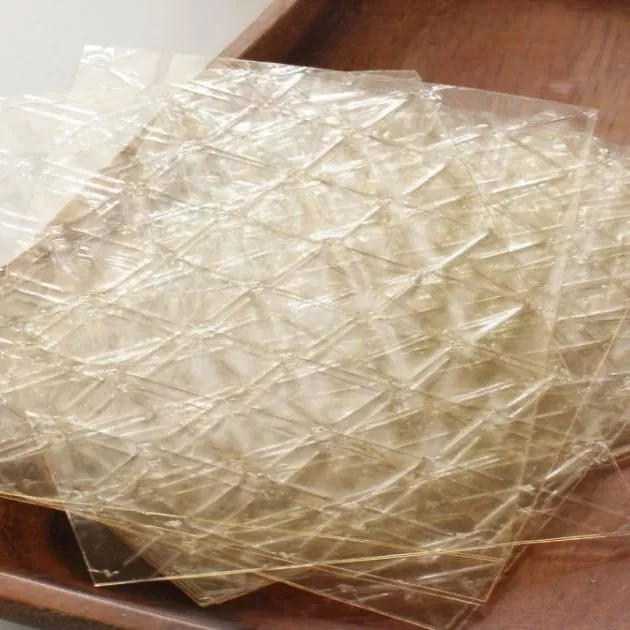
Our Gelatin Sheets are produced to precise standards, ensuring consistency and reliability across different Bloom grades (Silver being the most common professional choice).
Tel:+86 21 65010906
Cell/Whatsapp/Wechat:
+86 13482884055
+86 18657345785
Email: sales@beyondbiopharma.com





User Comments
Service Experience Sharing from Real Customers
Megan
Pastry ChefAs a professional, I'm always skeptical of 'trendy' ingredients, but these are stunning. The violets and pansies held their color perfectly in the gelatin, no bleeding! Used them for a wedding cake garnish and got three client referrals on the spot. Finally, an edible flower product that doesn't taste like potpourri.
Leo
Home GardenerNever thought I'd be making fancy desserts! Bought these on a whim. The instructions were clear, and my first attempt at making floral jelly cubes for a picnic actually worked. My only gripe is I wish the packet had a few more calendula petals—they're my favorite. Kids loved finding 'flowers in their jelly'.
Chloe
Event PlannerAbsolute game-changer for upscale events. We set up a DIY gelatin flower bar at a corporate retreat, and it was the talk of the night. The mix is foolproof, and the assorted petals added that 'wow' factor without being fussy. Clients felt like artists. Worth every penny for the experience it creates.
Raj
Chemistry TeacherI bought these partly for fun, partly for a class demo on colloids. The science is cool, but honestly, the taste surprised me—really delicate and floral, not artificial. My wife and I made some for a dinner party, and our friends were impressed. The rose petals are a bit fragile though; a couple arrived crushed.