 English EN


Bovine gelatin pros and cons everyone should know
Bovine gelatin offers strong gelling and health benefits but has dietary, ethical, and allergen concerns. Compare bovine gelatin to other gelatin options here.
More
Cold water fish gelatin offers unique functional properties that set it apart from mammalian alternatives. It gels at temperatures below 8°C due to a lower content of hydroxyproline and proline. Manufacturers value this gelatin for specific applications, while consumers with dietary restrictions often seek it for its distinct amino acid profile.

Manufacturers produce cold water fish gelatin from the skins and bones of specific fish species. These raw materials come from fish-processing byproducts, which supports sustainability and reduces waste. The most common sources include:
Atlantic Cod
Haddock
Salmon
Pollock
By utilizing these species, the industry upcycles materials that would otherwise become waste. This approach not only conserves resources but also lowers the environmental footprint compared to mammalian gelatin production. Fish-derived gelatin degrades faster in the environment, especially during the initial weeks, which further enhances its eco-friendly profile.
Note: Fish gelatin production often uses cold-adapted proteases to convert fisheries and aquaculture wastes into valuable products, minimizing negative environmental impacts.
The extraction of cold water fish gelatin involves several carefully controlled steps. Each stage ensures the preservation of the gelatin’s unique properties and maximizes yield. The process typically follows this sequence:
| Step | Description |
|---|---|
| 1 | Mild acid treatment for collagen swelling |
| 2 | Extraction in water at moderate temperature (around 45°C) |
| 3 | Application of high pressure (above 150 MPa) for gelation induction |
The mild acid treatment swells the collagen in the fish skin or bones, making it easier to extract gelatin. Extraction at moderate temperatures preserves the delicate structure of the gelatin, which is essential for its gelling ability at low temperatures. High-pressure application induces gelation, resulting in a product with desirable texture and clarity.
After extraction, the gelatin solution undergoes several purification steps to ensure quality and safety. These steps remove impurities, fats, and unwanted compounds:
Washing the cod skin with distilled water
Acid treatment to adjust pH using glacial acetic acid and sodium hydroxide
Filtration using vacuum filtration and specific paper filters
Filtration with diatomaceous earth to remove fats and clarify the solution
Passing the solution over ion exchange resins to reduce ionic charge and remove degradation compounds
Demineralization and concentration under high vacuum to improve odor
Producers often use a slightly oxidizing medium during washing to reduce microbial flora. After purification, the gelatin solution is dried. The drying process plays a critical role in determining the final properties of cold water fish gelatin. When dried below the gelation temperature, the gelatin maintains a helical structure, resulting in films with superior mechanical properties such as greater tensile strength and elongation. Drying above this temperature leads to an amorphous structure, which diminishes these properties.
The drying method also affects shelf life and gel strength. For example:
| Drying Method | Gel Strength (g) | Drying Temperature (°C) |
|---|---|---|
| Convective Drying | 507.33 | 59.14 |
| Combined Drying | 298 | Higher temperatures |
Selecting the right drying technique ensures that cold water fish gelatin retains its functional qualities for various applications.
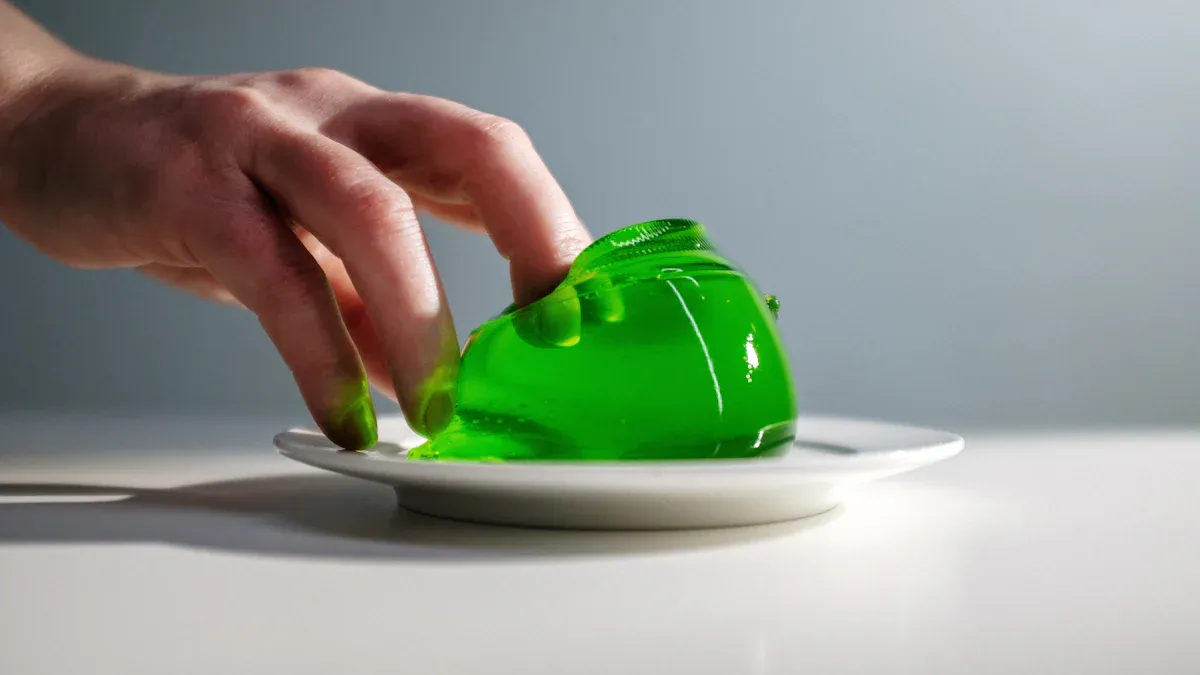
Cold water fish gelatin stands out due to its distinct physical and chemical characteristics. It gels at much lower temperatures than mammalian gelatin, making it suitable for products that require refrigeration or cold processing. The lower content of proline and hydroxyproline in its amino acid profile leads to a softer texture and reduced gel strength. This property allows for rapid melting in the mouth, which benefits certain food and pharmaceutical applications.
Tip: Manufacturers often choose cold water fish gelatin for its ability to encapsulate sensitive ingredients, such as vitamins and flavorings, that require protection at low temperatures.
The table below highlights the main differences in physical properties between cold water fish gelatin and mammalian gelatin:
| Property | Cold Water Fish Gelatin | Mammalian Gelatin |
|---|---|---|
| Gelation Temperature | 15 to 20 °C | ~35 °C |
| Melting Temperature | Lower | Higher |
| Gel Strength (Bloom) | Up to 100 g | 320 g and higher |
| Amino Acid Composition | Lower proline/hydroxyproline | Higher proline/hydroxyproline |
| Structural Characteristics | More β-turn/β-shift structures | Triple helices |
These unique features make cold water fish gelatin an attractive option for innovative product development, especially in markets that demand alternative sources of gelatin.
When comparing cold water fish gelatin to porcine or bovine gelatin, several functional differences emerge. Cold water fish gelatin has a lower melting point, which means it dissolves quickly in the mouth. This property is especially valuable in confections and pharmaceuticals that require rapid release.
Cold water fish gelatin has a lower melting point than mammalian gelatins.
Melting points of various gelatins:
Mammalian gelatins: 32.2–32.6 °C
Grass carp skin gelatin: 29.1 °C
Common carp gelatin: 28.2 °C
Rohu gelatin: 28.1 °C
Cod skin gelatin: 8–10 °C
Yellow fin tuna gelatin: 24.3 °C
Nile perch gelatin: 21.4–26.5 °C
Tilapia skin gelatin: 22.5–28.9 °C
The following table summarizes key differences in functionality:
| Property | Cold Water Fish Gelatin | Porcine/Bovine Gelatin |
|---|---|---|
| Solubility | Less effective at high temperatures | Good solubility, easily dissolved in hot water |
| Flavor and Odor | Slight fishy flavor, may require processing | Generally neutral, minimal flavor impact |
| Texture | Softer, weaker gel strength | Stronger gel strength and elasticity |
| Melting Properties | Lower melting point, dissolves quickly | Higher melting point, longer taste experience |
| Shelf Life Stability | Poor stability, affected by humidity | Good stability, maintains properties longer |
Cold water fish gelatin contains higher levels of serine, threonine, methionine, cysteine, and arginine compared to bovine gelatin. These differences contribute to its softer and less firm texture. Its unique amino acid profile makes it less suitable for applications that require a strong, elastic gel.
Industries use cold water fish gelatin in a variety of ways due to its biocompatibility and functional properties.
Food Industry: Used for gel formation, foam stabilization, and improving texture in products such as jellies, gummy candies, marshmallows, and ice cream.
Pharmaceutical Industry: Serves as a carrier for microencapsulation of vitamins, colorants, and flavoring agents. It enables rapid release of active ingredients in the oral cavity and is used in forms like microspheres, nanospheres, hydrogels, and implants.
Cosmetic Industry: Incorporated into formulations for its film-forming and moisturizing properties.
Packaging and Preservation: Combined with carboxymethyl cellulose, cold water fish gelatin forms biodegradable films and edible coatings. These films offer enhanced mechanical strength, reduced moisture absorption, and improved food preservation.
| Feature | Description |
|---|---|
| Material Used | Cold water fish gelatin combined with carboxymethyl cellulose |
| Application | Development of biodegradable films and edible coatings |
| Benefits | Enhanced mechanical properties, reduced moisture absorption, and biodegradability |
| Result | Increased tensile strength and Young's modulus, suitable for food packaging and preservation |
Note: The low melting temperature of cold water fish gelatin makes it ideal for encapsulating sensitive ingredients that degrade at higher temperatures.
Cold water fish gelatin meets the needs of consumers with specific dietary restrictions.
Fish gelatin, derived from fish scales or skin, is permissible under Islamic dietary laws and serves as a crucial alternative to porcine gelatin for halal products.
If the fish source has scales and fins and the production process follows Jewish law, cold water fish gelatin can receive Kosher certification.
Pescatarians can include cold water fish gelatin in their diets, as it aligns with their preference for fish-based products.
Tip: Manufacturers targeting halal, kosher, or pescatarian markets often choose cold water fish gelatin to expand their consumer base and meet certification requirements.
Production of this gelatin involves four main stages: preparation, conversion, purification, and drying. Manufacturers should consider concentration, temperature, pH value, time, and salts when selecting the right product.
| Factor | Description |
|---|---|
| Concentration | Higher levels increase viscosity but can reduce fluidity. |
| Temperature | Exceeding 50°C may cause permanent loss of viscosity. |
| pH Value | Stability peaks between pH 6.5-9.0. |
| Time | Viscosity peaks around 24 hours after preparation. |
| Salts | Divalent and trivalent salts decrease viscosity significantly. |
Future trends include market expansion, technological advancements, and a focus on sustainability.
Cold water fish gelatin gels at lower temperatures and contains less proline and hydroxyproline. Manufacturers use it for products requiring refrigeration or rapid melting.
Cold water fish gelatin meets halal and kosher requirements if sourced from approved fish species and processed according to religious guidelines.
Manufacturers use cold water fish gelatin for encapsulating sensitive ingredients. Its low melting point supports rapid release in oral medications and supplements.

We provide you with comprehensive foreign trade solutions to help enterprises achieve global development
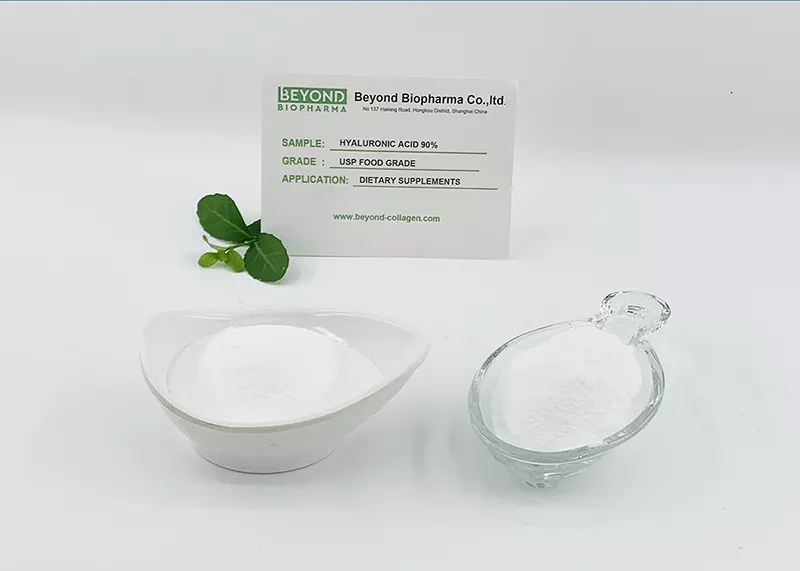
High Molecular Weight for Superior Joint, Skin, and Eye Health.
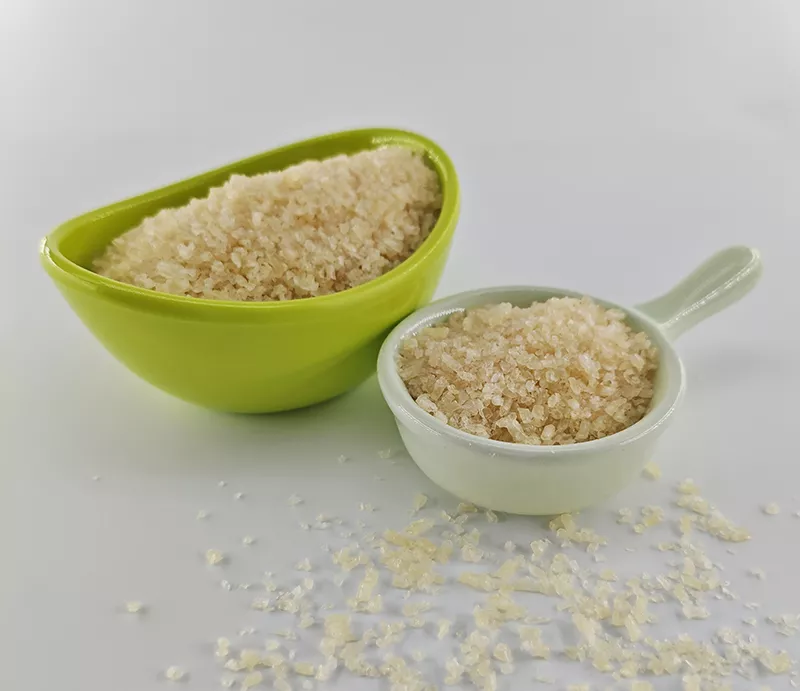
Stability, Swallowing Enhancement, and Controlled Release
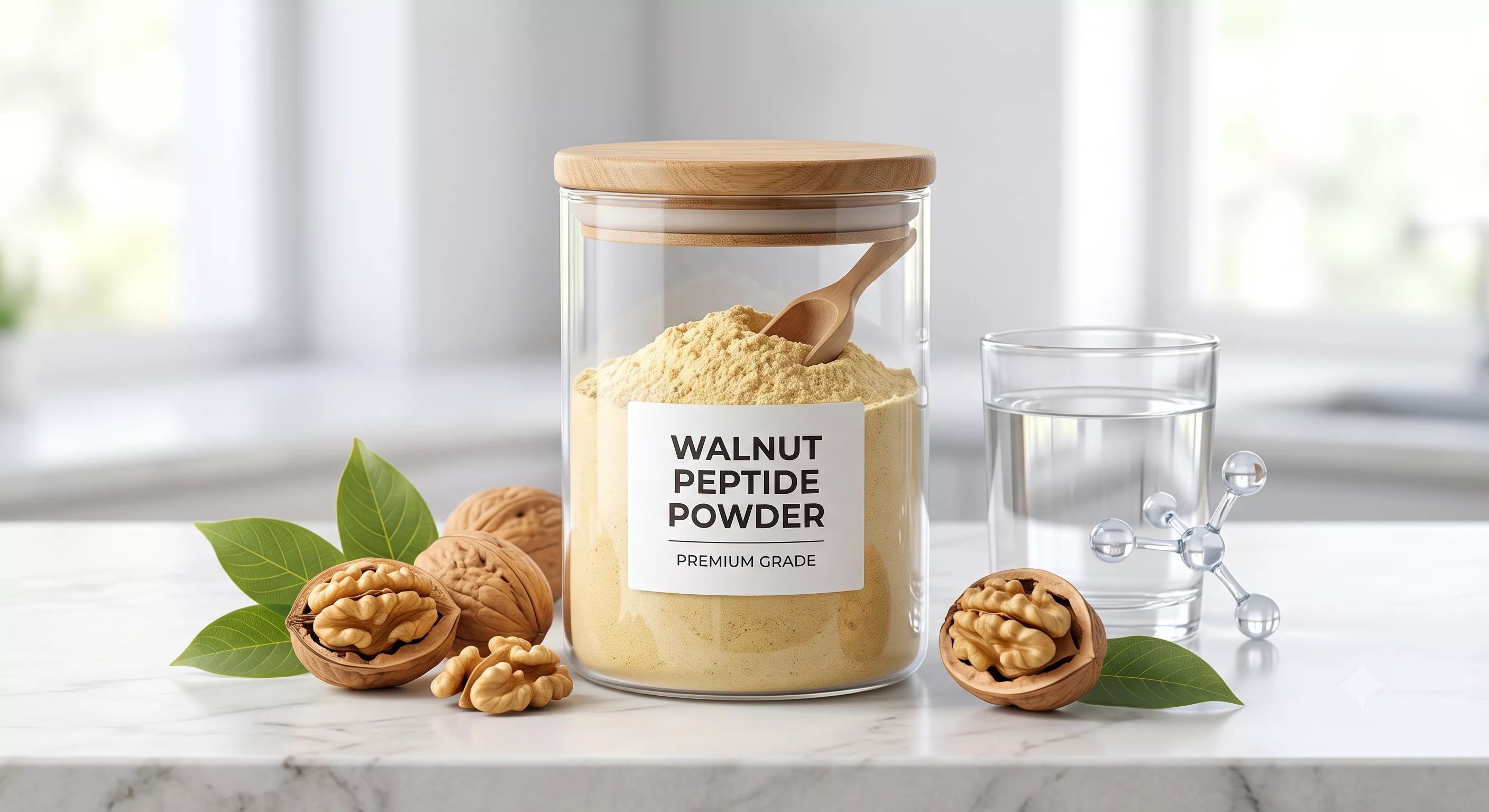
Source wholesale hydrolyzed walnut protein peptide powder in bulk. Over 85% low-molecular-weight oligopeptides rich in Glutamic Acid. Perfect for cognitive formulas and sleep aid supplements.
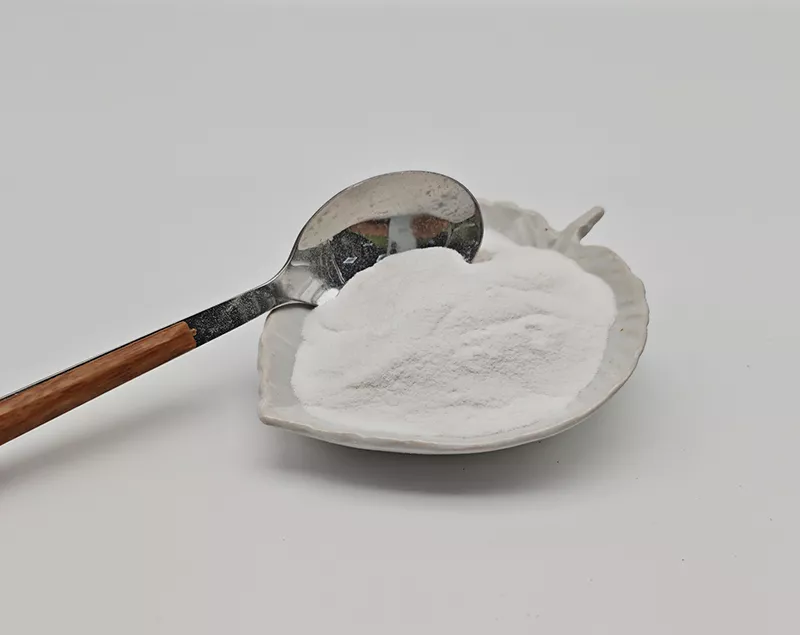
Fish Gelatin for foods is increasingly recognized as the premium alternative to traditional mammalian sources, meeting the growing global demand for clean-label ingredients that align with diverse dietary and religious requirements. Derived from the skin and scales of fish like cod and tilapia, fish gelatin offers unique functional benefits that make it an exceptional gelling, stabilizing, and texturizing agent.
Select the most popular foreign trade service products to meet your diverse needs
Fish Gelatin for foods is increasingly recognized as the premium alternative to traditional mammalian sources, meeting the growing global demand for clean-label ingredients that align with diverse dietary and religious requirements. Derived from the skin and scales of fish like cod and tilapia, fish gelatin offers unique functional benefits that make it an exceptional gelling, stabilizing, and texturizing agent.
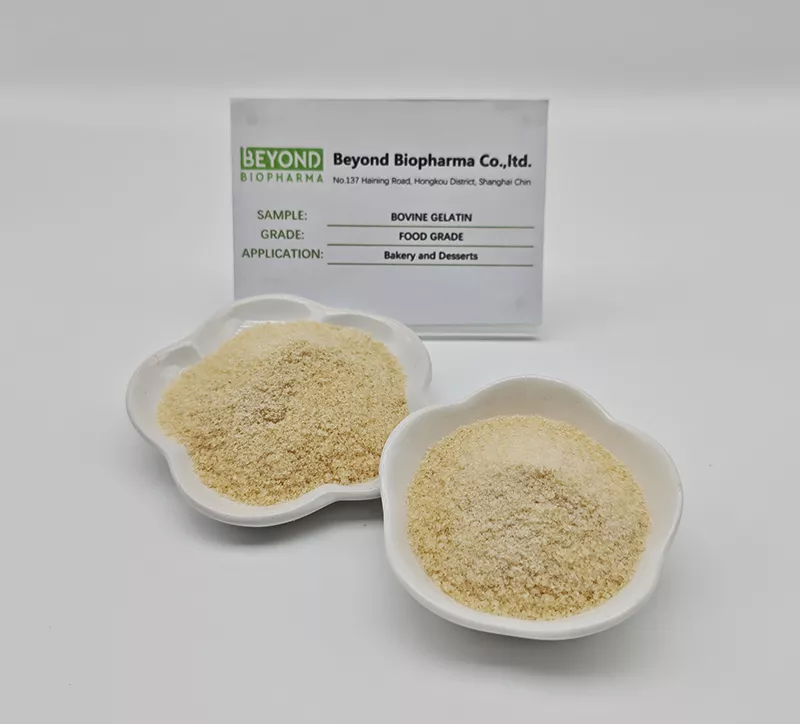
20 years experiences, 5000 ton/year capacity, Sustained supply with stable quality
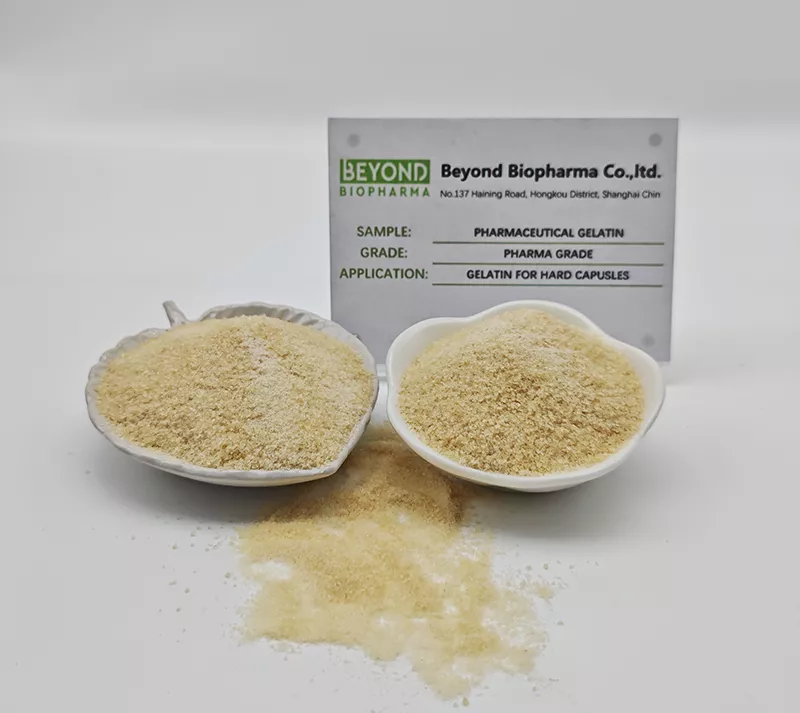
The high-strength and rapid-setting characteristics of Bovine Bone Gelatin ensure it forms a stable, uniform, and durable shell that preserves the integrity of the active pharmaceutical ingredient (API).
Tel:+86 21 65010906
Cell/Whatsapp/Wechat:
+86 13482884055
+86 18657345785
Email: sales@beyondbiopharma.com





User Comments
Service Experience Sharing from Real Customers
Ethan
Food ScientistThe cold water fish gelatin has excellent gel strength and clarity. It's been a game-changer for our gourmet gummy production, providing a clean label solution our customers love.
Mia
Research TechnicianAs a consistent user in our lab, this fish gelatin performs reliably in our pharmaceutical encapsulation trials. High purity and consistent solubility make it a top choice.
Leo
Head ChefThis gelatin is fantastic for creating delicate, stable foams and gels in our seafood dishes. It's odorless and sets perfectly, elevating our culinary presentations.
Ava
Product Development ManagerWe switched to this cold water fish gelatin for our supplement capsules. The dissolution profile is ideal, and it meets our strict quality standards for a health-focused brand.