 English EN


Bovine gelatin pros and cons everyone should know
Bovine gelatin offers strong gelling and health benefits but has dietary, ethical, and allergen concerns. Compare bovine gelatin to other gelatin options here.
More
If you are sourcing gelatin sheets for gummies, confectionery, or pharmaceutical capsules, you have likely faced challenges like batch inconsistency, fishy odor, or unclear certification requirements. Gelatin sheets are thin, translucent, and brittle sheets derived from collagen — typically from bovine, porcine, or fish sources. Yes, they are edible and widely used in food, supplements, and pharmaceutical applications. This guide covers everything you need to know about gelatin sheets, from how they are made to how to choose the right grade for your product.
Gelatin sheets are produced through a controlled process called enzymatic hydrolysis. Raw collagen-rich materials (bovine hide, bone, or fish skin) are cleaned, soaked in acid or alkali, and then heated to extract gelatin. The liquid is filtered, concentrated, and cooled into sheets. The sheets are then dried and cut to standard sizes. Key quality markers include bloom strength (gel firmness), viscosity, and clarity. For pharmaceutical and food use, low odor and high solubility are critical.
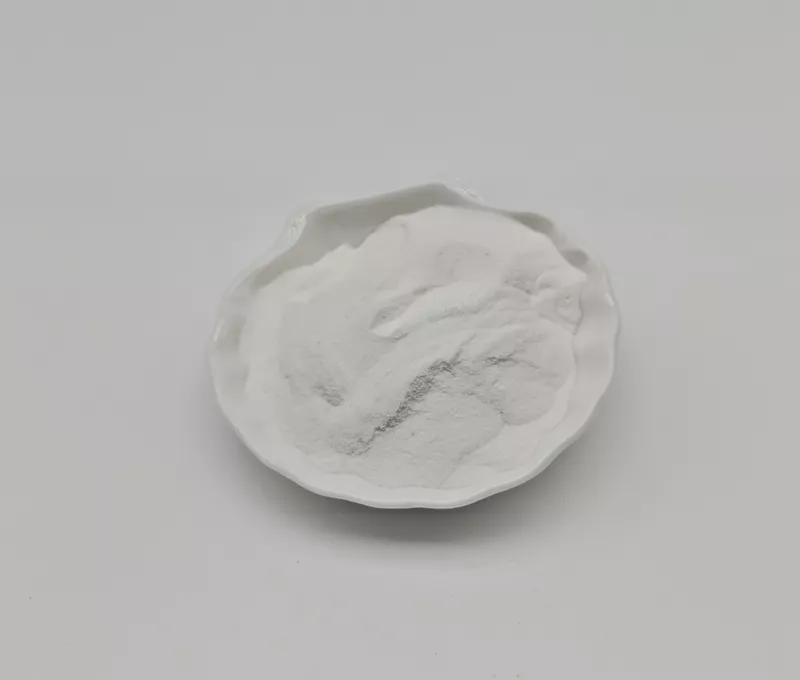
The table below lists common parameter ranges for edible and pharmaceutical gelatin sheets. Note: these are typical industry ranges; final values should be confirmed per Certificate of Analysis (COA) or sample.
| Parameter | Typical Range | Notes |
|---|---|---|
| Bloom Strength | 50 – 300 g | Pharma/gummies often 150–260 Bloom |
| Viscosity | 2.0 – 5.5 mPa·s | Affects gel texture |
| Mesh Size | 8 – 60 | Sheet form is typically standard size |
| Moisture | ≤14% | Critical for shelf life |
| Protein Content (collagen peptides) | ≥90% | Higher is better for purity |
* Typical industry range; final values per COA / sample.
Gelatin sheets are used across multiple industries. Here is a breakdown by application:
Beyond Biopharma is a Shanghai-based manufacturer with over 10 years of experience in the food-ingredient industry. We export to 50+ countries and produce approximately 3,000 MT/year of collagen and 5,000 MT/year of gelatin. Our facility features a fully automatic production line, GMP clean workshop, stainless-steel sealed piping, and automated temperature/pH control. We hold ISO 9001, US FDA registration, and select products are Halal/Kosher certified (e.g., fish gelatin). Our bovine bone gelatin is BSE-free. We offer three grades: food, pharmaceutical, and cosmetic. Our in-house lab conducts heavy-metal and microbiological testing, supported by a dedicated QA/QC team. We provide free samples and formulation support.
Yes, gelatin sheets are edible. They are made from food-grade collagen and are commonly used in cooking, confectionery, and supplements. Always check the grade — food-grade sheets are safe for consumption.
Gelatin sheets are pre-measured and dissolve more evenly in liquids, making them preferred by chefs. Powder is more common in industrial production. Both have the same functional properties, but sheets offer better clarity and less odor.
No, traditional gelatin sheets are animal-derived. For vegan alternatives, use plant protein peptides or agar-agar. Beyond Biopharma offers plant protein peptides (pea, rice, soy) as a plant-based option.
Store gelatin sheets in a cool, dry place away from direct sunlight. Keep them in an airtight container to prevent moisture absorption. Proper storage ensures a shelf life of up to 2 years.
Look for ISO 9001, FDA registration, and Halal/Kosher certifications if required. For pharmaceutical use, GMP compliance is essential. Beyond Biopharma provides COA with each batch, including heavy-metal and microbiological test results.
For gummies, a bloom strength of 200–260 is typical. Higher bloom gives a firmer, chewier texture. Lower bloom (150–200) results in a softer gel. Your choice depends on the desired mouthfeel.
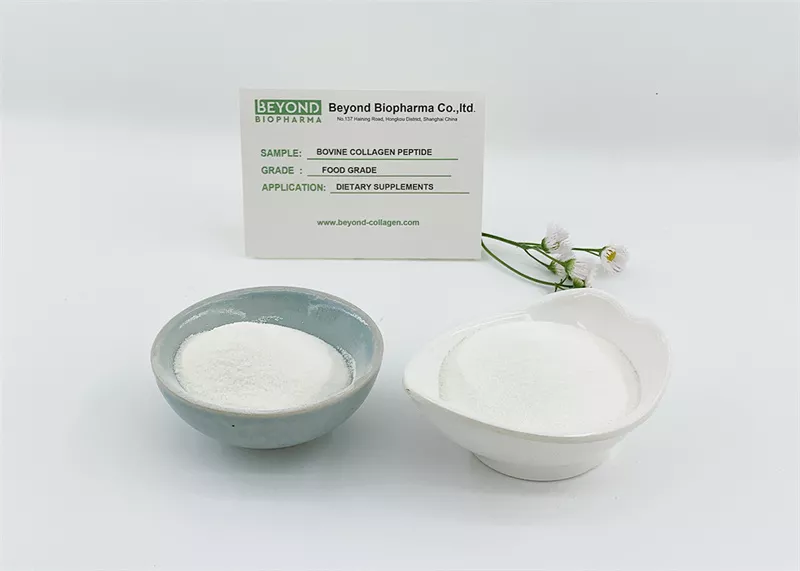
If you are sourcing gelatin sheets or related collagen ingredients, we invite you to contact Beyond Biopharma. Please provide your application, required grade (food/pharma/cosmetic), quantity/MOQ, target specs (bloom, mesh, molecular weight, certifications), and destination country. We will send free samples and a competitive quote. Our team is ready to support your formulation and bulk supply needs.

We provide you with comprehensive foreign trade solutions to help enterprises achieve global development
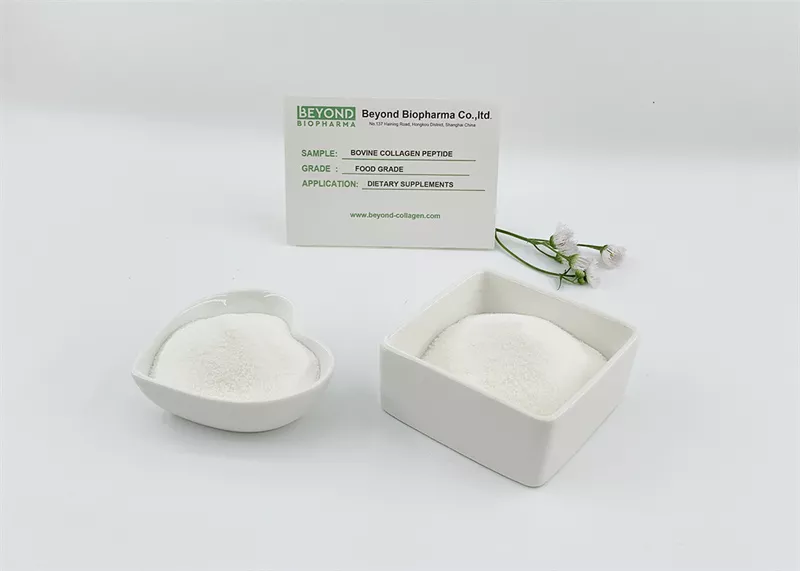
Manufacturer of bovine collagen peptide, shipping in containers all around the world
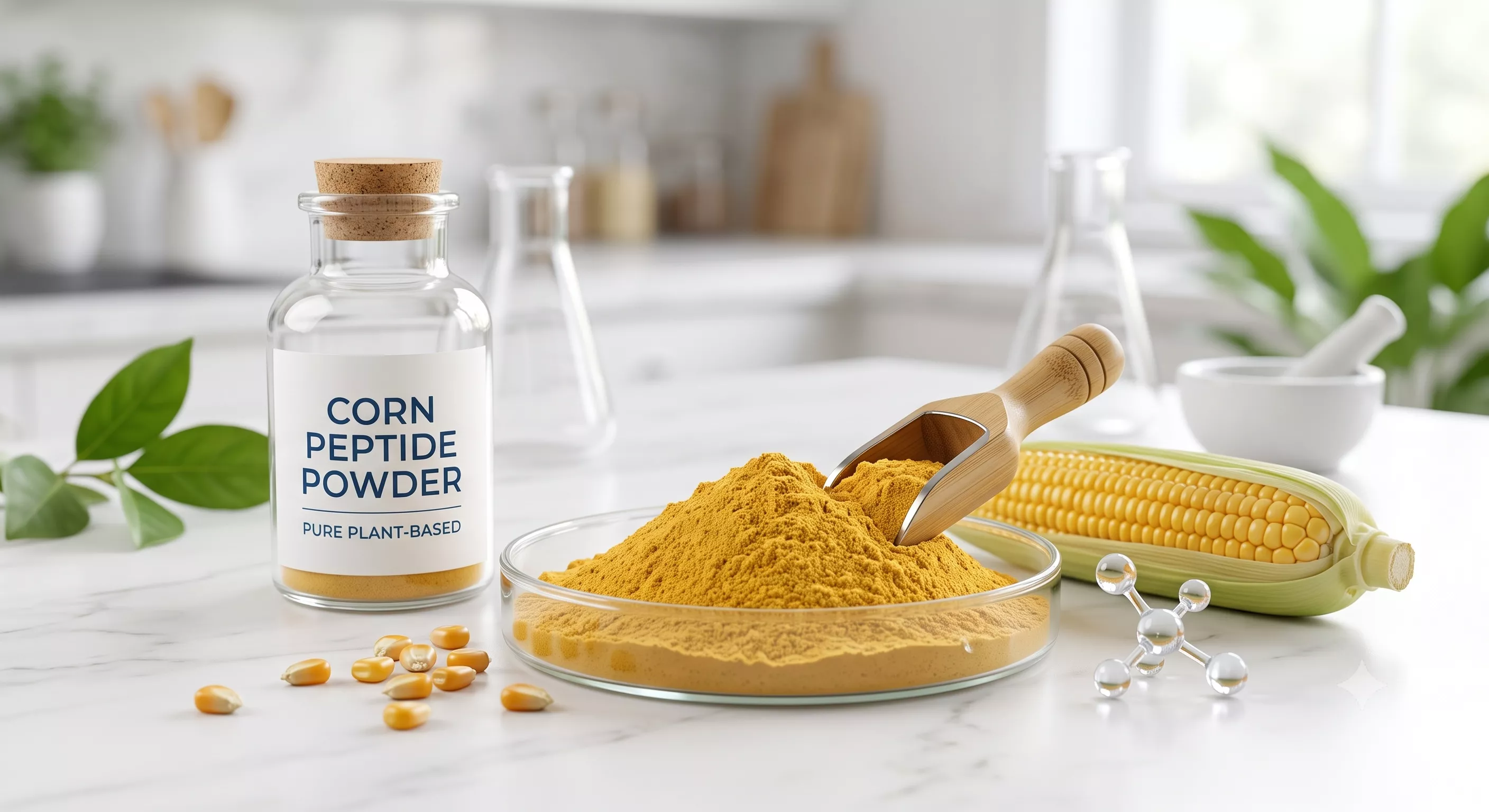
Source high-purity wholesale hydrolyzed corn protein peptide powder in bulk. Over 85% oligopeptides under 1000 Da. Rich in Alanine and Leucine for liver support and sobriety formulas.
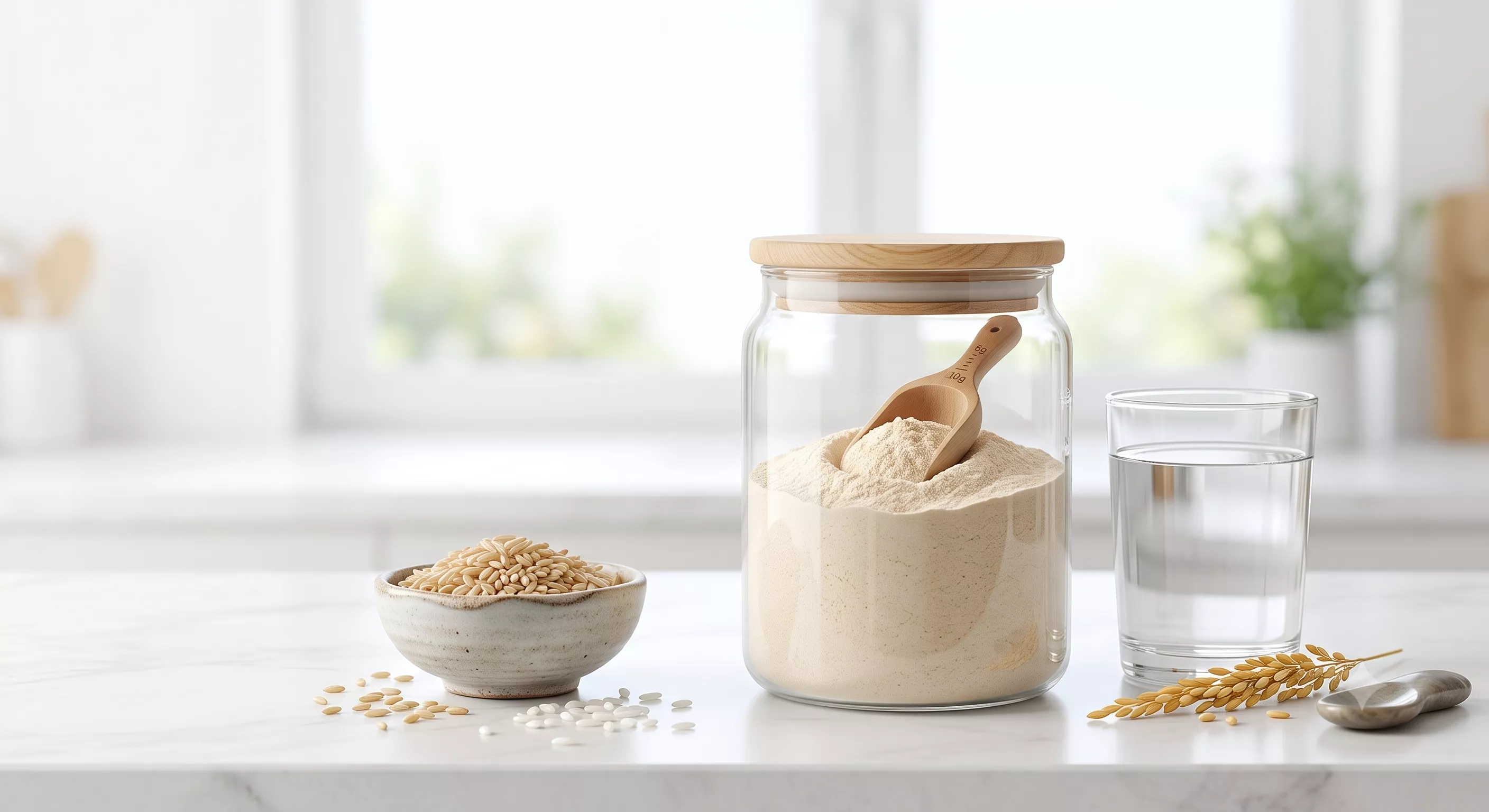
Source ultra-pure, 100% water-soluble wholesale hydrolyzed rice protein peptide in bulk. Over 85% molecules under 1000 Da. Ideal for infant nutrition, clean-label sports formulas, and sensitive skincare.
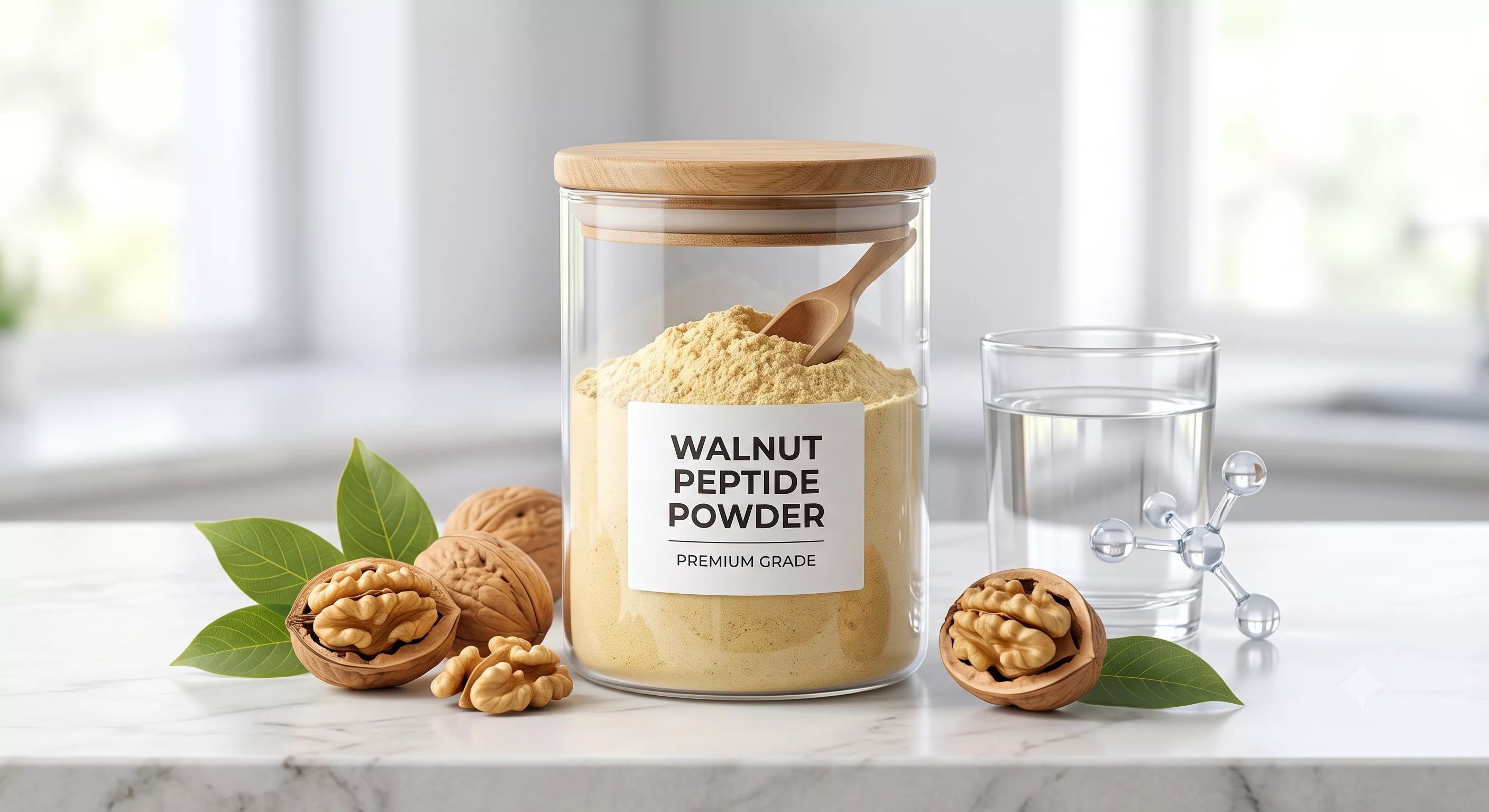
Source wholesale hydrolyzed walnut protein peptide powder in bulk. Over 85% low-molecular-weight oligopeptides rich in Glutamic Acid. Perfect for cognitive formulas and sleep aid supplements.
Select the most popular foreign trade service products to meet your diverse needs
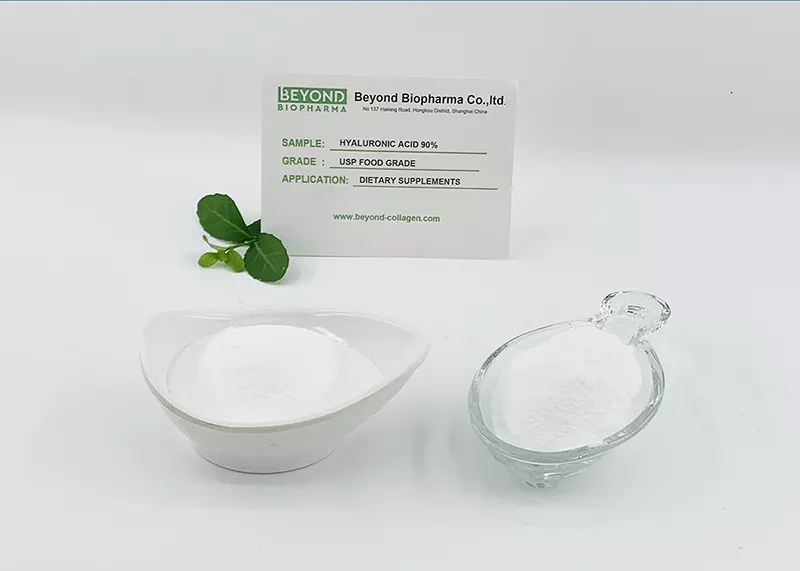
High Molecular Weight for Superior Joint, Skin, and Eye Health.
Source ultra-pure, 100% water-soluble wholesale hydrolyzed rice protein peptide in bulk. Over 85% molecules under 1000 Da. Ideal for infant nutrition, clean-label sports formulas, and sensitive skincare.
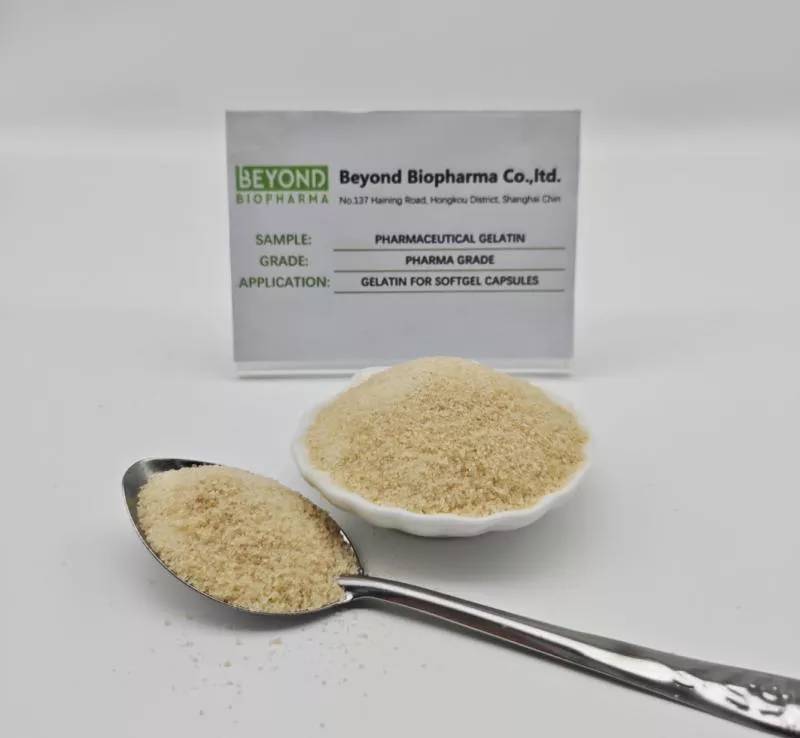
Softgel encapsulation demands a gelatin with unique physical attributes to perform optimally during the high-speed manufacturing process
Tel:+86 21 65010906
Cell/Whatsapp/Wechat:
+86 13482884055
+86 18657345785
Email: sales@beyondbiopharma.com





User Comments
Service Experience Sharing from Real Customers
Mackenzie
Pastry ChefI've been using gelatin sheets for years in my patisserie, and yes, they're absolutely edible—that's the whole point! They dissolve completely when used correctly, leaving no texture behind. Just used them in a panna cotta last week and the texture was flawless. Much easier to measure than powder.
Jackson
Home BakerAs a hobbyist, I was honestly confused at first—are gelatin sheets edible straight up? Turns out, you need to bloom and melt them, but they're totally food-safe. Made some gorgeous gummy candies with my kids. One star off because they can be tricky to find locally.
Jackie
Food Science ResearcherFrom a food science perspective, gelatin sheets are not only edible but often preferred for clarity and consistency. I use them in lab tests for texture analysis. Some colleagues thought they were just packaging—nope, they're pure protein! Great product for precise formulations.
Jax
Catering ManagerHad a new staff member ask if these sheets are edible... yes, and they're a game-changer for large batches! We use them for mirror glazes and terrines. No weird aftertaste like some powders. Pro tip: always soak in cold water first. Clients always ask how our desserts are so smooth!