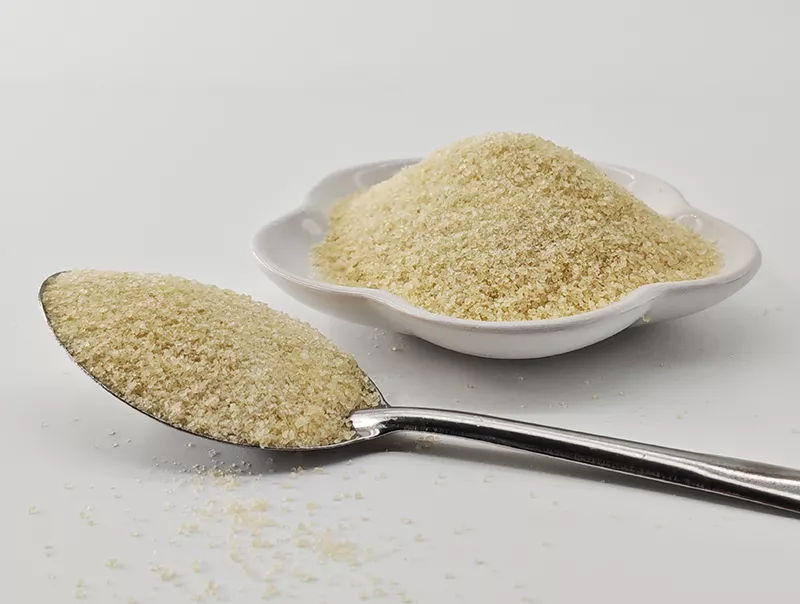
What is the Accurate Conversion from 1 Sheet Gelatin to Powder for Pharmaceutical Applications?

By James | Published: March 19, 2026 | Topic: Pharmaceutical Excipients

Understanding Gelatin Conversion in Modern Formulation Science

The conversion from gelatin sheets to powdered form represents more than a simple measurement exercise—it's a critical formulation consideration affecting drug delivery system performance, stability, and manufacturing reproducibility. While traditional culinary applications might accept approximate conversions, pharmaceutical manufacturing demands precision that accounts for bloom strength, particle size distribution, and hydration characteristics.

High-quality gelatin powder, when properly standardized, eliminates the variability inherent in sheet gelatin. Each batch undergoes rigorous testing for bloom strength, viscosity, and microbial quality, ensuring consistent gelling behavior across production runs. This consistency is particularly crucial for controlled-release formulations where gelatin serves as a matrix former or coating agent.

The pharmaceutical industry increasingly favors powdered gelatin for its superior handling properties, easier scale-up capabilities, and enhanced compatibility with automated manufacturing systems. Unlike sheets that require pre-soaking and variable hydration times, pharmaceutical-grade powder offers predictable dissolution profiles and more efficient processing.
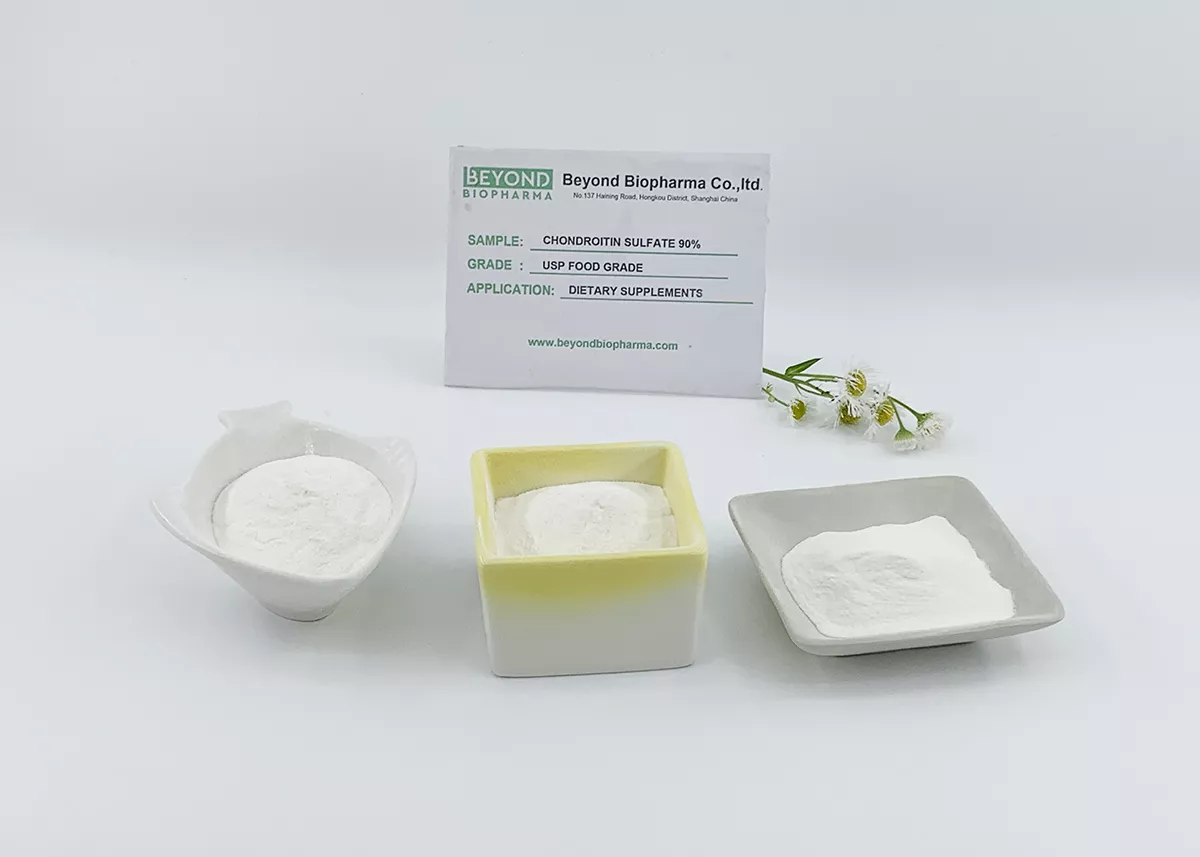
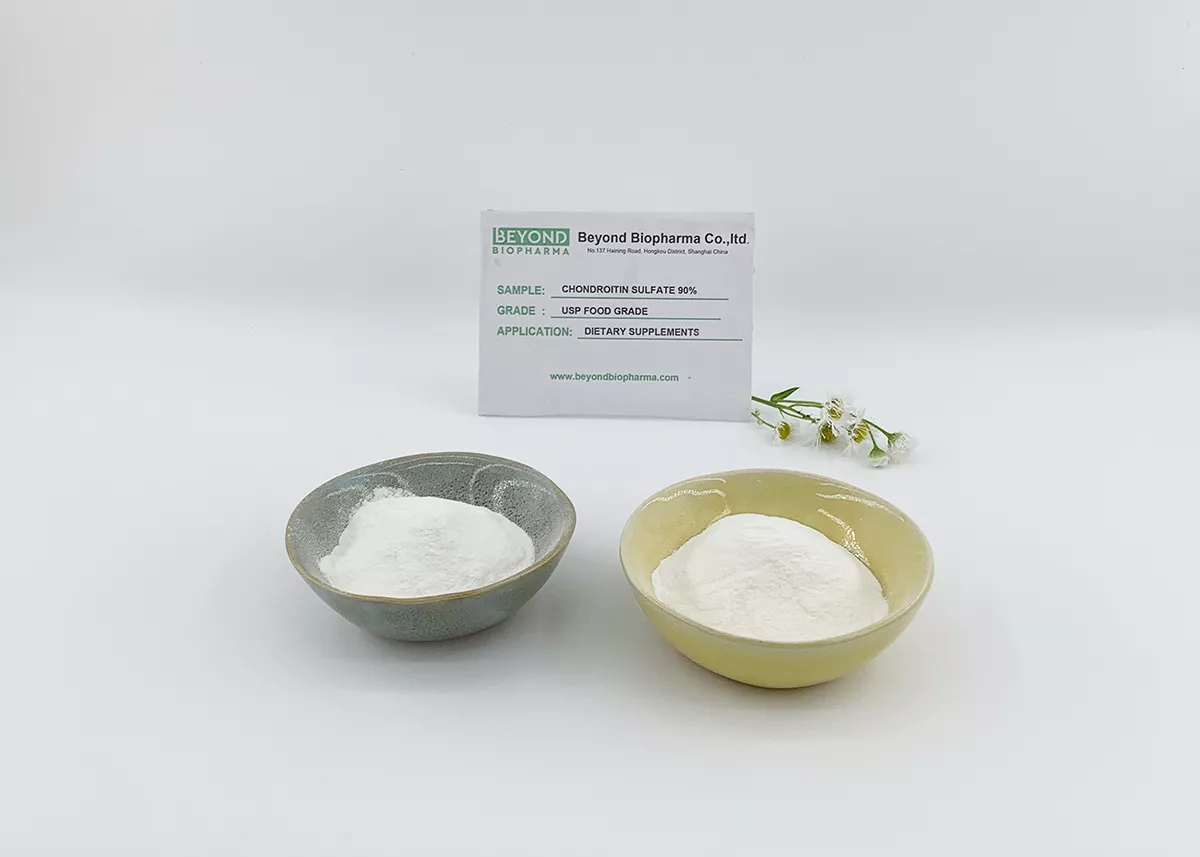
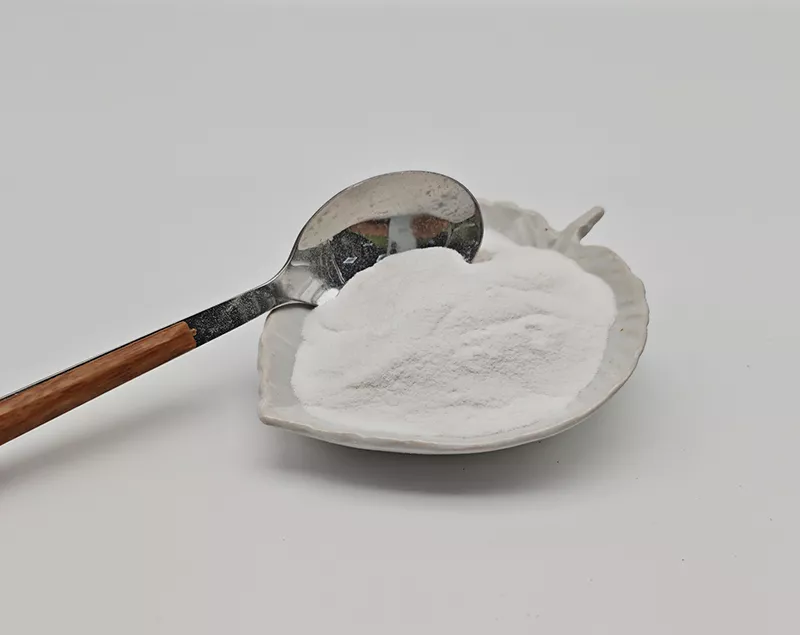
Pharmaceutical grade gelatin powder measurement and quality control

How Gelatin Quality Impacts Pharmaceutical Formulation Success

Gelatin quality parameters extend far beyond simple conversion ratios. The molecular weight distribution, amino acid profile, and cross-linking characteristics all influence functional performance in drug delivery systems. Pharmaceutical-grade gelatin must meet stringent compendial standards (USP/NF, EP, JP) with documented control over critical quality attributes including endotoxin levels, heavy metal content, and microbial limits.

For soft capsule manufacturing, gelatin's film-forming properties, elasticity, and sealing characteristics are paramount. The conversion from sheets to powder must account for these functional attributes, not just weight equivalence. Modern gelatin suppliers provide detailed technical data sheets specifying bloom strength, viscosity, and isoelectric point—all essential for formulation scientists developing reproducible dosage forms.

The transition to powdered gelatin in pharmaceutical manufacturing represents an industry shift toward greater standardization and quality assurance. By eliminating the variability of sheet thickness, moisture content, and dissolution characteristics, manufacturers achieve better batch-to-batch consistency and reduced validation requirements.

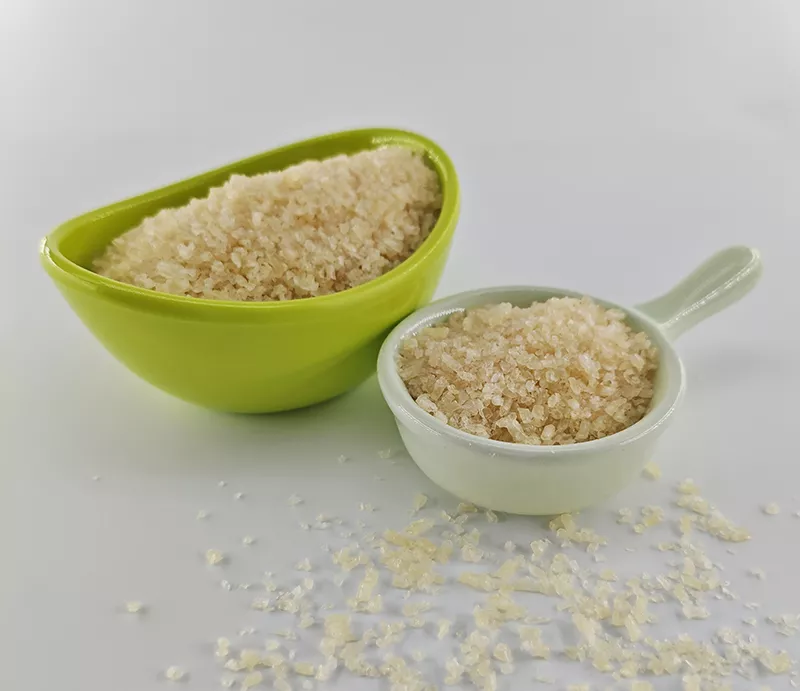
Laboratory analysis of gelatin properties for pharmaceutical use

Best Practices for Gelatin Handling in GMP Environments

Proper gelatin handling begins with understanding its hygroscopic nature and temperature sensitivity. Powdered gelatin should be stored in controlled humidity environments (below 50% RH) at temperatures between 15-25°C to prevent moisture uptake and maintain bloom strength stability. Containers must be resealed immediately after use to prevent environmental exposure.

Hydration protocols significantly impact gelatin performance. Cold water hydration (5-10°C) for 10-15 minutes allows proper swelling before gradual heating to 40-50°C for complete dissolution. Rapid heating or temperatures exceeding 60°C can degrade gelatin's triple-helix structure, reducing gelling capacity and affecting drug release profiles.

For sterile applications, gelatin solutions require careful filtration and aseptic processing. The powder's particle size distribution affects filterability, with finer grades offering better dissolution but potentially challenging filtration characteristics. Balancing these properties requires understanding both the gelatin specifications and the specific application requirements.

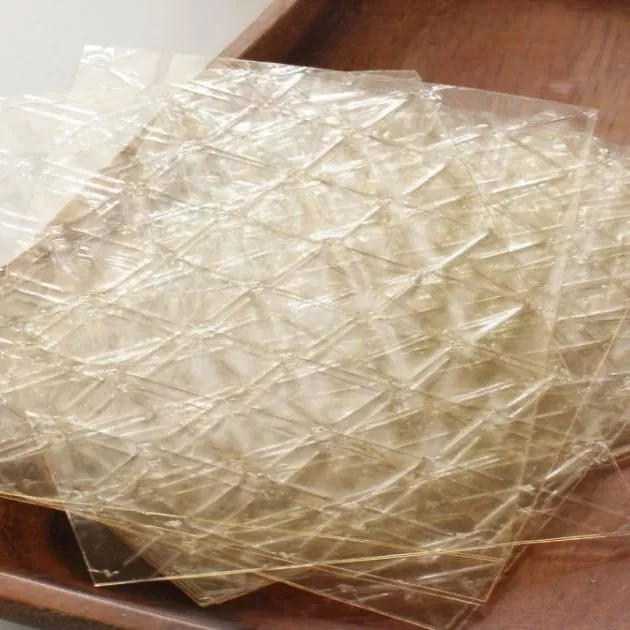
GMP compliant gelatin handling and storage procedures

Comparative Analysis: Gelatin Sheets vs. Pharmaceutical-Grade Powder

Parameter Gelatin Sheets Pharmaceutical Powder Impact on Formulation
Consistency Variable thickness & weight Standardized particle size Predictable dissolution & gelling
Bloom Strength Control Limited specification Precisely controlled (±10%) Consistent drug release profiles
Hydration Time 15-30 minutes (variable) 10-15 minutes (consistent) Reduced processing time
Microbial Quality Variable surface exposure Controlled manufacturing Reduced bioburden risk
Scale-up Feasibility Manual handling required Automated dispensing Efficient large-scale production
Documentation Limited batch data Full traceability & COA Simplified regulatory compliance

Frequently Asked Questions: Gelatin Conversion & Pharmaceutical Applications

What is the standard weight conversion from 1 sheet of gelatin to powder?

One standard gelatin sheet typically weighs between 2 to 2.5 grams, which converts to approximately 1 teaspoon (about 3-4 grams) of powdered gelatin. However, this can vary based on the sheet's thickness and bloom strength. For pharmaceutical-grade applications where precision is critical, we recommend using standardized gelatin powder with certified weight measurements rather than relying on sheet conversions. This approach eliminates variability and ensures formulation consistency across production batches.

How does gelatin bloom strength affect the conversion from sheets to powder?

Bloom strength significantly impacts gelatin's gelling properties and conversion ratios. Higher bloom strength gelatin (200-300 bloom) requires less powder to achieve the same gelling effect compared to lower bloom strength. When converting from sheets to powder, you must consider the bloom rating of both forms. Pharmaceutical manufacturers should work with suppliers who provide detailed bloom specifications to ensure formulation consistency and predictable dissolution characteristics. The bloom strength directly influences gel firmness, setting time, and melting point—all critical parameters for drug delivery systems.

What are the advantages of using powdered gelatin over sheets in pharmaceutical formulations?

Powdered gelatin offers superior consistency, easier scaling for batch production, better dissolution control, and more precise dosing capabilities. Unlike sheets which may vary in thickness and moisture content, pharmaceutical-grade gelatin powder undergoes rigorous quality control to ensure uniform particle size distribution, consistent bloom strength, and predictable hydration properties. This consistency is essential for maintaining drug delivery system integrity and manufacturing reproducibility. Additionally, powdered gelatin integrates more efficiently with modern automated dispensing systems, reducing manual handling errors.

How should gelatin powder be properly hydrated for optimal performance in formulations?

For optimal performance, gelatin powder should be hydrated in cold water (5-10°C) for 10-15 minutes before heating to 40-50°C for complete dissolution. The recommended hydration ratio is typically 1 part gelatin to 5-10 parts water by weight, depending on the desired viscosity and application. Avoid excessive heating above 60°C as this can degrade gelatin's molecular structure and reduce gelling capacity. Proper hydration ensures consistent gel formation and predictable release profiles in pharmaceutical applications. For sterile products, the hydration water must meet appropriate pharmaceutical grade standards.

What quality standards should pharmaceutical gelatin powder meet?

Pharmaceutical-grade gelatin powder must meet stringent quality standards including USP/NF, EP, and JP monographs. Key parameters include microbial limits (TAMC < 1000 CFU/g, TYMC < 100 CFU/g), endotoxin levels (< 0.25 EU/mg for parenteral applications), heavy metal limits, and absence of specified impurities. The gelatin should have consistent bloom strength (±10% of labeled value), controlled viscosity, and certified origin documentation. Regular testing for transmissible spongiform encephalopathy (TSE) risk is also essential for bovine-derived gelatin. These standards ensure safety, efficacy, and manufacturing consistency.

Related Products

We provide you with comprehensive foreign trade solutions to help enterprises achieve global development

Premium Pharmaceutical Gelatin for Tablet Coating

Stability, Swallowing Enhancement, and Controlled Release

Pharmeceutical Gelatin

Standardized Gelatin Sheets for Consistent Gels

Our Gelatin Sheets are produced to precise standards, ensuring consistency and reliability across different Bloom grades (Silver being the most common professional choice).

Edible Gelatin

Pharmaceutical Grade Bovine Bone Gelatin for Hard Capsules | BSE-Free

The high-strength and rapid-setting characteristics of Bovine Bone Gelatin ensure it forms a stable, uniform, and durable shell that preserves the integrity of the active pharmaceutical ingredient (API).

Pharmeceutical Gelatin

Gelatin for Micro-encapsulation

The High-Performance Barrier for Core Material Protection and Controlled Release.

Pharmeceutical Gelatin

CONTACT

Your Name:*

Country:*

Company:*

Email:*

Phone (with Country Code)*

Message:*

contact

+86 18657345785

NO.137 Haining Road, Hongkou District, Shanghai China

Copyright© 2026 Beyond Biopharma Privacy Policy