What Makes Edible Gelatin a Versatile Ingredient for Food & Pharmaceutical Applications?

By James | February 25, 2026 | Industry Insights
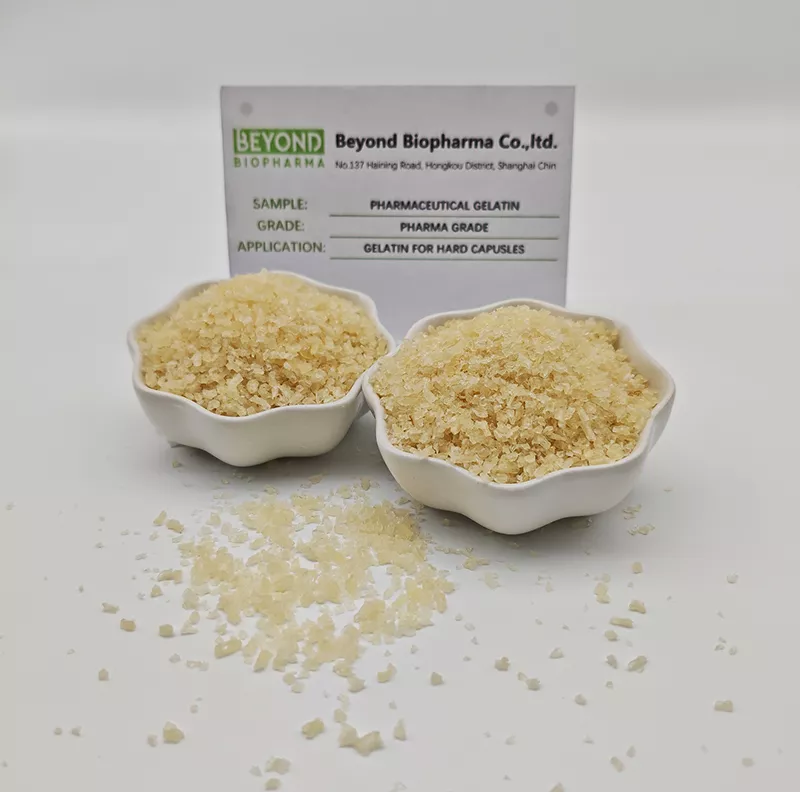
Edible gelatin powder and capsules in laboratory setting

How Does Gelatin Functionality Impact Product Development?

Edible gelatin serves as a multifunctional ingredient that bridges culinary arts and pharmaceutical science. Its unique thermal reversibility, film-forming capabilities, and binding properties make it indispensable across sectors. In confectionery, gelatin provides the characteristic chew and melt-in-mouth texture consumers expect from gummies and marshmallows.

Pharmaceutical applications leverage gelatin's encapsulation properties for softgel and hard capsule manufacturing. The material's purity and dissolution profile directly affect drug bioavailability. Manufacturers must consider Bloom strength, viscosity, and particle size distribution when selecting gelatin for specific applications.

Recent advancements in processing technology have enabled more consistent quality parameters. Controlled hydrolysis and filtration processes now yield gelatin with standardized molecular weight distributions, ensuring predictable gelling behavior and reduced batch-to-batch variation.
What Quality Parameters Differentiate Premium Gelatin Grades?

Not all gelatin performs equally under production conditions. Key quality indicators include gel strength (measured in Bloom), viscosity, clarity, and microbiological purity. Pharmaceutical-grade specifications typically demand higher thresholds across all parameters, particularly regarding endotoxin levels and heavy metal content.

Source material selection significantly influences final product characteristics. Bovine hide gelatin generally offers higher gel strength and melting points compared to porcine varieties. The extraction process—whether acid or alkaline pretreatment—affects the isoelectric point and subsequent compatibility with other formulation components.

Third-party verification of TSE/BSE-free status remains non-negotiable for global market access. Reputable suppliers provide comprehensive documentation including certificates of analysis, regulatory compliance statements, and traceability records back to raw material origins.

Quality control testing of gelatin samples in laboratory
Gelatin applications in food products and supplements

Where Do Market Opportunities Exist for Specialty Gelatin Products?

The global edible gelatin market continues evolving beyond traditional applications. Nutraceutical delivery systems represent a growing segment, with gelatin acting as a carrier for vitamins, probiotics, and bioactive compounds. Modified gelatin variants with tailored release profiles enable timed nutrient delivery.

Clean-label trends drive demand for minimally processed gelatin with simple ingredient declarations. This positions gelatin favorably against synthetic alternatives that often require complex chemical names on packaging. The natural collagen-derived narrative resonates with health-conscious consumers.

Emerging applications include edible packaging films, microencapsulation for flavor protection, and texture modification in plant-based analog development. Each application requires specific functional properties that suppliers can address through customized gelatin blends and processing parameters.

Technical Specifications: Edible Gelatin Grades Comparison

Parameter Food Grade Pharmaceutical Grade Nutraceutical Grade
Bloom Strength Range 80-250 Bloom 150-300 Bloom 100-280 Bloom
Viscosity (mPa·s) 20-75 25-60 22-70
Microbial Count (CFU/g) <10,000 <1,000 <5,000
Heavy Metals (ppm max) 50 10 30
Moisture Content 8-13% 8-12% 8-12%
Primary Applications Confectionery, Dairy, Desserts Capsules, Tablets, Coatings Supplements, Functional Foods

Frequently Asked Questions About Edible Gelatin

What are the primary sources of high-quality edible gelatin?

Premium edible gelatin is primarily derived from bovine hides and porcine skin through controlled hydrolysis. These sources provide consistent gel strength, clarity, and purity levels required for pharmaceutical and food applications. Marine sources are also gaining traction for specific dietary requirements.

How does gelatin concentration affect gelling properties in confectionery?

Gelatin concentration directly influences texture, melting point, and chewiness. Typically, 6-10% gelatin creates soft gels for gummies, while higher concentrations (15-20%) produce firmer textures for marshmallows. The Bloom strength rating (80-300) further determines the gel's elasticity and stability under different temperature conditions.

What quality certifications should manufacturers look for in gelatin suppliers?

Reputable suppliers should hold BRCGS, ISO 22000, Halal, Kosher, and GMP certifications. Pharmaceutical-grade gelatin requires additional documentation including TSE/BSE-free statements, heavy metal testing, and microbiological controls. These ensure compliance with global food safety and pharmaceutical regulations.

Can gelatin be used in vegetarian or vegan product formulations?

Traditional gelatin is animal-derived, making it unsuitable for vegetarian/vegan products. However, alternatives like agar-agar, pectin, carrageenan, and modified starches can mimic some functional properties. These substitutes differ in melting points, texture, and mouthfeel, requiring formulation adjustments.

What storage conditions maximize edible gelatin's shelf life?

Store gelatin in airtight containers at 10-25°C with relative humidity below 65%. Avoid temperature fluctuations and direct sunlight. Properly stored gelatin maintains functionality for 24-36 months. Once hydrated, solutions should be used within 24-48 hours and refrigerated to prevent microbial growth.

CONTACT

Your Name:*

Country:*

Company:*

Email:*

Phone (with Country Code)*

Message:*

contact

+86 18657345785

NO.137 Haining Road, Hongkou District, Shanghai China

Copyright© 2026 Beyond Biopharma Privacy Policy