English EN


How to Use Gelatin Powder? Applications of Gelatin Powder
Use gelatin powder by blooming it in cold water, dissolving gently, and adding to recipes for perfect texture in desserts, sauces, and supplements.
More
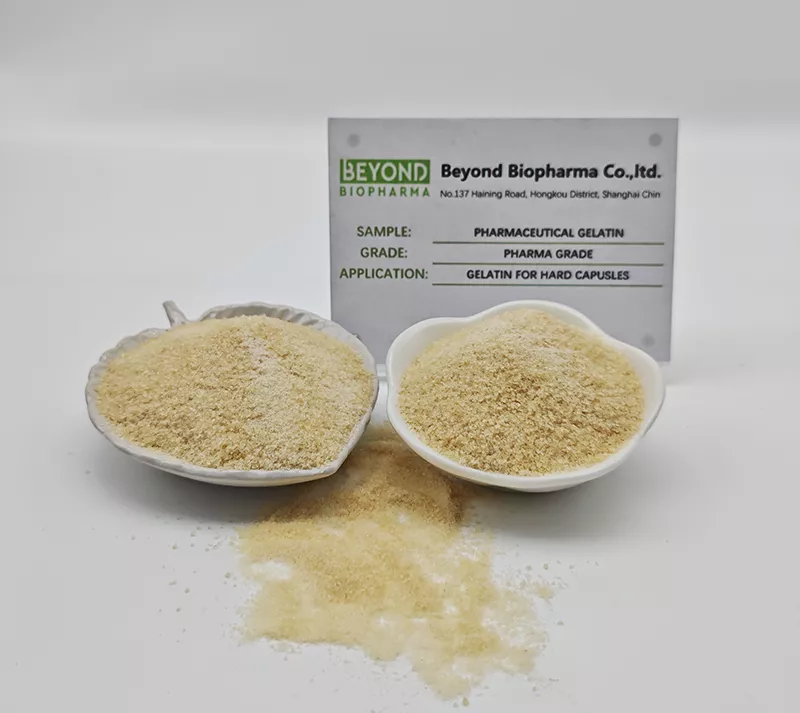
At its core, gelatin powder is made from collagen, a natural protein found in the connective tissues, bones, and skin of animals. The most common sources are bovine (cow) hides and bones, as well as porcine (pig) skin. Fish skin and scales are also used, especially for kosher and halal markets. During manufacturing, these collagen-rich materials are carefully cleaned, then subjected to a controlled hydrolysis process that breaks down the collagen into gelatin. This is why you will often see terms like "bovine gelatin" or "fish gelatin" on product labels. The specific animal source directly influences the gel strength, melting point, and clarity of the final powder.
While not listed as an ingredient on the final package, water plays a critical role in making gelatin powder. The collagen is soaked and heated in purified water to extract the gelatin. This hot water extraction step is carefully controlled for temperature and pH to ensure the collagen is properly converted without degrading the protein chains. After extraction, the liquid gelatin solution is filtered, concentrated, and then dried into a powder. The water is removed during drying, leaving behind the pure gelatin protein. So, when you rehydrate gelatin powder at home, you are essentially reversing this process.
Depending on the raw material, manufacturers use either an acid or an alkali pretreatment to prepare the collagen for extraction. For porcine skin, a mild acid solution (like hydrochloric or sulfuric acid) is typically used. For bovine hides and bones, an alkaline treatment (using lime or sodium hydroxide) is more common. These agents help to swell the collagen and break certain cross-links, making the protein more soluble and easier to extract. After pretreatment, the material is thoroughly washed to remove any residual chemicals. This step is crucial because it determines the final properties of the gelatin, such as its isoelectric point and bloom strength.
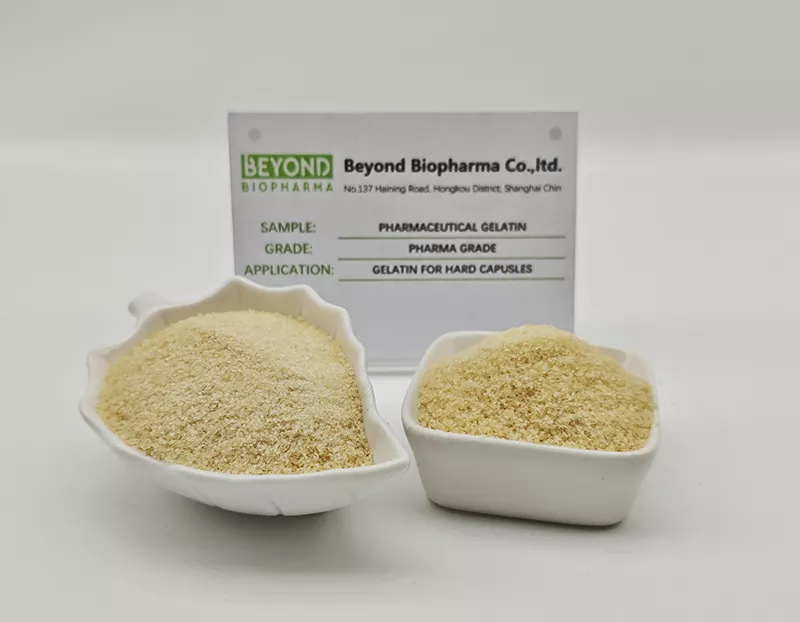
One of the most important "ingredients" in gelatin powder is not a substance but a measurement: bloom strength. Bloom is a standardized test that measures the firmness of a gelatin gel. It is expressed as a number, typically ranging from 50 to 300. A higher bloom number means a firmer, stronger gel. For example, a 250-bloom gelatin is commonly used in hard capsules and firm desserts, while a 100-bloom gelatin might be used for softer confections. When you buy gelatin powder, the bloom value determines how much you need to use for a specific recipe. This property is directly tied to the molecular weight of the collagen peptides and the processing conditions.
Pure gelatin powder typically contains no additives. However, some commercial blends may include small amounts of sugar, dextrose, or citric acid to improve flowability or adjust the setting time. In pharmaceutical and industrial applications, you might find gelatin combined with plasticizers like glycerin or sorbitol to create flexible films for softgels or coatings. Always check the label if you need a pure, unflavored gelatin. For most culinary uses, standard gelatin powder is just 100% protein with no extra ingredients. This simplicity is what makes it so versatile in both sweet and savory applications.
Not all gelatin powders are the same. For dietary and religious compliance, manufacturers produce gelatin from specific sources. Fish gelatin, derived from fish skin, is popular for kosher and halal certifications. Bovine gelatin from BSE-free herds is also widely used in halal products. These specialty gelatins have slightly different gelling temperatures and textures. For instance, fish gelatin typically has a lower melting point, which can be an advantage in certain food products. If you are looking for clean-label options, you can explore halal and kosher verified fish gelatin or pharmaceutical grade bovine bone gelatin for specific applications.
Gelatin is often compared to plant-based gelling agents like agar-agar or pectin. The key difference is that gelatin is a protein, while agar and pectin are carbohydrates. Gelatin gels are thermo-reversible, meaning they melt when heated and set again when cooled. Agar gels have a much higher melting point and are not reversible in the same way. Pectin requires sugar and acid to set. For applications like soft capsules or marshmallows, gelatin provides a unique texture that plant-based alternatives cannot easily replicate. If you are interested in other protein-based ingredients, you might also look into corn peptide powder or rice protein peptide for different functional properties.
To get the best results from gelatin powder, always follow the blooming process: sprinkle the powder over cold water and let it sit for 5 to 10 minutes before heating. This ensures even hydration and prevents clumping. Never boil gelatin directly, as high heat can break down its gelling ability. The typical ratio is one tablespoon of gelatin powder to about two tablespoons of cold water for blooming. For firmer gels, use a higher bloom strength gelatin. Store your gelatin powder in a cool, dry place away from moisture, as it can absorb humidity and lose its effectiveness. Whether you are making panna cotta, gummy candies, or pharmaceutical capsules, understanding these basics will help you achieve consistent results.


We provide you with comprehensive foreign trade solutions to help enterprises achieve global development
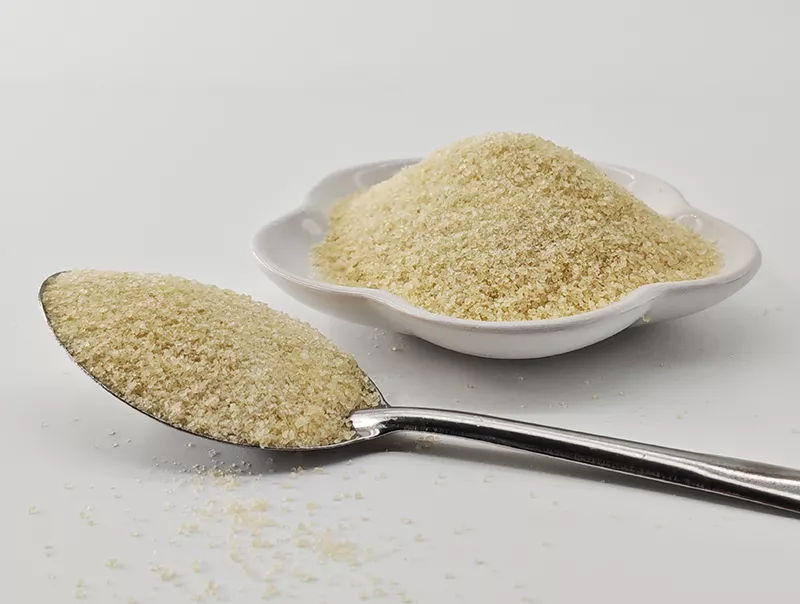
The High-Performance Barrier for Core Material Protection and Controlled Release.
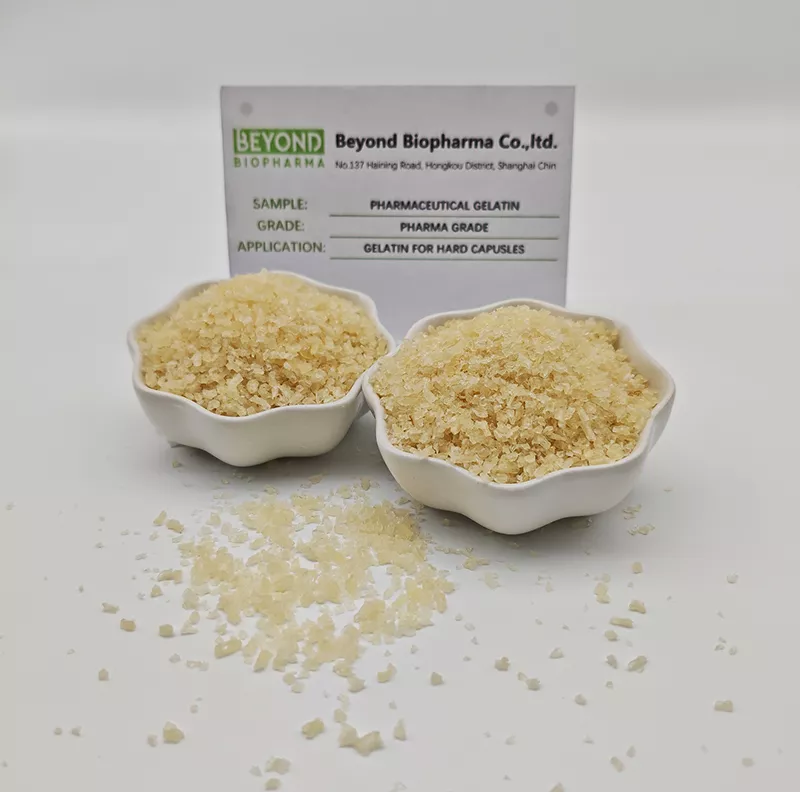
Precision, Purity, and Optimal Machinability
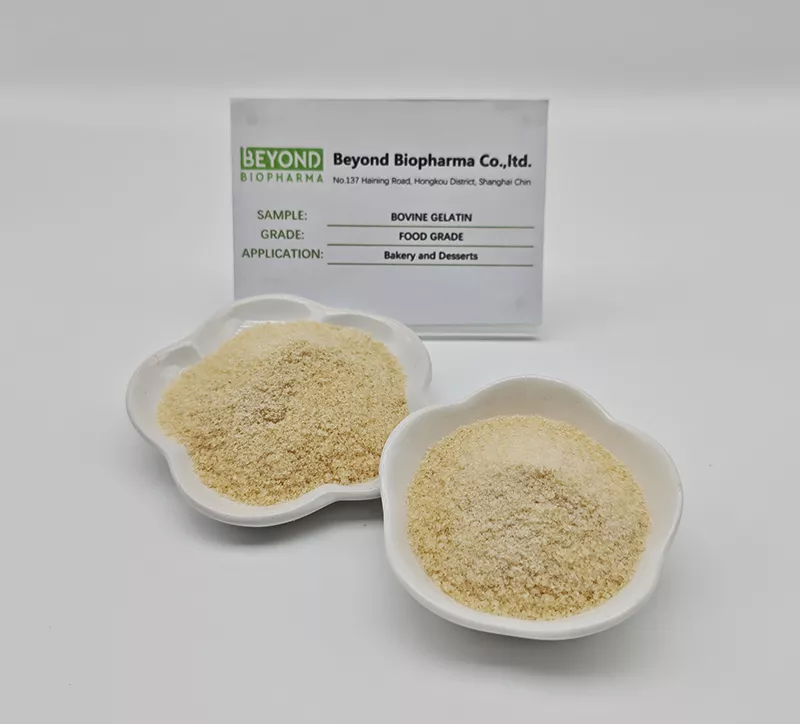
20 years experiences, 5000 ton/year capacity, Sustained supply with stable quality
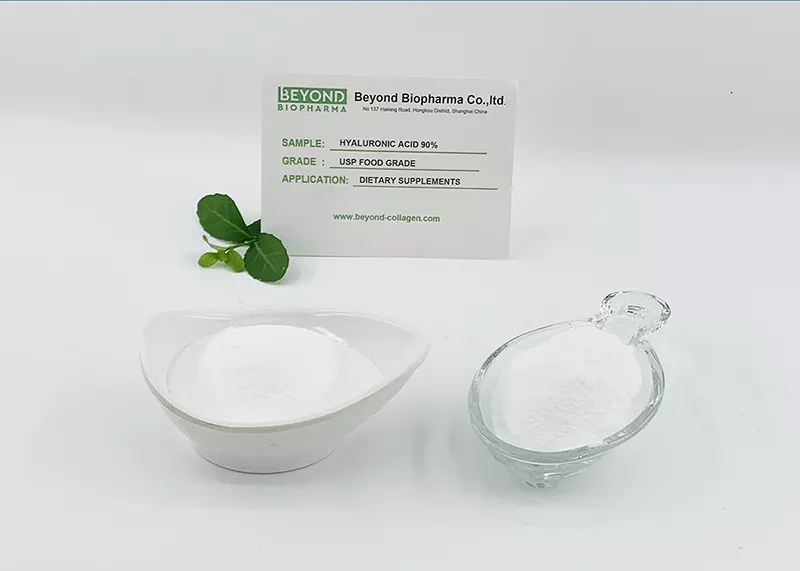
High Molecular Weight for Superior Joint, Skin, and Eye Health.
Tel:+86 21 65010906
Cell/Whatsapp/Wechat:
+86 13482884055
+86 18657345785
Email: sales@beyondbiopharma.com