English EN


What Food Products Are Made With Edible Gelatin
Edible gelatin is found in gummy candies, marshmallows, yogurt, fruit snacks, jello, trifles, and many processed foods. Check labels for gelatin sources.
More
Collagen hydrolysate and gelatin are both derived from native collagen, but their structural configurations differ significantly due to processing methods. Gelatin retains a partial triple-helix structure through controlled hydrolysis, while collagen hydrolysate undergoes extensive enzymatic breakdown, resulting in smaller peptide fragments. These structural variations directly influence their solubility, gelation behavior, and functional applications in food systems.
Gelatin's ability to form thermoreversible gels makes it ideal for confectionery, desserts, and encapsulation, where texture and melt-in-mouth properties are critical. In contrast, collagen hydrolysate, with its high solubility in cold water and lack of gelation, is preferred for beverages, clear broths, and functional supplements. The molecular weight distribution also affects viscosity and film-forming capacity, impacting usage in coatings and emulsifiers.
For applications requiring rapid dispersion and neutral taste, collagen hydrolysate is often chosen, while gelatin is selected for its gelling strength and elasticity. Understanding these distinctions allows formulators to tailor product texture, stability, and nutritional profile. For detailed ingredient specifications, refer to hydrolyzed collagen type II powder and high bloom gelatin.
Ultimately, the choice between collagen hydrolysate and gelatin hinges on the desired rheological properties and end-use temperature conditions. Both ingredients offer unique benefits, from cold-set stability to heat-resistant gel networks, enabling diverse product innovations. Explore standardized gelatin sheets for consistent gel performance.
Bloom strength measures the firmness of a gelatin gel, directly influencing the texture and stability of food products. Higher bloom values create stronger, more rigid gels ideal for confectionery and desserts, while lower bloom yields softer, more elastic textures suitable for mousses and creams. Viscosity, on the other hand, reflects the thickness of gelatin in solution, affecting its flow and coating properties. Together, these parameters determine whether gelatin functions as a gelling agent or a thickener, guiding formulation choices for optimal mouthfeel and performance.
The interplay between bloom strength and viscosity is critical for achieving consistent results. High-bloom gelatins often exhibit lower viscosity, making them ideal for clear, firm gels, while low-bloom types with higher viscosity provide better body and suspension. Understanding these properties allows manufacturers to tailor gelatin for specific applications, from gummy candies to dairy products, ensuring reliable gelling and thickening in every batch.
The origin of gelatin significantly determines its gelling strength, thermal stability, and functional behavior in food systems. Bovine gelatin offers high bloom values and robust gel structure, ideal for hard capsules and confectionery. Porcine gelatin provides excellent clarity and elasticity, commonly used in marshmallows and gummy candies. Fish gelatin exhibits lower melting points, making it suitable for cold-set applications and soft capsules requiring rapid dissolution.
| Source | Bloom Range (g) | Melting Point (°C) | Key Attribute | Primary Application |
|---|---|---|---|---|
| Bovine | 200 – 280 | 30 – 35 | High gel strength, thermal stability | Hard capsules, jelly desserts |
| Porcine | 180 – 260 | 28 – 32 | Excellent clarity, elastic texture | Gummy candies, marshmallows |
| Fish | 150 – 220 | 18 – 25 | Low melting point, rapid dissolution | Soft capsules, cold-set gels |
Table data indicates that bovine gelatin provides the highest bloom and melting point, ensuring firm gelation suitable for heat-resistant formats. Porcine gelatin balances elasticity and clarity, favored in chewy confections. Fish gelatin, with the lowest thermal threshold, enables quick release and melt-in-mouth characteristics for delicate applications. Selecting the appropriate source directly impacts product texture, stability, and consumer acceptance.
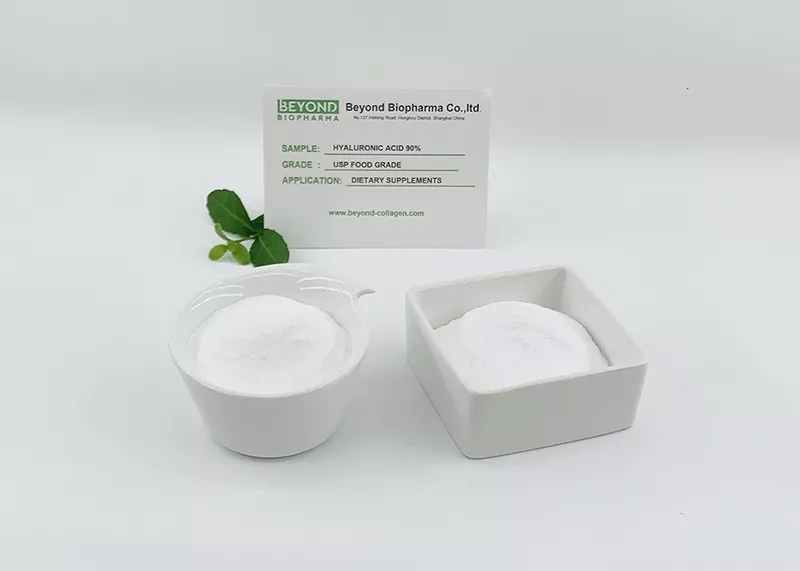
For further technical specifications and sourcing options, explore food-grade hyaluronic acid and hydrolyzed collagen type II resources. Additional details on gelatin grades are available through high bloom gelatin for hard capsules and standardized gelatin sheets.
Additives and processing aids play a crucial role in modifying gelatin's physical and chemical properties. Common additives include plasticizers like glycerin and sorbitol, which enhance flexibility and reduce brittleness in gelatin films and capsules. Preservatives such as potassium sorbate or sodium benzoate are often added to inhibit microbial growth, thereby extending shelf life. Additionally, clarifying agents like activated carbon or diatomaceous earth are used during processing to remove impurities and improve the clarity of gelatin solutions, resulting in a more transparent final product.
The choice and concentration of these additives directly impact gelatin's stability under varying temperature and humidity conditions. For instance, the addition of humectants helps retain moisture, preventing the gelatin from becoming too brittle in dry environments. Cross-linking agents, such as transglutaminase or glutaraldehyde, can be introduced to strengthen the gel network, enhancing thermal stability and resistance to enzymatic degradation. However, excessive cross-linking may reduce solubility and alter the desired texture.
Furthermore, processing aids like lubricants (e.g., magnesium stearate) are essential in manufacturing to prevent sticking during encapsulation or molding. pH adjusters, including citric acid or sodium hydroxide, are used to control the gelation rate and final gel strength. The careful selection of these additives ensures that the gelatin meets specific application requirements, from confectionery gummies to pharmaceutical capsules, while maintaining consistent quality and prolonged shelf life.
The purity of food gelatin directly determines its safety, functional performance, and regulatory compliance. Two critical parameters—ash content and heavy metal limits—serve as primary indicators of gelatin quality. Ash content reflects the mineral residue after incineration, typically from raw material processing or contamination. High ash levels can alter gel strength, clarity, and pH stability, compromising texture in confectionery or dairy applications.
Heavy metals, including lead, arsenic, mercury, and cadmium, pose serious health risks even at trace levels. Strict limits ensure gelatin meets food safety standards such as those set by the FDA or EU regulations. Low heavy metal concentrations are essential for protecting consumers, especially in products for children or long-term use.
Manufacturers must rigorously test each batch for these impurities. Advanced analytical methods like ICP-MS enable precise detection. Gelatin with low ash and minimal heavy metals not only guarantees safety but also provides consistent performance in gelling, foaming, and emulsification. For further details on specific gelatin grades, refer to high bloom gelatin or pharmaceutical-grade bovine bone gelatin.
Key Quality Indicators:
For compliant sourcing, explore options like ultra-high viscosity gelatin or standardized gelatin sheets. Regular impurity profiling ensures both safety and product excellence.
The key food gelatin ingredients—collagen hydrolysate and gelatin—differ primarily in molecular structure, with collagen hydrolysate being partially hydrolyzed for solubility in cold water, while gelatin retains its gelling capability. Bloom strength and viscosity are critical parameters that define gelatin's gelling and thickening performance; higher bloom values indicate stronger gels, while viscosity influences texture and mouthfeel. The source of gelatin—bovine, porcine, or fish—directly impacts quality attributes such as melting point, clarity, and allergen suitability, making source selection vital for specific applications. Additives and processing aids, including acid or alkaline treatments, filtration agents, and preservatives, significantly affect gelatin's clarity, stability, and shelf life by removing impurities and preventing microbial growth. Finally, evaluating purity through ash content and heavy metal limits ensures food safety and compliance with regulatory standards, as excessive impurities can compromise both quality and consumer health. Together, these factors determine gelatin's functional performance and suitability across diverse food products.


We provide you with comprehensive foreign trade solutions to help enterprises achieve global development
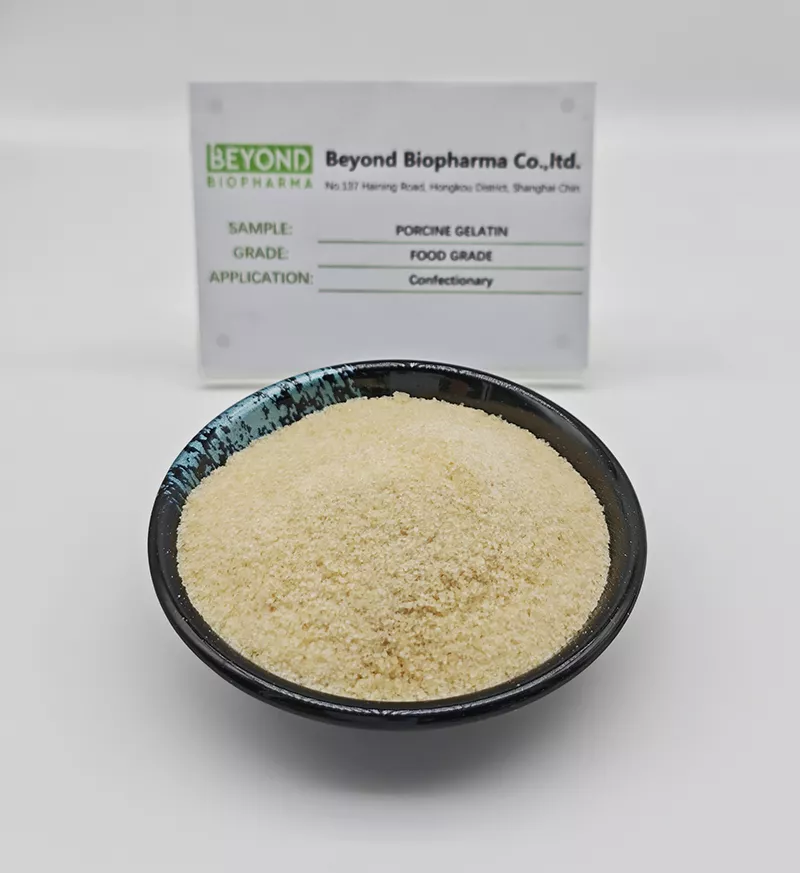
Food-grade porcine gelatin is a highly versatile and cost-effective natural protein derived from the collagen found in pig skin and bones. It is a premier gelling agent known for its exceptional clarity, neutral taste, and thermal reversibility.
20 years experiences, 5000 ton/year capacity, Sustained supply with stable quality
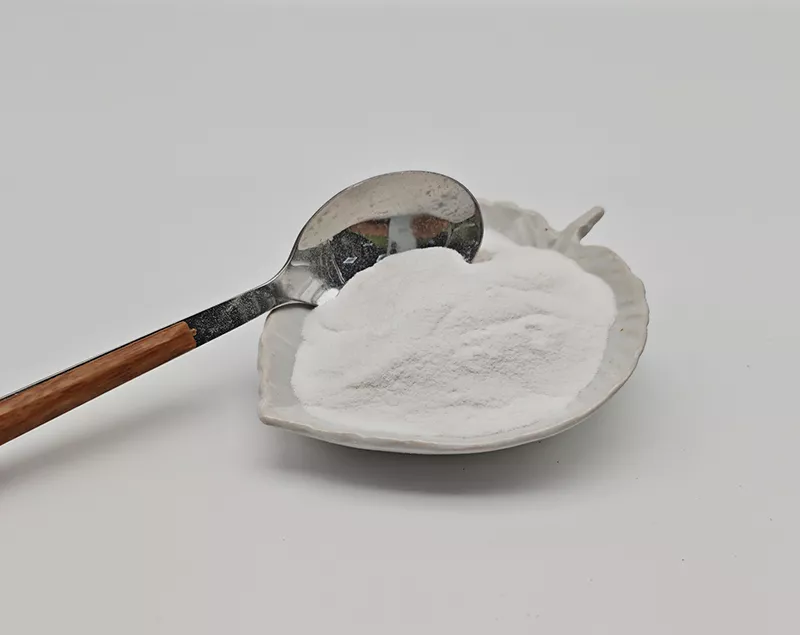
Fish Gelatin for foods is increasingly recognized as the premium alternative to traditional mammalian sources, meeting the growing global demand for clean-label ingredients that align with diverse dietary and religious requirements. Derived from the skin and scales of fish like cod and tilapia, fish gelatin offers unique functional benefits that make it an exceptional gelling, stabilizing, and texturizing agent.
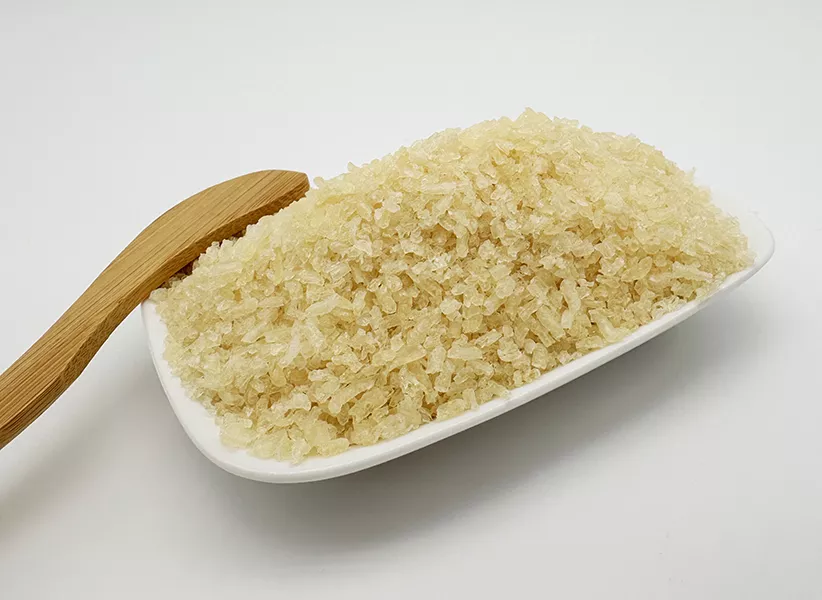
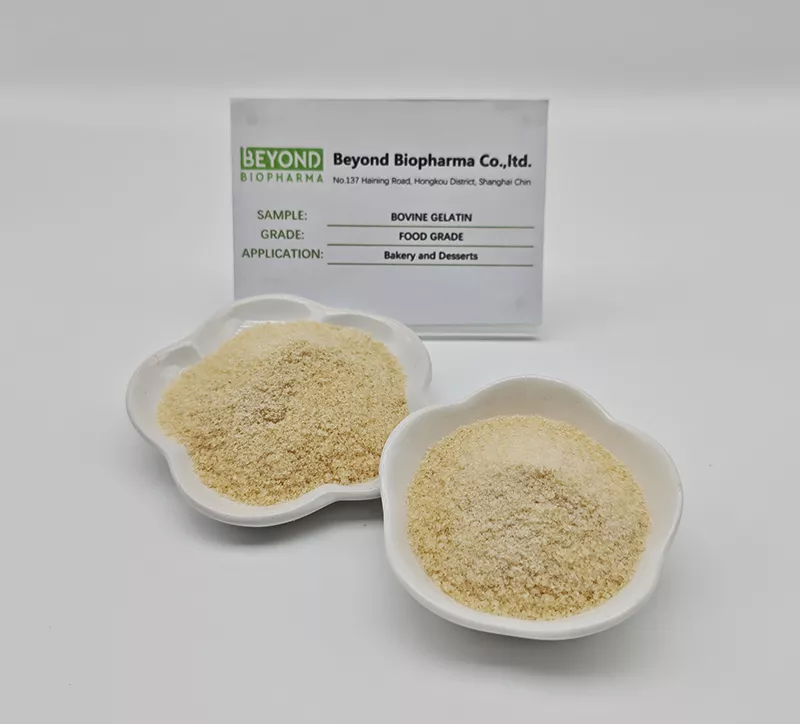
Our Bovine Hides Gelatin is engineered for versatility and compliance, ensuring performance across various applications.
Tel:+86 21 65010906
Cell/Whatsapp/Wechat:
+86 13482884055
+86 18657345785
Email: sales@beyondbiopharma.com