English EN


What Makes Cod Fish Gelatin Unique Compared to Beef and Pork Gelatin
Cod fish gealtin offers a neutral taste, rapid melt, and Halal/Kosher compliance, making it ideal for delicate desserts and specialty diets.
More
Gelatin is a versatile ingredient derived from collagen, commonly used to create firm, jiggly, or creamy textures in desserts and savory dishes. The two main types are powdered gelatin and sheet gelatin, each requiring specific hydration methods. Setting agents like agar-agar and pectin offer plant-based alternatives for different dietary needs.
Powdered gelatin is the most common form, available in unflavored and flavored varieties. It must be bloomed in cold water before dissolving in warm liquid. This type is ideal for quick-set recipes and can be adjusted for softer or firmer gels.
Learn more about powdered gelatin usesSheet gelatin comes in standardized leaves with consistent setting power. It softens in cold water and dissolves smoothly in warm mixtures. Chefs prefer it for clear, professional-looking gels with no air bubbles.
Explore standardized gelatin sheetsAgar-agar is a plant-based setting agent derived from seaweed. It sets at room temperature and creates a firmer, more brittle gel than gelatin. Use it for vegan-friendly desserts and dishes that need to hold shape in warm conditions.
Discover vegan setting alternativesPectin is a natural gelling agent found in fruits, commonly used for jams and jellies. It requires sugar and acid to set properly. For gelatin recipes, pectin can be combined with other agents to achieve a softer, spreadable texture.
See pectin-based applicationsAlways bloom gelatin in cold liquid for 5-10 minutes before heating. Avoid boiling gelatin mixtures as it can weaken the setting strength. For clear gels, strain the mixture through a fine mesh sieve. Refrigerate for at least 4 hours or overnight for firm set.
Get more setting tips from expertsSelect gelatin type based on desired texture: powdered for everyday use, sheet for precision, agar for vegan options, and pectin for fruit-based recipes. Consider setting time, temperature stability, and dietary restrictions when planning your dish.
Compare gelatin types for your recipe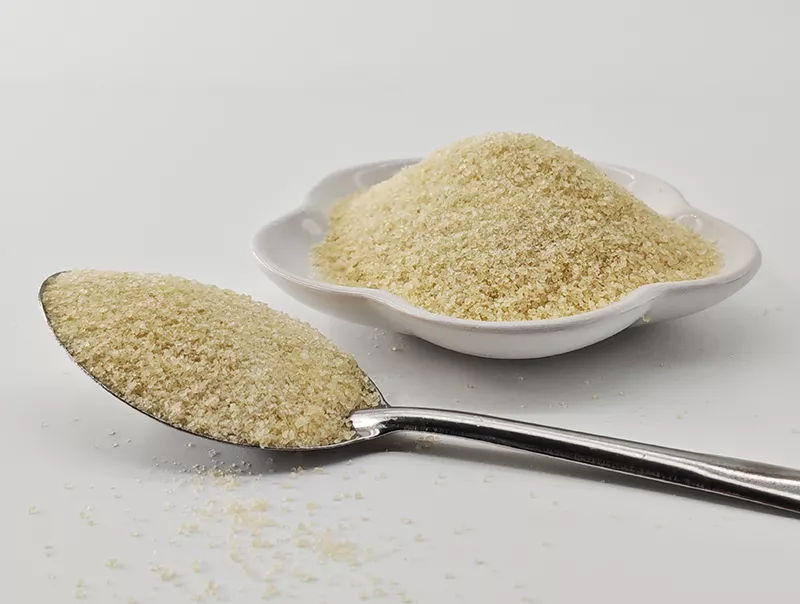
Mastering gelatin desserts starts with the right tools and a few key techniques. A reliable saucepan, a whisk, measuring cups and spoons, and a fine-mesh strainer are essential for smooth, lump-free results. Silicone molds or glass dishes work best for setting, while a kitchen thermometer ensures precise temperature control.
The blooming technique is critical: always sprinkle gelatin powder over cold water and let it sit for 5-10 minutes before heating. For sheet gelatin, soak in ice water until pliable. Gently heat the bloomed gelatin until fully dissolved, but never boil, as this weakens the gelling power. Strain the mixture to remove any undissolved particles for a crystal-clear finish.
When combining gelatin with other liquids, ensure both are at similar temperatures to prevent clumping. Pour slowly while stirring continuously. For layered or molded desserts, allow each layer to set partially before adding the next. Refrigerate for at least 4 hours, or overnight, for firm, sliceable results. A quick dip of the mold in warm water helps release the gelatin cleanly.
Discover simple gelatin recipes that transform everyday ingredients into delightful treats. Whether you need a quick dessert for family dinner or a healthy snack for afternoon cravings, these recipes require minimal effort and deliver maximum flavor.
Mix one packet of unflavored gelatin with 2 cups of mixed berry juice. Heat until dissolved, pour into small cups, and refrigerate for 2 hours. Top with fresh berries before serving. This refreshing dessert is naturally sweet and packed with antioxidants.
Combine 1 tablespoon gelatin with 1 can coconut milk and 2 tablespoons honey. Warm gently, stir in vanilla extract, then pour into a square dish. Chill until firm, then cut into bite-sized squares. A perfect dairy-free snack with a tropical twist.
Layer lemon or orange gelatin with yogurt and granola in a glass. Use 1 tablespoon gelatin per 2 cups citrus juice, sweeten lightly, and set in layers. This parfait is bright, tangy, and perfect for breakfast or a light dessert.
| Recipe | Calories | Protein (g) | Sugar (g) |
|---|---|---|---|
| Berry Gelatin Cup | 85 | 2 | 14 |
| Coconut Gelatin Square | 110 | 3 | 9 |
| Citrus Gelatin Parfait | 95 | 4 | 11 |
Values are approximate per serving and may vary based on specific ingredients used. Adjust sweetness and toppings to suit your dietary preferences.
Always bloom gelatin in cold water before heating to ensure smooth texture. Avoid boiling gelatin as it can reduce setting strength. For fruit-based recipes, use fresh or frozen fruit to avoid added sugars.
For more inspiration and high-quality ingredients, explore trusted sources like gelatin for micro-encapsulation or standardized gelatin sheets for consistent results.
Transform your desserts into stunning centerpieces with unique molds and vibrant layers. Perfect for themed parties or festive gatherings, these techniques add a touch of artistry to every slice.
Use silicone molds in fun shapes like stars, hearts, or seashells for a playful effect. For a sophisticated look, layer different colored gelatin mixtures in a clear glass dish, allowing each layer to set before adding the next. Chill thoroughly before unmolding for clean edges and a glossy finish.
Experiment with fruit chunks, edible flowers, or mint leaves suspended within the layers to create visual interest. Serve on a chilled platter to maintain shape, and garnish with whipped cream or fresh berries for extra appeal.
For holiday celebrations, consider red and green layers for Christmas, or pastel shades for Easter. The possibilities are endless, and the results are always crowd-pleasing.
Perfect for those watching their sugar intake, this variation uses natural sugar substitutes like stevia or monk fruit. Combine unflavored gelatin with your favorite sugar-free fruit juice or unsweetened tea. Add a splash of lemon or lime for a refreshing twist. Chill until set for a guilt-free treat that satisfies your sweet tooth without the added calories. For a reliable base, consider using standardized gelatin sheets to ensure consistent results every time.
Embrace plant-based eating with agar-agar, a seaweed-derived gelling agent that mimics traditional gelatin. Mix agar powder with fruit puree or coconut milk, bring to a boil, then pour into molds. Allow it to set at room temperature or refrigerate for a firmer texture. This version is ideal for vegans and those with dietary restrictions. Enhance the nutritional profile with premium vegan glucosamine hydrochloride for added joint support.
Celebrate the natural sweetness of fresh fruits by infusing them into your gelatin. Layer diced strawberries, blueberries, kiwi, or mango in a dish before pouring over a clear gelatin base. For a tropical flair, use coconut water as the liquid. The fruit not only adds flavor and texture but also provides essential vitamins and antioxidants. A high-quality food-grade hyaluronic acid powder can be blended in for a skin-loving boost.
For a sophisticated twist, brew a strong cup of herbal tea such as chamomile, hibiscus, or peppermint. Sweeten lightly with honey or agave, then dissolve gelatin into the warm tea. Add thin slices of orange, lemon, or grapefruit before refrigerating. The result is a delicate, aromatic dessert that pairs beautifully with light meals. For encapsulation needs, explore gelatin for micro-encapsulation to preserve flavors and nutrients.
Boost your protein intake with a collagen-infused gelatin recipe. Mix bovine collagen peptide powder with warm water or milk, then add unflavored gelatin and your choice of low-sugar flavorings. Pour into silicone molds for bite-sized snacks that support skin, hair, and joint health. This is an excellent post-workout recovery treat. Source your collagen from bovine collagen peptide for energy bar products for optimal purity and efficacy.
Combine the richness of full-fat coconut milk with the tartness of mixed berries for a dairy-free indulgence. Sweeten with a touch of maple syrup or stevia. The coconut milk creates a creamy texture that contrasts beautifully with the fruity layers. This dessert is naturally low in sugar and suitable for paleo and ketogenic diets. For added structural integrity, use ultra-high viscosity gelatin for softgel capsules as a reliable gelling agent.


We provide you with comprehensive foreign trade solutions to help enterprises achieve global development
The High-Performance Barrier for Core Material Protection and Controlled Release.
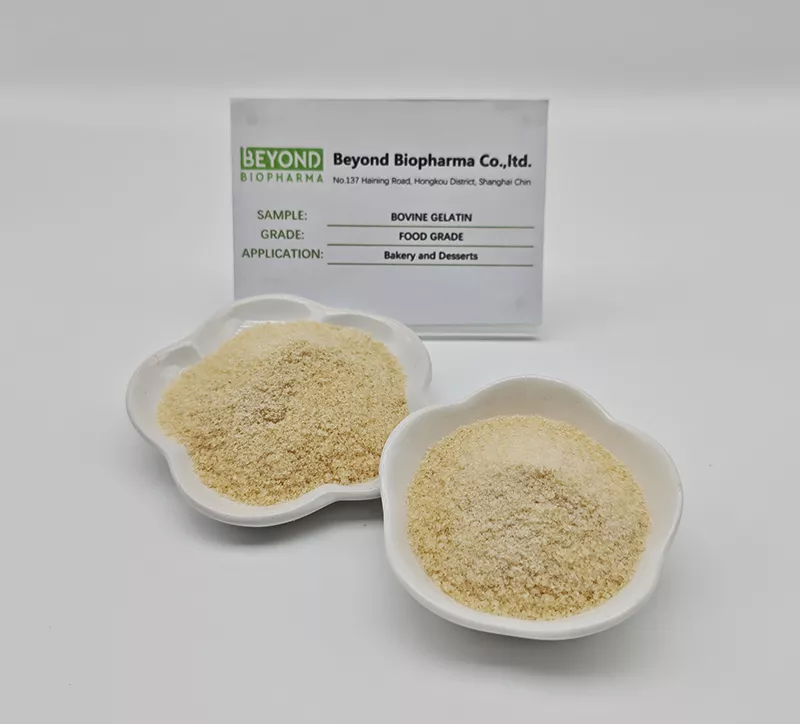
20 years experiences, 5000 ton/year capacity, Sustained supply with stable quality
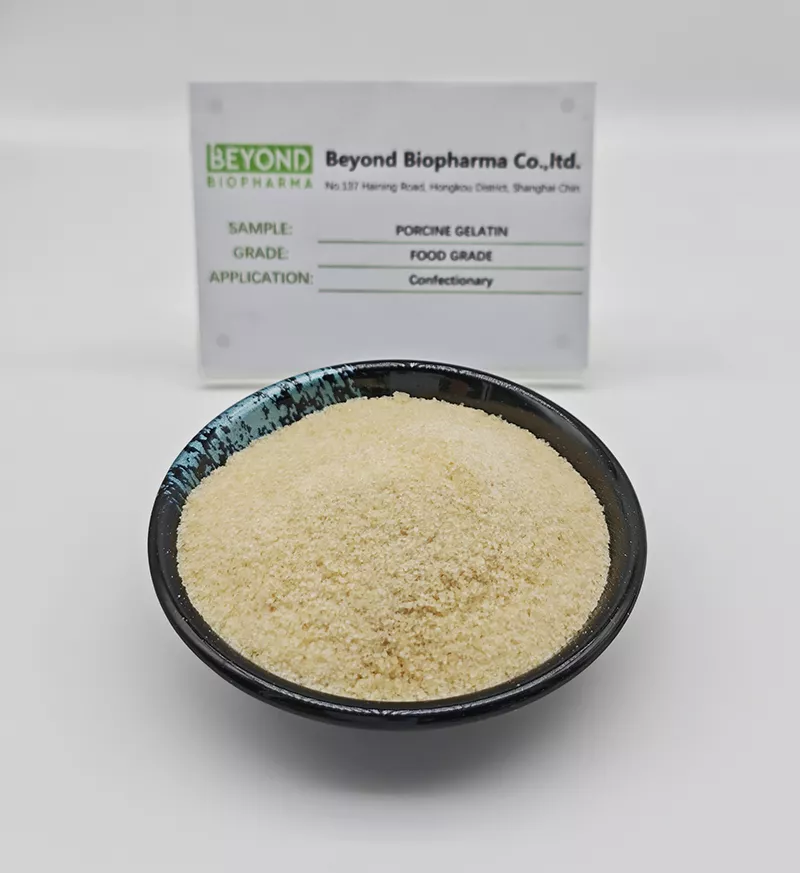
Food-grade porcine gelatin is a highly versatile and cost-effective natural protein derived from the collagen found in pig skin and bones. It is a premier gelling agent known for its exceptional clarity, neutral taste, and thermal reversibility.
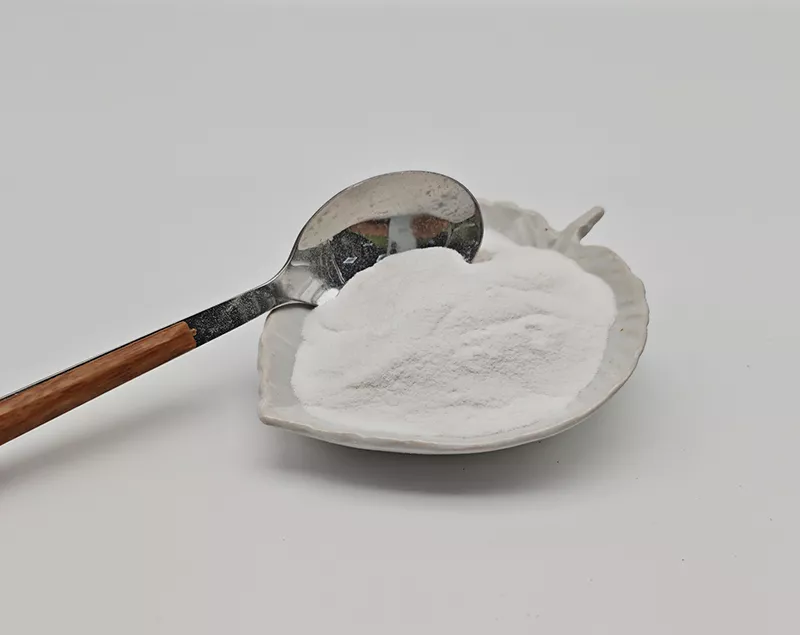
Fish Gelatin for foods is increasingly recognized as the premium alternative to traditional mammalian sources, meeting the growing global demand for clean-label ingredients that align with diverse dietary and religious requirements. Derived from the skin and scales of fish like cod and tilapia, fish gelatin offers unique functional benefits that make it an exceptional gelling, stabilizing, and texturizing agent.
Tel:+86 21 65010906
Cell/Whatsapp/Wechat:
+86 13482884055
+86 18657345785
Email: sales@beyondbiopharma.com