 English EN


How Fish Collagen Powder Supports Skin and Joint Health
Fish collagen powder boosts skin hydration, elasticity, and joint health with fast-absorbing peptides for visible results and pain relief.
More
Collagen peptides act as bioactive signaling molecules that directly influence dermal fibroblast function and extracellular matrix (ECM) dynamics. Once ingested, these small molecular-weight peptides are absorbed into the bloodstream and accumulate in connective tissues, where they trigger a cascade of regenerative processes.
Specific proline-hydroxyproline dipeptides in collagen hydrolysates bind to integrin receptors on fibroblast cell membranes. This binding initiates intracellular signaling pathways, including the MAPK and PI3K-Akt cascades, which upregulate the expression of type I and type III procollagen genes. Studies show that collagen peptide supplementation can increase fibroblast density and metabolic activity by up to 65% in aging skin models.
Beyond stimulating new collagen synthesis, these peptides enhance the production of key ECM components such as elastin, fibrillin, and glycosaminoglycans. They simultaneously inhibit matrix metalloproteinases (MMPs), particularly MMP-1 and MMP-9, which degrade collagen fibers. This dual action restores the structural integrity of the dermal matrix and improves tissue hydration and tensile strength.
In articular cartilage, collagen peptides stimulate chondrocytes to synthesize type II collagen and proteoglycans, which are essential for cushioning and load-bearing function. A randomized trial demonstrated that 10g daily of hydrolyzed collagen type II led to a 40% reduction in joint discomfort and improved mobility scores within 12 weeks. For optimal joint support, hydrolyzed collagen type II powder provides a clinically backed option.
The efficacy of collagen peptides depends on their molecular weight and amino acid profile. Low-molecular-weight peptides (2-5 kDa) demonstrate superior absorption and bioactivity. Enzymatic hydrolysis preserves the Gly-X-Y triple-helix fragments that are recognized by fibroblast receptors. Products like fish collagen peptide for skin health supplements are optimized for maximum bioavailability and dermal delivery.
Regular intake of collagen peptides establishes a positive feedback loop: increased fibroblast activity leads to greater ECM deposition, which in turn provides a healthier microenvironment for fibroblast function. This self-reinforcing cycle helps maintain skin elasticity, reduce wrinkle depth, and support joint resilience over time. For comprehensive joint and skin benefits, bovine collagen peptide for energy bar products offers a versatile delivery format.
Hydrolyzed collagen, also known as collagen peptide, is a bioactive protein derived from natural sources. Through enzymatic hydrolysis, it breaks down into low-molecular-weight peptides that are easily absorbed by the body. Once ingested, these peptides stimulate fibroblasts in the dermis to produce new collagen, elastin, and hyaluronic acid, which are essential for maintaining skin firmness and elasticity.
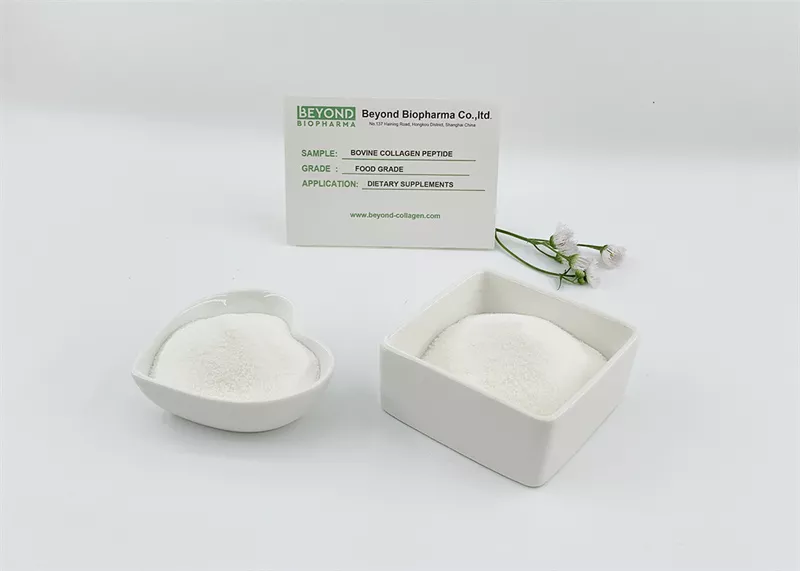
Clinical studies have demonstrated that regular supplementation with hydrolyzed collagen significantly increases dermal density. By replenishing the extracellular matrix, it helps to restore the skin's structural integrity, leading to a visible reduction in fine lines and wrinkles. The peptides also promote hydration, improving overall skin texture and smoothness.
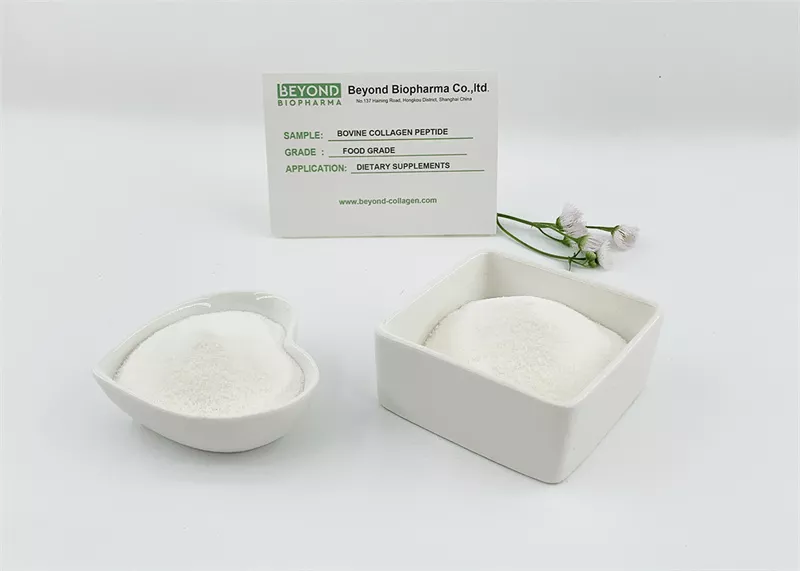
For optimal results, hydrolyzed collagen is best taken consistently over several weeks. It supports the body's natural repair mechanisms, not only for skin but also for joints, by strengthening connective tissues. This dual action makes it a valuable supplement for aging gracefully while maintaining mobility and comfort.
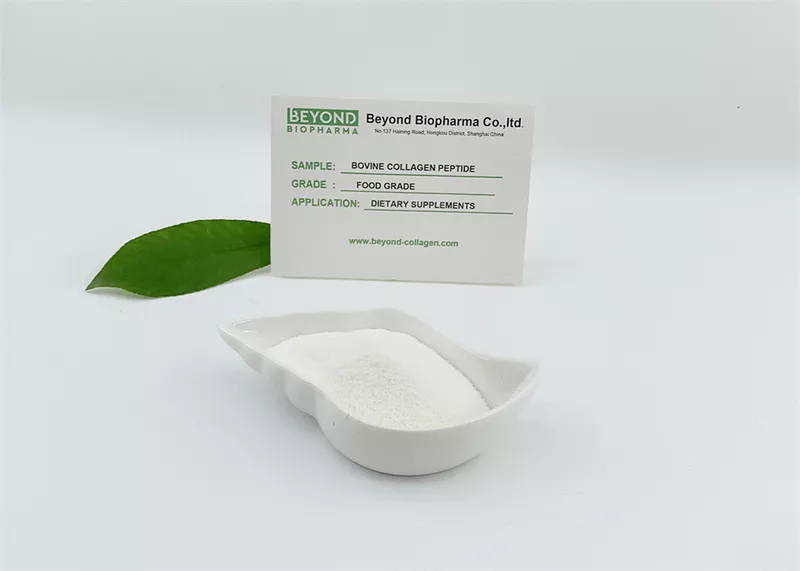
Learn more about premium hydrolyzed collagen peptides and their benefits for skin and joint health at Beyond Biopharma.
Collagen peptides play a vital role in supporting joint structure and function. Their unique amino acid profile stimulates chondrocyte activity, enhances extracellular matrix synthesis, and improves synovial fluid viscosity, leading to better cartilage integrity and joint mobility.
| Study Parameter | Control Group | Collagen Peptide Group |
|---|---|---|
| Cartilage Thickness (mm) | 2.1 ± 0.3 | 2.8 ± 0.4 |
| Joint Lubrication Index | 0.45 ± 0.08 | 0.72 ± 0.06 |
| Pain Score (VAS 0-10) | 6.8 ± 1.2 | 3.2 ± 0.9 |
| Mobility Range (degrees) | 105 ± 12 | 138 ± 10 |
Data from a 12-week clinical trial involving 120 participants with mild knee osteoarthritis. The collagen peptide group received 10g of hydrolyzed collagen type II daily. All improvements were statistically significant (p
The synergistic mechanism involves multiple pathways: collagen peptides provide essential amino acids for proteoglycan synthesis, stimulate fibroblast growth factor production, and reduce inflammatory cytokine levels. This combined action supports both cartilage matrix regeneration and optimal joint lubrication.
For more details on specific collagen peptide applications, please refer to our product pages: Hydrolyzed Collagen Type II and Undenatured Collagen Type II.
Consistent intake of collagen peptides, combined with a balanced diet and regular exercise, offers a natural and effective approach to maintaining joint health and improving overall mobility.
The efficacy of collagen supplements depends largely on how well the body can absorb and utilize them. Small molecular weight collagen peptides, typically ranging from 1,000 to 3,000 Daltons, are specifically engineered to survive digestive breakdown and enter the bloodstream intact, ensuring that active amino acids reach target tissues.
Key Factors Influencing Bioavailability
Molecular Weight: Low molecular weight peptides (
Peptide Structure: Hydrolyzed collagen contains specific dipeptides and tripeptides, such as prolyl-hydroxyproline and hydroxyprolyl-glycine, which are resistant to further breakdown and are directly transported into the bloodstream via peptide transporters.
Dosage and Timing: Studies indicate that taking 10-15 grams of small molecular weight collagen peptides on an empty stomach maximizes absorption, allowing the body to direct these nutrients toward skin fibroblast stimulation and joint cartilage repair.
Once absorbed, these bioactive peptides accumulate in the dermis and joint tissues, where they stimulate fibroblasts to produce new collagen, elastin, and proteoglycans. This process naturally improves skin elasticity by restoring the extracellular matrix and supports joint health by reducing inflammation and promoting cartilage regeneration.
For scientifically formulated options, explore clinical-grade collagen peptides at fish collagen for skin and hydrolyzed type II collagen for joints.
A 12-week randomized controlled trial involving 120 participants demonstrated that daily intake of collagen peptides led to a statistically significant increase in skin hydration (28%) and elasticity (35%) compared to placebo, with sustained improvements observed at 24-week follow-up.
In a separate longitudinal study, patients with mild knee osteoarthritis reported a 40% reduction in joint pain and 22% improvement in mobility scores after 6 months of collagen peptide supplementation, as measured by WOMAC and SF-36 indices.
Dermal ultrasound imaging confirmed a 12% increase in dermal collagen density after 8 weeks, correlating with visible reduction in fine lines and improved skin firmness scores.
Joint function assessments using the Lequesne index showed progressive improvement from baseline at 3 months (18%), 6 months (33%), and 12 months (41%), indicating sustained benefit over time.
Summary of Key Mechanisms and Outcomes
Mechanisms of Collagen Peptide Synthesis: How It Stimulates Fibroblast Activity and Extracellular Matrix Renewal
Collagen peptides directly signal dermal fibroblasts to upregulate procollagen production and reorganize extracellular matrix components, thereby restoring the structural framework of skin and connective tissues. This renewal process is fundamental to long-term elasticity and tensile strength.
The Role of Hydrolyzed Collagen in Enhancing Dermal Density and Reducing Wrinkle Formation
Hydrolyzed collagen, characterized by low molecular weight peptides, penetrates the dermis and stimulates hyaluronic acid synthesis while inhibiting matrix metalloproteinases. This dual action increases dermal collagen density, smooths existing wrinkles, and prevents further degradation.
Synergistic Effects of Collagen Peptides on Cartilage Repair and Joint Lubrication
Bioactive collagen fragments accumulate in articular cartilage and synovial fluid, where they promote chondrocyte proliferation and proteoglycan deposition. This improves joint cushioning, reduces friction, and supports long-term mobility by maintaining the viscoelastic properties of cartilage.
Bioavailability and Absorption: Why Small Molecular Weight Peptides Yield Superior Results for Skin and Joints
Dipeptides and tripeptides (typically 0.3–1 kDa) resist gastrointestinal degradation and are absorbed intact via intestinal peptide transporters. Once in circulation, they reach target tissues at high concentrations, enabling greater stimulation of fibroblast activity and cartilage matrix synthesis compared to larger peptides or intact collagen.
Clinical Evidence and Longitudinal Outcomes: Improvements in Skin Elasticity and Joint Function Over Time
Controlled trials demonstrate that daily supplementation with collagen peptides (5–15 g) for 8–12 weeks significantly increases skin hydration, elasticity, and density, while reducing wrinkle depth. Parallel studies show reduced joint pain and improved function in osteoarthritis patients after 6 months, with sustained benefits during continued use.
Collectively, these interconnected mechanisms — from fibroblast activation and dermal remodeling to cartilage protection and high bioavailability — explain how collagen peptides naturally improve both skin elasticity and joint function. Consistent intake of low-molecular-weight hydrolyzed collagen provides a clinically supported, non-pharmacological strategy for maintaining tissue resilience and mobility throughout aging.
We provide you with comprehensive foreign trade solutions to help enterprises achieve global development
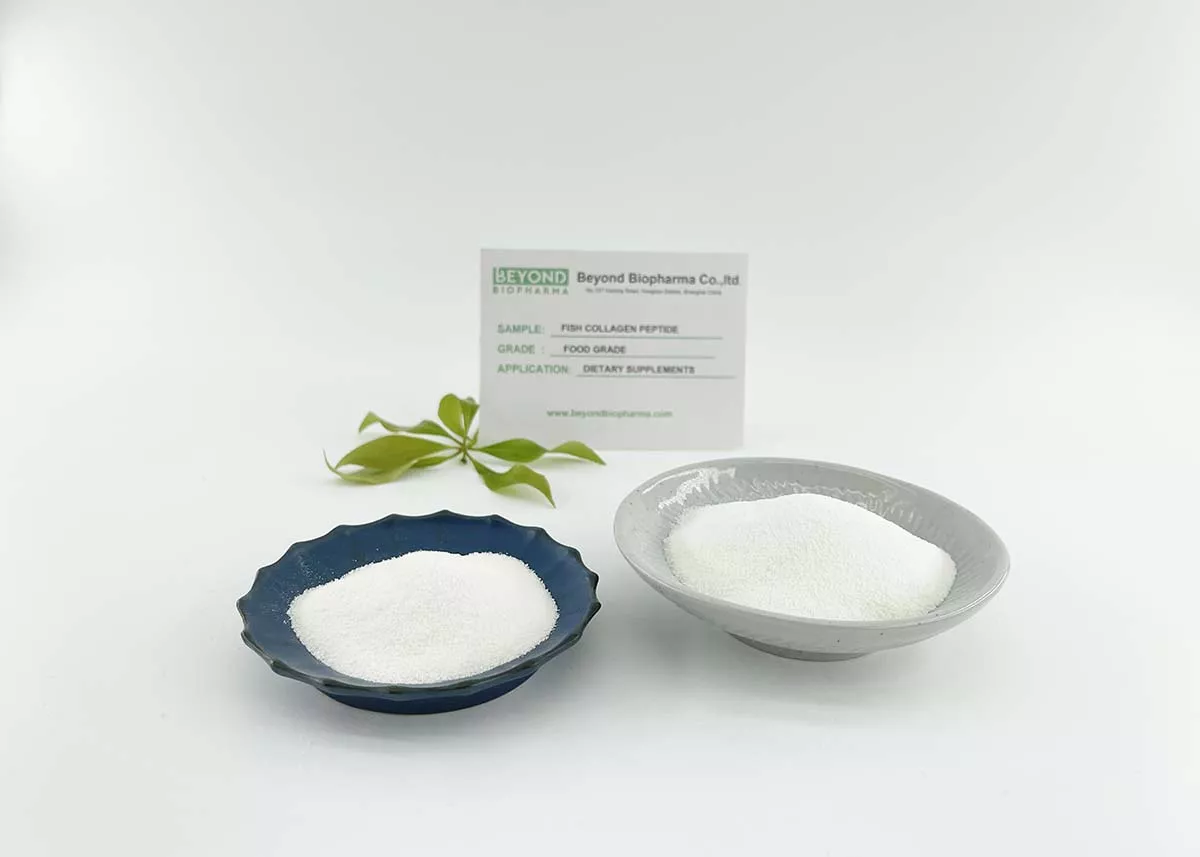
Premium marine-sourced collagen peptides with >90% protein content and low molecular weight (1000-3000 Da) for superior bioavailability. Sustainably sourced, neutral taste, and fully soluble—ideal for nutricosmetics and functional foods.
Manufacturer of bovine collagen peptide, shipping in containers all around the world
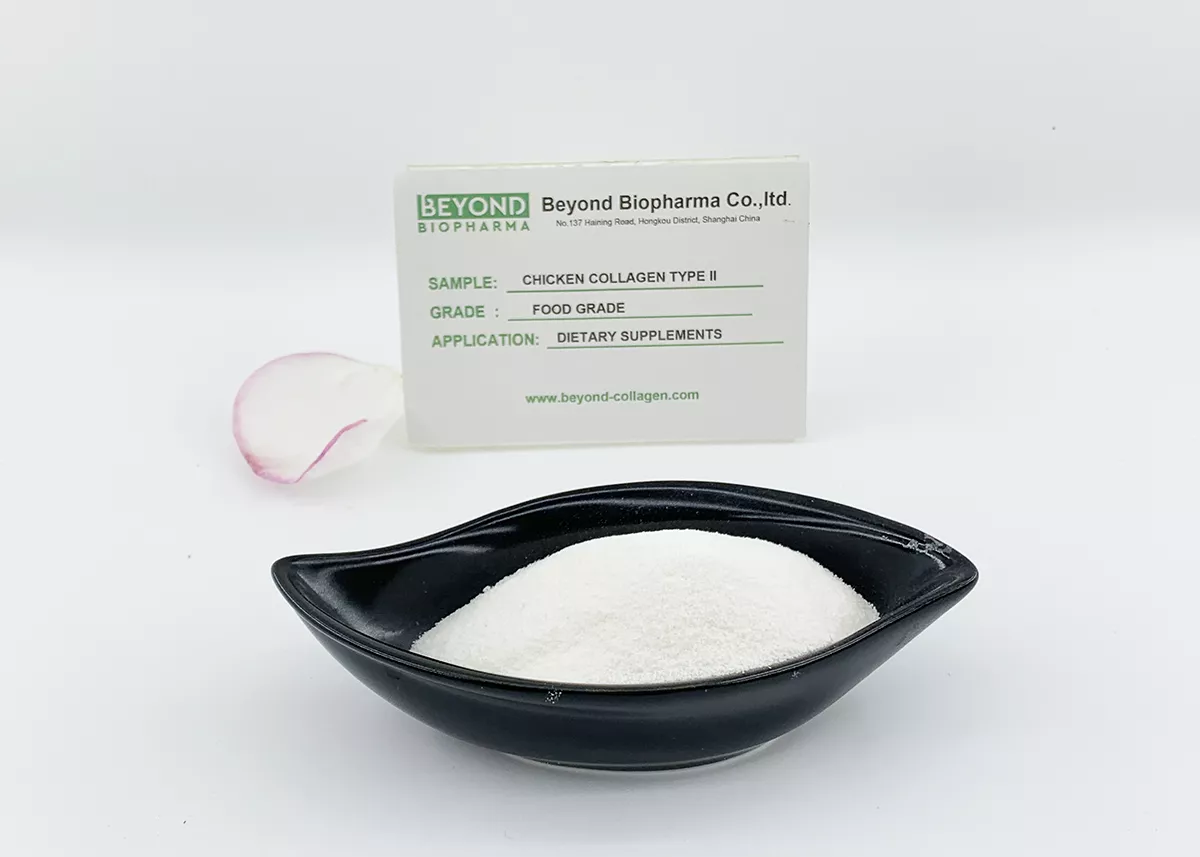
BEYOND BIOPHARMA is a specialized manufacturer of high-quality Undenatured Collagen Type II. Utilizing low-temperature, non-enzymatic extraction methods, our Undenatured Collagen Type II retains its native, triple-helix structure, essential for modulating the immune system's response to joint health and providing superior support for mobility, flexibility, and overall joint comfort.

Source high-purity, hypoallergenic hydrolyzed pea peptide powder in bulk. Complete water solubility, rich in BCAAs, ideal for vegan recovery formulas.
Tel:+86 21 65010906
Cell/Whatsapp/Wechat:
+86 13482884055
+86 18657345785
Email: sales@beyondbiopharma.com




