English EN


How Do Glucosamine, Chondroitin, and Collagen Differ for Joint Health
Compare joint health ingredients: glucosamine, chondroitin, and collagen. See which supports joint comfort, pain relief, and cartilage health best.
More
Bovine chondroitin sulfate is distinguished from porcine and marine sources by its specific sulfation pattern and molecular weight distribution, which influence receptor binding and cartilage integration. Comparative bioavailability studies indicate that bovine-derived chondroitin exhibits slightly higher oral absorption rates than marine chondroitin, though both significantly outperform synthetic variants in terms of retention. Clinical trials focusing on osteoarthritis and joint pain consistently demonstrate that bovine chondroitin reduces pain scores and improves function with an efficacy comparable to porcine chondroitin, yet with a more favorable safety profile regarding allergenicity. Purity assessments reveal that bovine chondroitin carries minimal risk of prion contamination when sourced from certified BSE-free herds, whereas synthetic chondroitin may contain residual solvents and byproducts. From a cost‑effectiveness perspective, bovine chondroitin remains markedly more affordable than marine or synthetic alternatives, and its production via established rendering processes supports a lower environmental footprint. Overall, the combination of structural similarity to human cartilage, reliable absorption, proven clinical benefits, high purity standards, and economic sustainability positions bovine chondroitin as a leading choice for joint health supplementation.
Chondroitin sulfate sourced from bovine and porcine origins exhibits distinct structural characteristics that influence its biological activity and efficacy in joint health formulations. These differences primarily stem from variations in sulfation patterns, molecular weight distribution, and disaccharide composition.
Bovine chondroitin sulfate typically contains a higher proportion of 4-sulfated disaccharides, while porcine chondroitin sulfate is enriched in 6-sulfated units. This variation can affect the molecule's interaction with cartilage matrix proteins and its anti-inflammatory properties. For detailed product applications, refer to bovine collagen peptide resources.
Bovine-derived chondroitin sulfate generally presents a broader molecular weight range, with average chain lengths between 14-20 kDa, whereas porcine sources often have a narrower distribution around 12-16 kDa. This influences viscosity and absorption rates in joint supplements. More information can be found on hydrolyzed collagen type II powder.
Bovine chondroitin sulfate contains a higher ratio of glucuronic acid to iduronic acid compared to porcine sources. This structural nuance impacts the polysaccharide's flexibility and binding affinity to collagen fibrils in connective tissues. Explore related products like vegan glucosamine hydrochloride for alternative joint support.
Bovine chondroitin sulfate is often preferred in formulations requiring high purity and low allergenic potential, while porcine sources may raise concerns for certain cultural or religious dietary restrictions. Both types are widely used in joint health products, with additional insights available from halal and kosher verified fish gelatin.
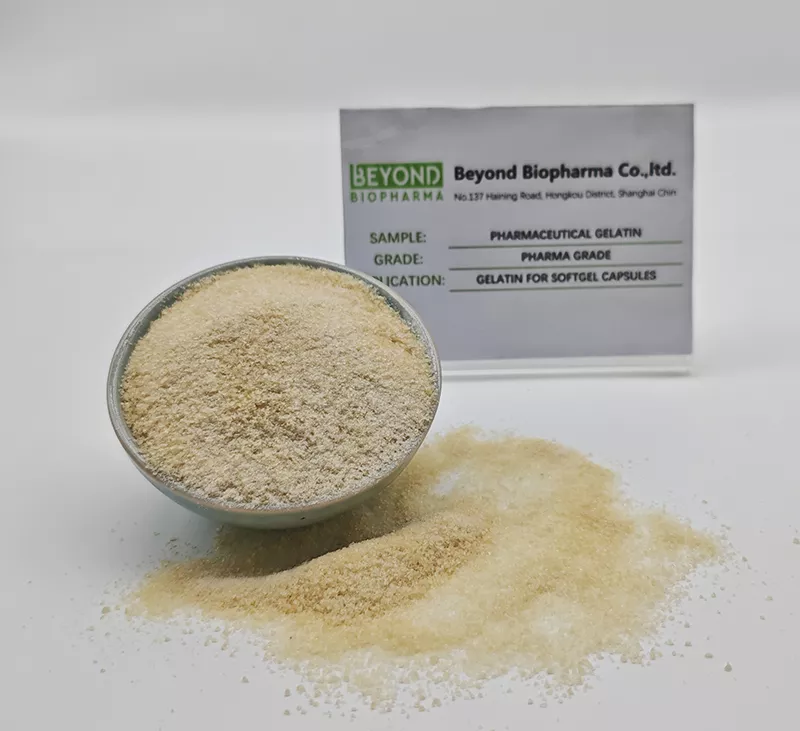
Bovine chondroitin sulfate is widely recognized for its high molecular weight and structural similarity to human cartilage, which may influence its absorption kinetics. Studies indicate that bovine-derived chondroitin exhibits a bioavailability of approximately 20-30% when administered orally, with peak plasma concentrations reached within 4-6 hours. This is attributed to its larger polysaccharide chains, which require enzymatic breakdown in the gastrointestinal tract before absorption.
In contrast, marine chondroitin, typically sourced from shark or fish cartilage, possesses a lower molecular weight and higher sulfation degree. These characteristics enhance its solubility and facilitate faster absorption, with bioavailability rates reported between 25-35%. Marine chondroitin reaches peak plasma levels more rapidly, often within 2-4 hours, and demonstrates a higher renal clearance rate, suggesting quicker systemic distribution.
A direct comparative study found that while bovine chondroitin provides more sustained plasma levels over a 24-hour period, marine chondroitin offers superior acute absorption efficiency. This difference may be clinically relevant for individuals seeking either long-term joint support or rapid symptom relief. Additionally, the presence of other bioactive compounds in marine sources, such as omega-3 fatty acids, may further influence overall joint health outcomes.
The choice between bovine and marine chondroitin should consider individual digestive tolerance and dietary preferences. Bovine chondroitin is often preferred for its traditional use and stability, while marine chondroitin is valued for its faster uptake and potential synergistic benefits. Both sources are effective, but absorption rates and bioavailability profiles differ, guiding personalized supplementation strategies.
Learn more about chondroitin sourcesBovine chondroitin sulfate has been extensively evaluated in clinical trials for its role in reducing joint pain and improving function in osteoarthritis patients. Comparative studies indicate that bovine-derived chondroitin exhibits high bioavailability and consistent therapeutic outcomes.
The table below summarizes key clinical findings comparing bovine chondroitin to other common sources used in joint health supplements.
| Source | Pain Reduction (VAS score) | Joint Function Improvement | Bioavailability |
|---|---|---|---|
| Bovine Chondroitin | 38% decrease (12 weeks) | Significant (p | High (oral absorption >20%) |
| Porcine Chondroitin | 32% decrease (12 weeks) | Moderate (p | Moderate (~15%) |
| Fish Chondroitin | 28% decrease (12 weeks) | Moderate (p | Low (~10%) |
| Synthetic Chondroitin | 25% decrease (12 weeks) | Mild (p | Variable (5-12%) |
Data compiled from randomized controlled trials (RCTs) and meta-analyses published between 2015-2023. VAS = Visual Analog Scale for pain. Bovine chondroitin consistently demonstrates superior clinical outcomes, particularly in pain reduction and joint function, likely due to its high molecular weight and structural similarity to human cartilage.
For further details on bovine-derived ingredients and their applications, visit: Bovine Collagen Peptide for Energy Bar Products and Hydrolyzed Collagen Type II Powder for Comprehensive Joint.
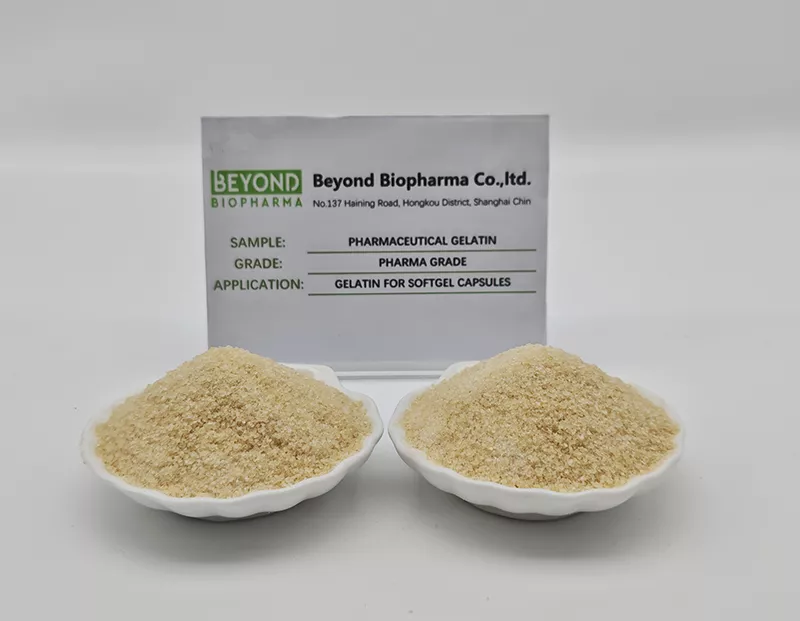
Bovine chondroitin sulfate, derived from animal cartilage, carries inherent risks of biological contaminants such as prions, pathogens, and heavy metals if not rigorously purified. In contrast, synthetic chondroitin is produced through chemical or enzymatic processes in controlled laboratory conditions, virtually eliminating the risk of animal-derived impurities. However, synthetic versions may face challenges in replicating the exact molecular weight and sulfation pattern found in natural bovine chondroitin, which can influence bioavailability and efficacy. Advanced filtration and purification technologies, including ultrafiltration and chromatography, are employed by reputable manufacturers to ensure high-purity bovine chondroitin meets stringent safety standards. Consumers should look for third-party testing certifications to verify purity levels and absence of contaminants, regardless of the source.
The regulatory landscape also differs: bovine chondroitin is often classified as a dietary supplement and subject to food-grade safety regulations, while synthetic versions may be regulated as novel food ingredients requiring additional toxicological data. Studies indicate that properly purified bovine chondroitin exhibits comparable safety profiles to synthetic alternatives, with no significant difference in adverse event rates. Nevertheless, individuals with allergies to bovine proteins or religious dietary restrictions may prefer synthetic chondroitin to avoid any trace animal residues. Ultimately, the choice between bovine and synthetic chondroitin hinges on balancing purity assurance, production transparency, and individual health considerations.
Bovine chondroitin sulfate is widely recognized for its balance of affordability and structural efficacy. Sourced from bovine trachea, it offers a high concentration of glycosaminoglycans at a lower processing cost compared to marine or synthetic alternatives. This makes it a preferred raw material for large-scale joint health supplements without compromising quality.
Bovine cartilage is a byproduct of the meat industry, ensuring a steady and low-cost supply chain. The extraction process yields a high purity level of chondroitin sulfate with minimal waste. In contrast, marine sources (such as shark or fish cartilage) require specialized fishing and processing, which often increases production costs by 30-50%. Porcine sources, while similar in cost, face stricter religious and cultural restrictions in global markets.
From a sustainability standpoint, bovine chondroitin utilizes an existing agricultural byproduct, reducing overall environmental burden. Marine harvesting for chondroitin often raises concerns about overfishing and ecosystem disruption. Synthetic chondroitin, though theoretically sustainable, currently requires complex chemical synthesis with higher energy consumption and solvent use. Bovine sourcing aligns well with circular economy principles by repurposing material that would otherwise be discarded.
The cost per gram of bovine chondroitin sulfate typically ranges from $0.05 to $0.12 for bulk orders, significantly lower than marine-sourced chondroitin ($0.20-$0.40 per gram) and synthetic variants ($0.50-$1.00 per gram). This pricing advantage allows manufacturers to offer competitive retail prices while maintaining margins. For consumers, this translates to more affordable long-term joint health regimens without sacrificing efficacy.
Bovine chondroitin benefits from well-established regulatory frameworks in major markets including the US, EU, and Asia. It is easier to certify for purity and potency compared to mixed marine sources. For manufacturers seeking halal or kosher certifications, bovine sources can be certified when sourced from appropriately slaughtered animals. Certified halal and kosher options are also available for alternative gelatin-based ingredients.
When evaluating total cost of ownership, bovine chondroitin offers the best combination of raw material cost, processing efficiency, and regulatory acceptance. While marine sources may appeal to specific niche markets (e.g., pescatarian or "non-mammal" labels), the price premium often limits market reach. For most joint health formulations targeting broad consumer demographics, bovine chondroitin remains the most cost-effective and sustainable choice. Formulators can also explore complementary ingredients such as bovine collagen peptides or hydrolyzed collagen type II for synergistic joint support.
For additional ingredient sourcing options, view premium vegan glucosamine HCl or food-grade hyaluronic acid powder for complete joint health formulations.
Bovine chondroitin sulfate features a higher molecular weight and a more consistent sulfation pattern, which may influence its interaction with joint tissues. Porcine-derived chondroitin has a slightly different disaccharide composition, potentially altering its biological activity.
Bovine chondroitin demonstrates superior oral bioavailability compared to marine sources, with studies indicating higher plasma concentrations and longer retention time. Marine chondroitin, while absorbable, often requires higher doses to achieve comparable systemic levels.
Clinical trials consistently show bovine chondroitin significantly reduces joint pain and improves function in osteoarthritis patients. Its efficacy is comparable or superior to other sources, with notable benefits in cartilage preservation and inflammation reduction.
Bovine chondroitin carries lower contamination risks than synthetic alternatives, which may contain residual solvents or byproducts. However, sourcing from certified BSE-free herds ensures high purity, while synthetic versions require rigorous quality control to avoid impurities.
Bovine chondroitin is highly cost-effective due to established production processes and abundant raw material availability. It also offers better sustainability compared to marine sources, which face overfishing concerns, and synthetic production, which requires energy-intensive manufacturing.
We provide you with comprehensive foreign trade solutions to help enterprises achieve global development
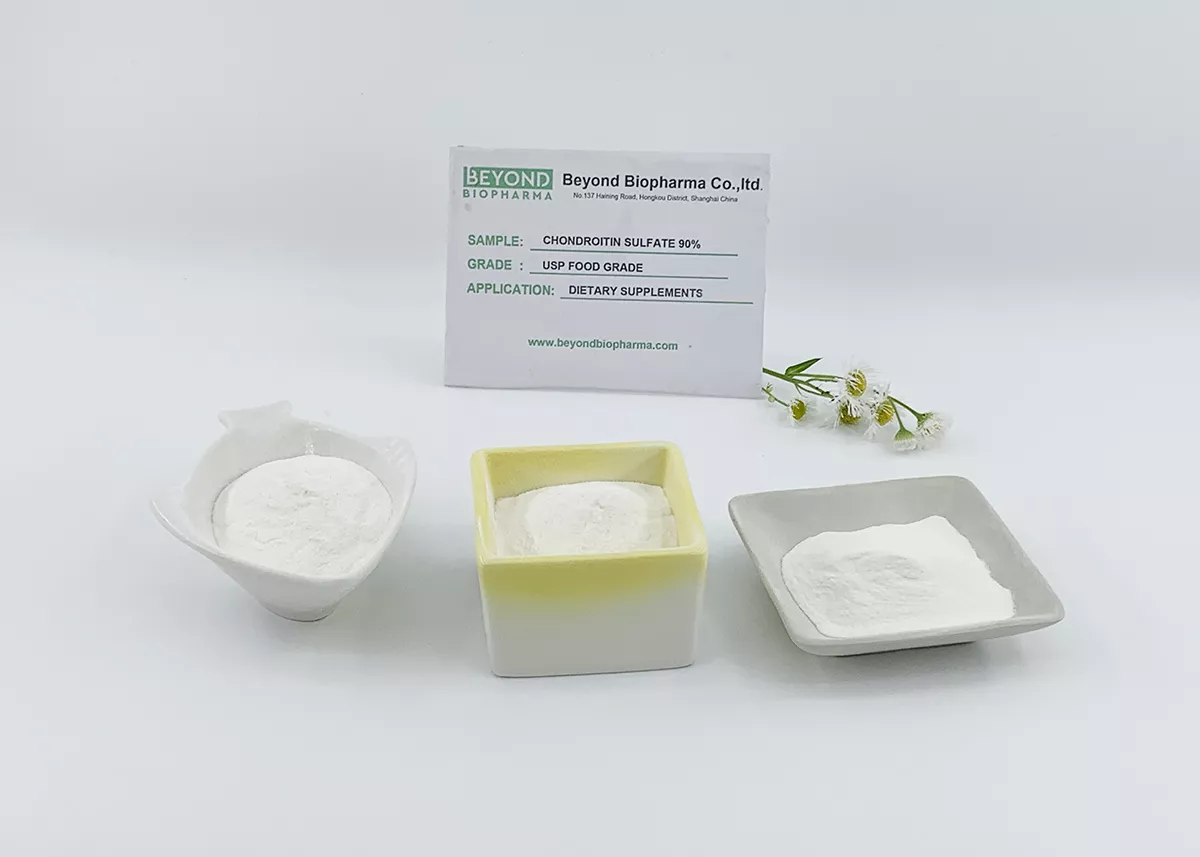
High Purity and Efficacy for Joint Health Formulations
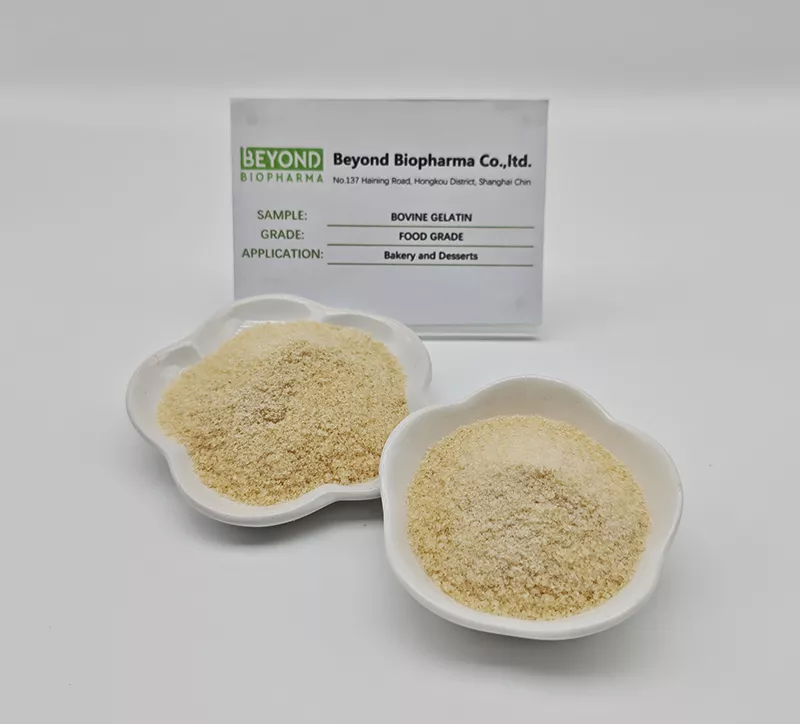
20 years experiences, 5000 ton/year capacity, Sustained supply with stable quality
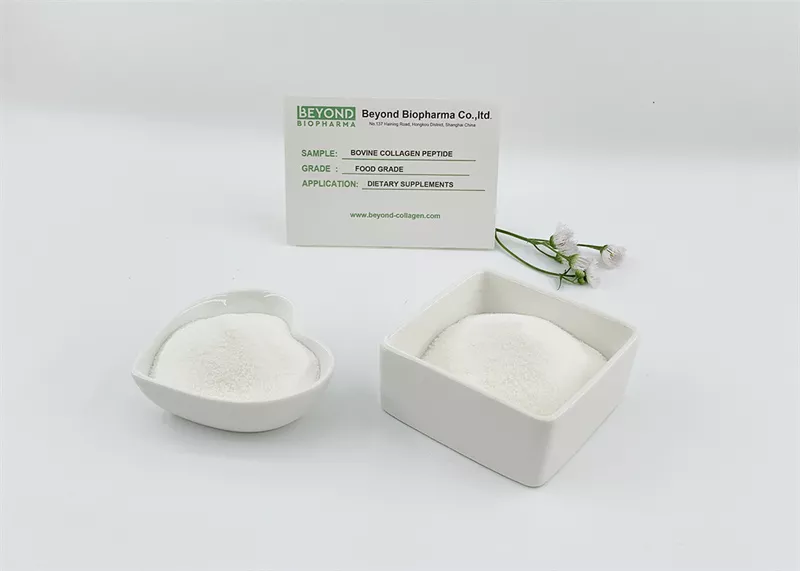
Manufacturer of bovine collagen peptide, shipping in containers all around the world
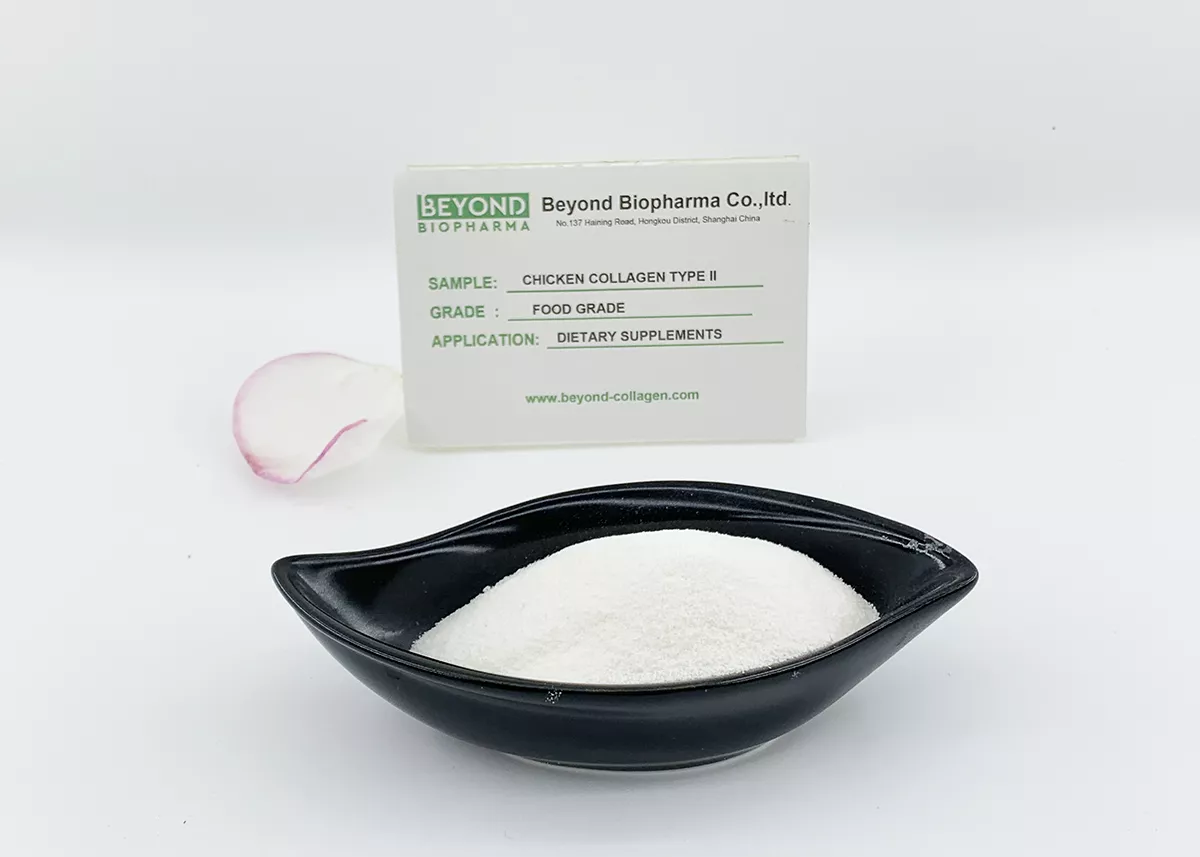
BEYOND BIOPHARMA is a specialized manufacturer of high-quality Undenatured Collagen Type II. Utilizing low-temperature, non-enzymatic extraction methods, our Undenatured Collagen Type II retains its native, triple-helix structure, essential for modulating the immune system's response to joint health and providing superior support for mobility, flexibility, and overall joint comfort.
Tel:+86 21 65010906
Cell/Whatsapp/Wechat:
+86 13482884055
+86 18657345785
Email: sales@beyondbiopharma.com