English EN


How Fish Collagen Powder Supports Skin and Joint Health
Fish collagen powder boosts skin hydration, elasticity, and joint health with fast-absorbing peptides for visible results and pain relief.
More
Beyond Biopharma
Jun-03-2026
The biological synergy between peptides and collagen is fundamental to maintaining youthful skin structure and function. Peptides function as signaling molecules that communicate with skin cells to initiate repair processes and stimulate natural collagen synthesis, while collagen provides the essential structural scaffolding that gives skin its firmness, elasticity, and density. By targeting different layers of the skin, peptides work on repairing damaged cells and promoting regeneration, whereas collagen reinforces the dermal matrix to restore lost volume and density. Together, they combat skin aging mechanisms by slowing down enzymatic degradation of extracellular matrix components, reducing oxidative stress, and supporting the skin's natural turnover cycle. When formulated correctly in topical applications, peptide-collagen complexes can penetrate effectively into the deeper layers of the skin, ensuring that the signaling and structural benefits are delivered where they are most needed. This dual-action approach not only helps in reducing visible signs of aging such as fine lines and wrinkles but also improves overall skin texture, hydration, and resilience. Understanding how these two components interact at a molecular level allows for more targeted anti-aging strategies that leverage both immediate and long-term skin health benefits.
Peptides function as signaling molecules that communicate with skin cells to stimulate collagen production, while collagen itself forms the extracellular matrix that provides tensile strength and elasticity. This complementary relationship creates a regenerative cycle essential for maintaining youthful skin.
Short-chain peptides, particularly those containing glycine, proline, and hydroxyproline sequences, bind to receptors on fibroblasts. This binding triggers intracellular pathways that upregulate genes responsible for procollagen synthesis. Studies show that specific fish collagen peptides can increase fibroblast activity by up to 65% within 72 hours of application.
Type I and III collagen fibers form a dense network in the dermis, providing mechanical resistance against stretching and compression. The triple-helix structure of collagen molecules self-assembles into fibrils that create a scaffold for cell attachment and migration. For optimal structural integrity, undenatured type II collagen maintains its native conformation for enhanced bioactivity.
As peptides stimulate new collagen deposition, the increased collagen density further activates integrin-mediated signaling in fibroblasts, creating a positive feedback loop. This process enhances dermal thickness and reduces wrinkle formation. Marine-derived fish gelatin provides both peptide fragments and collagen precursors for dual-action benefits.
A 12-week clinical trial demonstrated that participants using a combination of peptide serum and oral collagen supplements showed a 35% improvement in skin elasticity and 28% reduction in wrinkle depth compared to either treatment alone. The standardized gelatin sheets used in the study provided consistent peptide profiles for reproducible results.
For maximum synergy, apply peptide-containing formulations topically in the morning to stimulate daytime collagen production, while consuming hydrolyzed collagen peptides orally in the evening to support overnight repair. Products like edible bovine gelatin offer a food-grade option for dietary collagen supplementation. Consistent use over 8-12 weeks yields visible improvements in skin firmness and hydration.
Peptides are short chains of amino acids that act as signaling molecules in the skin. When applied topically or taken orally, they mimic the natural fragments of collagen that occur during the skin's remodeling process. This signal triggers fibroblasts—the cells responsible for collagen production—to ramp up their activity, leading to increased synthesis of new collagen fibers.
The process is highly targeted. Specific peptide sequences, such as palmitoyl tripeptide-1 or copper peptides, are designed to penetrate the stratum corneum and interact with cellular receptors. Once activated, fibroblasts produce more procollagen, which is then assembled into mature collagen type I and III. This natural stimulation helps restore skin density, reduce fine lines, and improve elasticity without the need for invasive procedures.
Additionally, peptides also inhibit enzymes like matrix metalloproteinases (MMPs) that break down collagen. By both boosting production and slowing degradation, peptides create a favorable environment for the skin's extracellular matrix to regenerate. Over time, consistent use of peptides can lead to visibly firmer, smoother, and more youthful-looking skin.
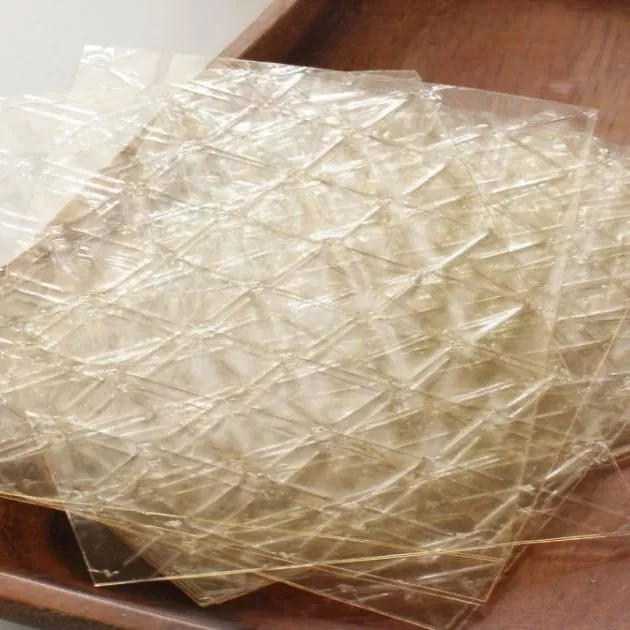
Peptides act as key messengers that naturally stimulate collagen synthesis, supporting skin structure and anti-aging benefits.
Peptides and collagen function synergistically across distinct dermal strata. Peptides act as signaling fragments that penetrate the epidermis to stimulate fibroblast activity and repair damaged cellular structures, while collagen molecules provide the essential scaffolding that restores dermal density and firmness.
The following table summarizes the primary functional differences and complementary roles of these two key skincare components.
| Feature | Peptides | Collagen |
|---|---|---|
| Primary Action | Cellular repair & signaling | Structural density & support |
| Target Layer | Epidermis & upper dermis | Deep dermis & extracellular matrix |
| Molecular Size | Small (short amino acid chains) | Large (triple helix structure) |
| Key Benefit | Stimulates collagen production | Replenishes lost volume & firmness |
When applied topically or supplemented orally, peptides prompt skin cells to generate new collagen, while direct collagen supplementation helps maintain the matrix density that diminishes with age. This dual-layer approach ensures both immediate repair signals and long-term structural integrity.
For optimal anti-aging results, formulations often combine both ingredients to target different depths of the skin. Peptides work quickly on the surface to communicate repair needs, while collagen rebuilds the deeper foundation, leading to improved elasticity, reduced wrinkles, and a more youthful complexion over time.
Learn more about high-quality collagen and peptide sources: Fish Collagen Peptide for Skin Health | Undenatured Collagen Type II
As skin ages, the natural production of collagen and elastin declines, leading to wrinkles, sagging, and loss of firmness. Peptides and collagen work synergistically to counteract these changes at a cellular level.
Collagen provides the structural scaffolding that maintains skin density and elasticity. When applied topically or taken as a supplement, hydrolyzed collagen delivers amino acids that signal fibroblasts to produce new collagen fibers, reinforcing the dermal matrix.
Peptides, particularly signal peptides like palmitoyl pentapeptide and matrixyl, act as messengers that stimulate collagen synthesis and inhibit enzymes such as matrix metalloproteinases (MMPs) that break down existing collagen. This dual action—boosting production while blocking degradation—helps preserve skin structure.
Together, they also support the repair of the extracellular matrix, reduce oxidative stress, and enhance moisture retention. This combination slows the visible signs of aging, improving skin texture, firmness, and radiance over time.
Formulation science determines whether active ingredients reach the deeper layers of the skin where they are needed most.
The efficacy of peptide-collagen complexes depends heavily on their delivery vehicle. Liposomal encapsulation and nanoemulsions are proven to protect these fragile molecules from degradation while facilitating deeper penetration into the stratum corneum. Formulators often combine these with penetration enhancers such as glycols or certain fatty acids to temporarily increase membrane fluidity, allowing the complexes to reach the dermal-epidermal junction where collagen synthesis occurs.
Learn more about collagen peptide sourcingPeptides and collagen are sensitive to pH and temperature. An optimal formulation maintains a pH range of 5.0 to 6.5 to preserve the bioactivity of the peptides. Antioxidants like vitamin E or ferulic acid are frequently added to prevent oxidation, while chelating agents protect against metal-ion catalyzed degradation. Stability testing under varying thermal conditions ensures the product remains effective throughout its shelf life.
Explore undenatured collagen optionsThe molecular weight of both peptides and collagen fragments plays a critical role in topical delivery. Low molecular weight peptides (under 500 Da) and hydrolyzed collagen with average chain lengths of 2-20 amino acids are ideal for transdermal absorption. Micronized particles and specialized dispersion techniques further enhance bioavailability by increasing the surface area available for skin interaction.
View clean-label gelatin sourcesCombining peptide-collagen complexes with complementary actives such as hyaluronic acid, niacinamide, or ceramides can amplify anti-aging benefits. Hyaluronic acid provides a hydrated matrix that aids peptide diffusion, while niacinamide supports barrier repair. The formulation should be designed to layer these ingredients without causing precipitation or antagonistic interactions.
Check vegan glucosamine for synergySerums, gels, and lightweight emulsions are preferred vehicles for peptide-collagen complexes because they offer rapid absorption and minimal residue. Airless pump packaging is recommended to protect the formulation from oxygen and light. Consumer adherence improves when the product feels cosmetically elegant — non-greasy, quick-drying, and compatible with makeup or sunscreen.
Learn about gelatin in topical basesFormulation optimization is the bridge between raw ingredient potential and visible skin benefits. For more technical data on peptide and collagen raw materials, explore our product portfolio.


We provide you with comprehensive foreign trade solutions to help enterprises achieve global development
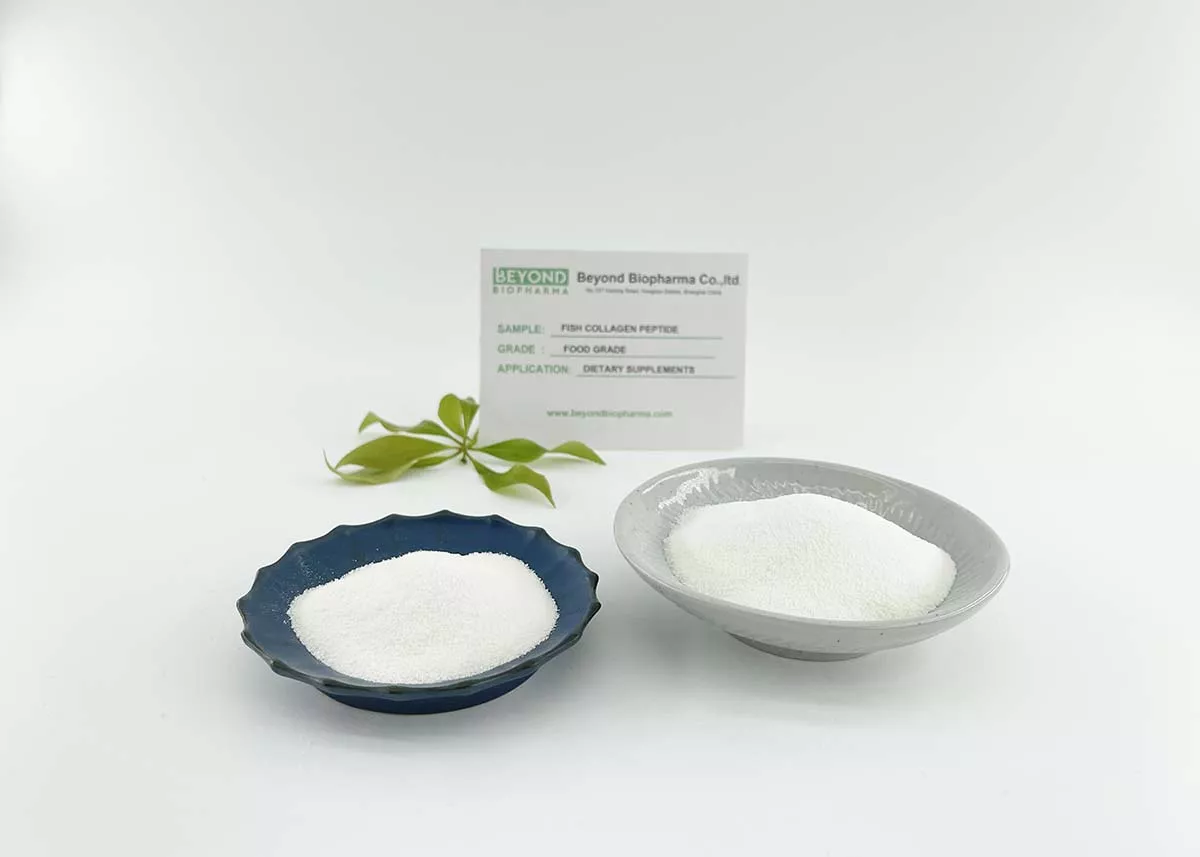
Premium marine-sourced collagen peptides with >90% protein content and low molecular weight (1000-3000 Da) for superior bioavailability. Sustainably sourced, neutral taste, and fully soluble—ideal for nutricosmetics and functional foods.
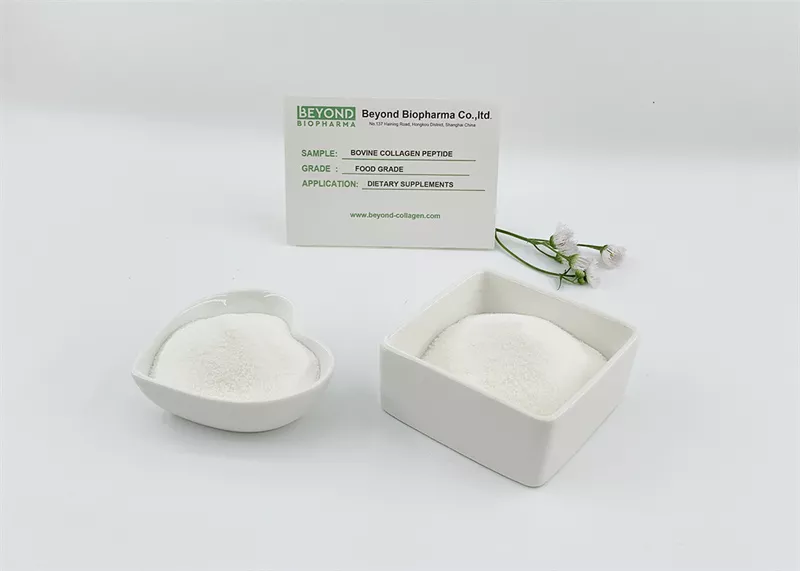
Manufacturer of bovine collagen peptide, shipping in containers all around the world
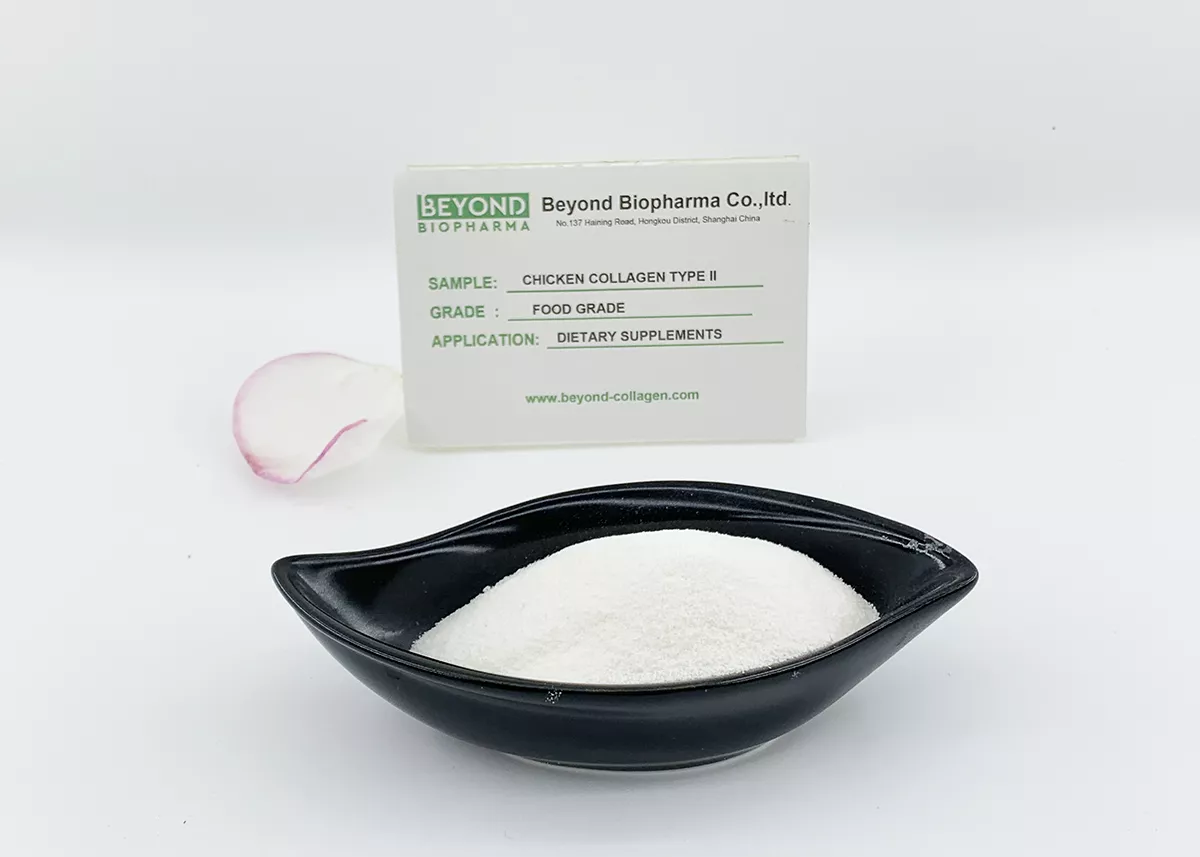
BEYOND BIOPHARMA is a specialized manufacturer of high-quality Undenatured Collagen Type II. Utilizing low-temperature, non-enzymatic extraction methods, our Undenatured Collagen Type II retains its native, triple-helix structure, essential for modulating the immune system's response to joint health and providing superior support for mobility, flexibility, and overall joint comfort.
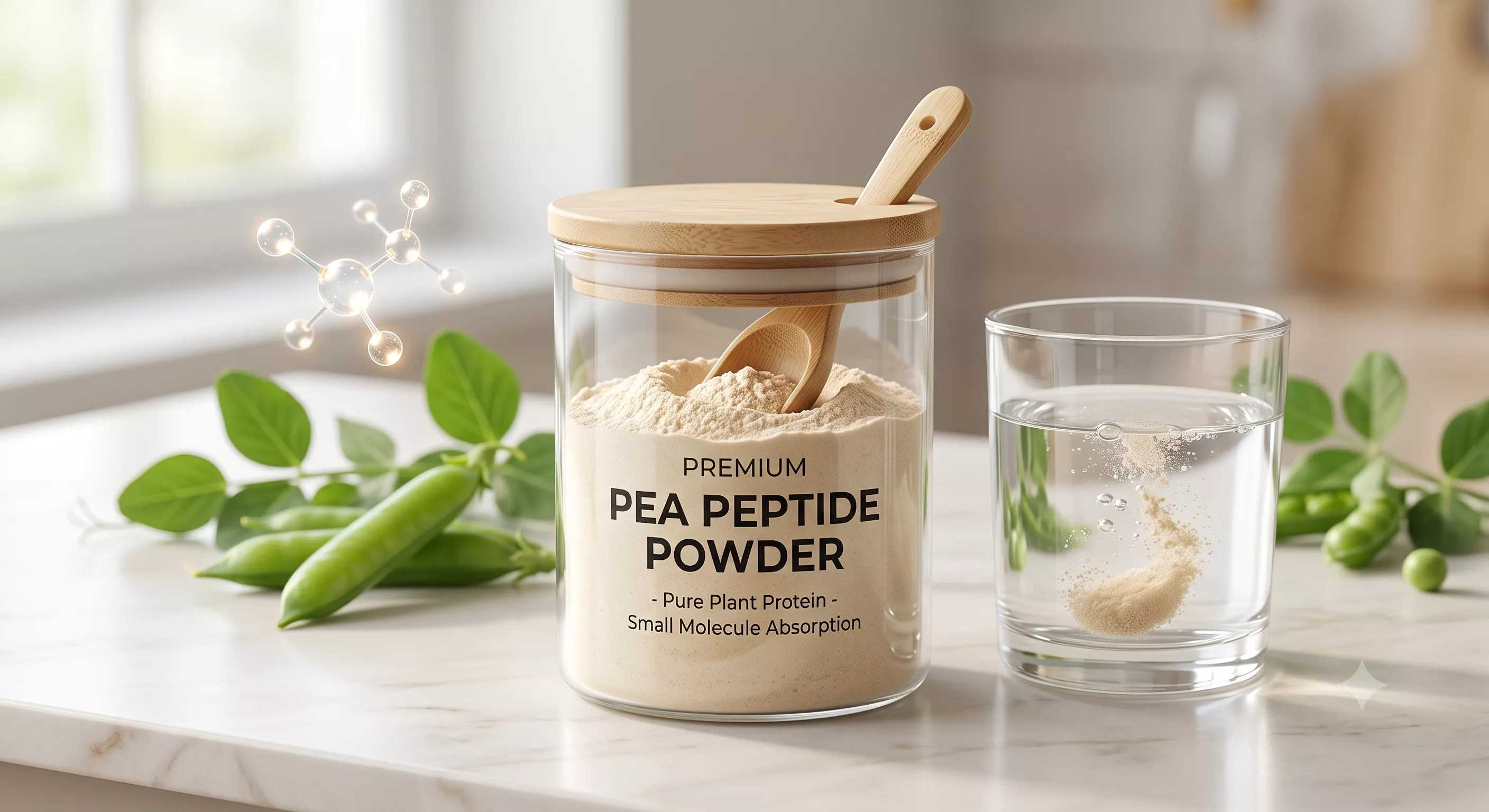
Source high-purity, hypoallergenic hydrolyzed pea peptide powder in bulk. Complete water solubility, rich in BCAAs, ideal for vegan recovery formulas.
Tel:+86 21 65010906
Cell/Whatsapp/Wechat:
+86 13482884055
+86 18657345785
Email: sales@beyondbiopharma.com