English EN


How Bovine and Marine Collagen Peptides Differ in Benefits and Uses
Bovine collagen peptide supports joints and muscles, while marine collagen boosts skin and hair. Compare benefits, uses, and absorption for your needs.
More

Marine peptide collagen has become one of the most talked-about ingredients in skin health, and for good reason. Small peptides derived from fish skin and scales are absorbed more efficiently than intact collagen molecules, which means the body can put them to work faster. This article walks through what marine peptide collagen actually is, how it differs from other collagen sources, what the research says about skin hydration and elasticity, and how to choose a quality ingredient if you are formulating a supplement or functional food. No hype, just the practical details that matter.
Collagen is the most abundant structural protein in human skin, making up roughly 70 to 80 percent of its dry weight. As we age, natural production declines by about 1 percent per year after the mid-twenties, and the visible result is thinner, drier, less elastic skin. Oral collagen supplementation has grown into a multi-billion-dollar category largely because it addresses this gap in a convenient way. Among the various sources, marine collagen stands out for its low molecular weight and high bioavailability.
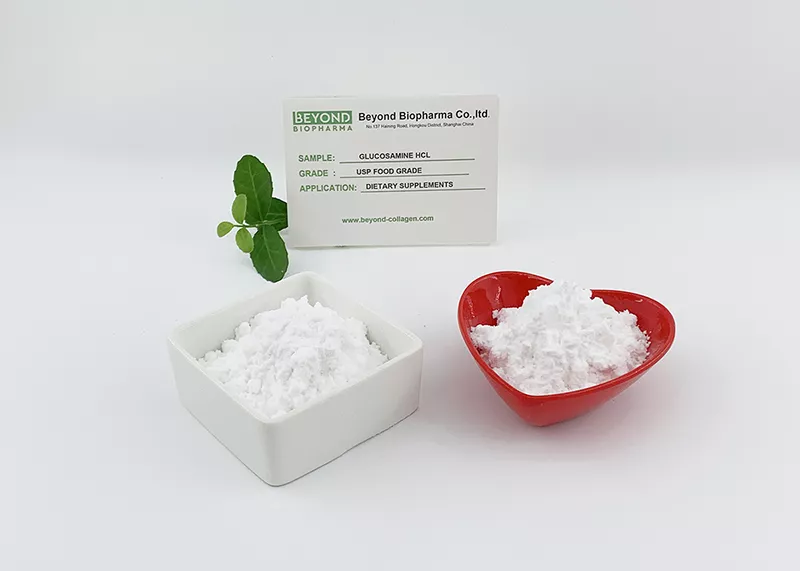
Marine collagen is typically extracted from fish skin, scales, or bones. The raw material matters: cold-water fish such as cod and salmon yield collagen with a lower denaturation temperature, and the hydrolysis process breaks the protein into short peptide chains, usually in the 1,000 to 3,000 Dalton range. This small size is the key advantage. Studies on peptide absorption suggest that di- and tripeptides can pass through the intestinal barrier intact, entering the bloodstream within one to two hours of ingestion. Larger collagen molecules from bovine or porcine sources often require more extensive breakdown before absorption.
Type I collagen dominates marine sources, and Type I is precisely the type most abundant in skin, tendons, and bones. That alignment is one reason marine peptide collagen is so often positioned for beauty-from-within products. If you are comparing ingredient options for a skin-focused formula, it also helps to look at complementary actives such as fish collagen peptide for skin health supplements, which shares the same marine origin and peptide profile.
Human trials on oral collagen peptides, including marine-derived ones, have reported measurable improvements in skin hydration, elasticity, and roughness. A commonly cited randomized, placebo-controlled study published in the journal Skin Pharmacology and Physiology found that women taking 2.5 to 5 grams of collagen peptides daily for eight weeks showed significantly better skin elasticity and moisture compared with the placebo group. Other trials using marine collagen at doses around 1 to 3 grams per day have reported reduced wrinkle depth and improved skin density after eight to twelve weeks of consistent use.
It is worth being realistic about the mechanism. Collagen peptides are not a direct patch for the skin. They act more like signaling molecules: once absorbed, they can stimulate fibroblasts to produce new collagen and hyaluronic acid, and they supply amino acids such as glycine, proline, and hydroxyproline that the body reuses in connective tissue repair. Results build gradually, which is why most studies run for at least eight weeks. Pairing collagen with vitamin C is a sensible formulation choice, since vitamin C is a cofactor in collagen synthesis.
Not all marine collagen powders are equal. Three factors separate a solid ingredient from an average one. First, molecular weight distribution: a tighter peptide range generally means more consistent absorption. Second, purity and odor control: fish collagen can carry a noticeable smell if processing is careless, and reputable suppliers use controlled enzymatic hydrolysis and filtration to keep the powder neutral in taste. Third, documentation: heavy metal testing, microbial limits, and a certificate of analysis for each batch are baseline expectations for any serious buyer.
Solubility also matters for product development. Good marine peptide collagen dissolves clear in cold water, which makes it suitable for sachets, ready-to-drink beverages, and gummies. If your formula leans toward joint or beauty blends, it can be useful to combine marine collagen with other well-characterized peptides; for example, hydrolyzed collagen type II powder is often used alongside Type I for broader connective tissue support.
For a skin-focused supplement, typical daily doses range from 2.5 to 5 grams of collagen peptides. Marine collagen is mild in taste and mixes easily, so it works in capsules, stick packs, and flavored drinks alike. Many formulators add hyaluronic acid for hydration, vitamin C for synthesis support, and antioxidants to protect against oxidative stress. If you are building a broader beauty or joint formula, ingredients like food-grade hyaluronic acid powder are a natural companion, since HA and collagen work on different layers of skin hydration and structure.
Consistency matters more than dose beyond a certain point. Users who take collagen daily for two to three months tend to report the most noticeable changes, and it is reasonable to set expectations around that timeline. For brands sourcing ingredients, working with a supplier that offers consistent peptide specifications batch to batch is more valuable than chasing the highest declared protein content on a spec sheet.
Marine peptide collagen earns its popularity through a combination of small peptide size, Type I dominance, and clean sensory properties. The evidence for skin hydration and elasticity is meaningful, though gradual, and the ingredient fits neatly into modern supplement formats. When evaluating suppliers, focus on molecular weight data, purity testing, and batch consistency rather than marketing claims. If your product line extends beyond beauty, plant-based peptides such as rice protein peptide can round out a portfolio for vegan or allergen-conscious consumers. Choose a well-documented marine collagen, formulate it with complementary actives, and give it time to show results.


We provide you with comprehensive foreign trade solutions to help enterprises achieve global development
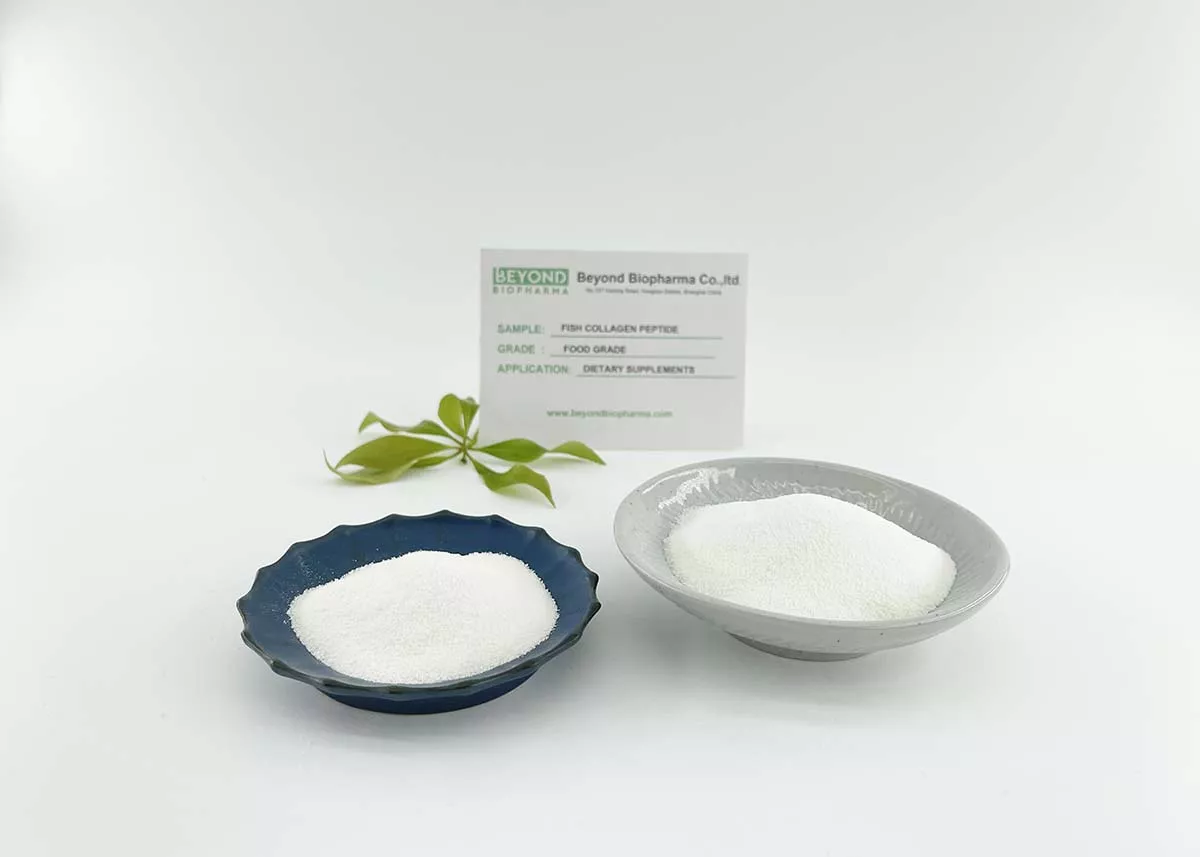
Premium marine-sourced collagen peptides with >90% protein content and low molecular weight (1000-3000 Da) for superior bioavailability. Sustainably sourced, neutral taste, and fully soluble—ideal for nutricosmetics and functional foods.
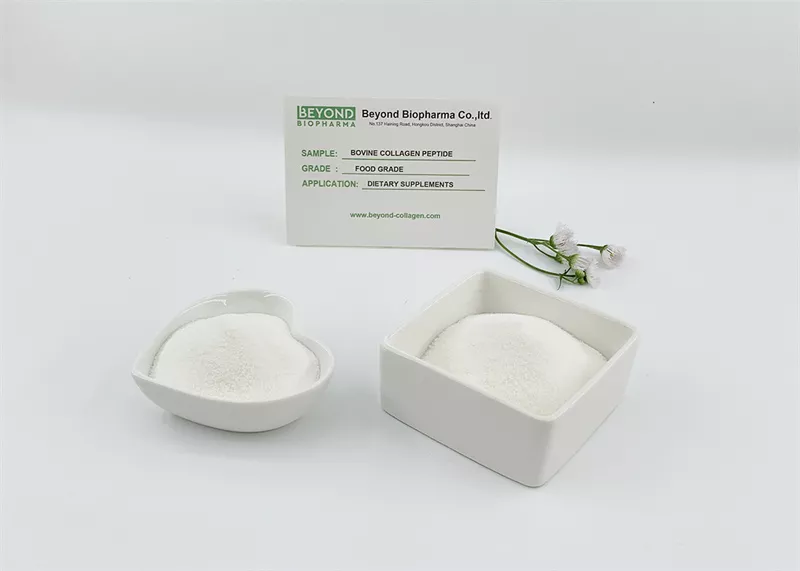
Manufacturer of bovine collagen peptide, shipping in containers all around the world
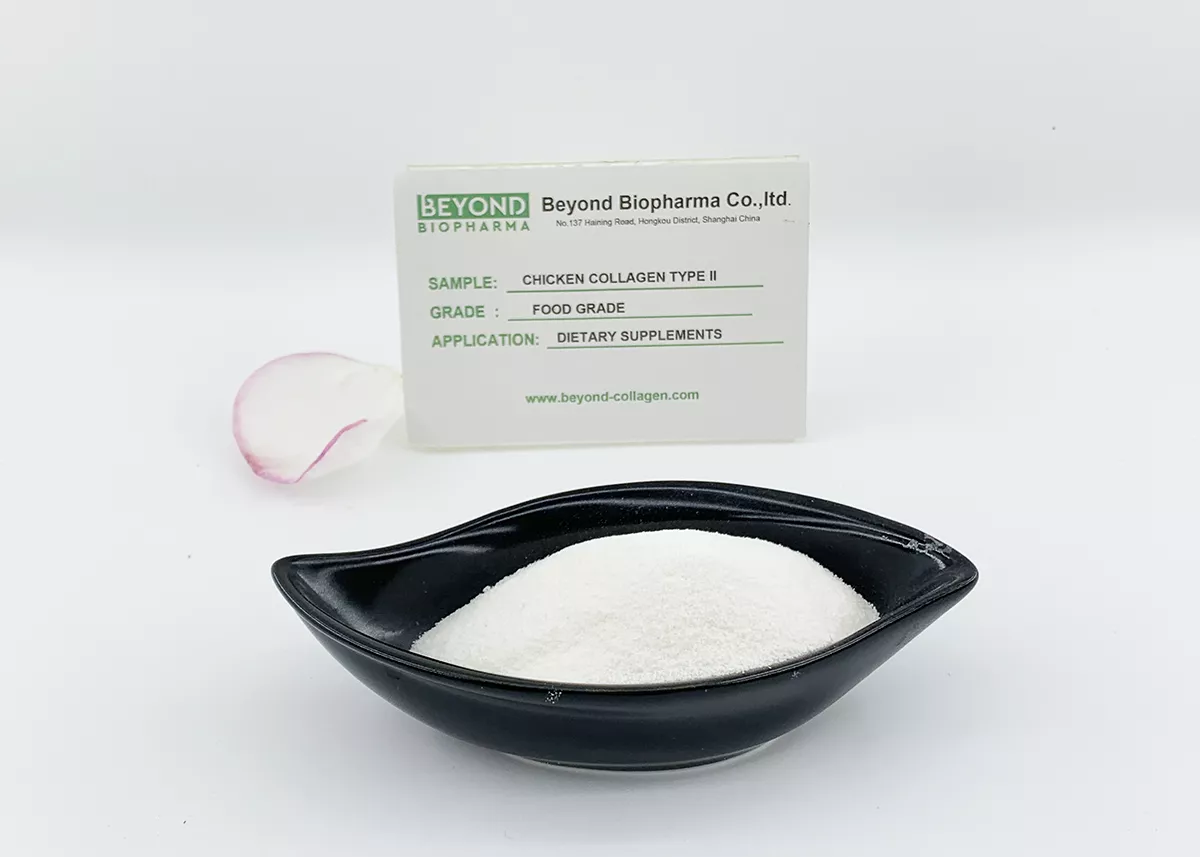
BEYOND BIOPHARMA is a specialized manufacturer of high-quality Undenatured Collagen Type II. Utilizing low-temperature, non-enzymatic extraction methods, our Undenatured Collagen Type II retains its native, triple-helix structure, essential for modulating the immune system's response to joint health and providing superior support for mobility, flexibility, and overall joint comfort.
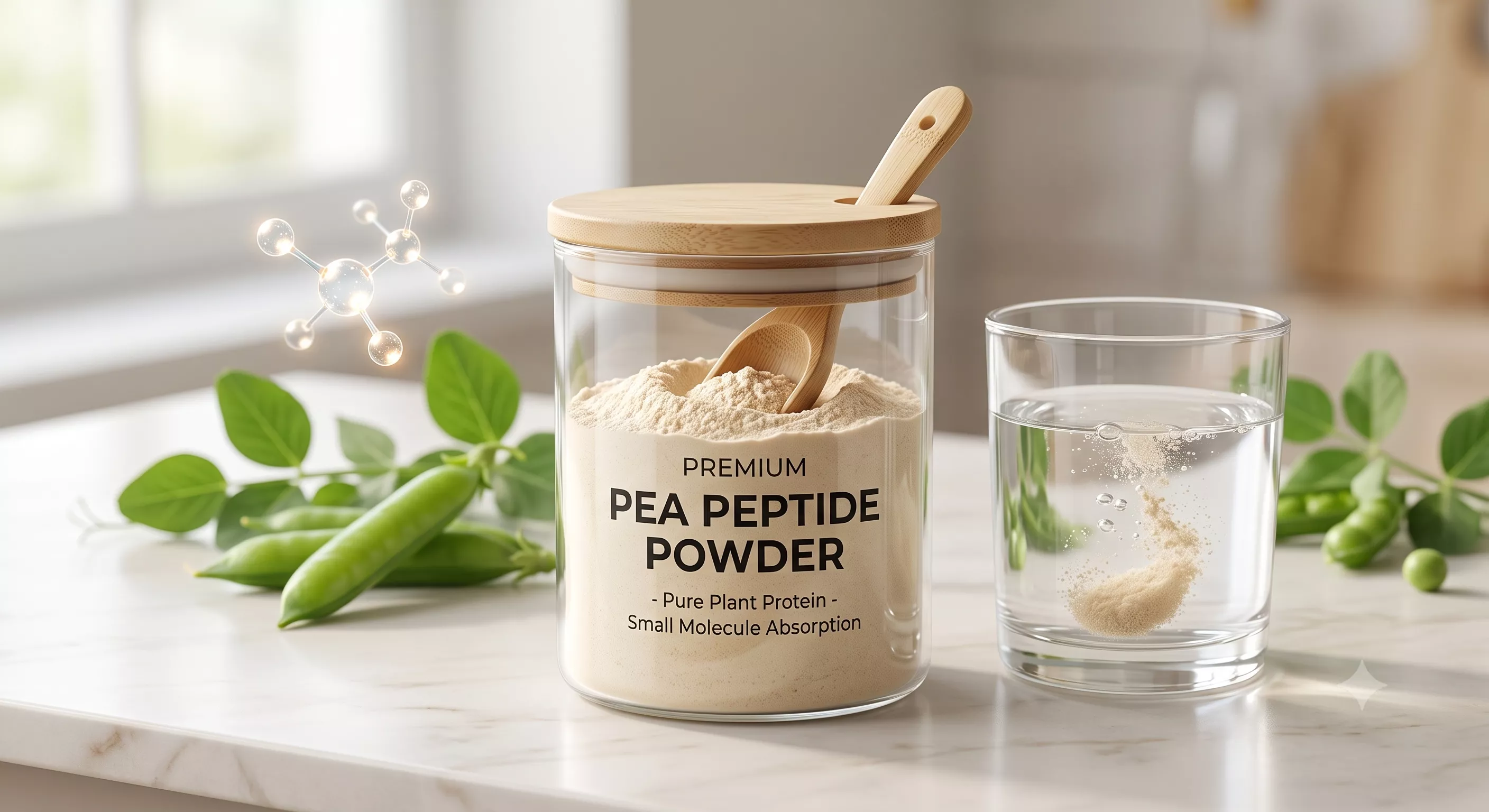
Source high-purity, hypoallergenic hydrolyzed pea peptide powder in bulk. Complete water solubility, rich in BCAAs, ideal for vegan recovery formulas.
Tel:+86 21 65010906
Cell/Whatsapp/Wechat:
+86 13482884055
+86 18657345785
Email: sales@beyondbiopharma.com