English EN


Glucosamine Hydrochloride or Glucosamine Sulfate Which Helps Arthritis More
Glucosamine sulfate is generally more effective for arthritis, but glucosamine hydrochloride is ideal for vegans or those with shellfish allergies.
More
Glucosamine is one of the most widely used dietary ingredients for people looking to support joint comfort and mobility. But walk into any supplement aisle or search online, and you will quickly run into a confusing choice: glucosamine hydrochloride (HCl) or glucosamine sulfate? Both are popular, both have research behind them, and both are sold in a range of forms and potencies. This guide breaks down the real differences between the two, what the science actually says, how to read a label, and what to consider before buying. No hype, just practical information to help you make a sensible decision.
Glucosamine is a naturally occurring compound found in the body, where it plays a role in building cartilage and the fluid that surrounds joints. As we age, natural production tends to decline, which is one reason interest in glucosamine supplements has grown. The two main commercial forms are glucosamine hydrochloride and glucosamine sulfate. They share the same core molecule but differ in the salt attached to it, and that difference affects potency, stability, and how the ingredient is formulated.
The practical difference comes down to the percentage of active glucosamine in each form. Glucosamine hydrochloride typically contains around 83% glucosamine by weight, while glucosamine sulfate (as the stabilized potassium or sodium salt) contains roughly 65% glucosamine. In other words, gram for gram, HCl delivers more of the actual glucosamine molecule. That is why some manufacturers prefer HCl when they want a compact dose or a smaller capsule.
Sulfate, on the other hand, has a longer history in clinical research. Many of the large, well-known trials on joint comfort used glucosamine sulfate specifically, often at a dose of 1,500 mg per day. This does not mean HCl is ineffective, but it does mean the evidence base is not perfectly interchangeable. If you are the type of person who wants to follow the research as closely as possible, sulfate has the deeper clinical track record. If you are comparing cost per gram of glucosamine or prefer a more concentrated ingredient, HCl is often the more efficient choice.
Studies on glucosamine sulfate have generally shown modest but measurable benefits for joint comfort and function in people with mild to moderate joint concerns, particularly in knee joints. Results vary from person to person, and not every trial has been positive. Some well-designed studies found little difference from placebo, which is a fair reminder that glucosamine is not a magic bullet. It tends to work best as part of a broader approach that includes movement, weight management, and a balanced diet.
Research on glucosamine hydrochloride is smaller in volume but still relevant. Several trials have compared HCl directly with sulfate, and the results have been mixed, with some showing comparable outcomes at equivalent glucosamine doses. The honest takeaway is that both forms can be reasonable options, and the best choice often depends on your specific needs, your budget, and how your body responds. Anyone with a medical condition or taking medication should talk to a healthcare professional before starting a new supplement.
Labels can be surprisingly tricky. A bottle might say "glucosamine sulfate 1,500 mg," but that figure may refer to the total salt weight rather than the amount of elemental glucosamine. To compare products fairly, look for the elemental glucosamine content, or do a quick calculation: multiply the sulfate dose by about 0.65 and the HCl dose by about 0.83. This gives you a clearer picture of what you are actually getting.
Also check for added ingredients. Many joint formulas combine glucosamine with chondroitin, MSM, or herbal extracts. These combinations are not necessarily better or worse, but they change the product and may affect cost. If you want to isolate the effect of glucosamine, a single-ingredient product is easier to evaluate. For formulators and buyers sourcing raw material, ingredient quality matters just as much as the label claim, and working with a reliable supplier of premium vegan glucosamine hydrochloride can help ensure consistent potency and purity.
Glucosamine is sold as capsules, tablets, powders, and liquids. Capsules and tablets are convenient, but they can be large, especially at higher doses. Powder forms are easy to mix into water or a smoothie and are often a good choice for people who dislike swallowing pills. Liquid forms exist but tend to have shorter shelf lives and may include preservatives.
A commonly studied dose is 1,500 mg of glucosamine sulfate per day, often split into smaller servings. For HCl, doses are usually adjusted to deliver a similar amount of elemental glucosamine. Starting at a lower dose and increasing gradually can help you gauge tolerance. Glucosamine is generally well tolerated, though some people report mild digestive discomfort. If you have a shellfish allergy, check the source carefully, as many glucosamine products are derived from shellfish shells. Vegan and non-shellfish options are available but less common.
There is no single right answer. If you want to follow the bulk of the clinical evidence, glucosamine sulfate is the more studied option. If you are looking for a more concentrated ingredient, a smaller serving size, or a lower cost per gram of glucosamine, hydrochloride is a practical choice. Some people try one form for a few months and switch if they do not notice a difference. That is a reasonable approach, as long as you give it enough time and keep expectations realistic.
For manufacturers and formulators, the decision often comes down to formulation goals. HCl is highly water-soluble and easy to work with in capsules and powders, while sulfate is often chosen for tablets and products that mirror the clinical literature. Sourcing from a supplier with documented quality controls, clear specifications, and consistent particle size can make a real difference in the final product. It is also worth exploring complementary joint-support ingredients, such as undenatured collagen type II, which is sometimes paired with glucosamine in joint-focused formulas.
Glucosamine hydrochloride and glucosamine sulfate are both legitimate options for joint support, and the differences between them are smaller than the marketing around them sometimes suggests. Focus on elemental glucosamine content, choose a reputable source, and give the supplement a fair trial. If you are managing a joint condition, keep your healthcare provider in the loop. A sensible, informed approach beats chasing the latest trend every time.


We provide you with comprehensive foreign trade solutions to help enterprises achieve global development
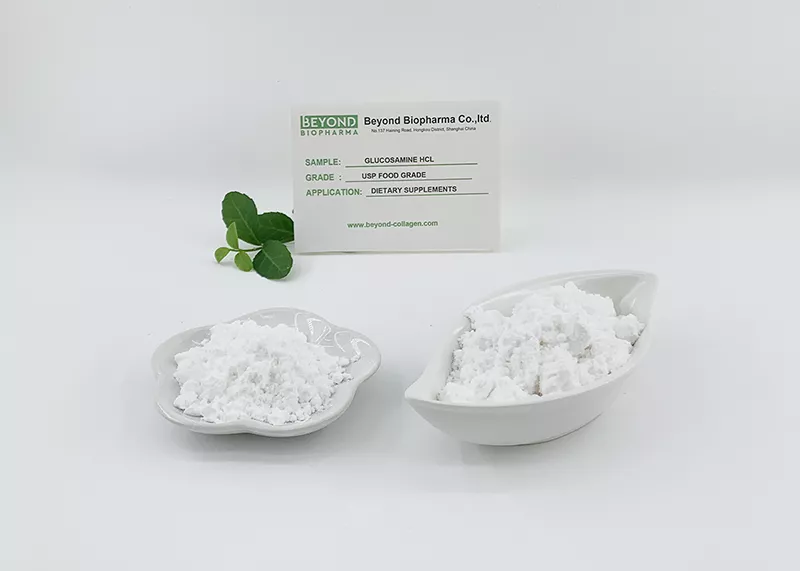
The Purest Plant-Based Joint Support Solution
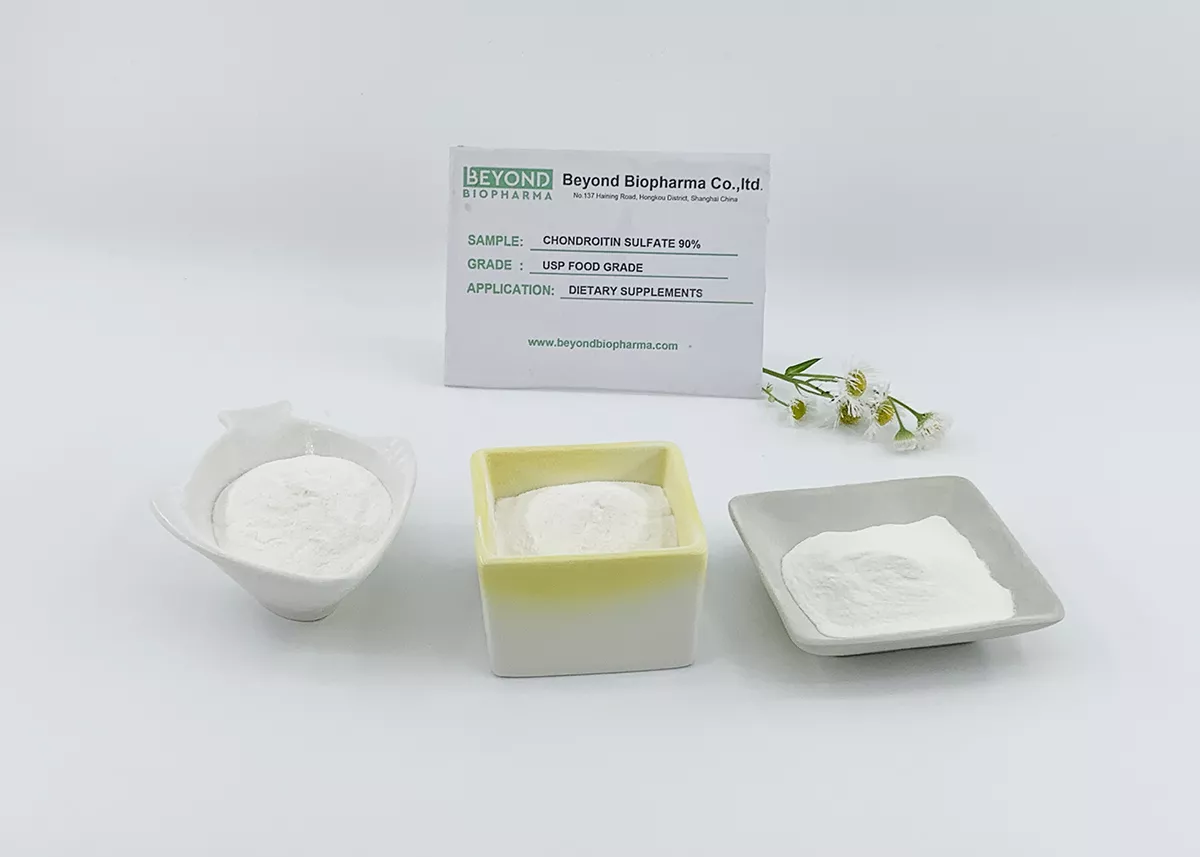
High Purity and Efficacy for Joint Health Formulations
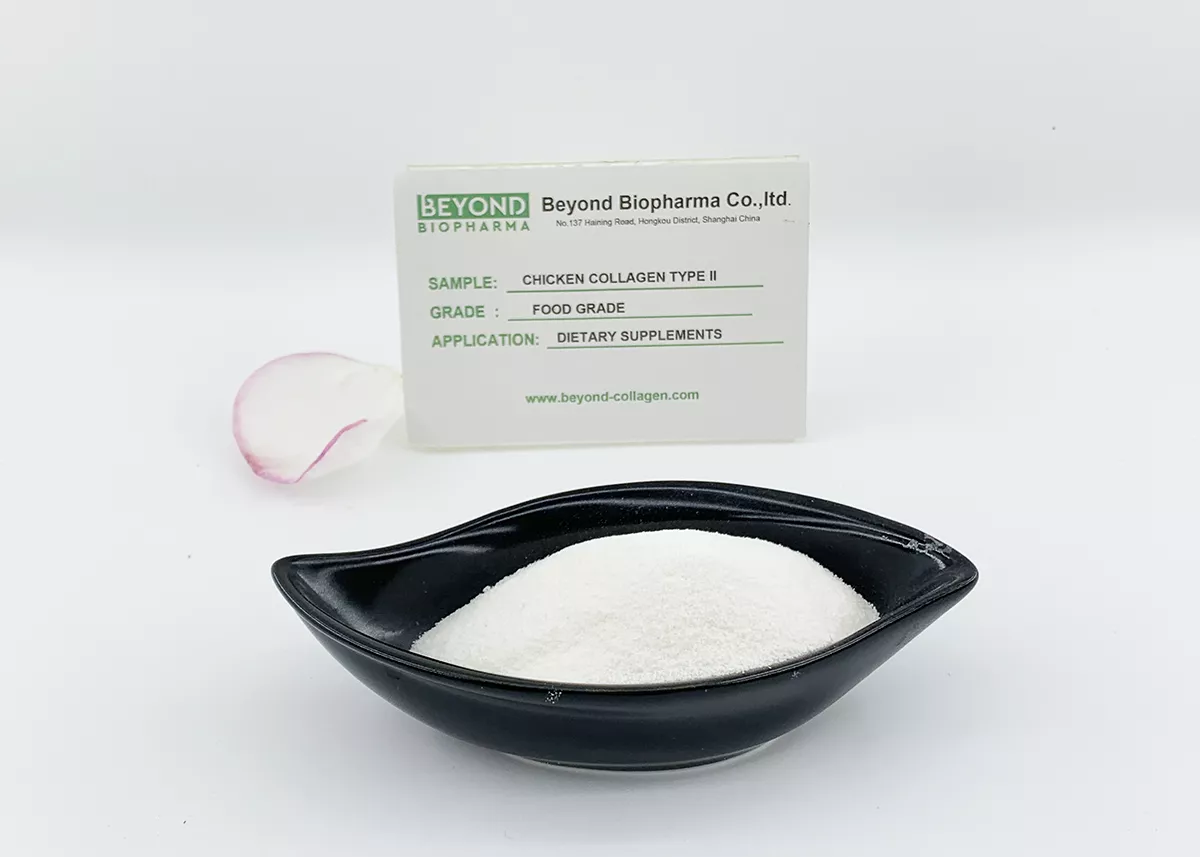
BEYOND BIOPHARMA is a specialized manufacturer of high-quality Undenatured Collagen Type II. Utilizing low-temperature, non-enzymatic extraction methods, our Undenatured Collagen Type II retains its native, triple-helix structure, essential for modulating the immune system's response to joint health and providing superior support for mobility, flexibility, and overall joint comfort.
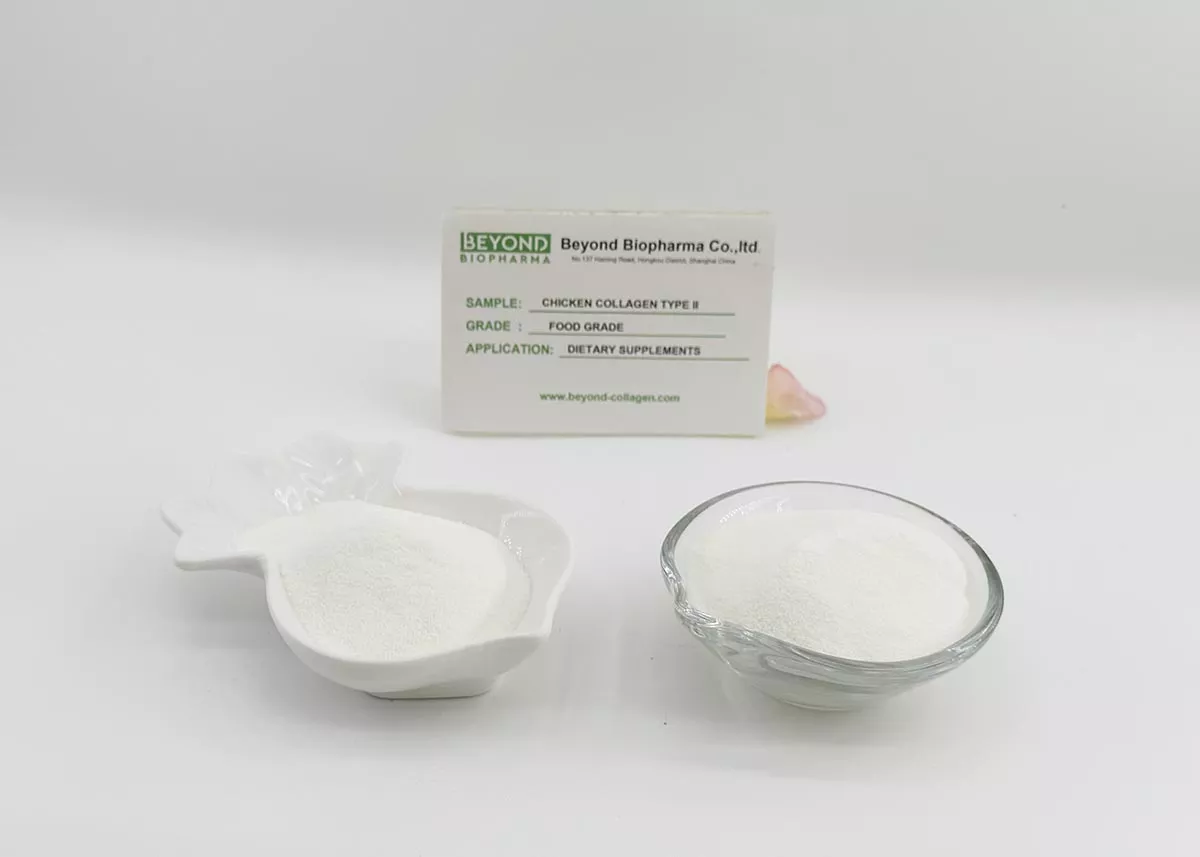
BEYOND BIOPHARMA is a specialized manufacturer of highly purified Hydrolyzed Collagen Type II. Through advanced enzymatic hydrolysis, we create low-molecular-weight collagen peptides that are highly bioavailable, offering foundational nutritional support for cartilage repair, joint function, and skin health. Our product is designed for rapid absorption and maximum efficacy in oral supplements.
Tel:+86 21 65010906
Cell/Whatsapp/Wechat:
+86 13482884055
+86 18657345785
Email: sales@beyondbiopharma.com