 English EN


Bovine gelatin pros and cons everyone should know
Bovine gelatin offers strong gelling and health benefits but has dietary, ethical, and allergen concerns. Compare bovine gelatin to other gelatin options here.
More
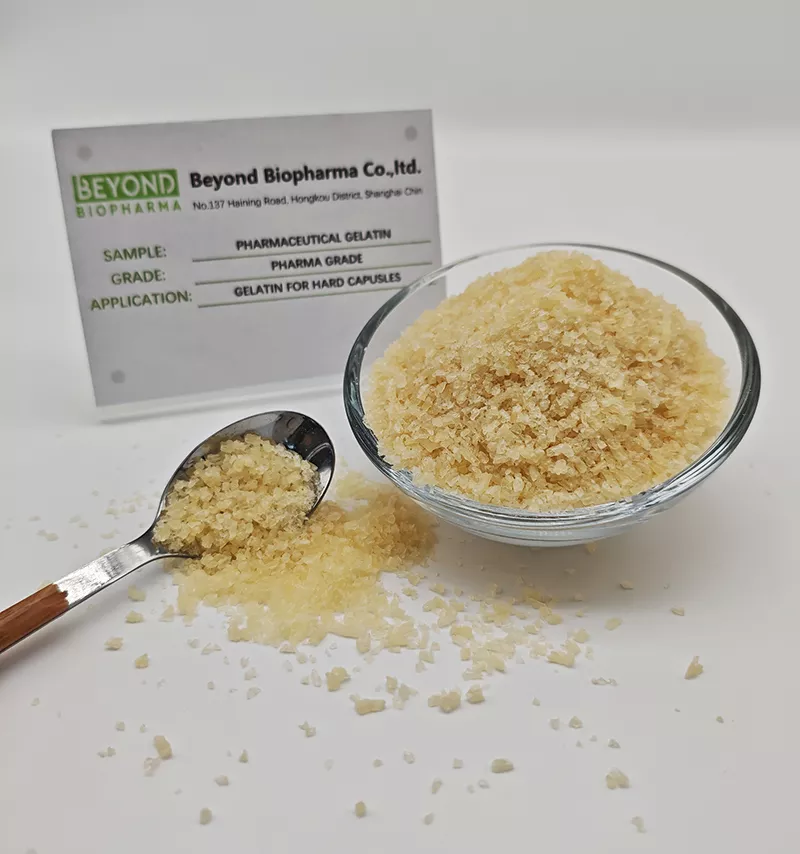
For overseas food-ingredient purchasing managers and product developers, sourcing a reliable non-gelling gelatin often comes down to three pain points: batch-to-batch consistency, solubility in cold or ambient liquids, and the absence of off-odors or fishy notes. Standard gelatin sets into a gel at low concentrations, which limits its use in beverages, sauces, and dairy alternatives. Non-gelling gelatin solves this by offering the same protein functionality—emulsification, stabilization, and film-forming—without the gelation. This makes it a versatile ingredient for applications where a smooth, fluid texture is critical.
Non-gelling gelatin is produced through controlled enzymatic hydrolysis. During this process, the native collagen structure is broken down into smaller peptides, which reduces the molecular weight and prevents the formation of the triple-helix network responsible for gelation. The result is a protein ingredient that remains soluble and stable in solution, even at concentrations where standard gelatin would set. This principle is similar to how hydrolyzed collagen type II works for joint health, but tailored for food texture.
The key metrics here are bloom strength and viscosity. Traditional gelatin has a bloom value between 50 and 300 g, which directly correlates to its gelling ability. Non-gelling gelatin typically has a bloom value below 50 g, often too low to measure by standard methods. Instead, manufacturers focus on viscosity (usually 1.5–3.0 mPa·s) and molecular weight (commonly 2,000–5,000 Da) to ensure consistent performance. The process also removes most of the natural gelatin flavor, making the ingredient nearly neutral in taste.
When evaluating non-gelling gelatin for your formulation, you will typically encounter the following parameter ranges. These are generic industry ranges; final values should always be confirmed per Certificate of Analysis (COA) or sample.
| Parameter | Typical Range (Non-Gelling Gelatin) | Notes |
|---|---|---|
| Bloom (g) | Below 50 (often unmeasurable) | No gel formation at standard use levels |
| Viscosity (mPa·s) | 1.5 – 3.0 | Measured at 6.67% solution, 60°C |
| Molecular Weight (Da) | 2,000 – 5,000 | Lower MW for faster solubility |
| Protein Content (%) | ≥ 90 | Dry basis |
| Moisture (%) | ≤ 14 | Standard for shelf stability |
| Mesh Size | 8 – 60 | Affects dissolution rate |
Note: These are typical industry ranges. Final values per COA or sample.
Non-gelling gelatin shines in applications where you need protein fortification, emulsification, or a clean mouthfeel without thickening. Here are the primary use cases:
Beyond Biopharma, based in Shanghai, China, has over 10 years of experience in the food-ingredient industry. Our products are exported to more than 50 countries. We operate a fully automatic production line with GMP clean workshops, stainless-steel sealed piping, and automated temperature and pH control. Our annual capacity is approximately 3,000 MT for collagen and 5,000 MT for gelatin.
We hold ISO 9001 certification, are registered with the US FDA, and maintain a GMP clean workshop. Select products carry Halal or Kosher certifications, and our bovine bone gelatin is BSE-free. Our in-house lab conducts heavy-metal and microbiological testing, supported by a dedicated QA/QC team. We offer three grades—food, pharmaceutical, and cosmetic—and provide free samples along with formulation and selection support.
Our product lines include pharmaceutical gelatin for tablet coating, standardized gelatin sheets, and bovine chondroitin sulfate sodium for joint health. For non-gelling gelatin, we can tailor the molecular weight and viscosity to your specific application, whether it is for food, nutraceuticals, or pharmaceuticals.
Q: Is non-gelling gelatin the same as hydrolyzed collagen?
A: Yes, in most contexts, non-gelling gelatin is a type of hydrolyzed collagen. The hydrolysis process breaks down the collagen into smaller peptides, which prevents gelation. Both terms are often used interchangeably in the industry.
Q: Can non-gelling gelatin be used in cold water?
A: Yes, it dissolves readily in cold or ambient water, making it ideal for RTD beverages and cold-processed sauces. However, for optimal dispersion, it is often pre-blended with other dry ingredients or added slowly with agitation.
Q: What is the shelf life of non-gelling gelatin?
A: When stored in a cool, dry place away from direct sunlight, non-gelling gelatin typically has a shelf life of 24 to 36 months. Always check the COA for specific expiration dates and storage conditions.
Q: Does non-gelling gelatin have a taste or odor?
A: High-quality non-gelling gelatin is nearly neutral in flavor and has a very mild, clean odor. Fishy or off-notes usually indicate poor processing or raw material quality. At Beyond Biopharma, our in-house testing ensures low odor and high purity.
Q: Can I use non-gelling gelatin in vegan products?
A: Standard non-gelling gelatin is animal-derived (bovine, porcine, or fish). For vegan formulations, consider plant protein peptides such as pea, rice, or soy hydrolysates, which we also supply. These offer similar solubility and emulsification properties without animal origin.
Q: How do I request a sample of non-gelling gelatin?
A: You can request a free sample by contacting our team with your application details, required grade (food, pharma, or cosmetic), target specifications (molecular weight, viscosity, certifications), and estimated quantity or MOQ. We will send a sample and a quote tailored to your needs.
If you are ready to evaluate non-gelling gelatin for your next formulation, we invite you to reach out. Please provide the following details so we can serve you efficiently:
Beyond Biopharma will respond with a free sample, a detailed COA, and a competitive quote. We look forward to supporting your product development with consistent, high-quality non-gelling gelatin.

We provide you with comprehensive foreign trade solutions to help enterprises achieve global development
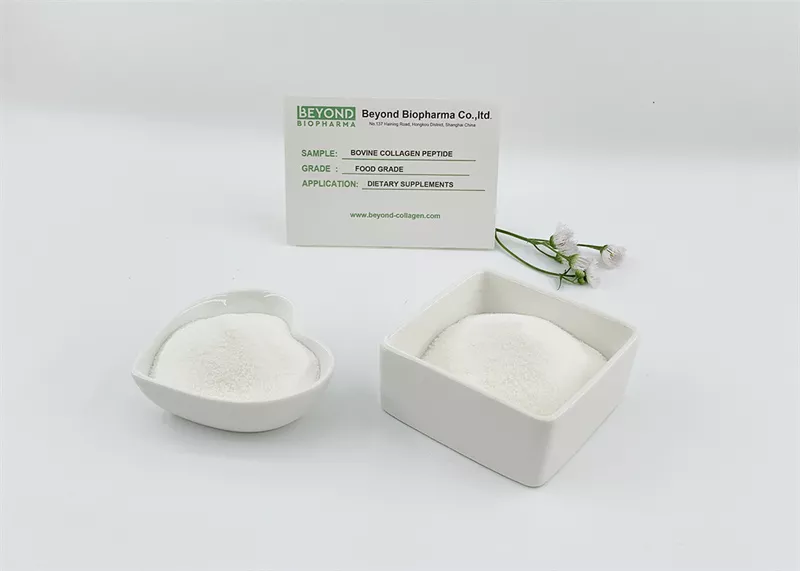
Manufacturer of bovine collagen peptide, shipping in containers all around the world
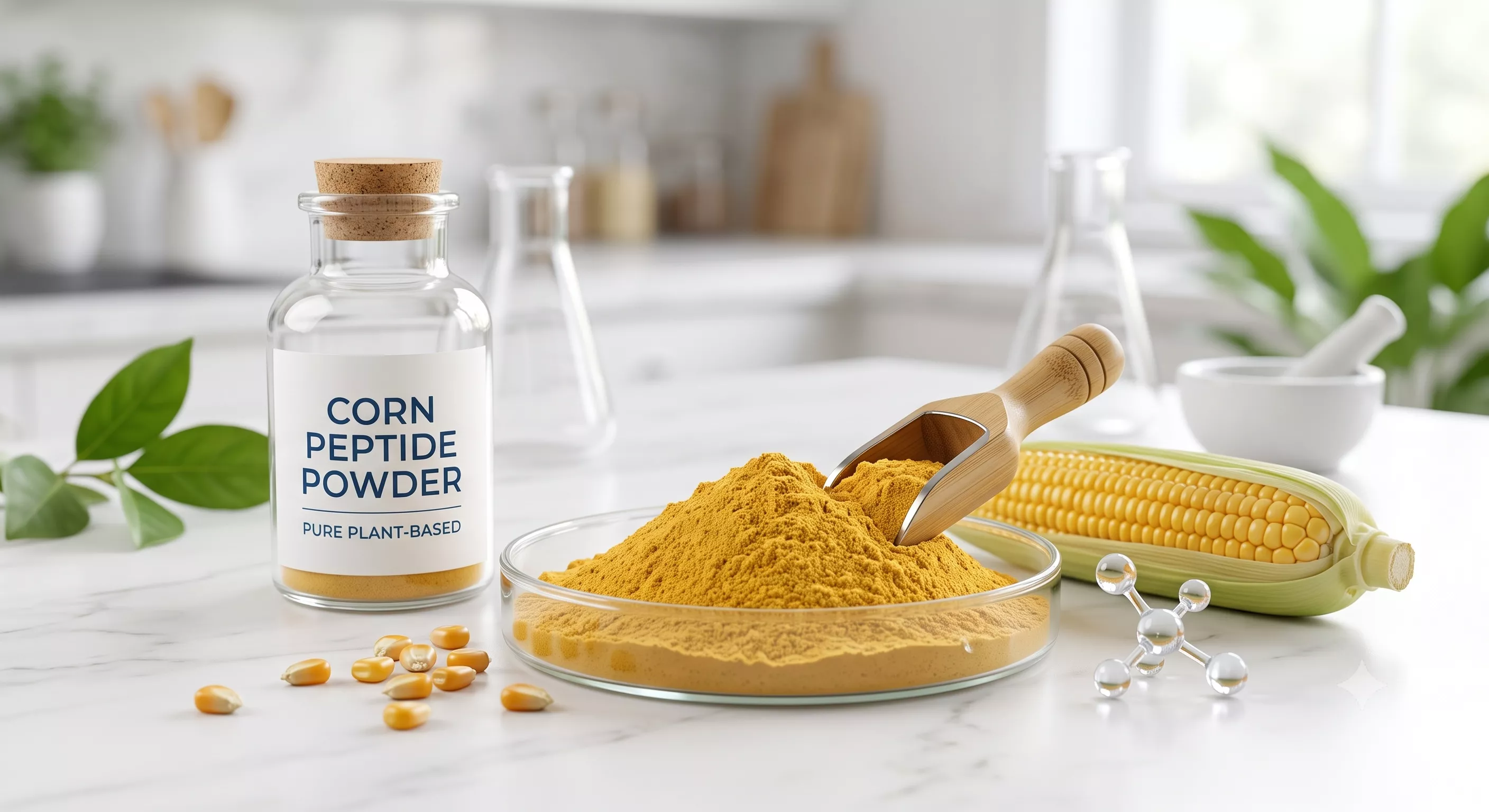
Source high-purity wholesale hydrolyzed corn protein peptide powder in bulk. Over 85% oligopeptides under 1000 Da. Rich in Alanine and Leucine for liver support and sobriety formulas.
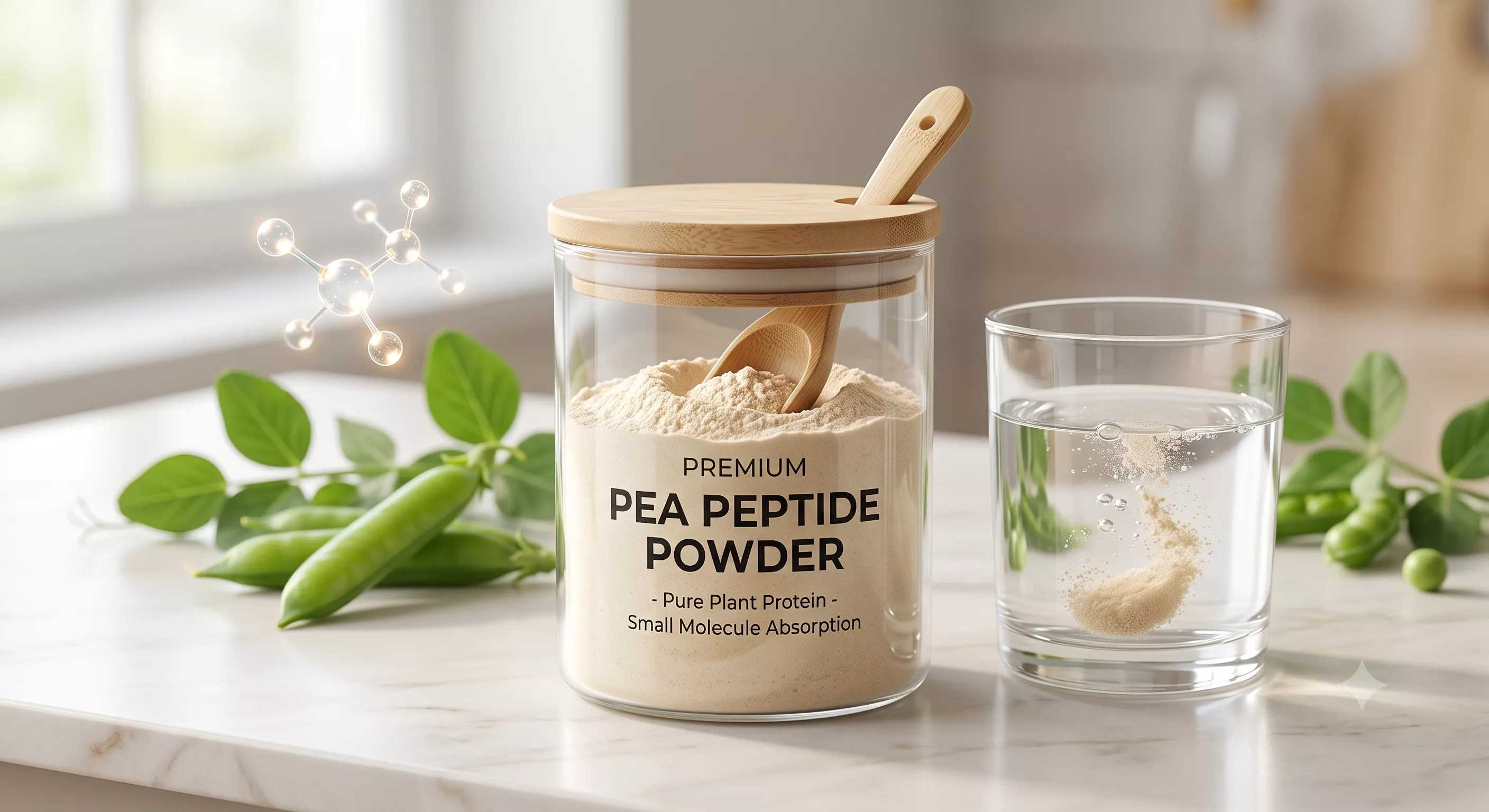
Source high-purity, hypoallergenic hydrolyzed pea peptide powder in bulk. Complete water solubility, rich in BCAAs, ideal for vegan recovery formulas.
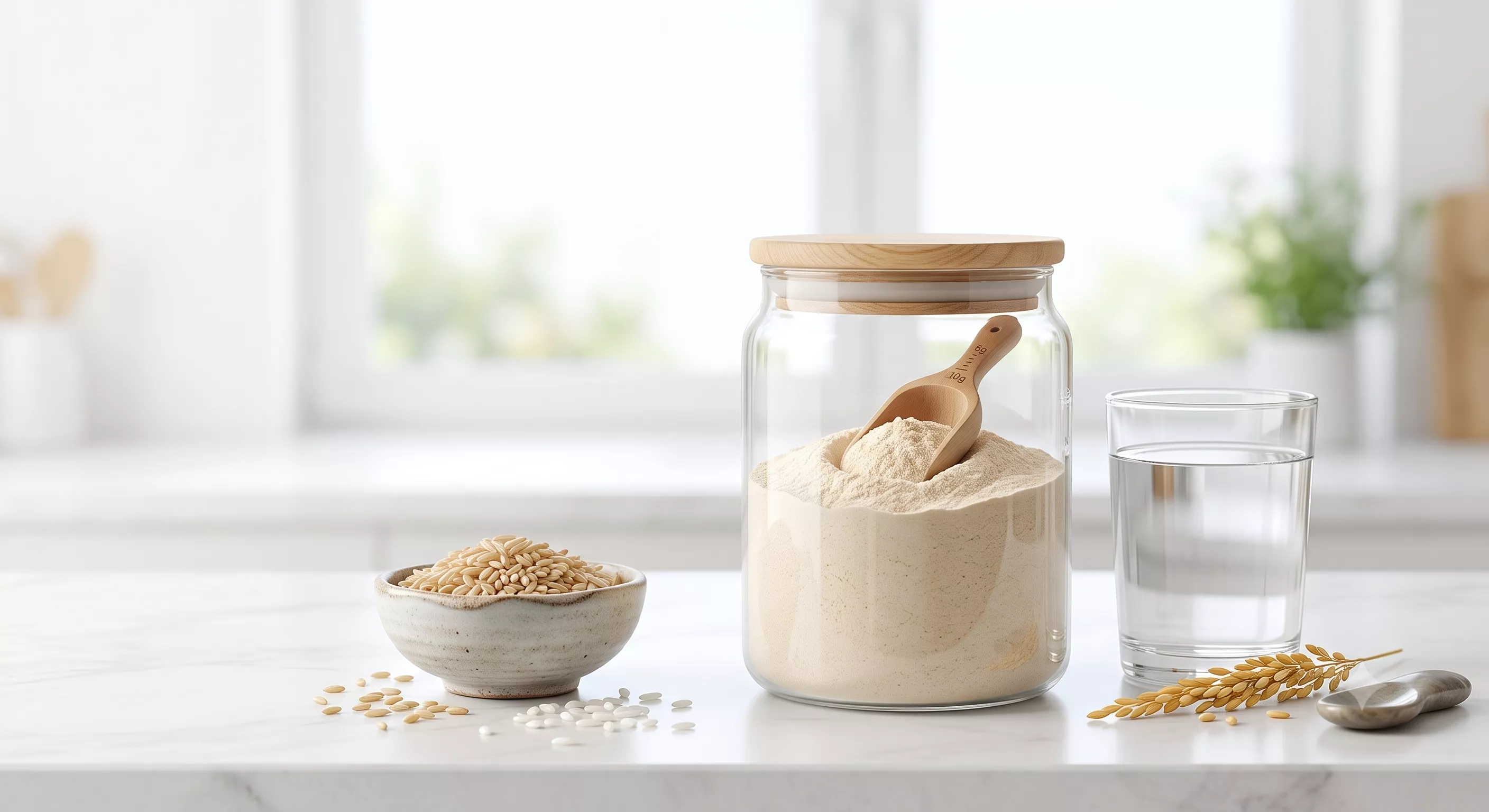
Source ultra-pure, 100% water-soluble wholesale hydrolyzed rice protein peptide in bulk. Over 85% molecules under 1000 Da. Ideal for infant nutrition, clean-label sports formulas, and sensitive skincare.
Select the most popular foreign trade service products to meet your diverse needs
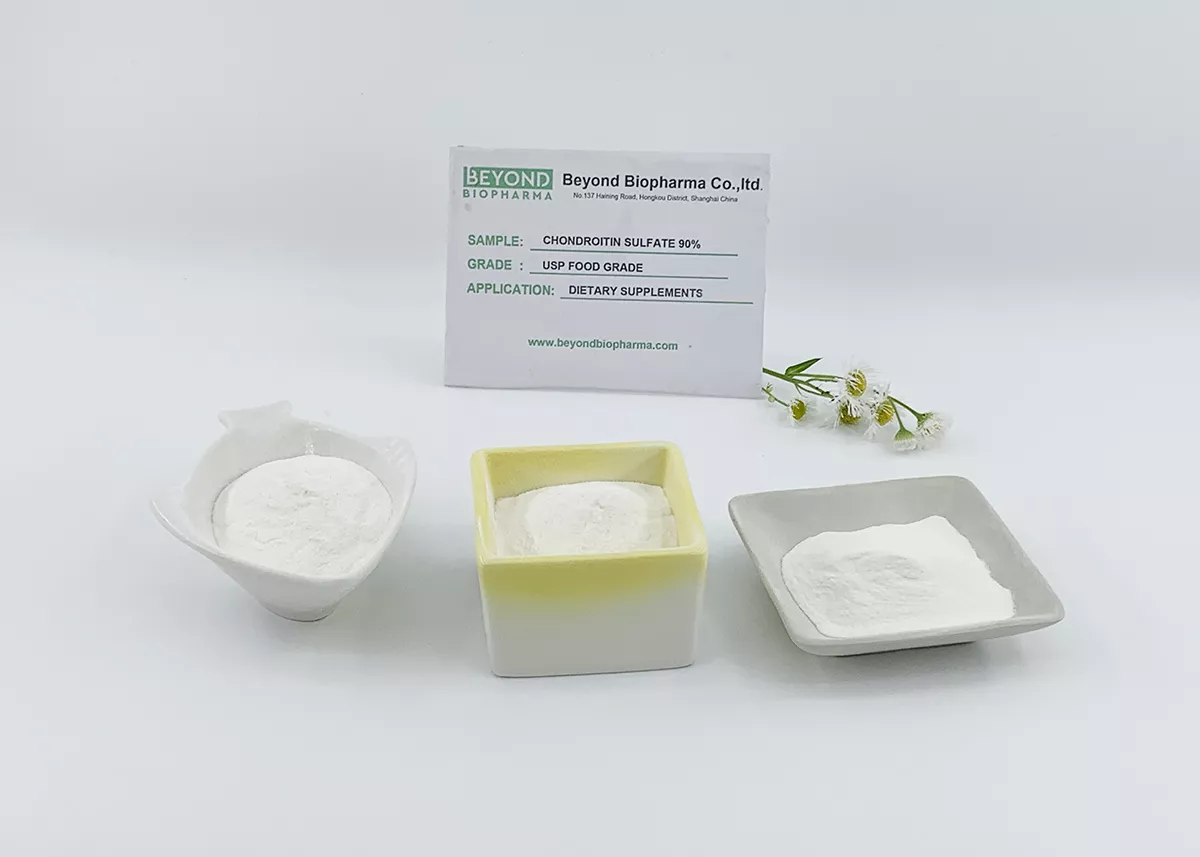
High Purity and Efficacy for Joint Health Formulations
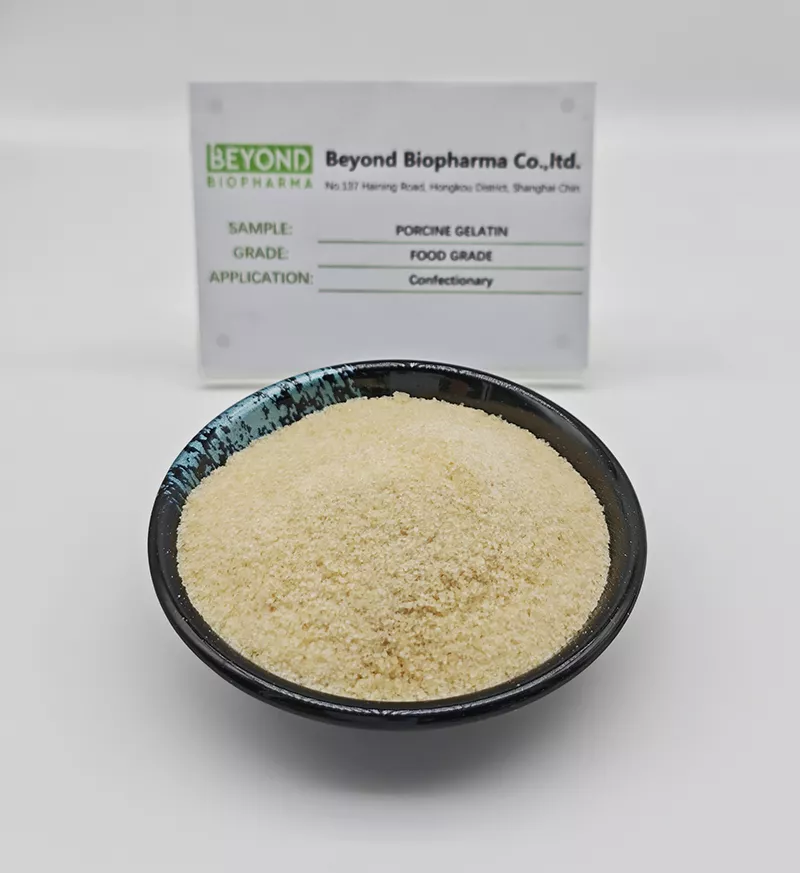
Food-grade porcine gelatin is a highly versatile and cost-effective natural protein derived from the collagen found in pig skin and bones. It is a premier gelling agent known for its exceptional clarity, neutral taste, and thermal reversibility.
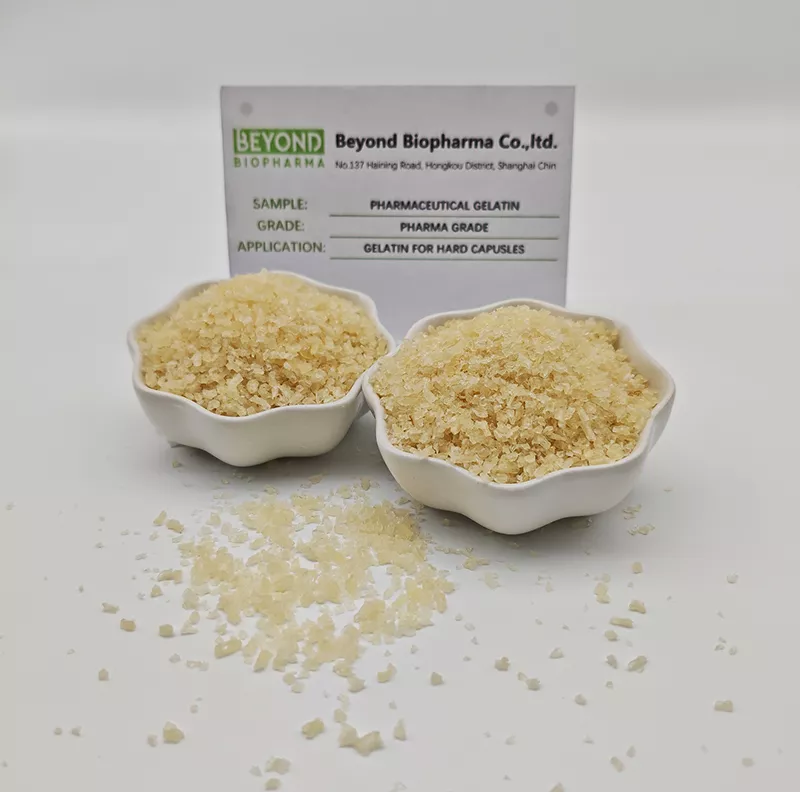
Precision, Purity, and Optimal Machinability
Tel:+86 21 65010906
Cell/Whatsapp/Wechat:
+86 13482884055
+86 18657345785
Email: sales@beyondbiopharma.com





User Comments
Service Experience Sharing from Real Customers
Maya
Pastry ChefI was honestly skeptical at first because most gelatins turn into a rubbery mess when I'm trying to do layered mousses. This non-gelling version is a total game-changer for my cold-set fruit terrines. It sets just firm enough to hold shape but stays silky on the tongue. My customers have noticed the difference, and I've already ordered three more boxes.
Elena
QA Technician (Nutraceuticals)We use this for our softgel prototype batches where we need a slow-release matrix without the snap. It dissolves cleanly at lower temps, which saves us from denaturing our sensitive actives. Only reason it's not a 5 is that the particle size could be finer for lab-scale weighing, but for production it's perfectly consistent.
Tomás
Distiller & Blending LeadI run a small craft distillery, and I've been experimenting with botanical fining agents. This non-gelling gelatin polishes out haze from my gin without stripping the essential oils or leaving that weird jelly layer at the bottom of the tank. It's also way easier to filter than the standard stuff. A solid buy for anyone doing cold clarification.
Priya
Home Baker / Recipe DeveloperI bought this hoping to stabilize a no-bake cheesecake filling without it turning into Jell-O. It works, but you really have to follow the bloom ratio to the letter—too much and you get a weird slimy mouthfeel, too little and it doesn't hold at all. Not beginner-friendly, but if you're used to working with hydrocolloids it's a decent tool to have.