 English EN


Bovine gelatin pros and cons everyone should know
Bovine gelatin offers strong gelling and health benefits but has dietary, ethical, and allergen concerns. Compare bovine gelatin to other gelatin options here.
More
For overseas purchasing managers, R&D product developers, and QA professionals working with gelatin powder, converting 1/4 oz to grams is a routine but critical step. One quarter of an ounce equals exactly 7.087 grams (rounded to 7.09 g for practical use). This small difference can affect gel strength, bloom value, and final product texture. Whether you are formulating gummies, softgels, or pharmaceutical capsules, using the correct weight ensures reproducible results. Beyond Biopharma, a Shanghai-based manufacturer with over 10 years of experience, supplies consistent edible gelatin and pharmaceutical gelatin that meet global standards.
In industrial food and pharmaceutical production, even a 0.1 g variation in gelatin powder can shift bloom strength by 5–10 g. Bloom is the standard measure of gel firmness, typically ranging from 50 to 300 g for edible grades. For gummy candies and softgel capsules, a bloom of 150–260 g is common. Using the wrong weight may lead to soft gels, brittle capsules, or inconsistent dissolution. The conversion 1/4 oz = 7.09 g is based on the avoirdupois ounce (28.3495 g per oz). Always verify with a calibrated scale and refer to the Certificate of Analysis (COA) from your supplier.
Gelatin is derived from collagen through controlled hydrolysis. Bovine hide, porcine skin, and fish skin are common sources. The process involves acid or alkaline pretreatment, extraction at 50–70°C, filtration, concentration, and drying. Key parameters include bloom (gel strength), viscosity (2.0–5.5 mPa·s typical), mesh size (8–60), and moisture (≤14%). For fish gelatin, lower molecular weight leads to faster solubility and lower melting point, ideal for halal and kosher formulations. Enzymatic hydrolysis produces collagen peptides with molecular weight 2,000–5,000 Da, offering high solubility and rapid absorption.
Below is a reference table of common specifications. Note: these are typical industry ranges; final values per COA or sample from your supplier.
| Product Type | Parameter | Typical Range |
|---|---|---|
| Edible Gelatin | Bloom | 50–300 g (common 150–260 g) |
| Edible Gelatin | Viscosity | 2.0–5.5 mPa·s |
| Edible Gelatin | Mesh | 8–60 |
| Edible Gelatin | Moisture | ≤14% |
| Collagen Peptide (Fish/Bovine) | Molecular Weight | 2,000–5,000 Da (fish lower) |
| Collagen Peptide | Protein | ≥90% |
| Plant Protein Peptide | Protein | 80–90% |
| Plant Protein Peptide | Molecular Weight | Commonly |
Typical industry range; final values per COA / sample.
Selecting the right grade depends on your end product. Here is guidance by industry:
Beyond Biopharma is a Shanghai-based B2B manufacturer with over 10 years in the food-ingredient industry. Our products are exported to more than 50 countries. We operate a fully automatic production line with GMP clean workshop, stainless-steel sealed piping, and automated temperature/pH control. Annual capacity is approximately 3,000 MT for collagen and 5,000 MT for gelatin. We hold ISO 9001 certification, are US FDA registered, and select products carry Halal or Kosher certification. Bovine bone gelatin is BSE-free. Our in-house lab performs heavy-metal and microbiological testing, supported by a dedicated QA/QC team. We offer three grades: food, pharmaceutical, and cosmetic. Free samples and formulation support are available.
1/4 oz of gelatin powder equals 7.087 grams. For practical use, round to 7.09 g. Always use a calibrated scale for accuracy, especially in pharmaceutical or nutraceutical production where batch consistency is critical.
No, the weight conversion is the same regardless of source. One ounce is always 28.3495 g. However, the volume may differ due to particle density and mesh size. Always weigh, not scoop, for precision.
Gummy texture depends on bloom and concentration. A 0.5 g error in a batch can shift gel firmness, leading to sticky or brittle gummies. Using 7.09 g per 1/4 oz ensures reproducible results.
Yes, the weight conversion is identical. Collagen peptides are also measured by weight. However, their solubility and molecular weight differ from gelatin. Check the COA for specific parameters.
Fluid ounces measure volume, not weight. Gelatin powder density varies. Do not substitute fluid ounces for weight ounces. Always use a scale for dry ingredients.
Contact Beyond Biopharma with your application, required grade (food/pharma/cosmetic), quantity/MOQ, target specs (bloom, mesh, molecular weight, certifications), and destination country. Free samples and quotes are provided.
To ensure the right product for your formulation, please provide the following details: application (food, pharmaceutical, cosmetic, or nutraceutical), required grade, estimated quantity or MOQ, target specifications (bloom, mesh, molecular weight, certifications such as Halal, Kosher, or BSE-free), and destination country. Beyond Biopharma will send free samples and a competitive quote. Our team supports custom bulk supply and formulation/OEM. Contact us today to start your evaluation.

We provide you with comprehensive foreign trade solutions to help enterprises achieve global development
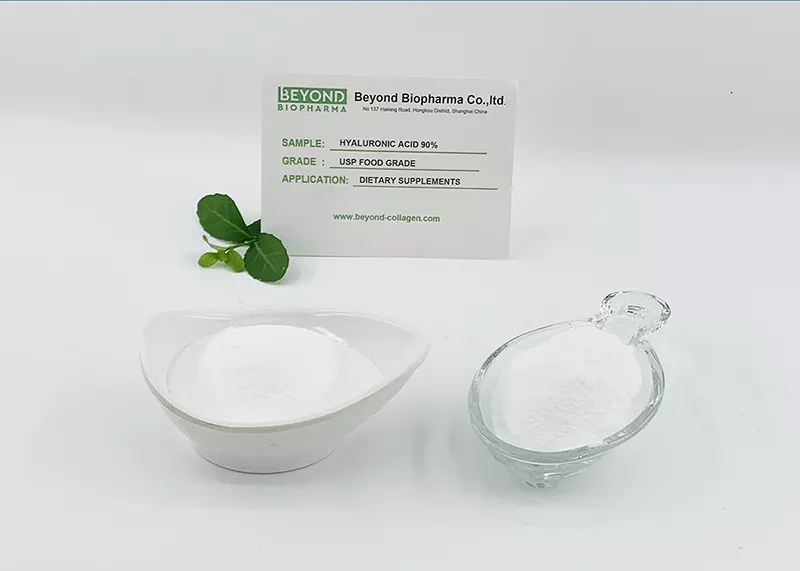
High Molecular Weight for Superior Joint, Skin, and Eye Health.
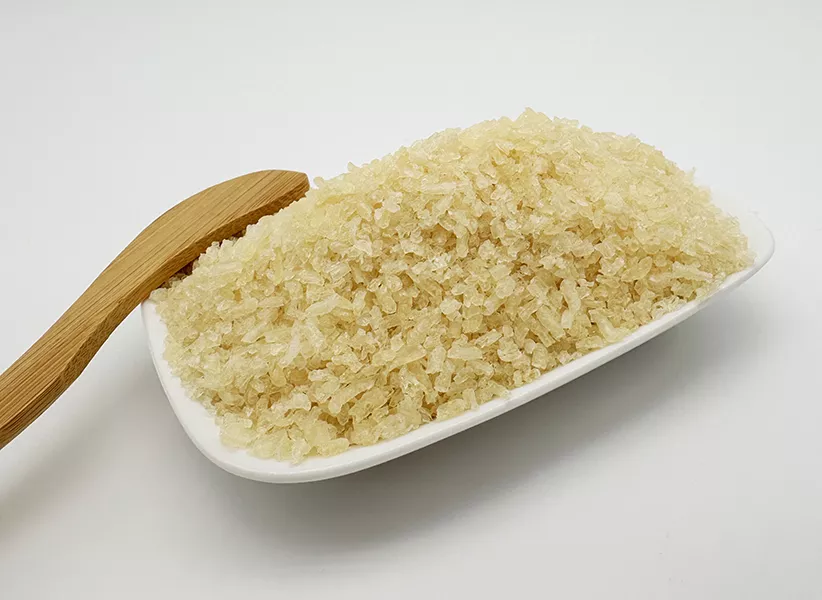
Our Bovine Hides Gelatin is engineered for versatility and compliance, ensuring performance across various applications.
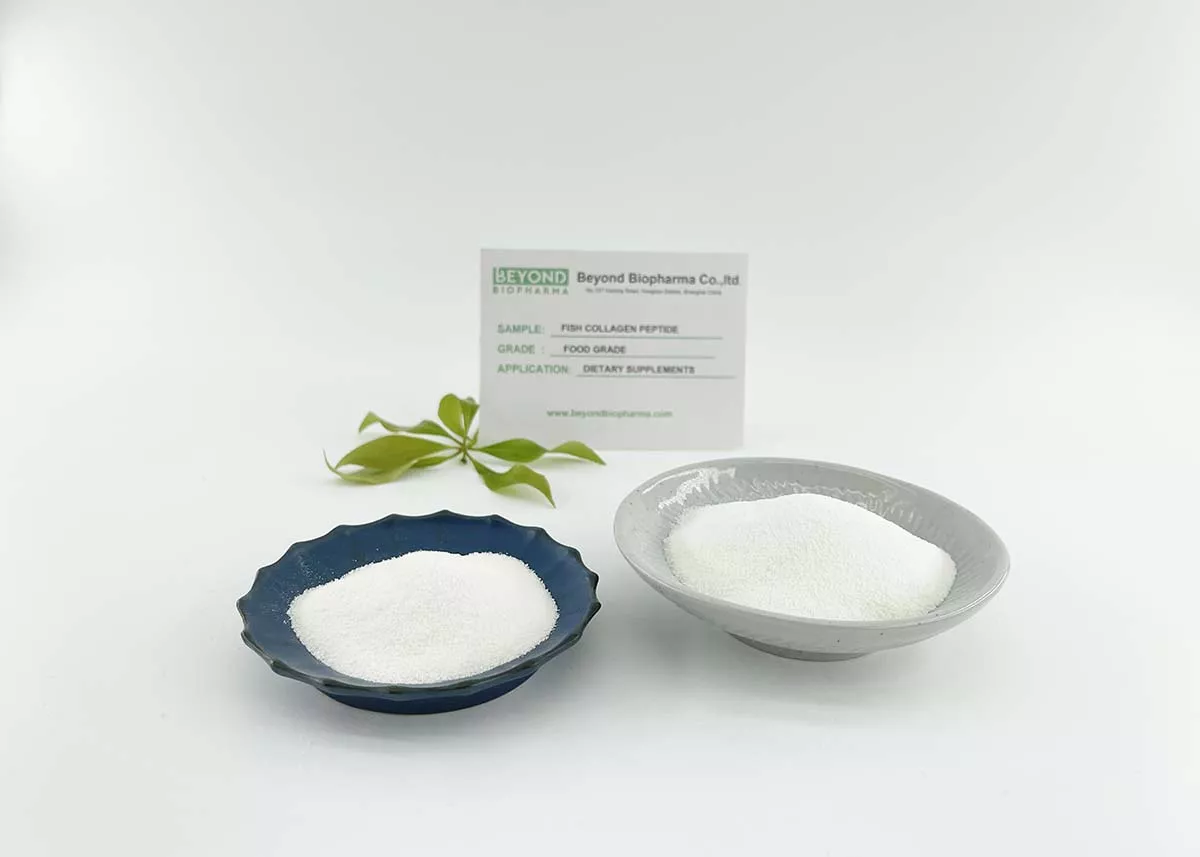
Premium marine-sourced collagen peptides with >90% protein content and low molecular weight (1000-3000 Da) for superior bioavailability. Sustainably sourced, neutral taste, and fully soluble—ideal for nutricosmetics and functional foods.
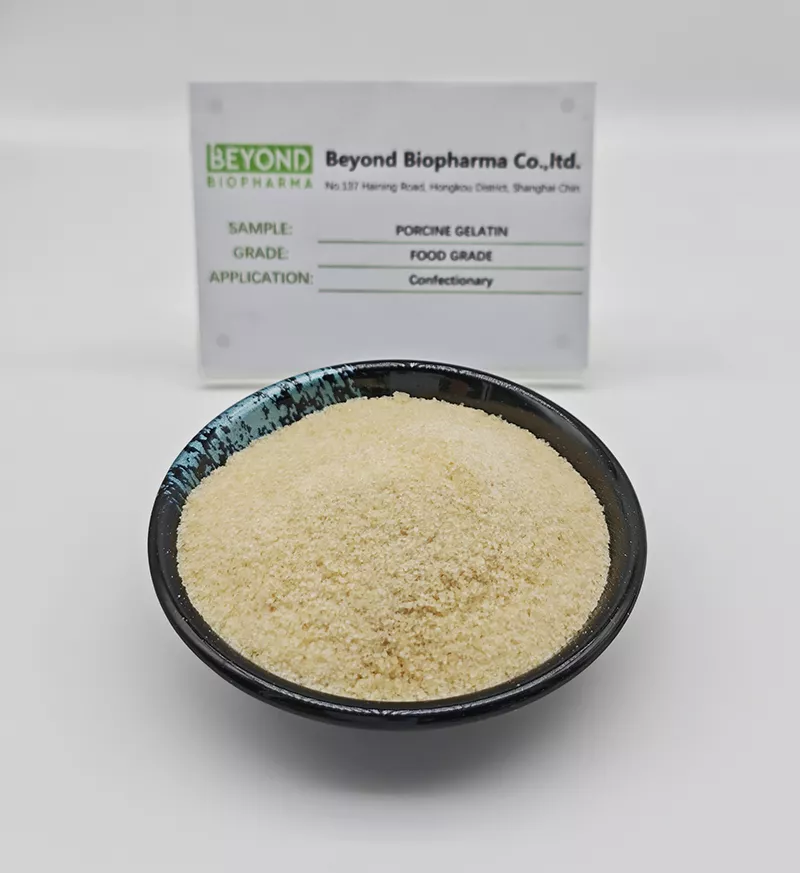
Food-grade porcine gelatin is a highly versatile and cost-effective natural protein derived from the collagen found in pig skin and bones. It is a premier gelling agent known for its exceptional clarity, neutral taste, and thermal reversibility.
Select the most popular foreign trade service products to meet your diverse needs
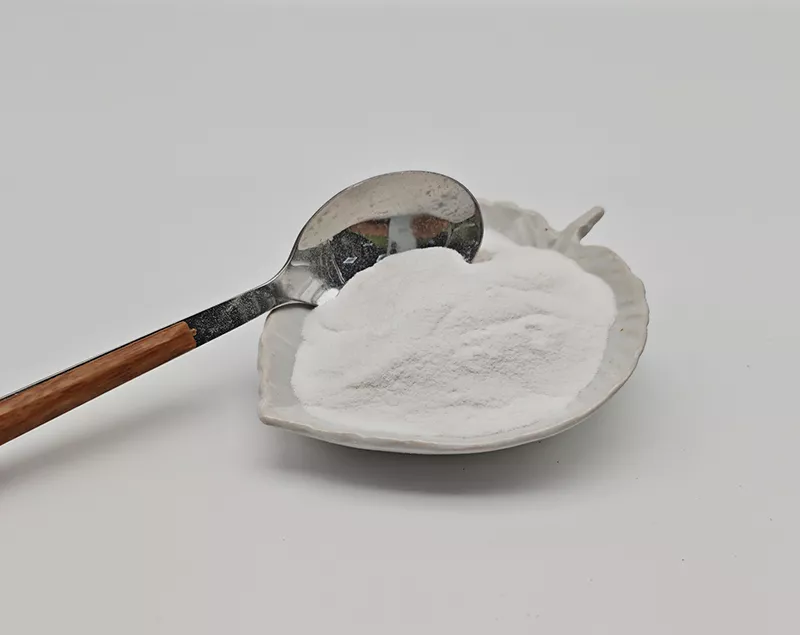
Fish Gelatin for foods is increasingly recognized as the premium alternative to traditional mammalian sources, meeting the growing global demand for clean-label ingredients that align with diverse dietary and religious requirements. Derived from the skin and scales of fish like cod and tilapia, fish gelatin offers unique functional benefits that make it an exceptional gelling, stabilizing, and texturizing agent.
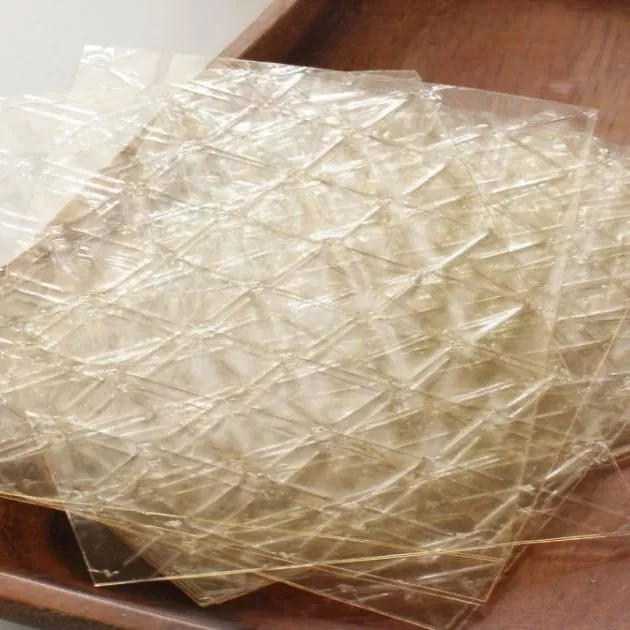
Our Gelatin Sheets are produced to precise standards, ensuring consistency and reliability across different Bloom grades (Silver being the most common professional choice).
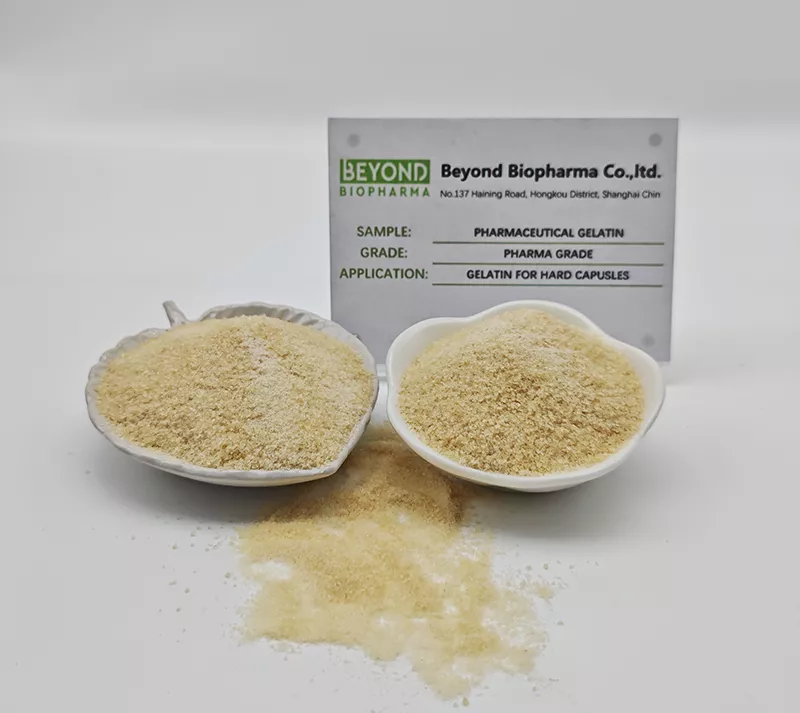
The high-strength and rapid-setting characteristics of Bovine Bone Gelatin ensure it forms a stable, uniform, and durable shell that preserves the integrity of the active pharmaceutical ingredient (API).
Tel:+86 21 65010906
Cell/Whatsapp/Wechat:
+86 13482884055
+86 18657345785
Email: sales@beyondbiopharma.com





User Comments
Service Experience Sharing from Real Customers
Megan
Home BakerI've been baking for years and always struggled with gelatin conversions. Seeing '1.4 oz' in a recipe used to stress me out, but this powder's clear gram equivalent (about 39.7g) on the label saved my latest panna cotta. It set perfectly—no more guessing games!
Leo
Chemistry StudentAs someone who measures everything in grams for lab work, I appreciate when products provide precise conversions. Used this for a food science project—1.4 oz to grams was spot on. Texture was consistent, though the packaging could be more resealable. Solid product overall.
Chloe
Meal Prep CoachMy clients often ask about portioning gelatin for protein gummies. Finally found a brand that makes the math easy—1.4 oz = 39.7 grams right on the tub. No more frantic Googling during prep sessions. Lifesaver for consistent results every time!
Derek
Craft Brewery OwnerWe use gelatin for clarifying small-batch beers. The 1.4 oz packets convert neatly to grams, which integrates smoothly into our metric system. Takes the guesswork out of scaling recipes. Plus, it dissolves without clumping—huge time-saver during busy brew days.