English EN


Glucosamine Hydrochloride or Glucosamine Sulfate Which Helps Arthritis More
Glucosamine sulfate is generally more effective for arthritis, but glucosamine hydrochloride is ideal for vegans or those with shellfish allergies.
More
If you have been dealing with stiff knees, achy hips, or general joint discomfort as you age, you have likely come across glucosamine hydrochloride. Unlike its more common cousin glucosamine sulfate, the hydrochloride form offers a higher concentration of active glucosamine per dose. Backed by clinical research, glucosamine HCl is widely used to support cartilage health, ease joint pain, and improve mobility. In this article, we break down five evidence-based benefits of glucosamine hydrochloride for joint health, so you can make an informed decision about adding it to your daily routine.
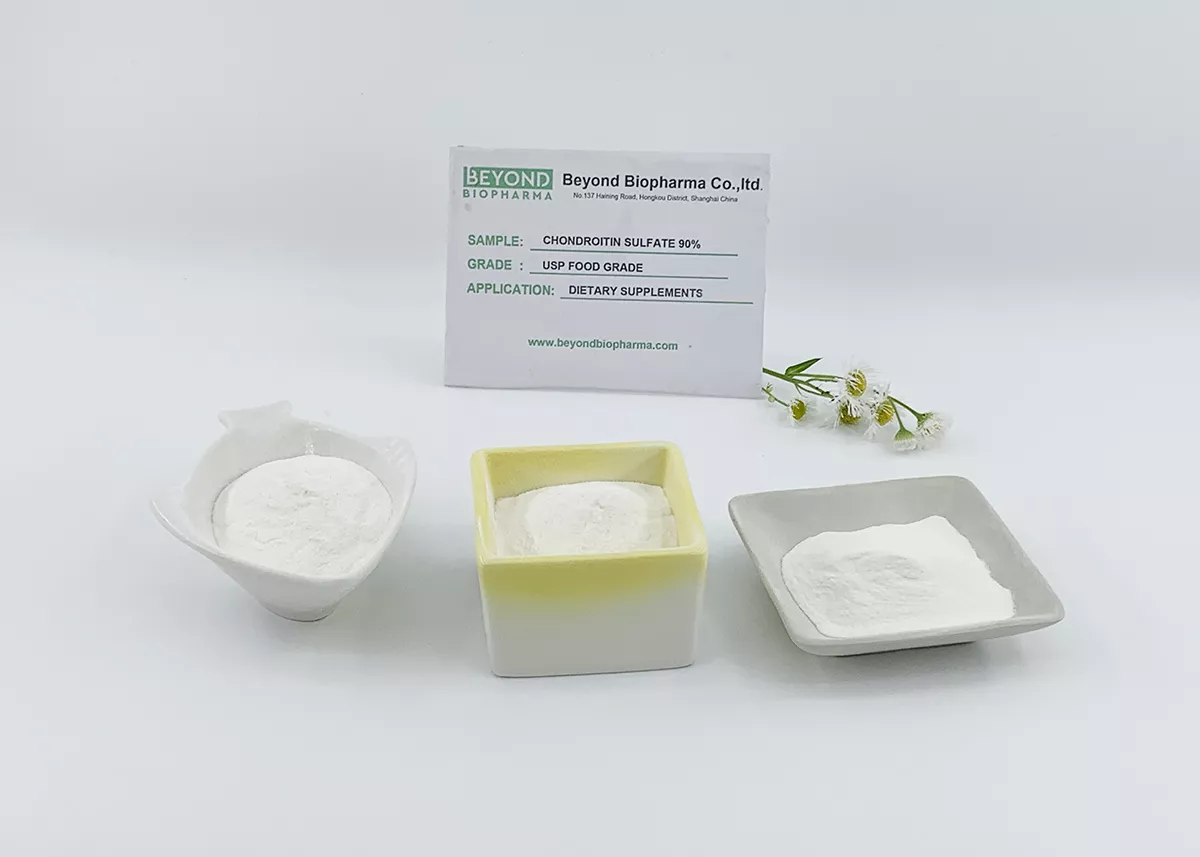
Glucosamine is a natural building block of glycosaminoglycans, which are essential molecules in cartilage tissue. Glucosamine hydrochloride delivers a high concentration of pure glucosamine, helping the body synthesize proteoglycans and collagen. A 2016 study published in the International Journal of Rheumatology found that daily supplementation with 1500 mg of glucosamine HCl significantly slowed cartilage degradation in people with mild to moderate knee osteoarthritis over a 24-week period. By providing raw materials for cartilage repair, glucosamine HCl helps maintain joint cushioning and reduces the grinding sensation many people experience during movement.
One of the most widely reported benefits of glucosamine hydrochloride is its ability to alleviate joint pain. Unlike painkillers that simply mask symptoms, glucosamine targets the underlying inflammation and cartilage health. A meta-analysis of 15 randomized controlled trials, published in BMJ Open in 2018, concluded that glucosamine (including HCl forms) was significantly more effective than placebo in reducing pain scores in patients with osteoarthritis. Many users report noticeable improvements in morning stiffness and post-activity soreness within 4 to 8 weeks of consistent use.
When cartilage wears down, joints become stiff and range of motion decreases. Glucosamine HCl helps restore the viscoelastic properties of synovial fluid, which lubricates your joints. In a 12-week clinical trial involving 80 adults with knee osteoarthritis, participants taking 1500 mg of glucosamine HCl daily showed a 22% improvement in the Western Ontario and McMaster Universities Osteoarthritis Index (WOMAC) function score compared to the placebo group. Better mobility means you can walk, climb stairs, and bend more freely without discomfort.
Safety is a key concern for anyone considering long-term supplementation. Glucosamine hydrochloride has an excellent safety profile. Unlike nonsteroidal anti-inflammatory drugs (NSAIDs) that can cause stomach ulcers and kidney issues over time, glucosamine HCl is well tolerated. A 2019 review in Drugs & Aging noted that adverse effects from glucosamine are generally mild and comparable to placebo, with the most common being minor digestive upset. For people looking for a natural approach to joint maintenance, glucosamine HCl provides a reliable option that can be taken for months or years without major risks.
Glucosamine hydrochloride is often paired with chondroitin sulfate, collagen peptides, or MSM for enhanced results. Research indicates that the combination of glucosamine HCl and chondroitin can be more effective than either ingredient alone for moderate to severe knee pain. The 2006 GAIT study (Glucosamine/chondroitin Arthritis Intervention Trial) found that the combo provided significant pain relief in a subgroup of patients with moderate-to-severe osteoarthritis. This synergistic effect makes glucosamine HCl a versatile base ingredient in many joint health formulations.
When shopping for a glucosamine HCl supplement, look for products that specify the hydrochloride form on the label, as it offers a higher glucosamine content per gram compared to the sulfate version. The typical effective dose is 1500 mg per day, often taken in a single dose or split into two capsules. For best absorption, take it with food. If you are vegetarian or vegan, note that most glucosamine is derived from shellfish shells, but there are also vegan glucosamine HCl options made through fermentation. Always consult with your healthcare provider before starting any new supplement, especially if you are pregnant, nursing, or on blood-thinning medication.
Glucosamine hydrochloride stands out as a well-researched, effective supplement for supporting joint health. From protecting cartilage and easing pain to improving flexibility and offering a safe long-term option, the benefits are backed by solid science. Whether you are an active adult looking to maintain joint function or someone managing age-related joint discomfort, glucosamine HCl can be a valuable part of your wellness toolkit. Choose a high-quality product, stay consistent, and give it at least 8 weeks to experience the full effects.


We provide you with comprehensive foreign trade solutions to help enterprises achieve global development
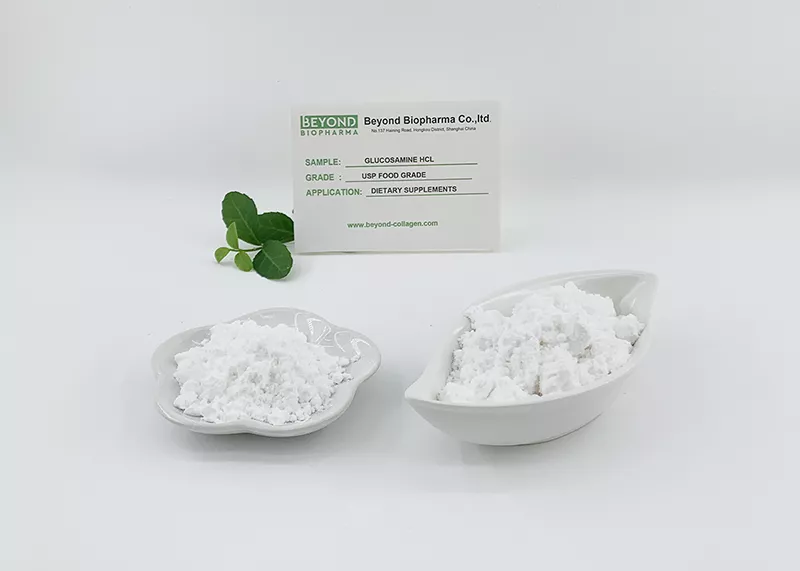
The Purest Plant-Based Joint Support Solution
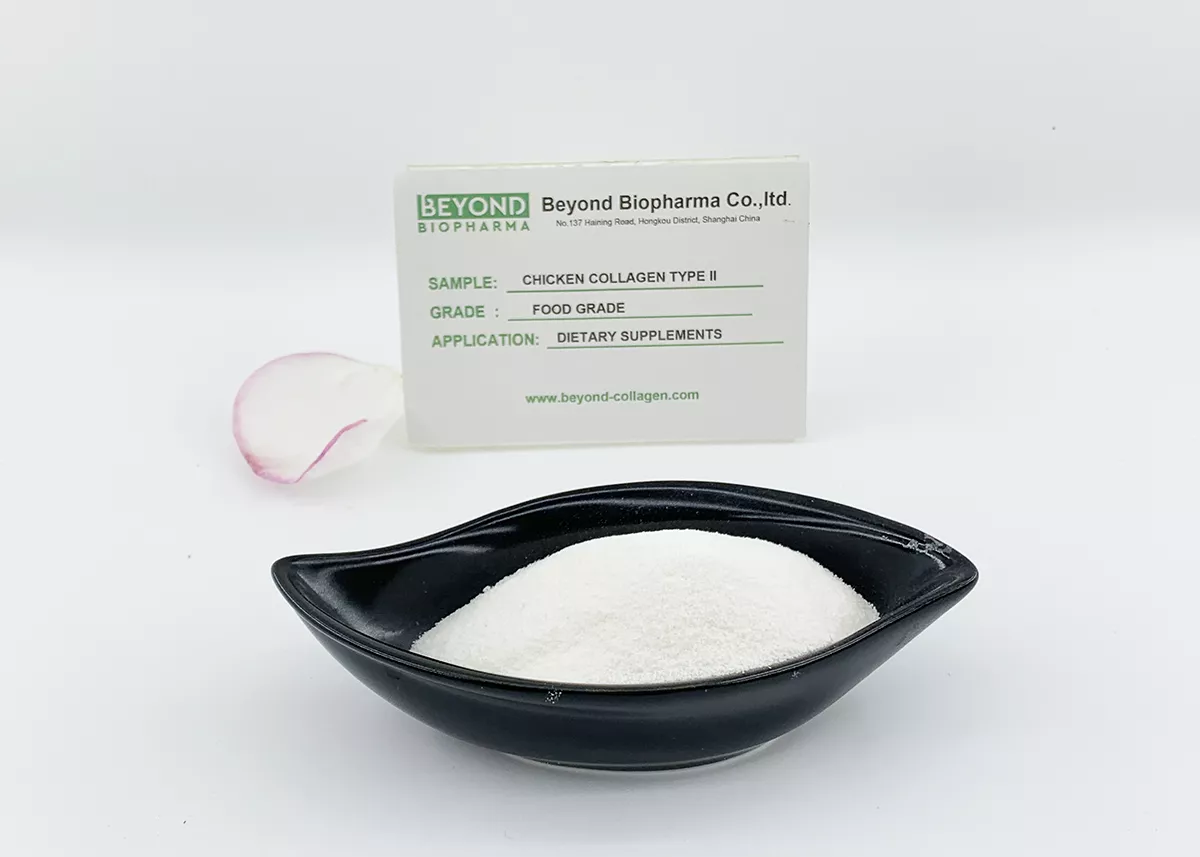
BEYOND BIOPHARMA is a specialized manufacturer of high-quality Undenatured Collagen Type II. Utilizing low-temperature, non-enzymatic extraction methods, our Undenatured Collagen Type II retains its native, triple-helix structure, essential for modulating the immune system's response to joint health and providing superior support for mobility, flexibility, and overall joint comfort.
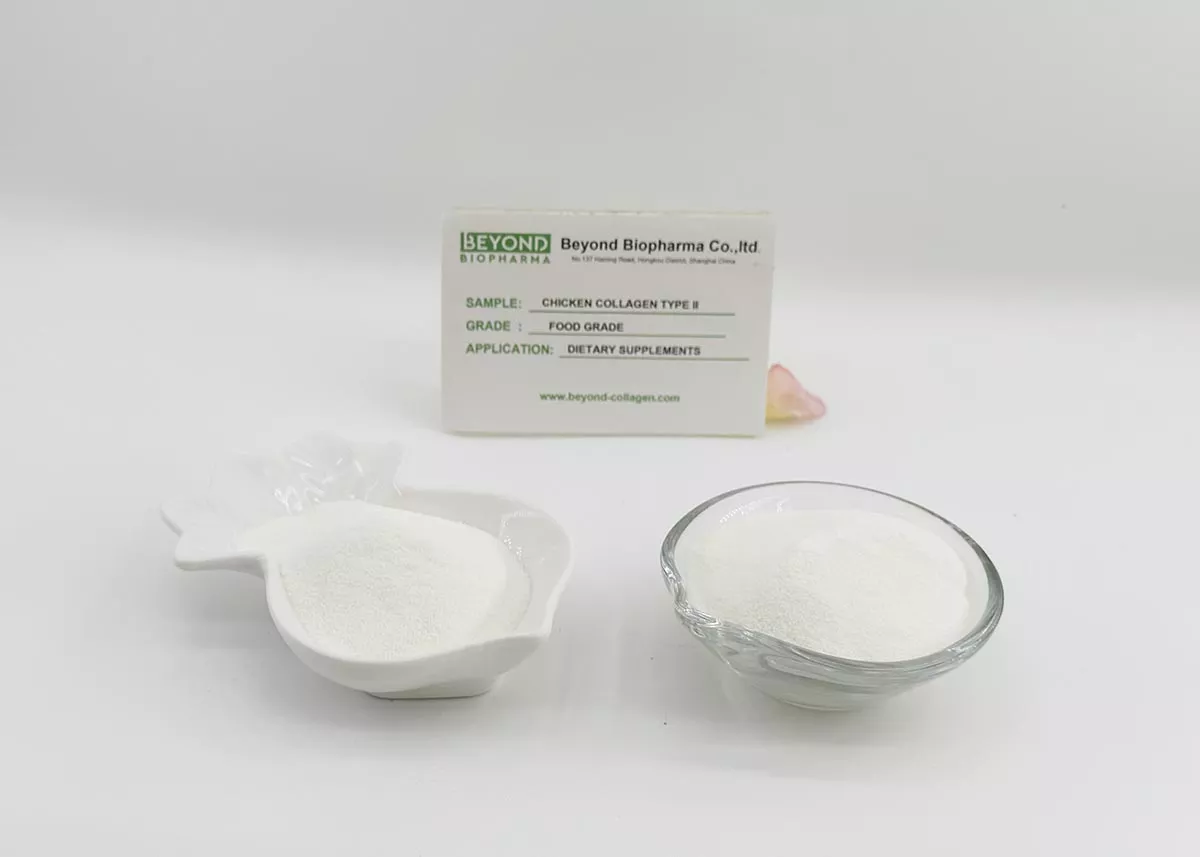
BEYOND BIOPHARMA is a specialized manufacturer of highly purified Hydrolyzed Collagen Type II. Through advanced enzymatic hydrolysis, we create low-molecular-weight collagen peptides that are highly bioavailable, offering foundational nutritional support for cartilage repair, joint function, and skin health. Our product is designed for rapid absorption and maximum efficacy in oral supplements.
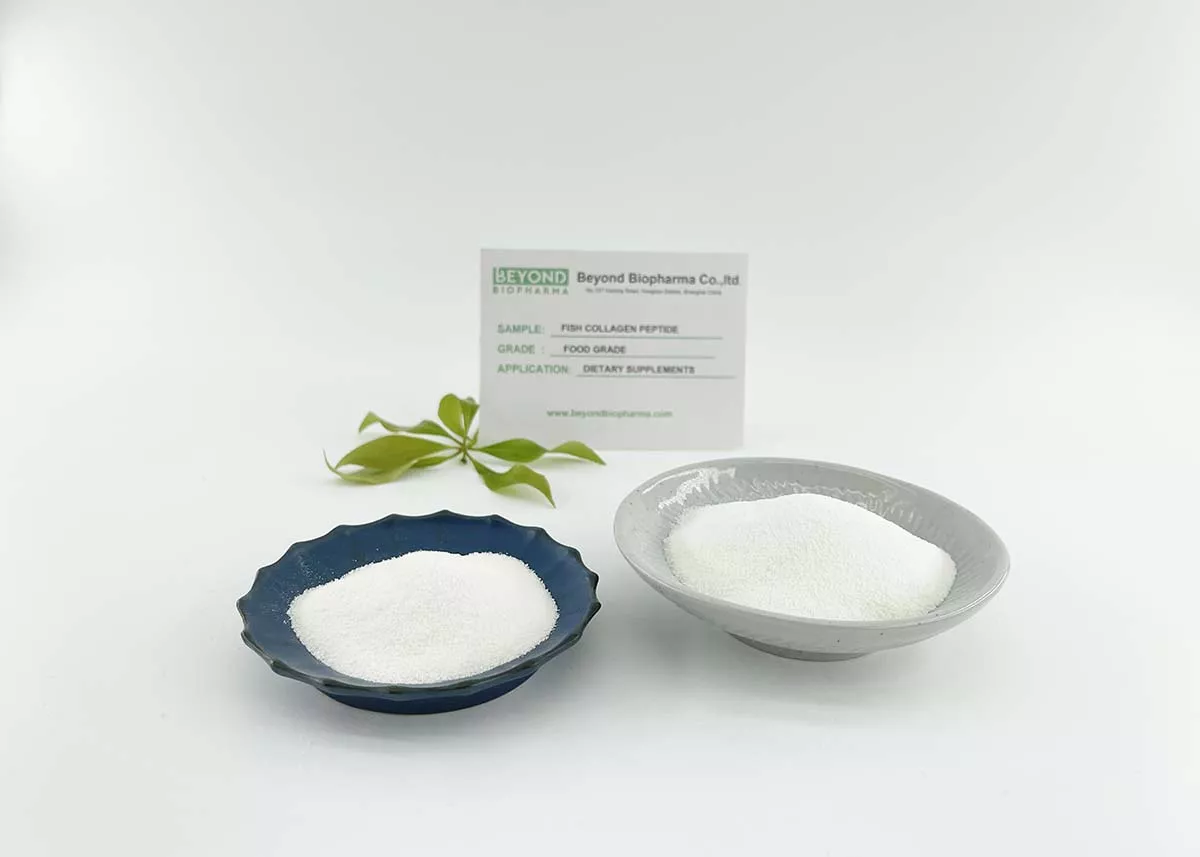
Premium marine-sourced collagen peptides with >90% protein content and low molecular weight (1000-3000 Da) for superior bioavailability. Sustainably sourced, neutral taste, and fully soluble—ideal for nutricosmetics and functional foods.
Tel:+86 21 65010906
Cell/Whatsapp/Wechat:
+86 13482884055
+86 18657345785
Email: sales@beyondbiopharma.com