 English EN


How to Use Gelatin Powder? Applications of Gelatin Powder
Use gelatin powder by blooming it in cold water, dissolving gently, and adding to recipes for perfect texture in desserts, sauces, and supplements.
More
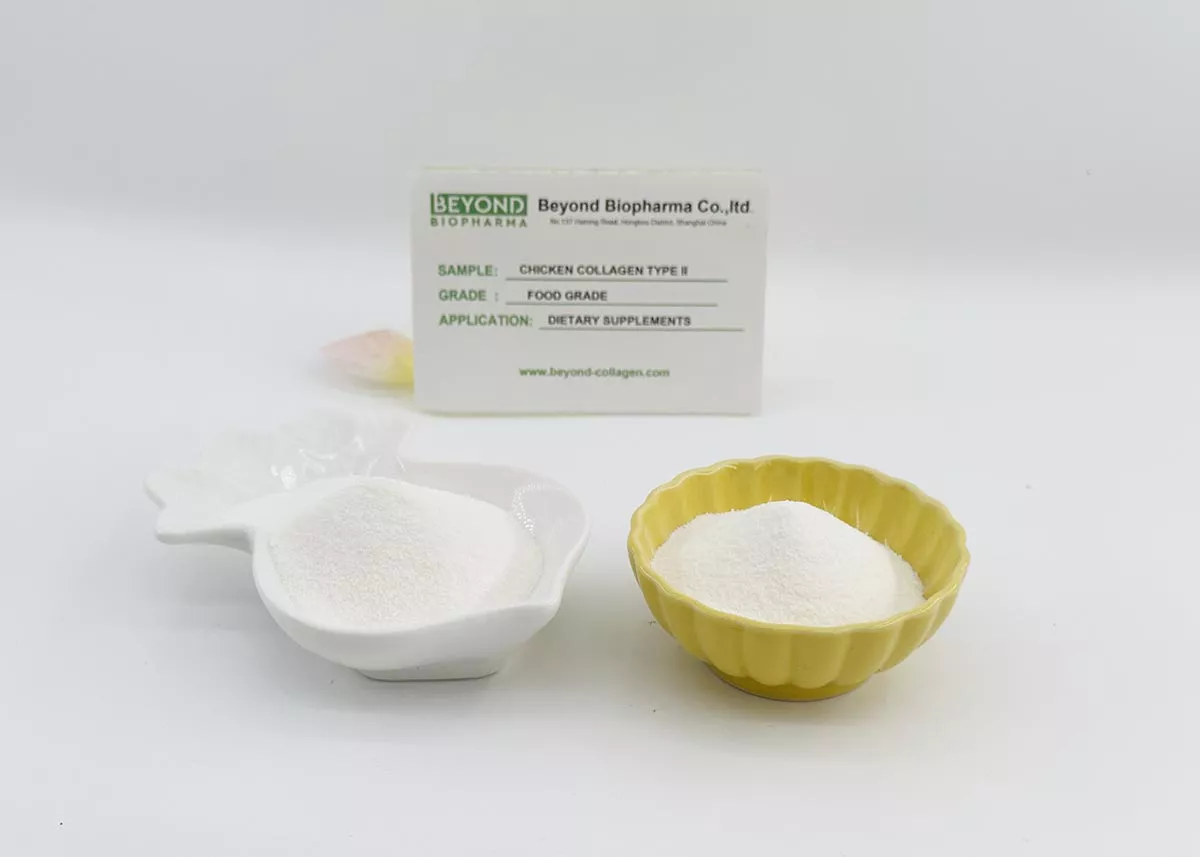
Agar-agar, derived from red algae, is one of the most popular gelatin replacements. It sets firmer than gelatin and works well in jellies, puddings, and vegan desserts. Unlike gelatin, agar-agar does not require refrigeration to set—it solidifies at room temperature. Use about 1 tablespoon of agar-agar flakes (or 1 teaspoon of powder) for every 1 cup of liquid. Keep in mind that agar-agar creates a more brittle gel, so it is best for recipes where a firm texture is desired.
Pectin, naturally found in fruits like apples and citrus, is a go-to for thickening jams, jellies, and fruit-based desserts. It requires sugar and acid (like lemon juice) to gel properly. For every 1 tablespoon of gelatin powder, substitute with about 2 tablespoons of liquid pectin or 1 tablespoon of powdered pectin. Pectin yields a softer, more spreadable set compared to agar-agar, making it ideal for preserves and fruit glazes.
Carrageenan, extracted from Irish moss seaweed, is widely used in dairy products like ice cream and yogurt. It provides a creamy, smooth texture and works well in puddings and custards. For gelatin replacement, use about 1 teaspoon of carrageenan powder per 1 cup of liquid. It reacts best with milk or plant-based milks, so it may not be ideal for clear fruit jellies. Carrageenan sets at room temperature and offers a flexible gel.
Xanthan gum, produced by fermenting corn sugar, is a powerful thickener and stabilizer. It does not create a firm gel like gelatin, but it adds viscosity and body to sauces, dressings, and gluten-free baked goods. Use about 1/4 teaspoon of xanthan gum per 1 cup of liquid. Because it thickens quickly, whisk it in gradually to avoid clumps. Xanthan gum is best for recipes where you want a smooth, creamy consistency rather than a solid set.
Konjac powder, made from the konjac root, is a vegan-friendly gelling agent commonly used in Asian desserts and jelly snacks. It creates a firm, elastic gel similar to gelatin. Use about 1 teaspoon of konjac powder per 1 cup of liquid, and always mix it with an alkaline agent like calcium hydroxide to activate its gelling properties. Konjac powder works well in fruit jellies and chewy candies, but it requires careful handling to avoid a rubbery texture.
The best substitute depends on your recipe. For firm, clear jellies, agar-agar is your top choice. For fruity spreads, pectin shines. If you are making creamy desserts, carrageenan or xanthan gum work well. Konjac powder is excellent for chewy, gelatin-like textures. Always adjust liquid ratios and setting times, as each alternative behaves differently. Test a small batch first to ensure the texture matches your expectations.
For more detailed product information and high-quality gelatin alternatives, feel free to explore edible bovine gelatin for food applications or check out food-grade porcine gelatin for gummies and jellies.
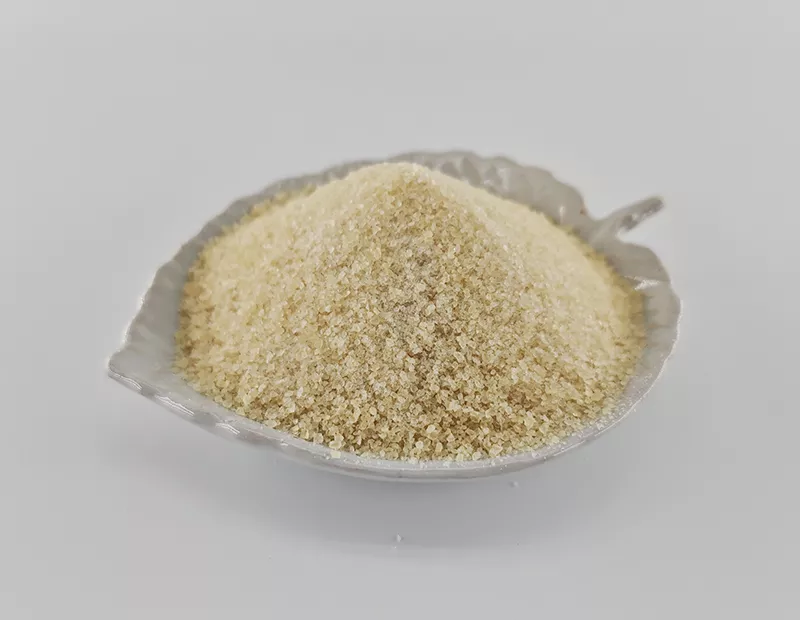
When swapping gelatin for any of these alternatives, remember that gelatin is heat-sensitive and sets upon cooling, while plant-based options like agar-agar set at room temperature. Always dissolve powders in cold liquid first to prevent clumping. For acidic recipes, pectin and carrageenan perform better than agar-agar. And if you are baking, xanthan gum can help with structure without altering flavor. With these tips, you can confidently replace gelatin in almost any recipe.


We provide you with comprehensive foreign trade solutions to help enterprises achieve global development
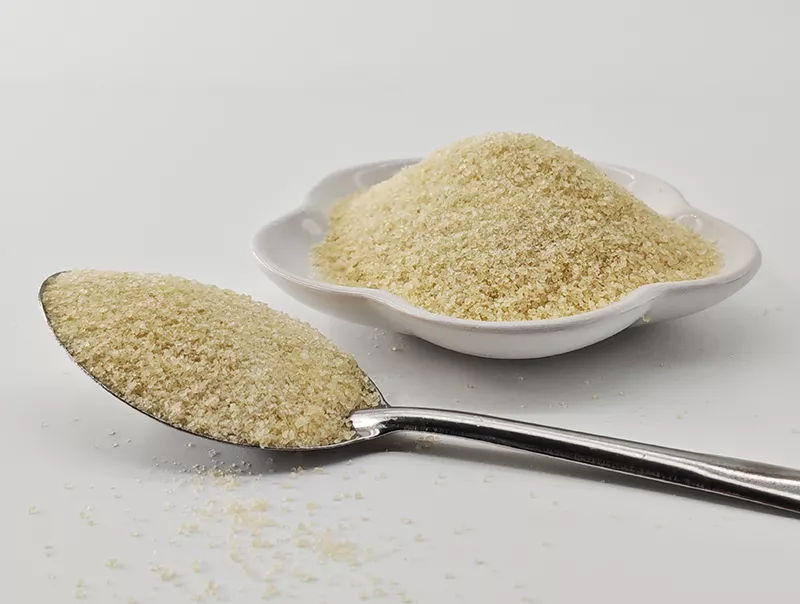
The High-Performance Barrier for Core Material Protection and Controlled Release.
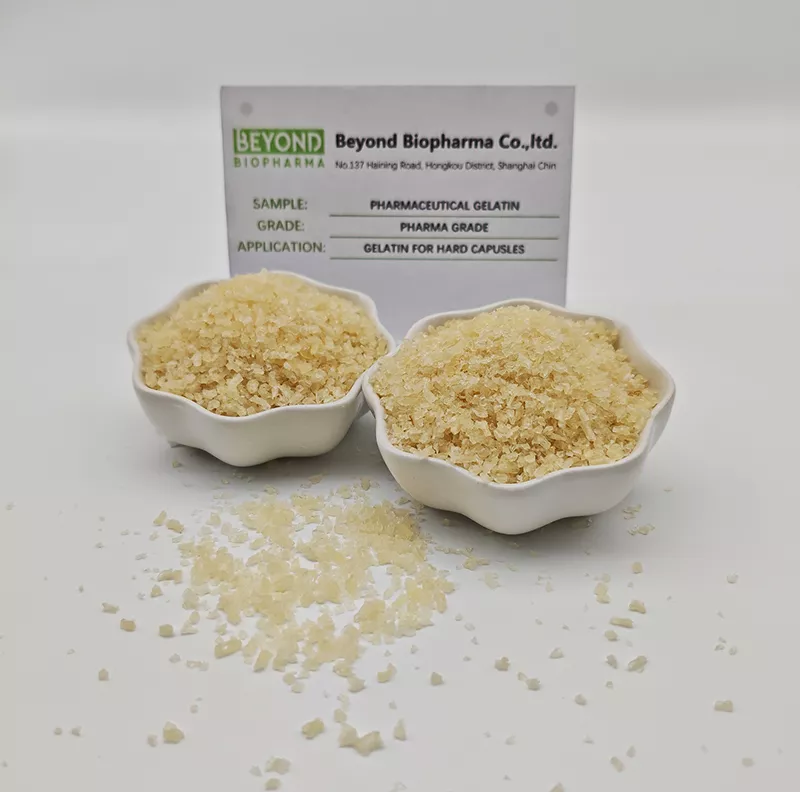
Precision, Purity, and Optimal Machinability
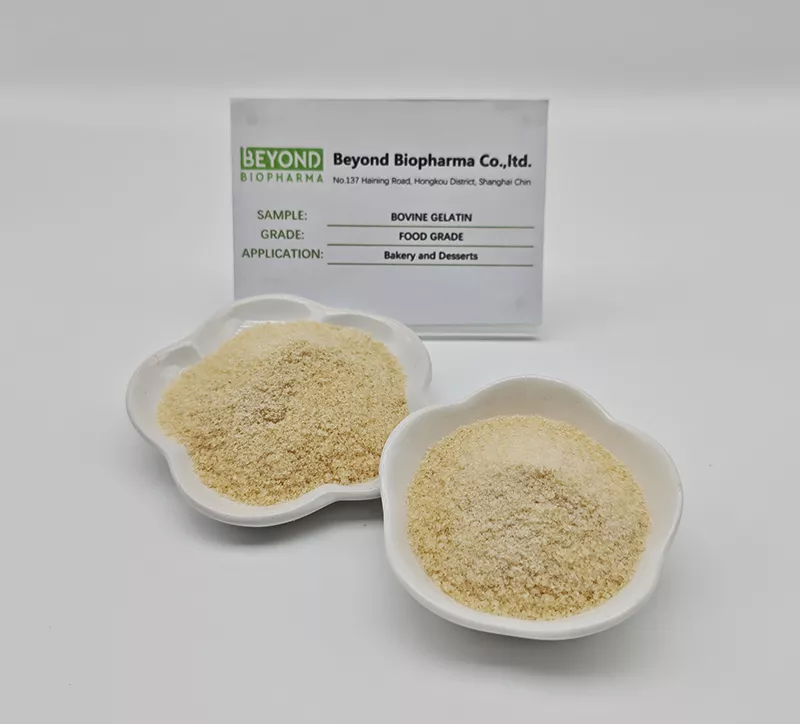
20 years experiences, 5000 ton/year capacity, Sustained supply with stable quality
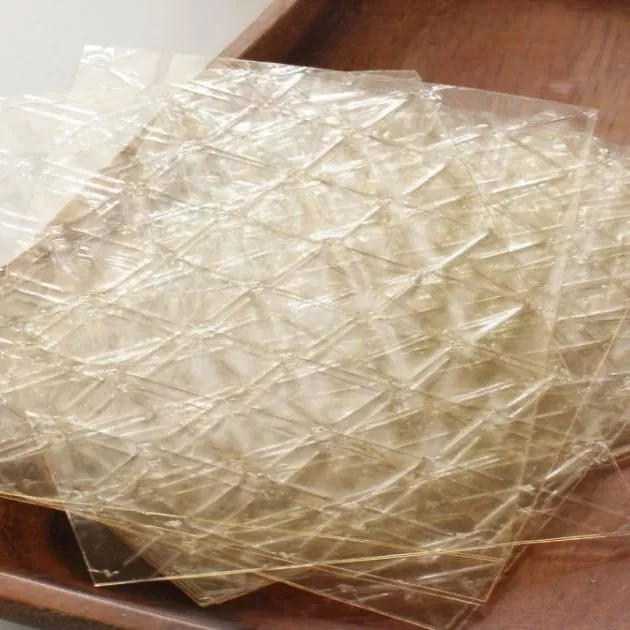
Our Gelatin Sheets are produced to precise standards, ensuring consistency and reliability across different Bloom grades (Silver being the most common professional choice).
Tel:+86 21 65010906
Cell/Whatsapp/Wechat:
+86 13482884055
+86 18657345785
Email: sales@beyondbiopharma.com




