English EN


How to Use Gelatin Powder? Applications of Gelatin Powder
Use gelatin powder by blooming it in cold water, dissolving gently, and adding to recipes for perfect texture in desserts, sauces, and supplements.
More
Gelatin powder, especially the Knox brand, is a kitchen staple that can transform your cooking and baking. Whether you are making silky panna cotta, firm jello, or stabilizing a fluffy mousse, understanding how to use gelatin correctly is key. This guide walks you through everything from blooming techniques to troubleshooting common issues, ensuring your desserts set perfectly every time. No more runny gels or rubbery textures—just reliable, professional results at home.
Knox is one of the most trusted names in unflavored gelatin. It is derived from animal collagen, typically from bovine or porcine sources, and comes in a fine, granulated powder. Unlike flavored gelatin mixes, Knox is neutral in taste, giving you full control over the flavor profile of your dish. It is widely used in both sweet and savory recipes, from classic jelly desserts to aspics and even marshmallows. The key advantage of using Knox is its consistent setting power—each packet contains about 7 grams of gelatin, which can set 2 cups of liquid into a firm gel.
Blooming is the most important step when working with gelatin powder. It involves sprinkling the powder over cold water (or another cold liquid) and letting it sit for 5 to 10 minutes. During this time, the granules absorb the liquid and swell, creating a spongy mass. This process ensures that the gelatin dissolves evenly when heated, preventing lumps and ensuring a smooth texture. For best results, use a ratio of 1 tablespoon of gelatin powder to 1/4 cup of cold water. Never skip this step—adding dry gelatin directly to hot liquid can result in a grainy, uneven set.
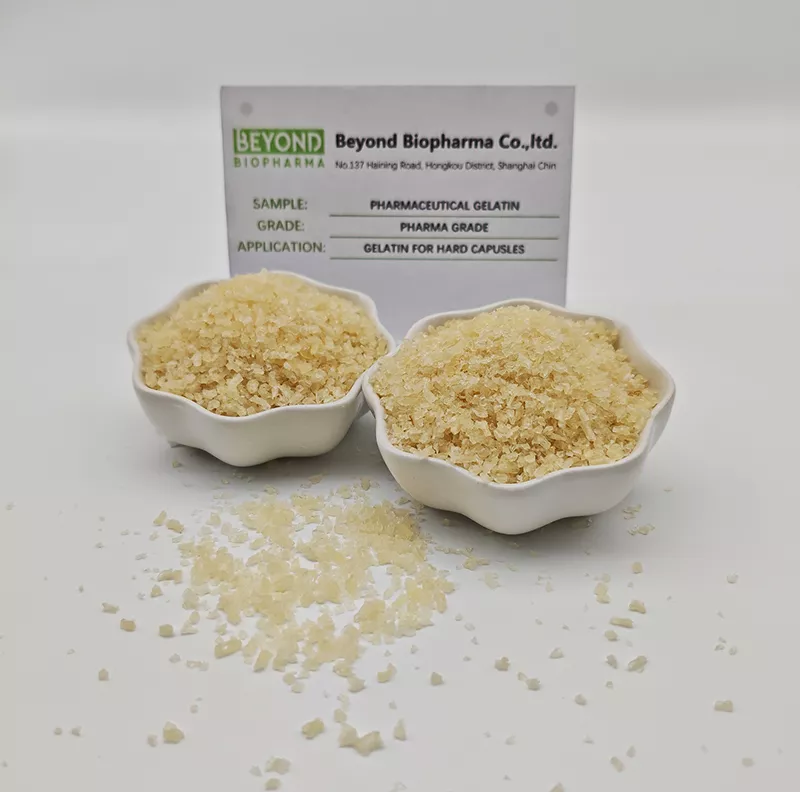
Once your gelatin is bloomed, the next step is to gently warm it to dissolve the granules. You can do this by placing the bowl over a pot of simmering water (double boiler method) or microwaving it in short bursts of 5 to 10 seconds. Stir until the mixture becomes clear and liquid. Then, incorporate it into your base mixture. For cold recipes like mousse or chiffon pies, temper the gelatin by adding a small amount of your base to the dissolved gelatin first, then slowly pour it back into the rest of the mixture. This prevents the gelatin from seizing into strings when it hits a cold ingredient.
One frequent issue is using water that is too hot, which can weaken the gelatin's setting ability. Always heat just until dissolved, not boiling. Another mistake is adding gelatin to acidic fruits like pineapple, kiwi, or papaya without cooking them first. These fruits contain enzymes that break down gelatin and prevent setting. If you want to use fresh pineapple, boil it for a few minutes to deactivate the enzymes. For recipes that won't set, you can reheat the mixture, add more bloomed gelatin, and chill again. Remember that gelatin sets slowly—allow at least 4 hours in the refrigerator, or overnight for best results.
Always measure your gelatin accurately. Too much can make your dessert rubbery, while too little leads to a weak set. Use a kitchen scale for precision if possible. Also, consider the bloom strength—Knox gelatin typically has a bloom of around 225, which is considered high. This means it sets firmly and quickly. For softer gels, use less gelatin per cup of liquid. And never freeze gelatin-based desserts, as freezing destroys the gel structure and causes weeping when thawed. Store your gelatin powder in a cool, dry place, and check the expiration date—old gelatin loses its setting power.
Beyond basic jello, Knox gelatin can be used to create layered desserts, homemade fruit snacks, and even savory terrines. Try making a classic panna cotta by blooming gelatin in milk, then heating it with cream, sugar, and vanilla. For a healthier option, blend fruit puree with bloomed gelatin to make low-sugar gummies. You can also stabilize whipped cream by dissolving a small amount of gelatin into it—this helps the cream hold its shape for hours, perfect for piping on cakes. For savory dishes, use gelatin to clarify consommé or to bind a chicken liver pâté.
Can I substitute powdered gelatin for sheet gelatin? Yes, but the conversion is not always straightforward. One packet of Knox (7g) is roughly equivalent to 4 sheets of gold-strength gelatin. For best results, weigh your gelatin. Is Knox gelatin halal or kosher? Knox offers both halal and kosher certified options, so check the packaging if this is a concern. Can I use gelatin in hot liquids? Yes, but always bloom it first in cold water, then dissolve it in the hot liquid. Avoid adding it directly to boiling water, as this can cause clumping.
For more information on high-quality gelatin and collagen products, you can explore food-grade porcine gelatin for gummies and jellies or learn about high bloom gelatin for hard capsules for specialized applications.


We provide you with comprehensive foreign trade solutions to help enterprises achieve global development
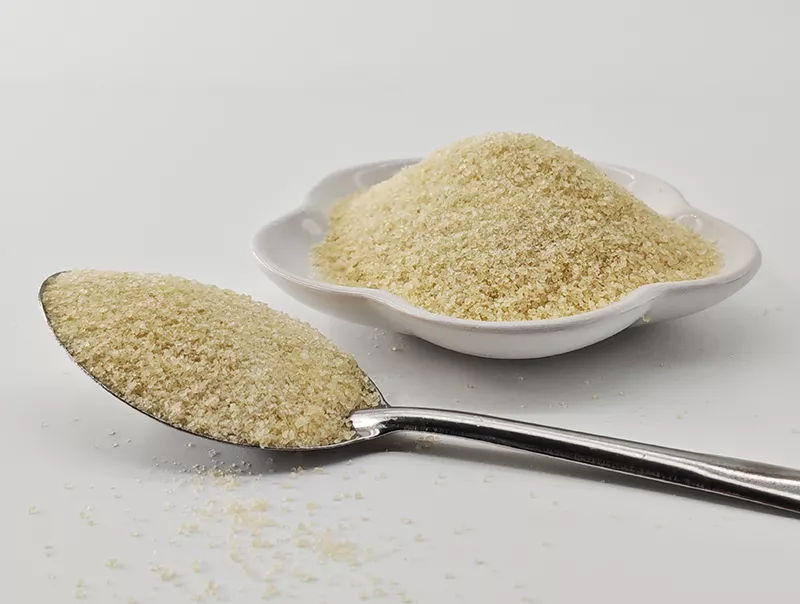
The High-Performance Barrier for Core Material Protection and Controlled Release.
Precision, Purity, and Optimal Machinability
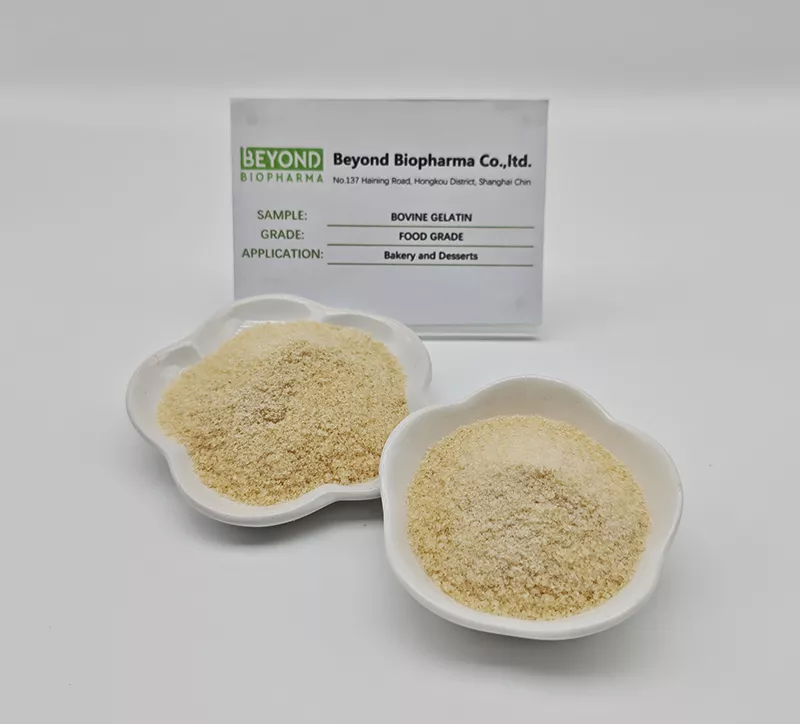
20 years experiences, 5000 ton/year capacity, Sustained supply with stable quality
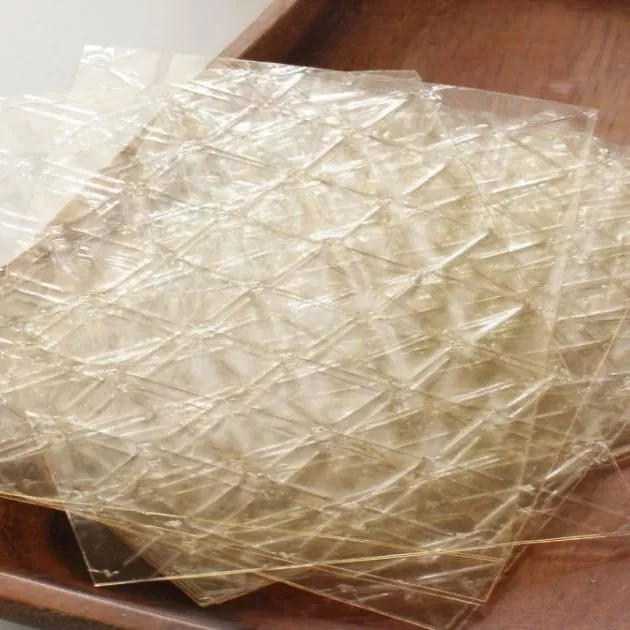
Our Gelatin Sheets are produced to precise standards, ensuring consistency and reliability across different Bloom grades (Silver being the most common professional choice).
Tel:+86 21 65010906
Cell/Whatsapp/Wechat:
+86 13482884055
+86 18657345785
Email: sales@beyondbiopharma.com