English EN


Discover 10 Surprising Ways to Use Bovine Gelatin Powder
Bovine gelatin powder enhances recipes, supports joint health, thickens desserts, and is vital in capsules, cosmetics, and more. See 10 creative uses now.
More
Many beloved dairy treats rely on gelatin for their signature texture and stability, often without consumers realizing it. From creamy yogurts to airy mousses, this protein plays a structural role that enhances mouthfeel and shelf life.
Single-serve yogurts and pudding cups often contain gelatin to prevent syneresis and maintain a smooth, spoonable consistency. The gelatin network traps water, ensuring a uniform texture from first bite to last. Check labels on popular brands—gelatin is frequently listed among the ingredients.
Learn about food-grade gelatin sourcesGelatin acts as a stabilizer in ice cream, reducing ice crystal formation and providing a creamier melt-in-the-mouth experience. It also helps maintain shape in frozen pops and bars. Without it, many frozen desserts would become icy and grainy over time.
Explore edible gelatin for dairy applicationsNo-bake cheesecakes and cream-based desserts depend on gelatin to set without heat. The gelatin provides the delicate sliceable structure while keeping the filling light and fluffy. Many commercial cheesecakes use gelatin to ensure consistency across batches.
See standardized gelatin sheets for dessertsGelatin stabilizes whipped cream and mousse, preventing collapse and extending shelf life. It allows these airy desserts to hold their shape for hours, whether piped onto cakes or served in cups. This hidden ingredient is key to the luxurious texture consumers expect.
Discover collagen alternatives for textureEven savory dairy products like cottage cheese and sour cream sometimes include gelatin to improve thickness and prevent separation. It helps maintain a uniform curd size in cottage cheese and gives sour cream a rich, clingy consistency that works well in dips and sauces.
Check halal and kosher gelatin optionsGelatin is the secret behind the signature bounce and melt-in-your-mouth chew of gummy bears, fruit snacks, and jelly candies. This protein derived from collagen creates a unique network that traps water, giving these treats their distinctive elasticity and satisfying resistance when bitten.
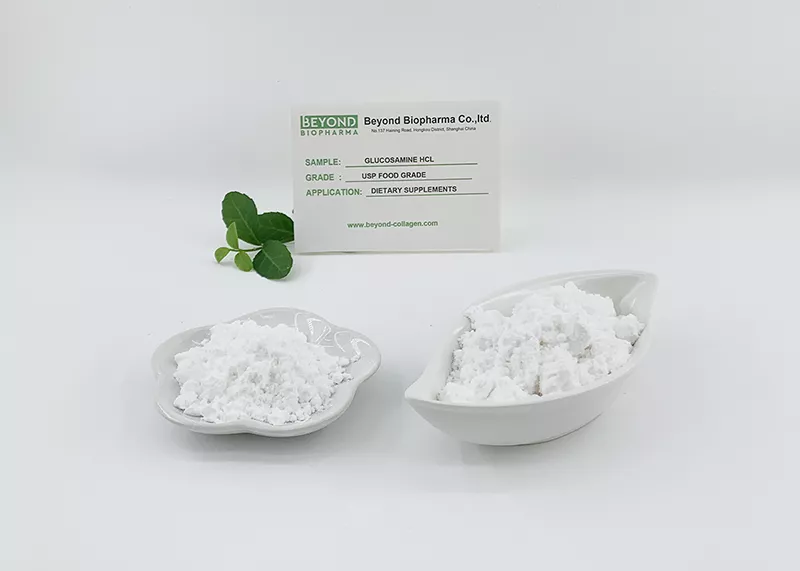
When heated with sugar and water, gelatin molecules unwind and then re-form into a flexible mesh as the mixture cools. This process locks in moisture and creates a stable gel structure that resists melting at room temperature but softens pleasantly on the tongue. The precise concentration of gelatin determines whether a candy is tender or extra chewy.
Gelatin's strength comes from its amino acid profile, rich in glycine and proline, which form triple helices that bond together. In gummy production, the gelation temperature and time are carefully controlled to achieve the perfect balance between firmness and flexibility. Too little gelatin results in a soft, sticky mess; too much creates a rubbery texture that is hard to bite.
This same transformative effect appears in marshmallows, fruit jellies, and even some yogurt coatings. Gelatin allows manufacturers to create confections with a smooth, non-grainy mouthfeel that holds its shape during packaging and storage. The ingredient also helps suspend fruit purees and flavors evenly throughout each piece.
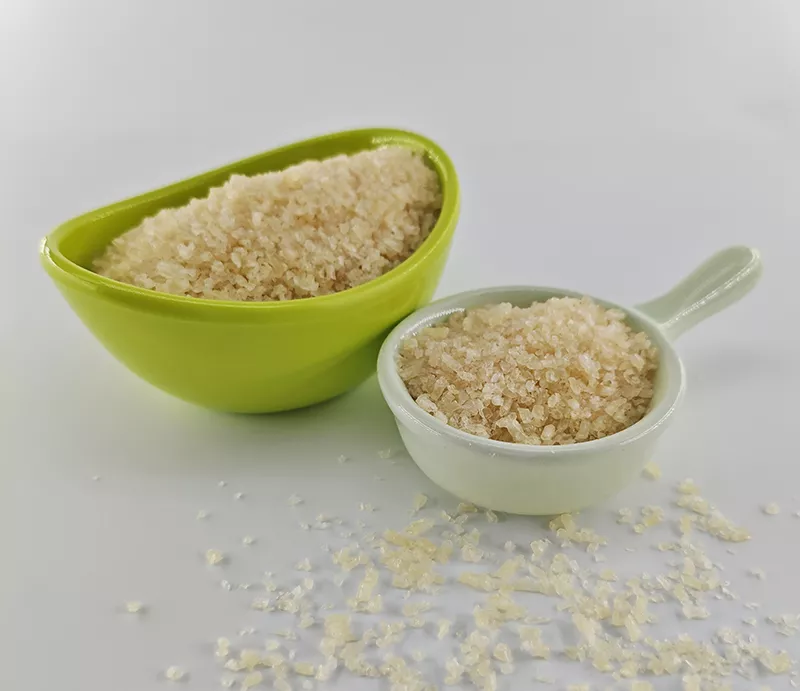
Understanding how gelatin interacts with other ingredients like corn syrup and citric acid is essential for candy chemists. The pH level and sugar concentration can alter the gel strength, making it possible to produce everything from soft jelly slices to firm wine gums. This versatility ensures gelatin remains a cornerstone of the confectionery industry.
Gelatin is not just for desserts; it plays a crucial role in many savory dishes you encounter daily. Its unique thickening and gelling properties enhance texture without altering flavor.
From broths to canned meats, gelatin is a hidden ingredient that provides body and stability. Below is a simple overview of some everyday savory items that depend on gelatin.
| Food Item | Role of Gelatin | Typical Use |
|---|---|---|
| Canned Soups | Provides body and smooth texture | Cream of mushroom, chicken noodle |
| Gravy Mixes | Thickens without lumps | Brown gravy, turkey gravy |
| Canned Meats | Binds ingredients together | Spam, potted meat |
| Broth & Stock | Adds richness and gelatinous texture | Bone broth, beef stock |
| Sauces & Glazes | Creates a glossy, thick finish | Teriyaki, demi-glace |
The table above highlights how gelatin silently supports the structure of many savory foods, from everyday canned soups to rich broths and sauces. Its ability to thicken without altering taste makes it a versatile ingredient in both home cooking and industrial food production.
Gelatin is derived from collagen and forms a thermo-reversible gel. When heated, it dissolves; when cooled, it sets. This property allows it to thicken liquids at low temperatures, making it ideal for delicate sauces and chilled savory terrines. Unlike starch, it provides a clean mouthfeel without cloudiness.
For more information on food-grade gelatin sources, you can explore this product page. Additionally, if you are looking for clean-label alternatives, check out this halal and kosher verified fish gelatin.
Many everyday processed meats and canned products contain gelatin as a hidden ingredient. It is often used as a thickener, stabilizer, or to improve texture. Here is a closer look at where gelatin commonly appears.

In processed meats like sausages, hot dogs, and luncheon meats, gelatin helps bind ingredients together and retain moisture. It also contributes to the firm, sliceable texture that many consumers expect. Canned meats, such as ham or corned beef, often include gelatin to maintain shape and prevent separation during storage.
Canned soups and stews frequently use gelatin as a clarifying agent or to add body to broths. Gelatin can also be found in canned vegetables and fruits, where it acts as a gelling agent in syrups or sauces. Even canned beans sometimes contain gelatin to improve mouthfeel.
For those monitoring their diet, it is important to check ingredient labels. Gelatin may appear under names like "gelatin," "hydrolyzed collagen," or "animal protein." Being aware of its presence helps in making informed food choices.
Learn more about food-grade gelatin applications and sourcing from trusted suppliers.
Many commercial frostings and glazes rely on gelatin to achieve a smooth, stable texture that holds up at room temperature. This protein-based ingredient prevents separation and provides a glossy finish.
In bakery glazes, gelatin acts as a gelling agent that creates a thin, even coating without becoming brittle. It also helps the glaze adhere to pastries and donuts without dripping excessively.
For cream-based frostings, gelatin stabilizes the emulsion between fats and water, keeping the frosting light and spreadable for days. This is especially common in dairy-free and vegan alternatives that lack natural stabilizers.
Manufacturers often choose gelatin over synthetic stabilizers because it provides a clean label and a neutral flavor profile. The result is a product that looks appealing and maintains its quality from production to consumption.
The Hidden Role of Gelatin in Your Favorite Dairy Desserts — Gelatin provides the smooth, creamy set in yogurts, panna cotta, and mousses, often without altering flavor.
How Gelatin Transforms the Texture of Chewy Candies and Gummies — It creates the signature springy, elastic bite in gummy bears, marshmallows, and fruit chews through its protein network.
Unexpected Savory Foods That Rely on Gelatin for Thickening — Soups, consommés, and aspics achieve their body and richness from gelatin, adding depth without dairy or flour.
The Presence of Gelatin in Processed Meats and Canned Goods — Gelatin binds moisture and improves sliceability in luncheon meats, ham, and canned chicken or fish products.
Gelatin as a Common Stabilizer in Frostings and Glazes — It prevents crystallization and ensures a glossy, stable finish on cakes, donuts, and pastries.
From creamy desserts to savory thickeners and processed staples, gelatin is an invisible yet essential ingredient that shapes texture and stability across countless everyday foods.


We provide you with comprehensive foreign trade solutions to help enterprises achieve global development
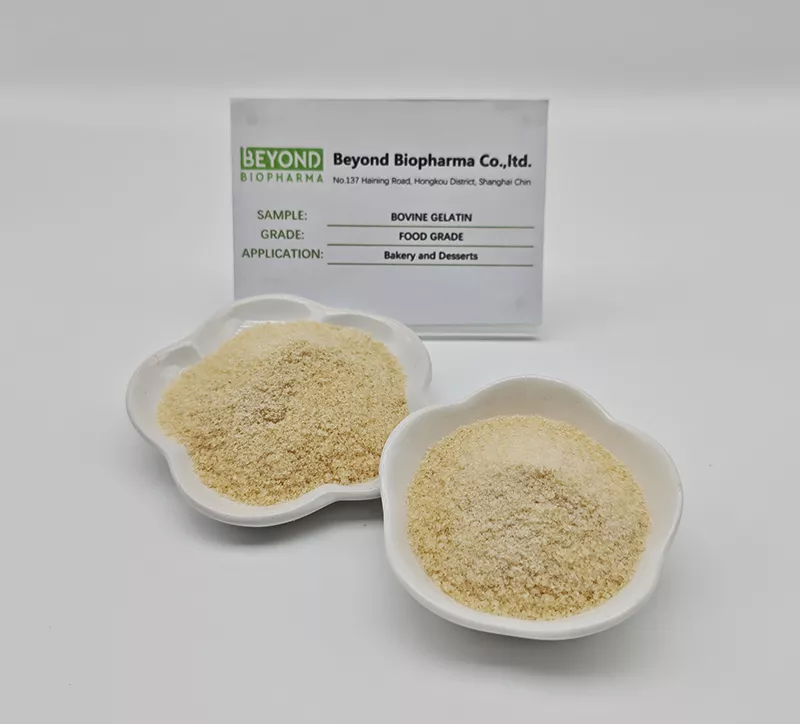
20 years experiences, 5000 ton/year capacity, Sustained supply with stable quality
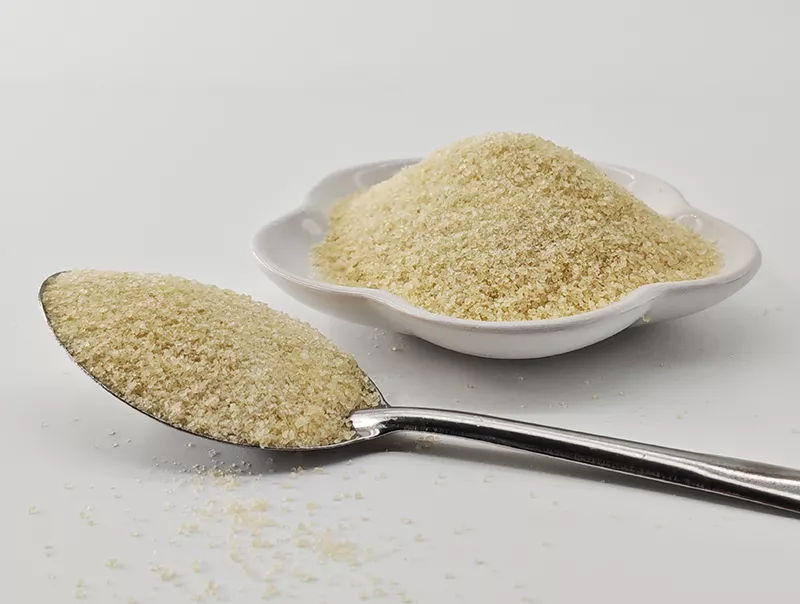
The High-Performance Barrier for Core Material Protection and Controlled Release.
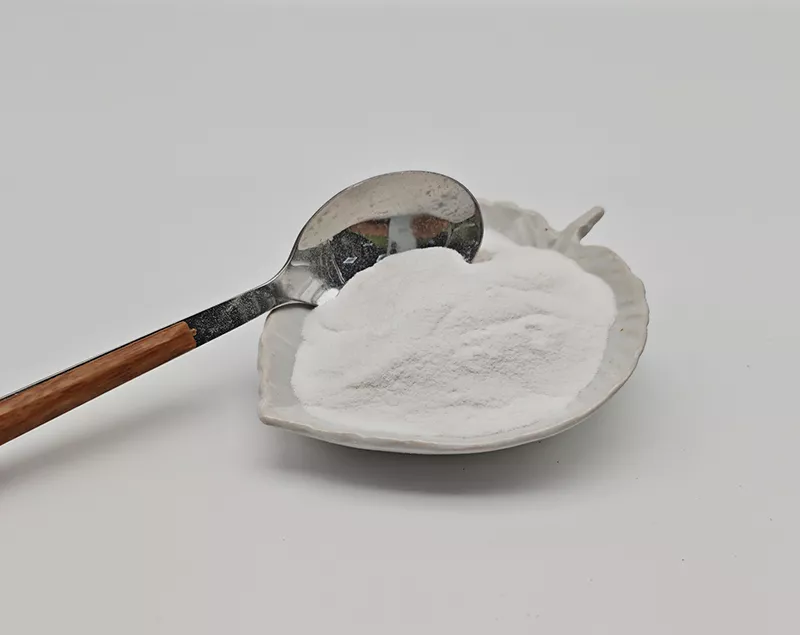
Fish Gelatin for foods is increasingly recognized as the premium alternative to traditional mammalian sources, meeting the growing global demand for clean-label ingredients that align with diverse dietary and religious requirements. Derived from the skin and scales of fish like cod and tilapia, fish gelatin offers unique functional benefits that make it an exceptional gelling, stabilizing, and texturizing agent.
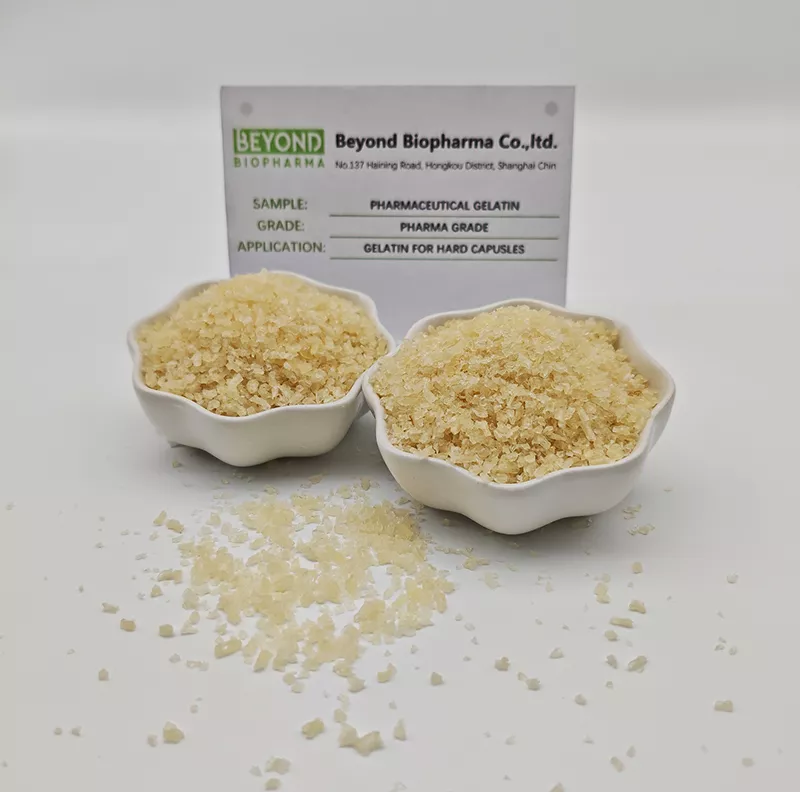
Precision, Purity, and Optimal Machinability
Tel:+86 21 65010906
Cell/Whatsapp/Wechat:
+86 13482884055
+86 18657345785
Email: sales@beyondbiopharma.com