English EN


How to Use Gelatin Powder? Applications of Gelatin Powder
Use gelatin powder by blooming it in cold water, dissolving gently, and adding to recipes for perfect texture in desserts, sauces, and supplements.
More
Gelatin is a versatile ingredient used in desserts, confections, and even savory dishes. It comes in two primary forms: sheets (also called leaf gelatin) and powder. While many recipes specify one form over the other, you can easily swap them if you know the correct conversion. The key is understanding that both forms have the same gelling power by weight, but their handling differs slightly.
The standard conversion is simple: one sheet of gelatin (typically 2 grams per sheet, common in many brands) equals about 1 teaspoon of powdered gelatin (which weighs roughly 3 grams). However, sheet sizes vary by manufacturer, so always check the weight on the package. For example, a "gold" sheet might weigh 2 grams, while a "platinum" sheet could be 1.7 grams. To avoid guesswork, use a kitchen scale for accuracy.
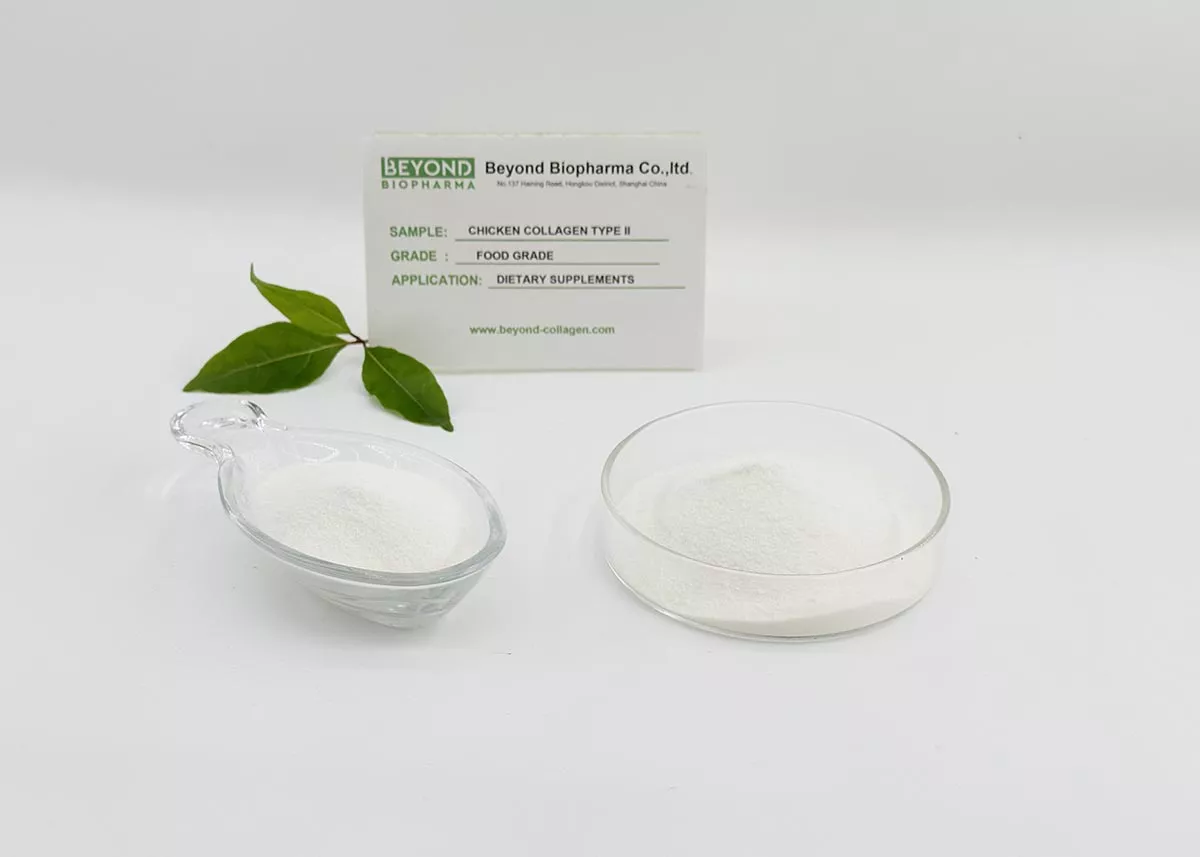
To convert sheets to powder, start by blooming the gelatin. For sheets, soak them in cold water for 5 to 10 minutes until soft, then squeeze out excess water. For powder, sprinkle it over cold water (use about 2 tablespoons of water per teaspoon of powder) and let it sit for 5 minutes. Once bloomed, both forms are melted gently over low heat or in a microwave, and then added to your recipe.
One common mistake is assuming the volume of powder directly matches the number of sheets. Because sheet gelatin has a different density, always rely on weight rather than piece count. For instance, if a recipe calls for 4 sheets (8 grams total), use 8 grams of powdered gelatin, which is about 2 and 2/3 teaspoons. This weight-based approach eliminates errors.
Another practical tip: if you are working with a recipe that requires precise setting, such as panna cotta or mousse, test the gel strength first. Powdered gelatin can sometimes produce a slightly firmer texture if over-measured, so err on the side of using slightly less powder when in doubt. Many professional kitchens recommend a 1:1 weight swap for consistent results.
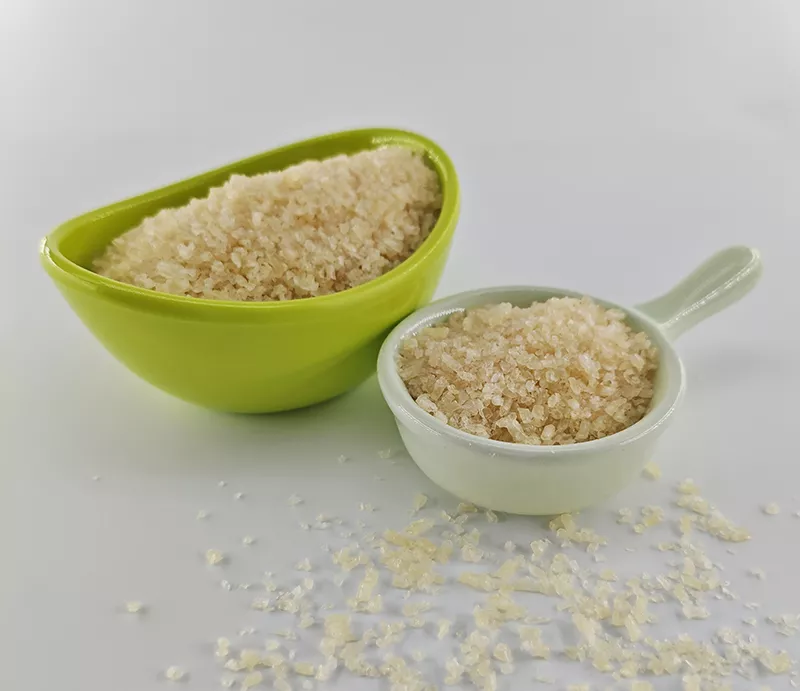
For those who frequently switch between forms, consider keeping a conversion chart handy. Here is a quick reference based on common sheet weights:
Remember that water temperature matters. Always use cold water for blooming, as warm water can cause the gelatin to dissolve unevenly or lose its setting power. After blooming, melt the gelatin gently — do not boil it, as high heat can break down the protein structure and weaken the gel.
If you are looking for high-quality gelatin for consistent results, consider using standardized gelatin sheets that offer uniform weight and reliable gelling power. For powdered options, hydrolyzed collagen type II powder is a great alternative for recipes that require easy dissolution without heating.
In summary, converting gelatin sheets to powder is all about measuring by weight, blooming correctly, and handling with care. With these steps, you can confidently adapt any recipe to your preferred form of gelatin, saving time and avoiding kitchen mishaps. Practice the conversion a couple of times, and it will become second nature.


We provide you with comprehensive foreign trade solutions to help enterprises achieve global development
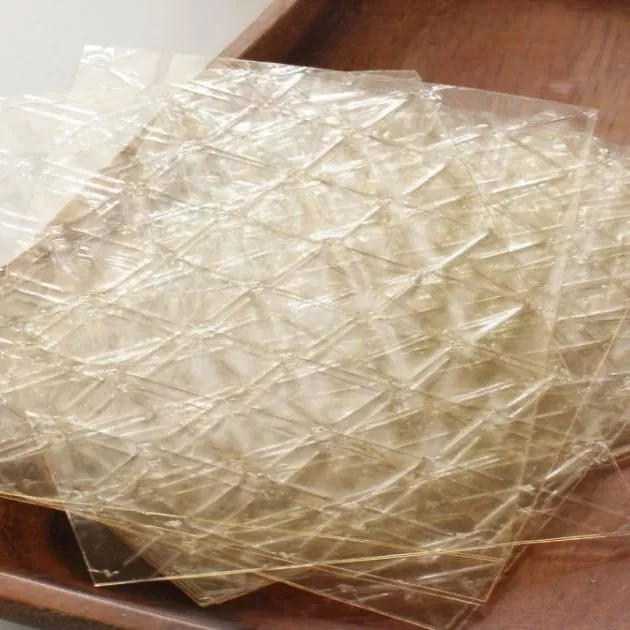
Our Gelatin Sheets are produced to precise standards, ensuring consistency and reliability across different Bloom grades (Silver being the most common professional choice).
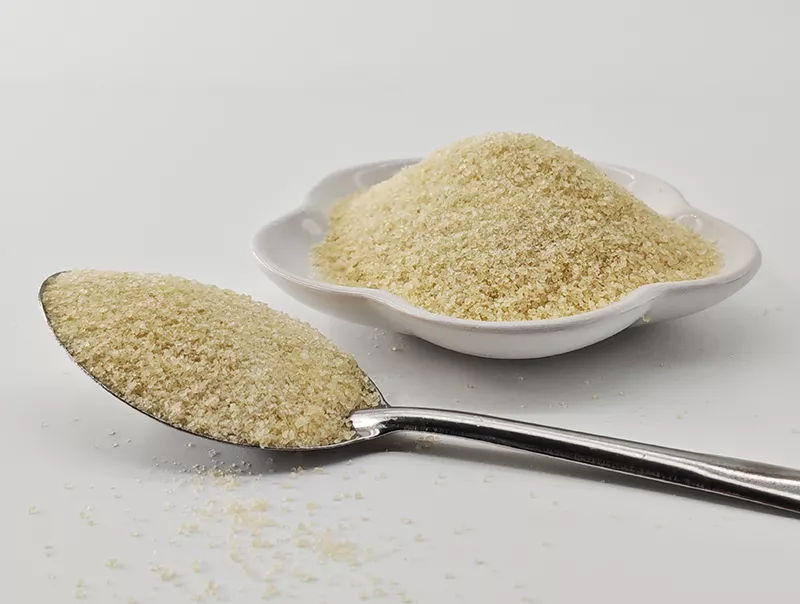
The High-Performance Barrier for Core Material Protection and Controlled Release.
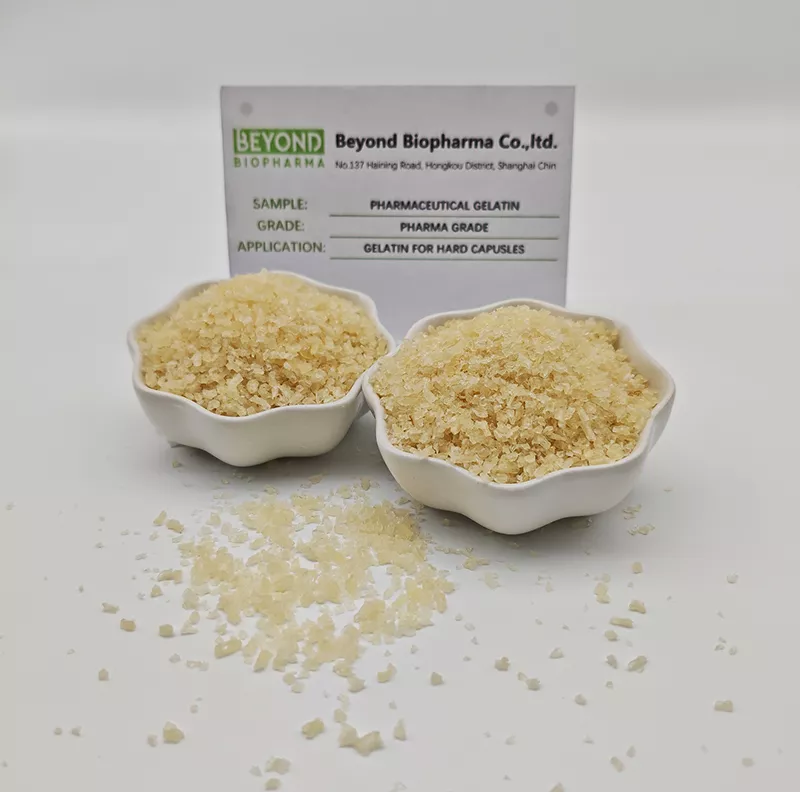
Precision, Purity, and Optimal Machinability
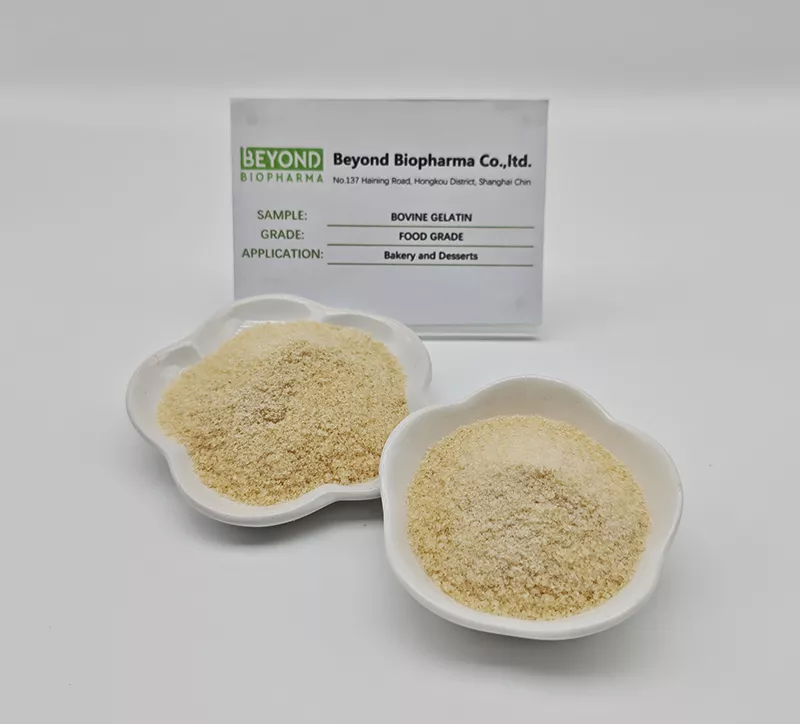
20 years experiences, 5000 ton/year capacity, Sustained supply with stable quality
Tel:+86 21 65010906
Cell/Whatsapp/Wechat:
+86 13482884055
+86 18657345785
Email: sales@beyondbiopharma.com