 English EN


How to Use Gelatin Powder? Applications of Gelatin Powder
Use gelatin powder by blooming it in cold water, dissolving gently, and adding to recipes for perfect texture in desserts, sauces, and supplements.
More
Switching between gelatin powder and sheets in your kitchen or lab doesn't have to be a guessing game. Whether you're perfecting a panna cotta, a gummy supplement, or a clear jelly, knowing the exact conversion ratio saves time and ensures consistent results every time. This guide breaks down the simple math and practical steps for converting gelatin powder to sheets, based on standard bloom strengths and real-world usage.
Gelatin comes in two primary forms: powder and sheet (also called leaf gelatin). Both are derived from collagen, typically from bovine or porcine sources, and both work as gelling agents. The key difference lies in their bloom strength, which measures the firmness of the gel. Standard powder gelatin usually has a bloom of around 200 to 250, while sheets commonly range from 160 to 250 bloom, depending on the brand and type (e.g., bronze, silver, gold, or platinum sheets). For most home and commercial recipes, a 200-bloom gelatin is the baseline.
When converting, the weight of gelatin matters more than the volume. One standard sheet of gelatin (often 2 to 3 grams per sheet) can be replaced by about 1 teaspoon of powdered gelatin (roughly 2.8 to 3 grams). However, because sheets dissolve differently and have a more uniform hydration, the conversion isn't always one-to-one by weight alone. The golden rule is: 1 sheet of gelatin (2.5g) equals approximately 1 teaspoon of powdered gelatin (2.8g), but you should always adjust based on the bloom strength of your specific product.
To convert gelatin powder to sheets, start by checking the bloom strength of your powder. If your powder is 200 bloom and your sheets are also 200 bloom, the conversion is straightforward: use the same weight. For example, if a recipe calls for 10 grams of powdered gelatin, you need 10 grams of sheet gelatin. If your sheets have a different bloom, use this formula: (powder bloom ÷ sheet bloom) × powder weight = sheet weight needed. For instance, if your powder is 250 bloom and your sheets are 160 bloom, you would need (250 ÷ 160) × 10g = 15.6g of sheets.
In practice, many cooks simplify this by using a standard ratio: 1 packet of powdered gelatin (about 7g) equals 3 sheets of gelatin (if each sheet is about 2.3g). This works well for most dessert recipes. For precise applications like pharmaceutical or supplement manufacturing, always weigh your gelatin on a digital scale and note the bloom value on the packaging. Beyond Biopharma's standardized gelatin sheets, for example, are tested for consistent bloom, making them reliable for repeatable results.
Hydration is a critical step that differs between the two forms. For powdered gelatin, you sprinkle it over cold water (about 4 to 5 times the weight of the powder) and let it bloom for 5 to 10 minutes. Then gently heat the mixture until the gelatin dissolves completely, never boiling. For sheet gelatin, you soak the sheets in a bowl of cold water for 5 to 10 minutes until they become soft and pliable. Then lift the sheets out, squeeze out excess water, and add them to your warm liquid, stirring until dissolved.
One common mistake is using too much water for sheets, which dilutes the gel strength. Always measure the liquid in your recipe carefully. If you're converting a powder recipe to sheets, reduce the water used for blooming by about 20%, because sheets absorb less water during hydration. For example, if a recipe calls for 10g of powder bloomed in 50g of water, use 10g of sheets bloomed in about 40g of water, then add the sheets directly to your main mixture.
Always store gelatin in a cool, dry place away from direct sunlight. Powdered gelatin can clump if exposed to humidity, while sheets can become brittle. If you're working with a recipe that requires a very clear gel, sheets are often preferred because they produce fewer bubbles and a more transparent finish. For applications like fruit jellies or mirror glazes, this clarity matters. On the other hand, powder is more convenient for dry blending or when you need to incorporate gelatin into a dry mix.
For commercial production, such as in nutraceutical or food manufacturing, consistency is key. Using a supplier like Beyond Biopharma ensures that each batch of gelatin sheets has a verified bloom strength and uniform weight. This eliminates the guesswork and allows you to scale recipes confidently. Always test a small batch first when switching forms, especially if your recipe involves acidic ingredients like citrus or vinegar, which can weaken the gel.
Let's look at a few real-world examples. If a dessert recipe asks for 4 sheets of gelatin (each 2.5g, total 10g) and you only have powder, use 10g of powdered gelatin (about 3.5 teaspoons). Bloom the powder in 40g of cold water, then proceed. Conversely, if a recipe calls for 2 teaspoons of powdered gelatin (about 5.6g), use 2 sheets of gelatin (if each sheet is 2.8g). For a firmer gel, like in a panna cotta, you might increase the gelatin by 10% when using sheets, as they sometimes produce a slightly softer set.
In pharmaceutical or supplement manufacturing, precision is non-negotiable. For example, if you're formulating a soft gel capsule or a gummy vitamin, the bloom strength directly affects the chewiness and stability. Using a standardized product like halal and kosher verified fish gelatin can simplify compliance while maintaining quality. Always document your conversion ratios and test the final product's texture before full-scale production.
Converting gelatin powder to sheets is a simple process once you understand the relationship between weight and bloom strength. Keep a digital scale handy, note the bloom values on your packaging, and always hydrate properly. Whether you're a home cook making a delicate jelly or a production manager scaling up a supplement line, these steps will help you achieve the perfect gel every time. Remember, the best results come from using high-quality, consistent ingredients and taking the time to measure accurately.


We provide you with comprehensive foreign trade solutions to help enterprises achieve global development
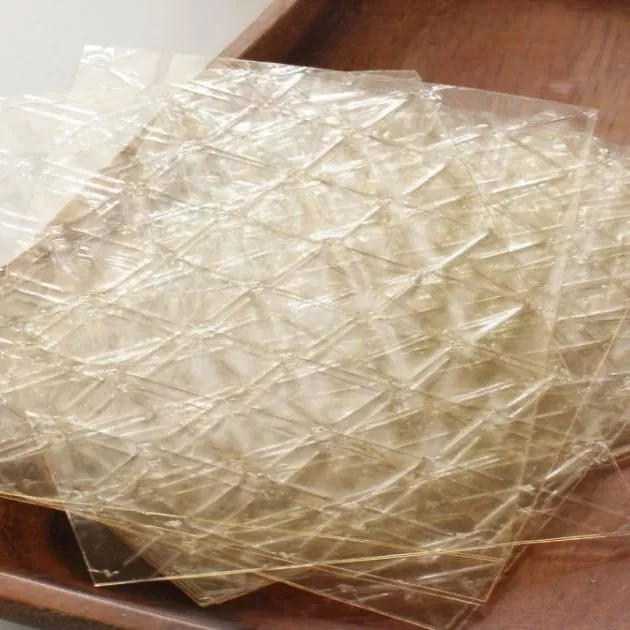
Our Gelatin Sheets are produced to precise standards, ensuring consistency and reliability across different Bloom grades (Silver being the most common professional choice).
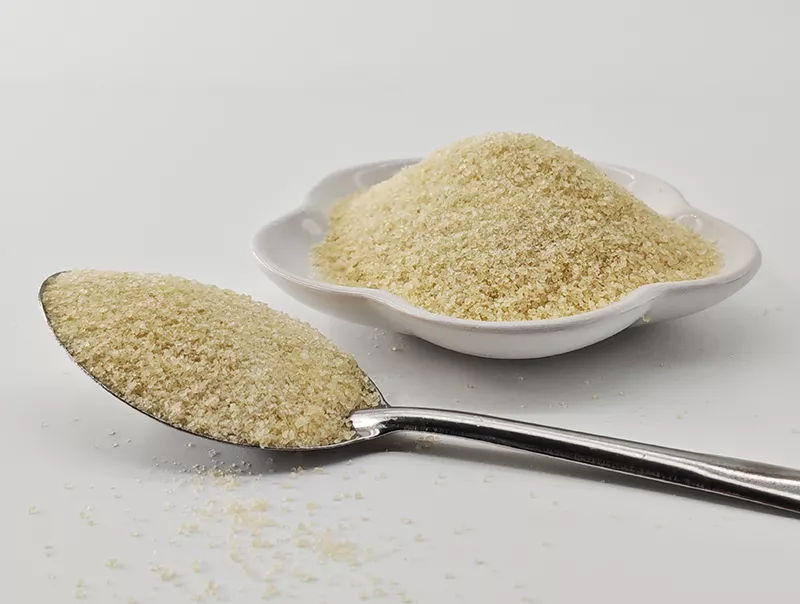
The High-Performance Barrier for Core Material Protection and Controlled Release.
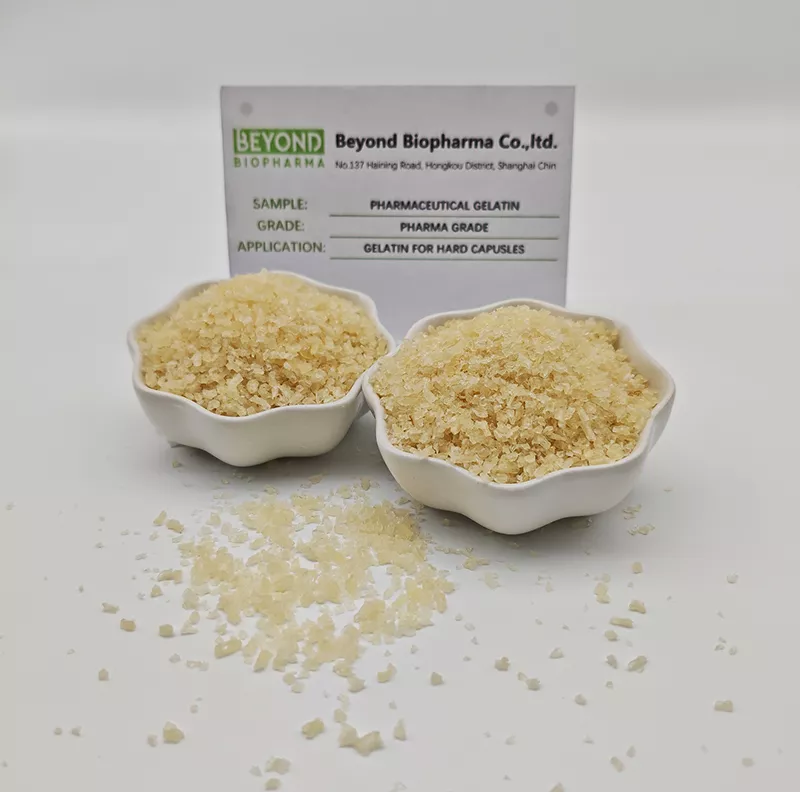
Precision, Purity, and Optimal Machinability
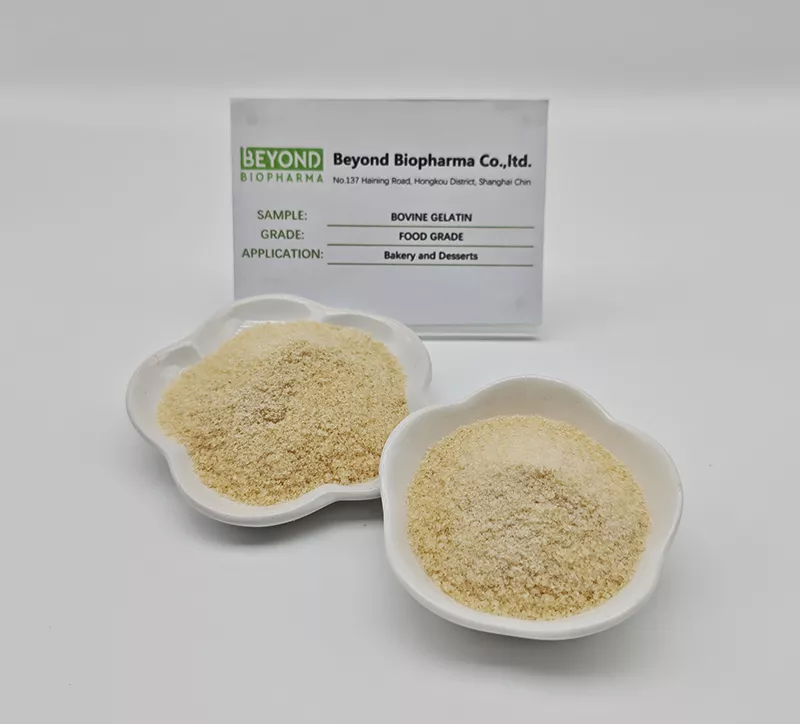
20 years experiences, 5000 ton/year capacity, Sustained supply with stable quality
Tel:+86 21 65010906
Cell/Whatsapp/Wechat:
+86 13482884055
+86 18657345785
Email: sales@beyondbiopharma.com




