English EN


Glucosamine HCL or Glucosamine Sulfate Which Should You Choose
Glucosamine HCL offers high purity and allergen-free benefits, while glucosamine sulfate is better supported for joint health and osteoarthritis.
More
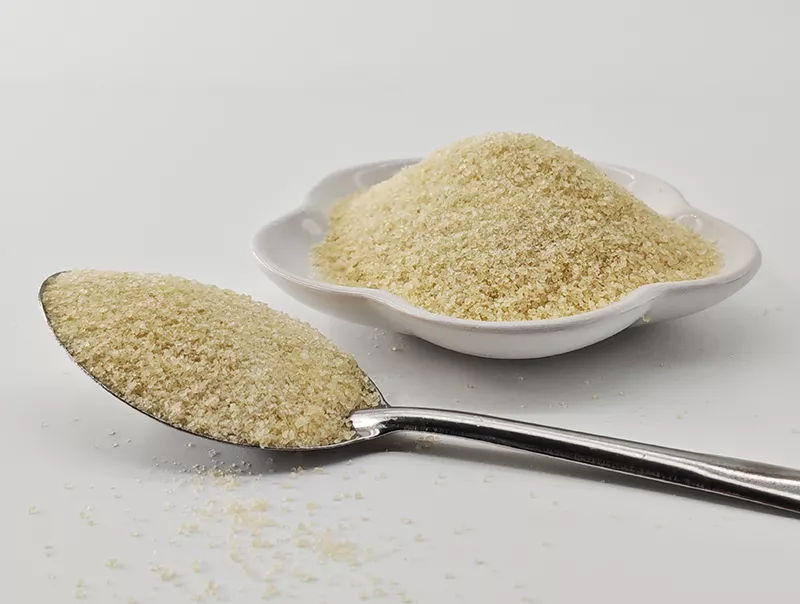
Glucosamine is a naturally occurring compound found in cartilage and joint fluid. It plays a role in building and repairing cartilage, which cushions joints. Many people turn to glucosamine supplements to manage osteoarthritis symptoms, especially in the knees. The two most common forms on the market are glucosamine sulfate and glucosamine hydrochloride. While they share a similar base, their chemical structures and how the body processes them are not identical.
Glucosamine sulfate is often combined with potassium or sodium chloride to form a stable salt. This form has been studied extensively in clinical trials. A 2016 meta-analysis published in BMC Musculoskeletal Disorders reviewed over 20 studies and found that glucosamine sulfate, particularly when taken at 1500 mg per day, showed modest but consistent benefits for knee osteoarthritis pain and function. The sulfate component is thought to help with cartilage synthesis because sulfur is a building block for glycosaminoglycans, which are essential for joint structure.
Glucosamine hydrochloride is a more concentrated form, containing about 83% glucosamine by weight compared to around 62% in the sulfate form. This means you get more glucosamine per milligram. However, most large-scale studies, including the well-known GAIT trial (Glucosamine/Chondroitin Arthritis Intervention Trial) funded by the NIH, found that glucosamine hydrochloride was not significantly better than placebo for reducing knee pain in the overall group. Only a small subgroup with moderate-to-severe pain saw some benefit. This has led many researchers to believe that the sulfate form may be more effective due to better absorption and the role of sulfur.
Absorption is another key difference. Glucosamine sulfate is typically more water-soluble and may be absorbed more readily in the gut. A pharmacokinetic study in 2012 showed that glucosamine sulfate reached higher peak plasma concentrations compared to an equivalent dose of hydrochloride. However, both forms are absorbed, and individual responses can vary. Some people tolerate one form better than the other, especially if they have sensitive stomachs.
When it comes to stability, glucosamine hydrochloride is more stable and less prone to moisture absorption, which makes it easier to formulate into tablets and capsules. Glucosamine sulfate, especially if not stabilized with salt, can degrade more quickly. Many manufacturers now use a stabilized version (like potassium glucosamine sulfate) to address this issue.
Cost and availability also play a role. Glucosamine hydrochloride is generally cheaper to produce, so you may find it in many budget-friendly supplements. But cheaper does not always mean better value if the clinical evidence is weaker. If you are looking for a product with more research backing, glucosamine sulfate is the form most often used in positive clinical trials.
It is also worth noting that many joint supplements combine glucosamine with undenatured collagen type II or other ingredients like chondroitin and MSM. These combinations may offer additional benefits, but the core question remains: which glucosamine form is right for you?
For most people, starting with glucosamine sulfate at 1500 mg per day is a reasonable choice based on the weight of clinical evidence. If you have a sensitivity to sulfates or prefer a more concentrated dose, glucosamine hydrochloride might be worth trying, but keep expectations realistic. It is always a good idea to give any supplement at least 8 to 12 weeks to see if it helps, and to consult with a healthcare professional before starting a new regimen.
Ultimately, the best choice depends on your personal health profile, budget, and how your body responds. Both forms are considered safe for most adults, with mild side effects like stomach upset or heartburn being the most common. Listening to your body and tracking your symptoms over time will give you the clearest answer.


We provide you with comprehensive foreign trade solutions to help enterprises achieve global development
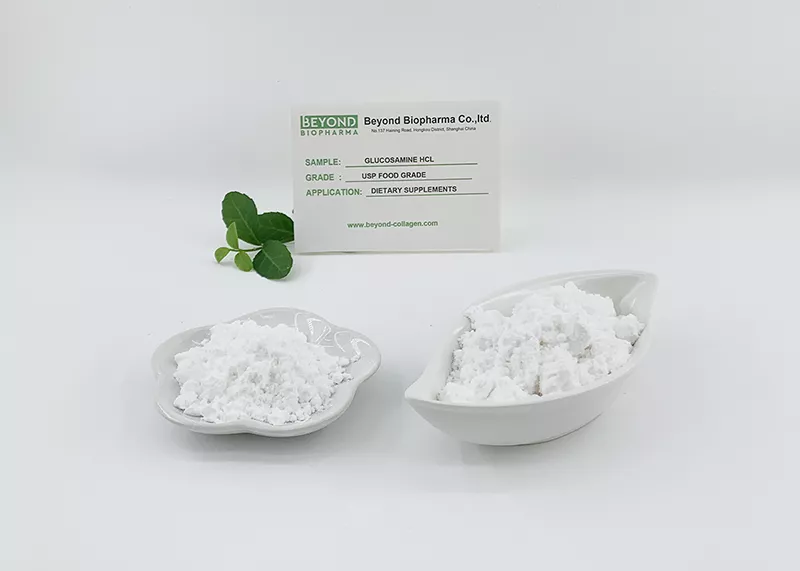
The Purest Plant-Based Joint Support Solution
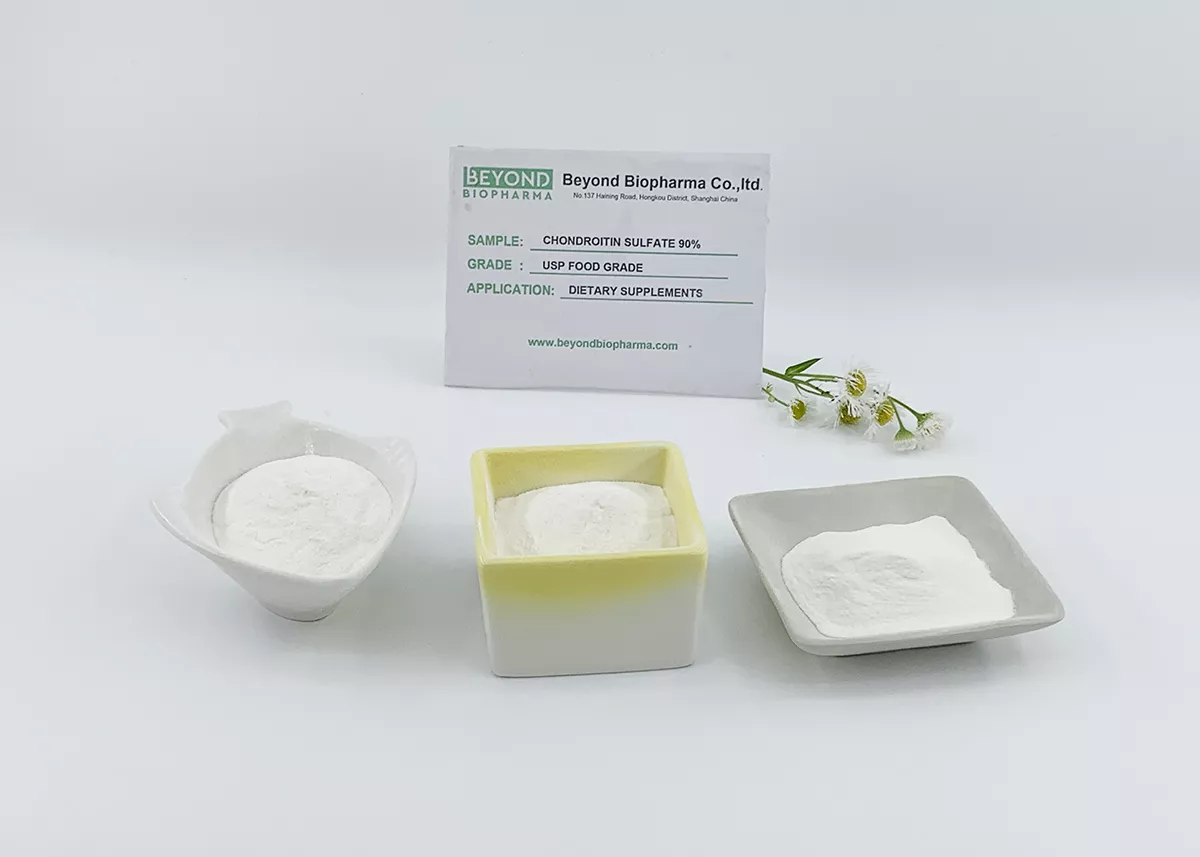
High Purity and Efficacy for Joint Health Formulations
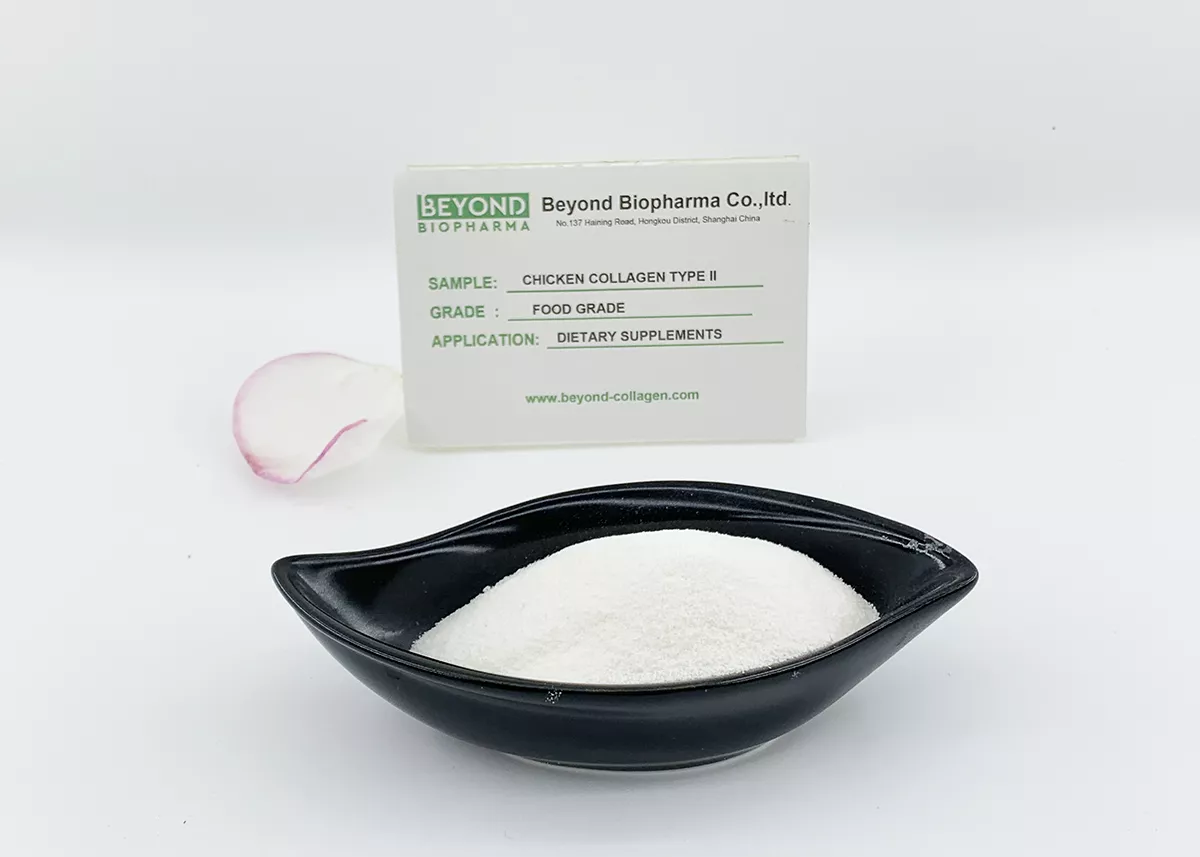
BEYOND BIOPHARMA is a specialized manufacturer of high-quality Undenatured Collagen Type II. Utilizing low-temperature, non-enzymatic extraction methods, our Undenatured Collagen Type II retains its native, triple-helix structure, essential for modulating the immune system's response to joint health and providing superior support for mobility, flexibility, and overall joint comfort.
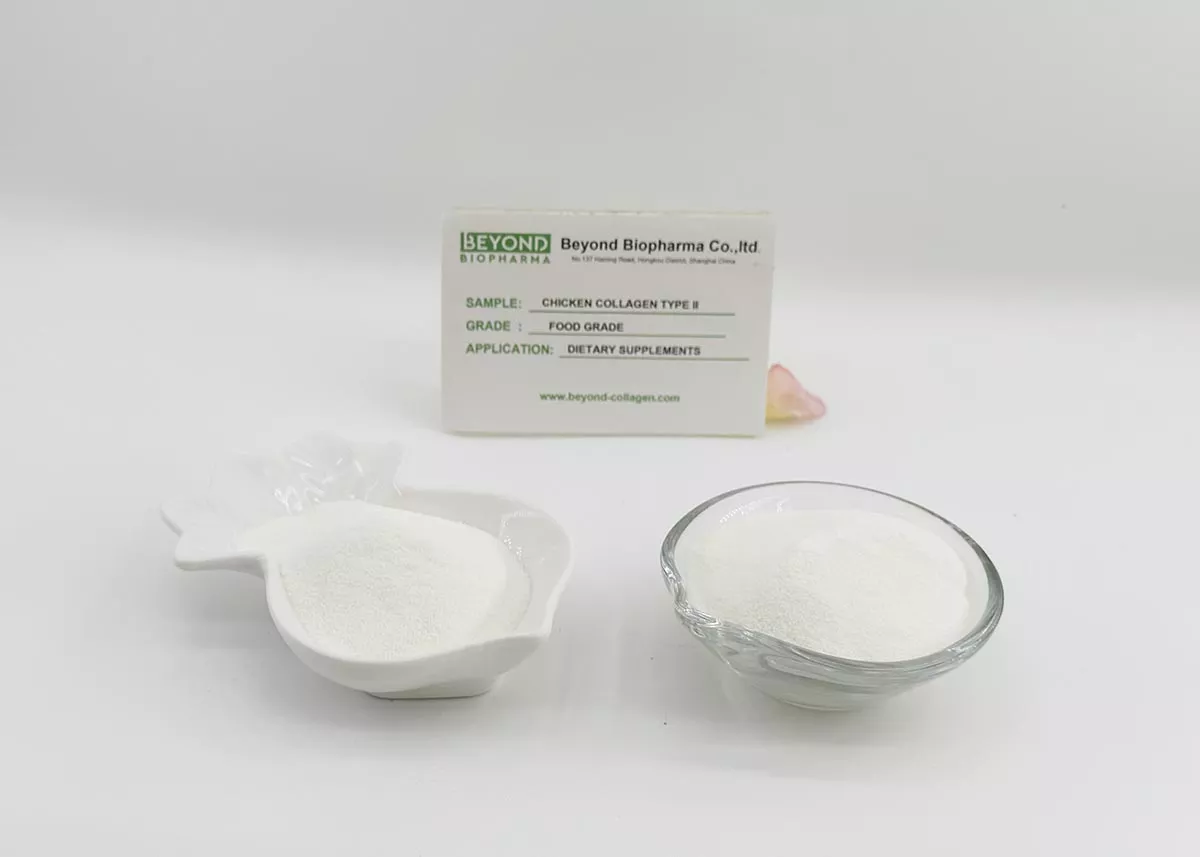
BEYOND BIOPHARMA is a specialized manufacturer of highly purified Hydrolyzed Collagen Type II. Through advanced enzymatic hydrolysis, we create low-molecular-weight collagen peptides that are highly bioavailable, offering foundational nutritional support for cartilage repair, joint function, and skin health. Our product is designed for rapid absorption and maximum efficacy in oral supplements.
Tel:+86 21 65010906
Cell/Whatsapp/Wechat:
+86 13482884055
+86 18657345785
Email: sales@beyondbiopharma.com