English EN


How to Use Gelatin Powder? Applications of Gelatin Powder
Use gelatin powder by blooming it in cold water, dissolving gently, and adding to recipes for perfect texture in desserts, sauces, and supplements.
More
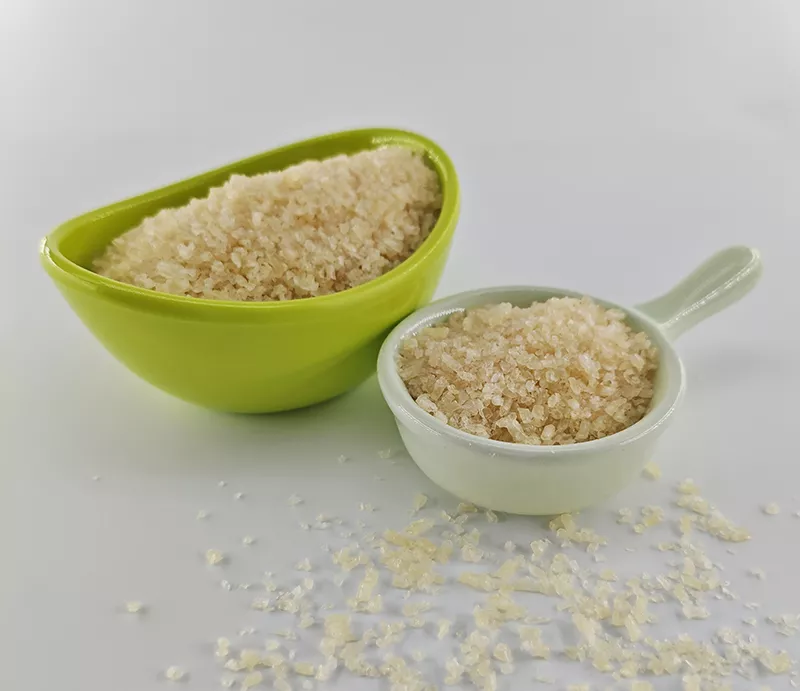
Gelatin comes in two main forms: sheets (also called leaf gelatin) and powder. Both are derived from animal collagen and serve the same purpose—thickening, gelling, or stabilizing liquids. However, they differ in texture, bloom strength, and how you prepare them. Sheet gelatin is prized for its clarity and gentle setting, while powdered gelatin is more common in home kitchens due to its availability and longer shelf life.
The key to a successful swap lies in the bloom strength. Most sheet gelatin is graded as bronze (160 bloom), silver (180 bloom), or gold (200 bloom). Powdered gelatin typically has a bloom strength of around 225. To get consistent results, you need to match the setting power, not just the weight.
For most recipes, the general rule is: 1 sheet of gold leaf gelatin (200 bloom) equals about 2 grams of powdered gelatin. However, because sheet sizes vary by brand, it's more reliable to think in terms of weight rather than sheet count. Here's a practical breakdown:
If your recipe calls for a specific number of sheets, weigh them first. Then use the same weight in powdered gelatin. This weight-based approach eliminates guesswork and ensures your mousse, panna cotta, or jelly sets perfectly every time.
Swapping forms is straightforward, but the preparation method differs. Sheet gelatin needs to be soaked in cold water until soft, then squeezed out and dissolved into warm liquid. Powdered gelatin must be bloomed in cold water first—typically using a 1:5 ratio of gelatin to water by weight—then gently heated to dissolve.
For example, if a recipe asks for 4 sheets of gold gelatin (about 8g), you would use 8g of powdered gelatin. Sprinkle the powder over 40g of cold water (5 times the weight), let it sit for 5 to 10 minutes until it becomes a spongy mass, then warm it gently until fully dissolved before adding to your mixture.
Not all recipes are created equal. Here are a few scenarios where you might need to tweak the conversion:
To get the best out of your gelatin, keep these pointers in mind:
Can I use powdered gelatin directly without blooming? No, blooming is essential to hydrate the gelatin granules evenly. Skipping this step can result in a lumpy or weak gel.
How long does gelatin take to set? Most gelatin-based desserts set within 4 to 6 hours in the refrigerator, but full firmness may take up to 12 hours.
Is there a vegetarian alternative? Agar-agar is a plant-based substitute, but it sets differently and requires a different conversion ratio—typically about 1 teaspoon of agar powder for every 2 teaspoons of powdered gelatin.
Can I store leftover bloomed gelatin? It's best to use it immediately. Once bloomed, gelatin should be dissolved and used within a few hours for optimal results.
Mastering the gelatin sheets to powder conversion opens up more flexibility in your cooking. Whether you're working with food-grade porcine gelatin for gummies and jellies or exploring other specialty options, knowing how to switch between forms ensures your recipes turn out as intended. Remember to always weigh your ingredients, bloom properly, and adjust for recipe-specific factors. With this guide, you'll never have to worry about a failed set again.


We provide you with comprehensive foreign trade solutions to help enterprises achieve global development
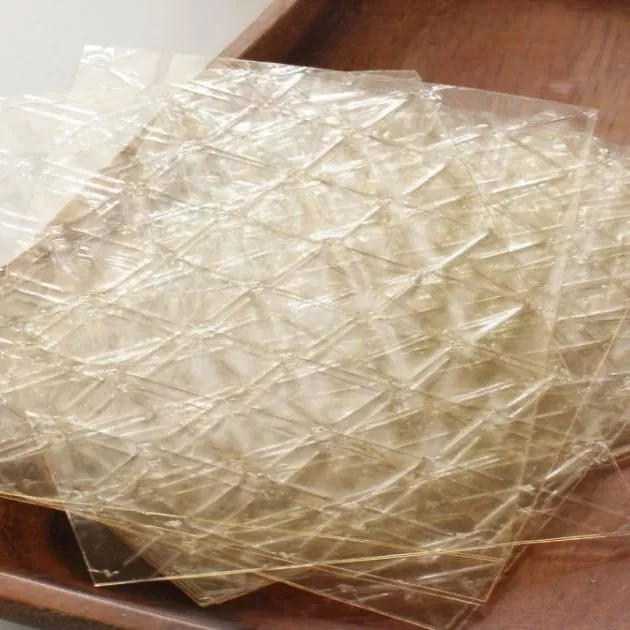
Our Gelatin Sheets are produced to precise standards, ensuring consistency and reliability across different Bloom grades (Silver being the most common professional choice).
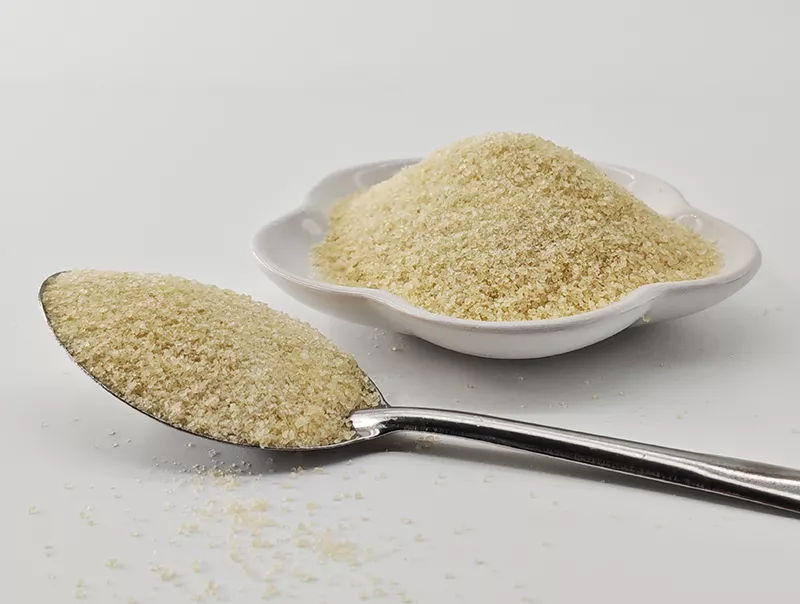
The High-Performance Barrier for Core Material Protection and Controlled Release.
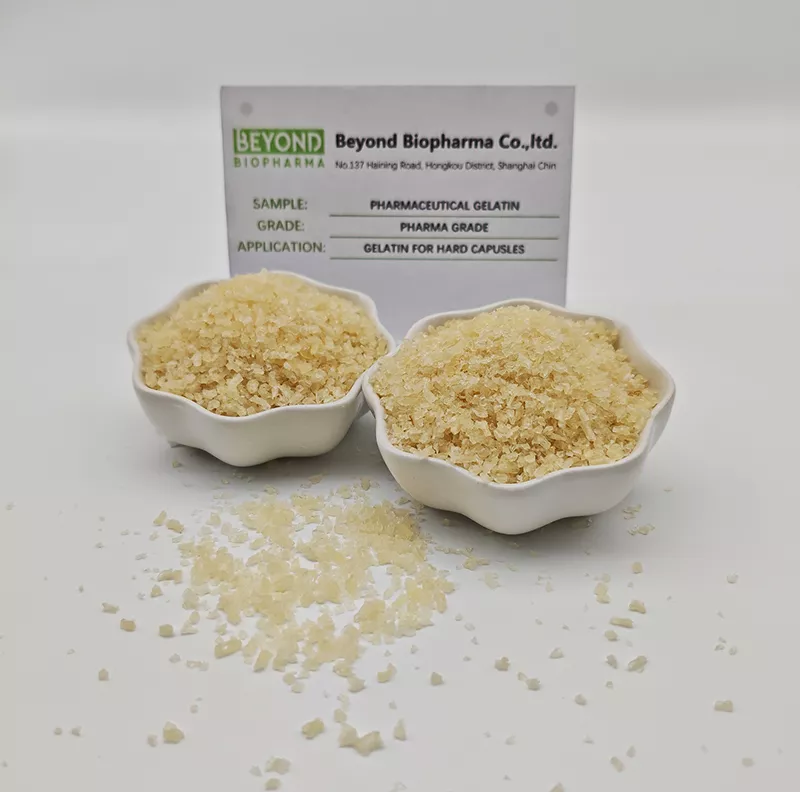
Precision, Purity, and Optimal Machinability
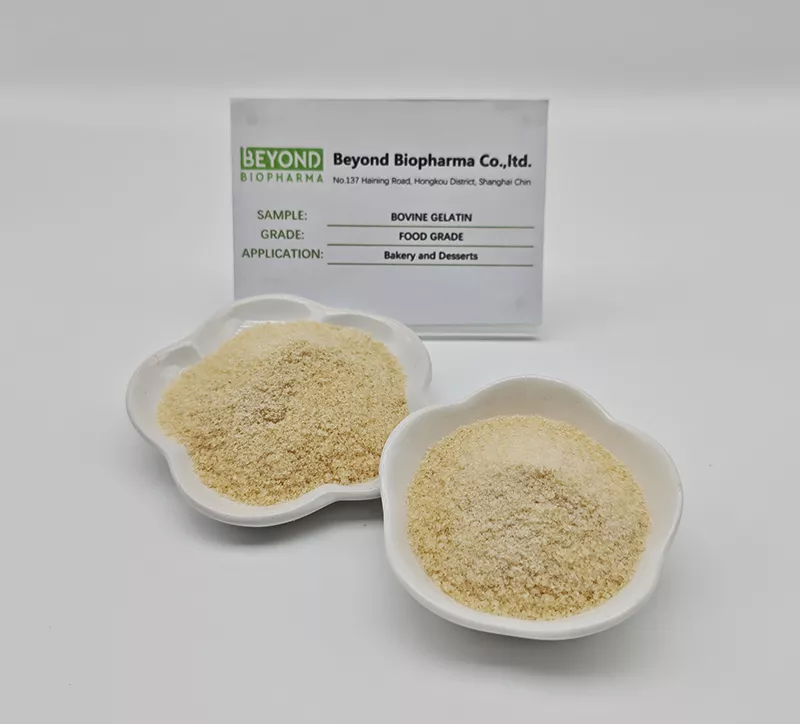
20 years experiences, 5000 ton/year capacity, Sustained supply with stable quality
Tel:+86 21 65010906
Cell/Whatsapp/Wechat:
+86 13482884055
+86 18657345785
Email: sales@beyondbiopharma.com