English EN


Fish Gelatin Powder or Beef and Pork Gelatin Which Is Right for You
Compare fish gelatin powder with beef and pork gelatin to find the best option for dietary needs, texture, and recipes, including kosher and halal diets.
More
Switching to a plant-based lifestyle doesn’t mean giving up the texture and functionality that gelatin provides. Whether you’re making gummies, thickening sauces, or crafting desserts, there are several vegan-friendly alternatives that work just as well. This guide walks through the most reliable substitutes, including agar-agar, carrageenan, and pectin, with practical tips for using them in everyday cooking.
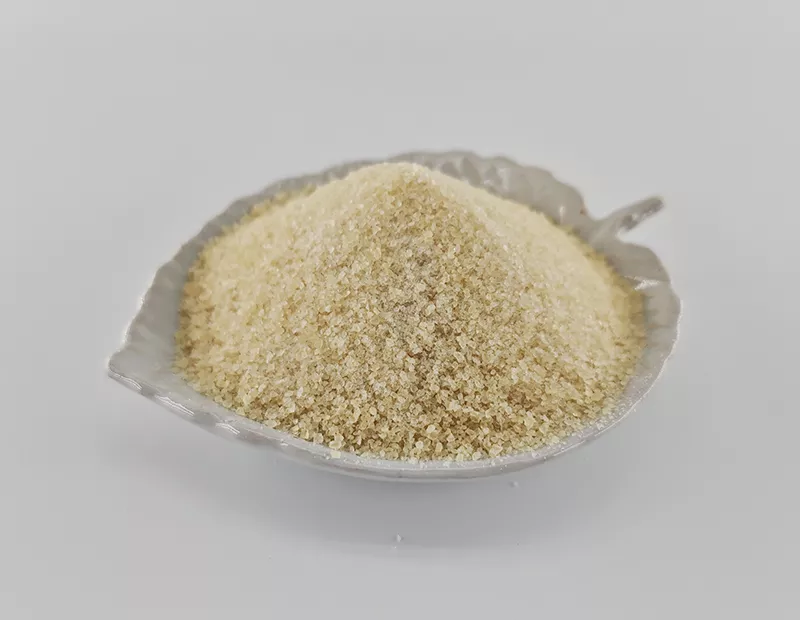
Traditional gelatin is derived from animal collagen, usually from bovine or porcine sources. For vegans, vegetarians, or those following certain dietary restrictions, this simply isn’t an option. Beyond ethical considerations, some people also avoid gelatin due to allergies or religious practices. Fortunately, plant-based alternatives have been used for centuries in various cuisines, and they offer comparable gelling, thickening, and stabilizing properties.
One of the most common reasons people seek out vegan gelatin is for homemade gummy candies, jellies, and puddings. But these substitutes also shine in savory applications like terrine, aspic, and even certain sauces. Understanding how each alternative behaves is key to getting the right texture.
Agar-agar, derived from red algae, is the most popular vegan gelatin substitute. It sets firmer than gelatin and works well in both sweet and savory dishes. Unlike gelatin, agar requires boiling to activate, and it sets at room temperature. Use about 1 tablespoon of agar flakes or 1 teaspoon of agar powder to replace 1 tablespoon of gelatin powder. Keep in mind that agar creates a more brittle gel, so it’s ideal for desserts that need to hold their shape, like panna cotta or jelly slices.
Carrageenan is extracted from Irish moss and other red seaweeds. It’s commonly used in commercial plant-based milks and ice creams for its thickening ability. For home use, carrageenan can replace gelatin in puddings, mousses, and custards. It produces a creamy, elastic gel, similar to gelatin. However, it requires careful temperature control—usually heating to around 80°C (176°F) and then cooling. Use about 1 teaspoon of carrageenan powder per cup of liquid, but adjust based on the desired firmness.
Pectin, found naturally in fruits like apples and citrus peels, is a great option for jams, jellies, and fruit-based gummies. It requires sugar and acid (like lemon juice) to set properly. For a gelatin-like texture in gummies, use a high-methoxyl pectin and follow the package instructions carefully. Pectin sets quickly and produces a soft, spreadable gel, so it’s not ideal for firm, sliceable desserts unless combined with other thickeners.
Kudzu root starch, also known as kuzu, is a traditional Japanese thickener. It creates a clear, glossy gel that works well in sauces, soups, and desserts. While it doesn’t set as firmly as agar, it provides a smooth, silky texture. Use about 1 tablespoon of kudzu powder mixed with cold water to thicken 1 cup of liquid. Heat gently until it thickens, but avoid boiling for too long as it can break down.
Xanthan gum is a microbial polysaccharide that works as a stabilizer and thickener. It’s excellent for creating creamy textures in sauces, dressings, and ice creams. However, it doesn’t form a true gel, so it’s not a direct replacement for gelatin in gummies or jellies. Use sparingly—about 1/4 teaspoon per cup of liquid—as too much can make the mixture slimy.
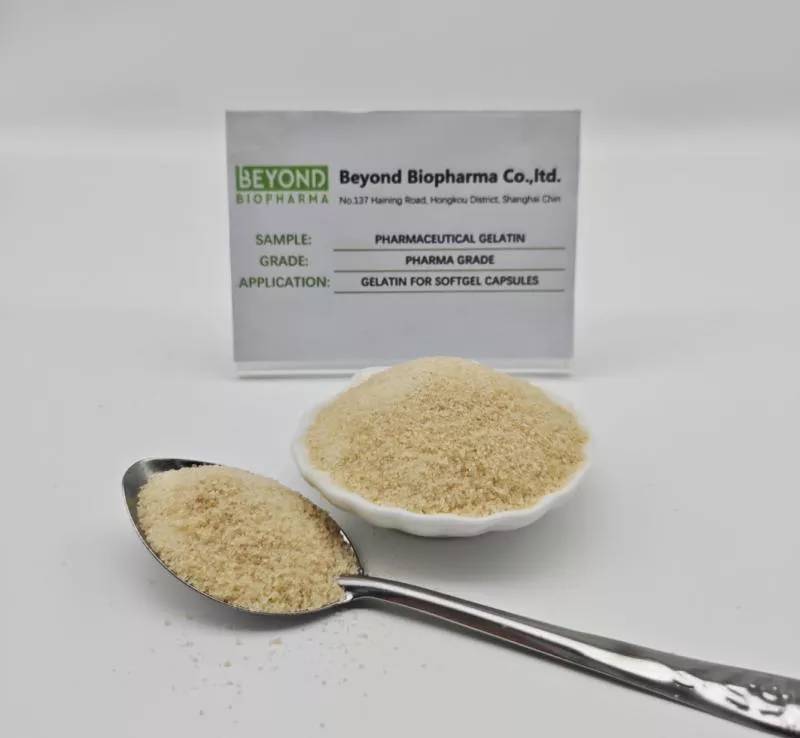
Swapping gelatin for a vegan alternative isn’t always a one-to-one replacement. Each substitute has its own activation method and texture profile. For example, if a recipe calls for gelatin to set a creamy dessert like a mousse, carrageenan or kudzu might be better choices because they create a softer, more elastic gel. For fruit jellies or gummies, agar-agar or pectin will give you that firm, snappy bite.
Always dissolve powders in cold water first to prevent clumping. For agar, bring the mixture to a full boil for 1-2 minutes to activate. For pectin, ensure there’s enough sugar and acid in the recipe. And remember that vegan substitutes often set faster than gelatin, so work quickly once the mixture is ready.
If you’re new to these ingredients, start with a small batch to test the texture. Many home cooks find that agar-agar is the easiest to work with for beginners, as it’s widely available and predictable. For more specialized applications, such as making softgels or micro-encapsulation, you might want to explore gelatin for micro-encapsulation or other tailored products, but for everyday vegan cooking, these plant-based options are more than sufficient.
Agar works well in most recipes that require a firm set, but it doesn’t melt in the mouth like gelatin. It’s best for desserts that are served cold or at room temperature. Avoid using it in recipes that need a creamy, melt-in-your-mouth texture.
Yes, food-grade carrageenan is approved by the FDA and EFSA for use in foods. However, some people with sensitive digestive systems may prefer to avoid it. Always choose high-quality, food-grade carrageenan from reputable sources.
Agar-agar is the top choice for vegan gummies. It sets firmly and holds up well at room temperature. For a chewier texture, combine agar with a small amount of carrageenan or pectin.


We provide you with comprehensive foreign trade solutions to help enterprises achieve global development
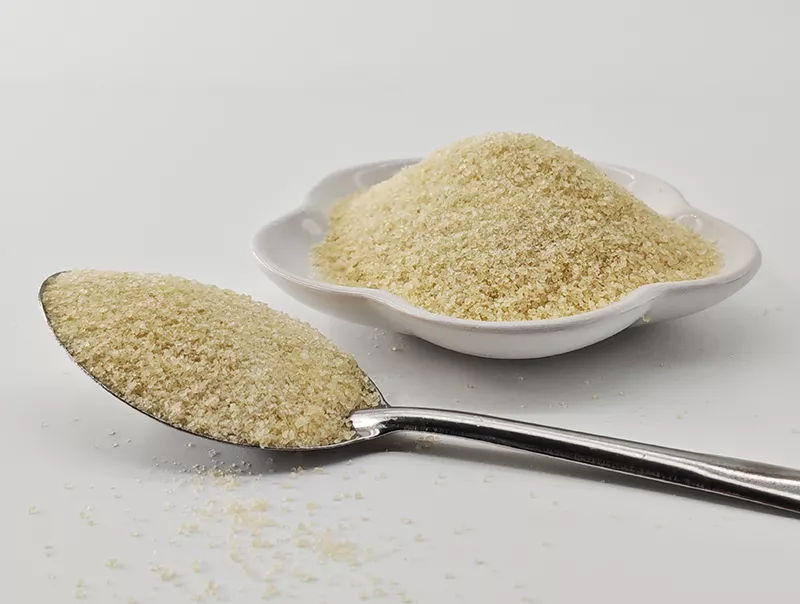
The High-Performance Barrier for Core Material Protection and Controlled Release.
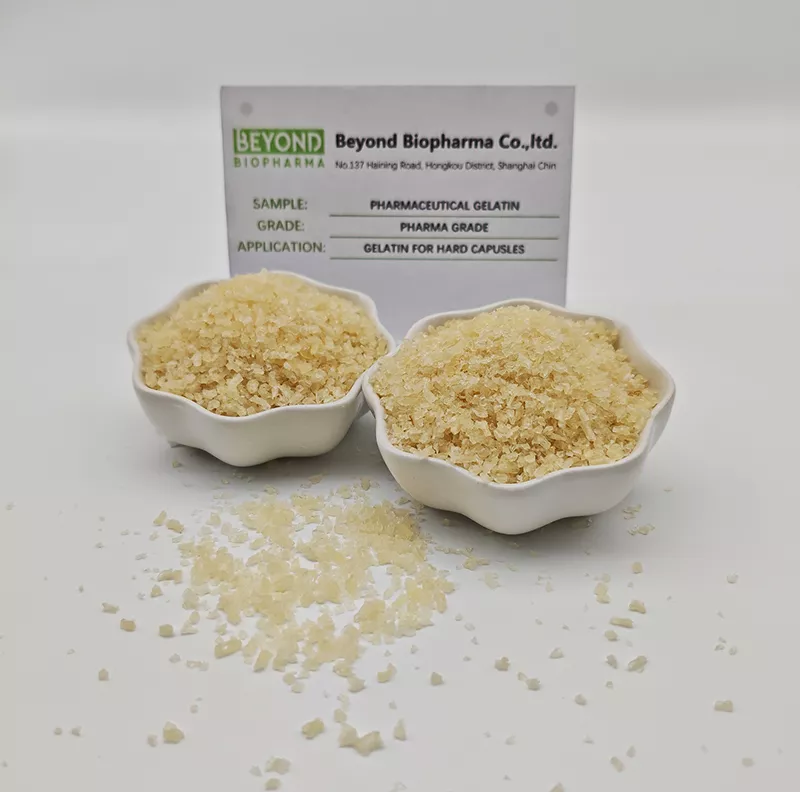
Precision, Purity, and Optimal Machinability
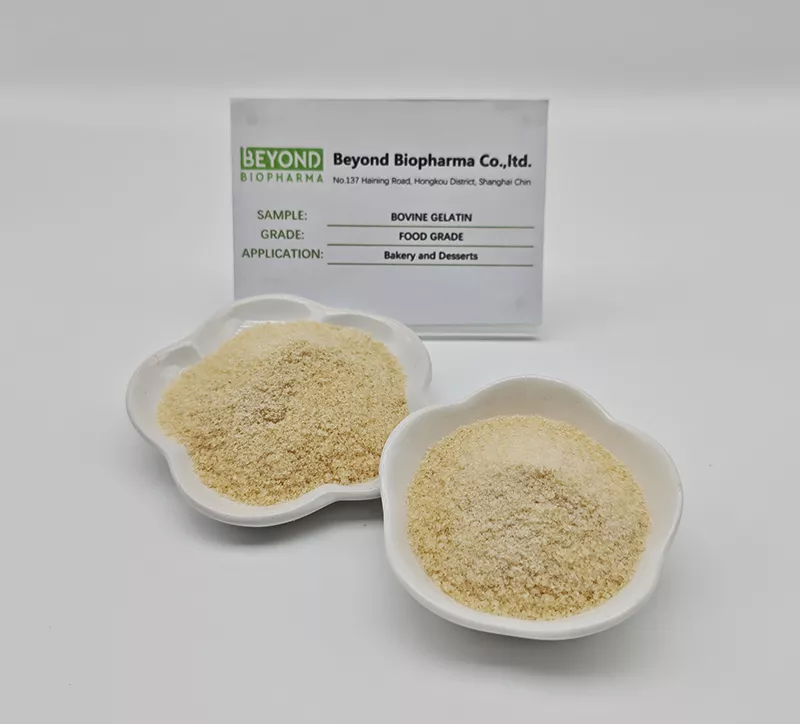
20 years experiences, 5000 ton/year capacity, Sustained supply with stable quality

Our Gelatin Sheets are produced to precise standards, ensuring consistency and reliability across different Bloom grades (Silver being the most common professional choice).
Tel:+86 21 65010906
Cell/Whatsapp/Wechat:
+86 13482884055
+86 18657345785
Email: sales@beyondbiopharma.com