English EN


Fish Gelatin Powder or Beef and Pork Gelatin Which Is Right for You
Compare fish gelatin powder with beef and pork gelatin to find the best option for dietary needs, texture, and recipes, including kosher and halal diets.
More
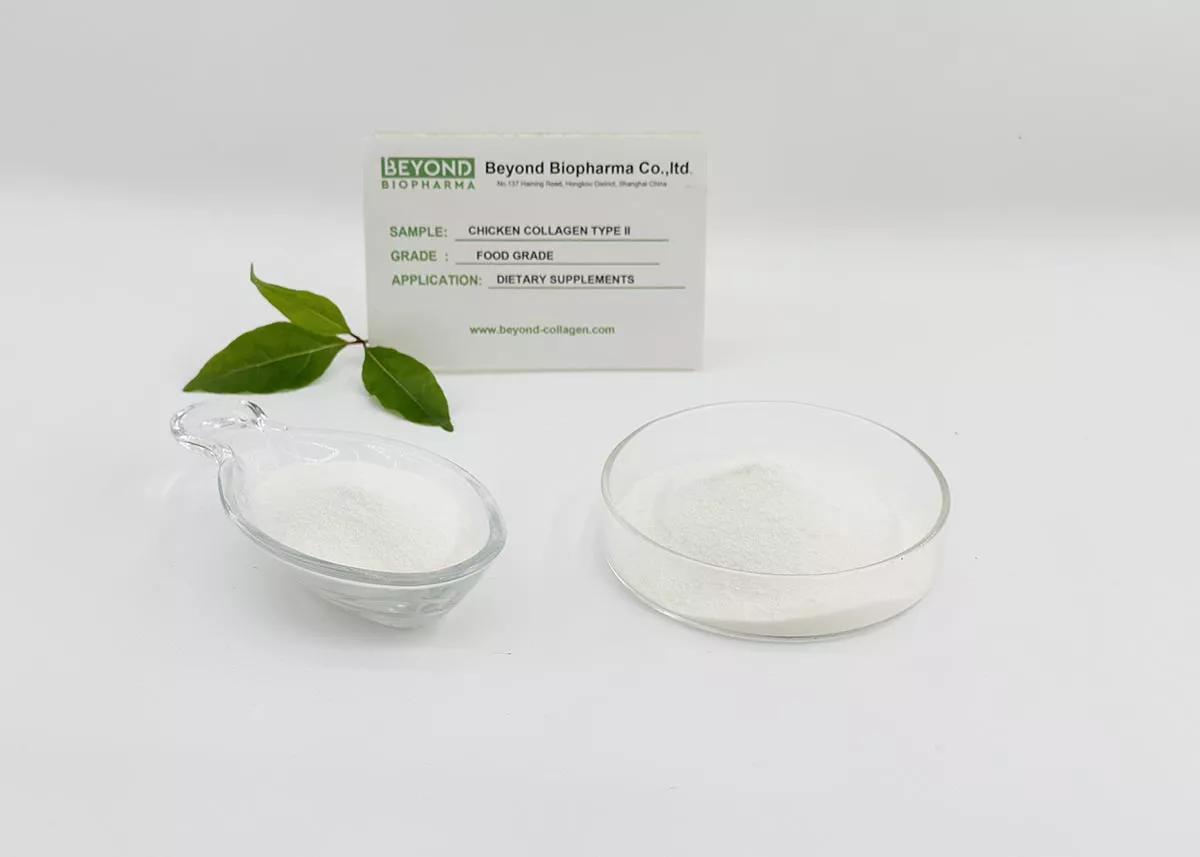
Traditional gelatin is derived from animal collagen, which means it is not suitable for vegans, vegetarians, or those following certain religious dietary laws. Many home cooks and professional chefs also seek alternatives due to allergies or a preference for plant-based ingredients. Fortunately, several natural gelling agents can mimic gelatin's unique ability to set liquids into a firm, bouncy texture.
Agar-agar is derived from red algae and is one of the most popular gelatin replacements. It sets at room temperature and creates a firmer, more brittle gel compared to gelatin. Use about 1 tablespoon of agar-agar flakes (or 1 teaspoon of powder) to replace 1 tablespoon of gelatin powder. Dissolve it in liquid by boiling for 2-3 minutes, then let it cool to set. It works well in jellies, panna cotta, and firm desserts.
Pectin is naturally found in fruits like apples and citrus peels. It is commonly used for jams and jellies but can also thicken sauces and desserts. For a gelatin-like set, use about 2 tablespoons of pectin powder per cup of liquid, combined with sugar and an acid (like lemon juice) to activate it. Pectin produces a softer, more spreadable gel than agar-agar.
Carrageenan is extracted from red seaweed and is often used in dairy-free products to create a creamy texture. It works best in recipes that require a softer, custard-like set, such as pudding or mousse. Use about 1 teaspoon of carrageenan powder per cup of liquid, and heat it to near boiling to activate. Note that it may not produce the same clarity as gelatin.
When replacing gelatin, keep in mind that each substitute has its own setting properties. Agar-agar sets quickly and does not require refrigeration, while pectin needs sugar and acid to gel. Carrageenan works well in cold preparations but can be sensitive to acidity. Always test a small batch first, and adjust the liquid ratio as needed. For recipes that call for blooming gelatin in cold water, agar-agar and pectin require boiling to dissolve fully.
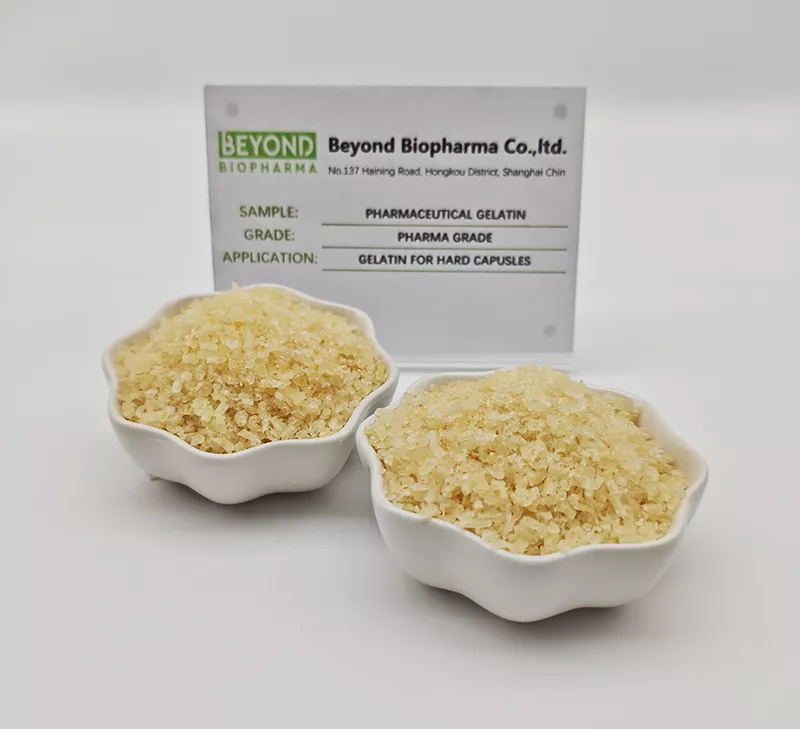
These substitutes work beautifully in a wide range of dishes. Agar-agar is ideal for vegan gummy candies, fruit jellies, and layered desserts. Pectin shines in homemade jams, fruit spreads, and no-bake cheesecakes. Carrageenan is a go-to for thickening plant-based milks, ice creams, and mousses. Each option brings its own texture, so choose based on the final consistency you want.
For more detailed guidance on using these ingredients in specific recipes, you can explore resources like edible gelatin applications or check out gummy and jelly formulations for inspiration. These references provide practical insights into how different gelling agents behave in real-world cooking.


We provide you with comprehensive foreign trade solutions to help enterprises achieve global development
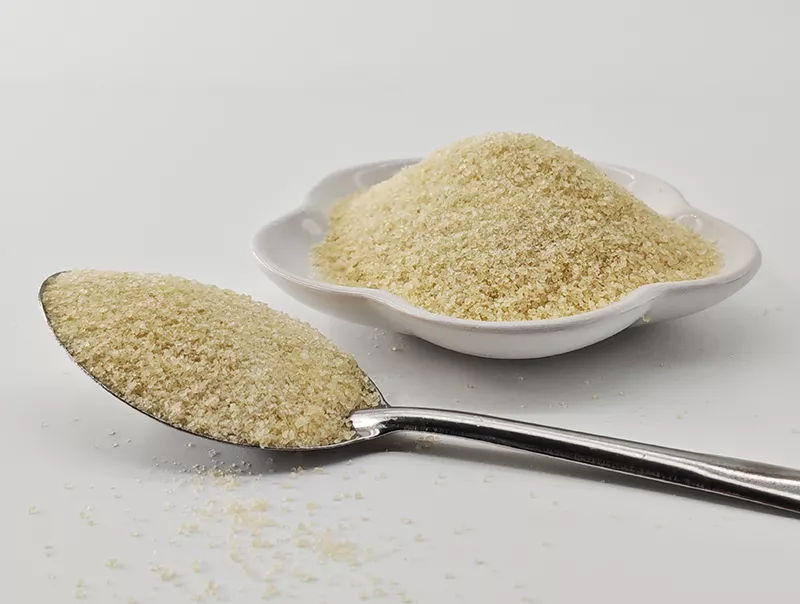
The High-Performance Barrier for Core Material Protection and Controlled Release.
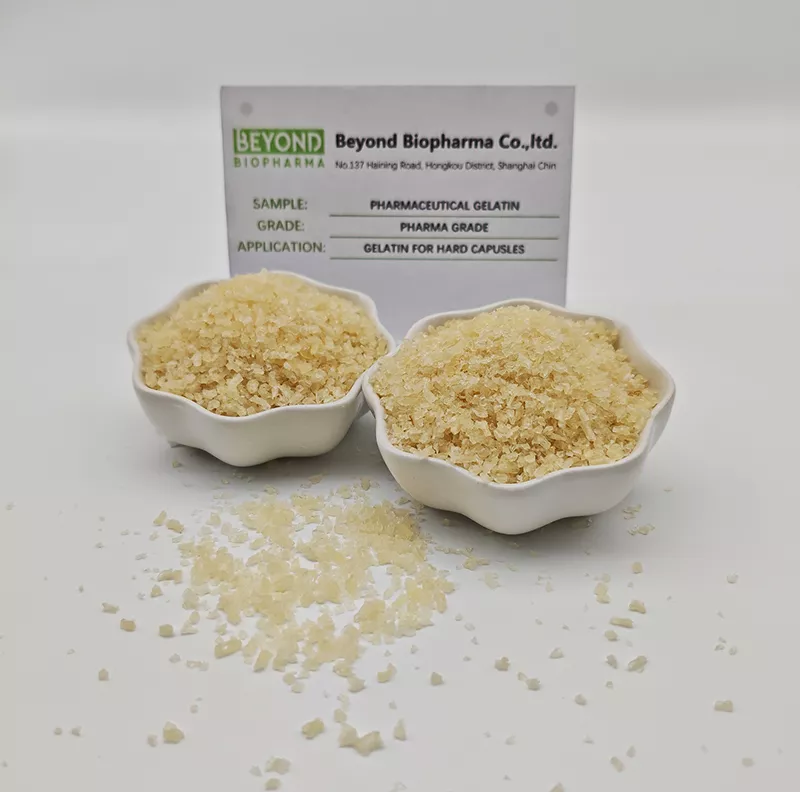
Precision, Purity, and Optimal Machinability
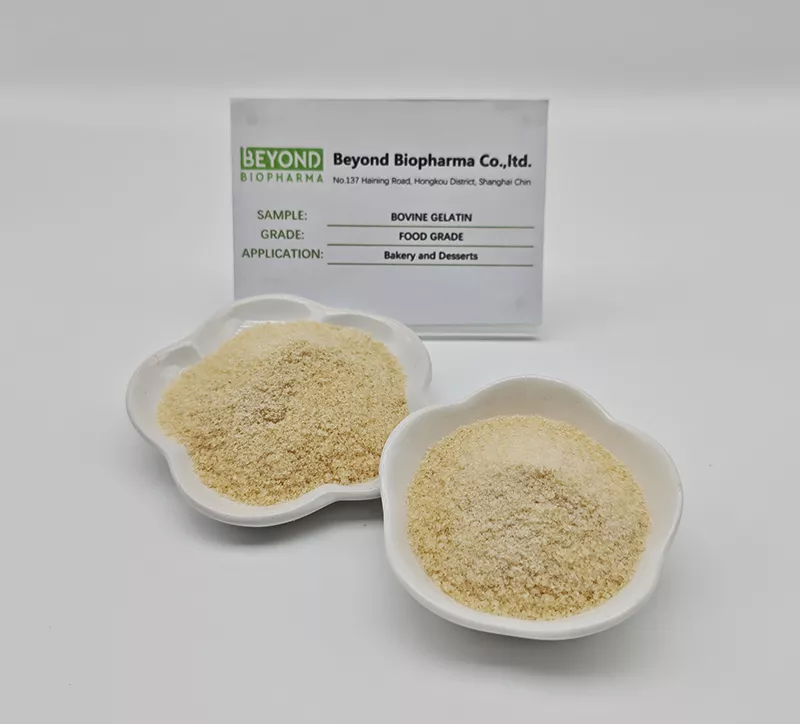
20 years experiences, 5000 ton/year capacity, Sustained supply with stable quality
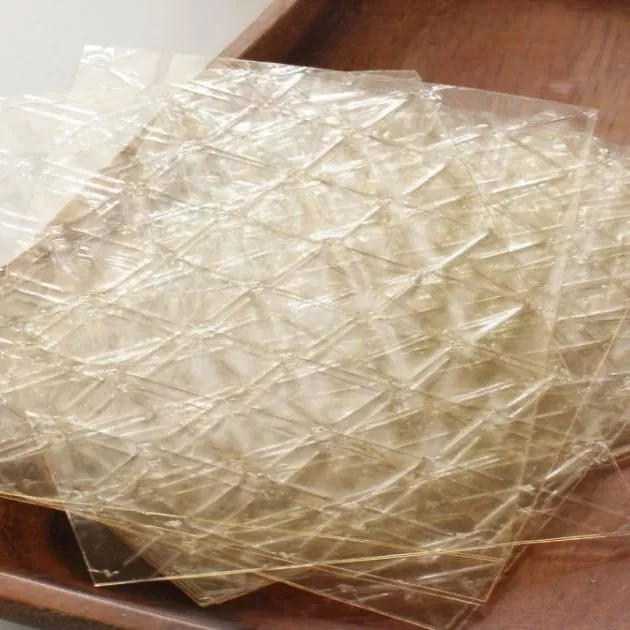
Our Gelatin Sheets are produced to precise standards, ensuring consistency and reliability across different Bloom grades (Silver being the most common professional choice).
Tel:+86 21 65010906
Cell/Whatsapp/Wechat:
+86 13482884055
+86 18657345785
Email: sales@beyondbiopharma.com