English EN


How to Use Gelatin Powder? Applications of Gelatin Powder
Use gelatin powder by blooming it in cold water, dissolving gently, and adding to recipes for perfect texture in desserts, sauces, and supplements.
More
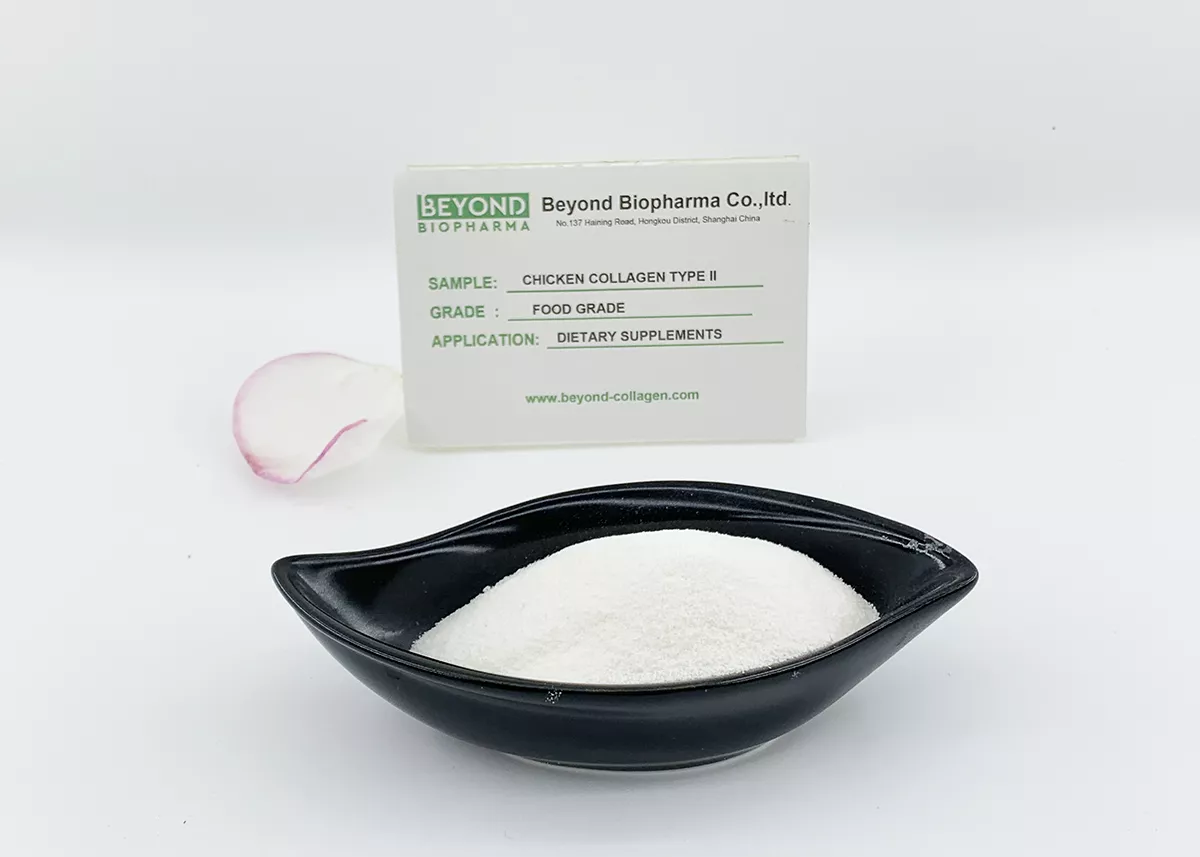
Gelatin is a kitchen staple for thickening, gelling, and stabilizing, but it comes from animal collagen. For anyone following a vegan or vegetarian lifestyle, that is a dealbreaker. The good news is that plant-based alternatives have come a long way. Many perform just as well, and some even offer extra nutritional benefits. Below are the top substitutes, along with how to use them without guesswork.
Agar-agar, derived from red algae, is the closest 1:1 swap for powdered gelatin in most recipes. It sets firmer and at room temperature, which makes it ideal for desserts like vegan cheesecake or jelly. The key difference is that agar needs to be boiled for a few minutes to activate, while gelatin just dissolves in warm liquid. Use 1 tablespoon of agar powder to replace 1 tablespoon of gelatin powder. For flake agar, use 1.5 tablespoons. Always stir it into cold liquid first, then bring to a boil for 2 to 3 minutes.
Carrageenan comes from Irish moss and is commonly used in commercial plant-based milks and ice creams. It works well for recipes that need a creamy, thick consistency rather than a hard gel. Kappa carrageenan produces a firm gel, while iota carrageenan gives a soft, elastic texture. For a standard dessert, use about 1 teaspoon of kappa carrageenan per cup of liquid. It requires heating to 60°C (140°F) to activate. Note that carrageenan can react with dairy proteins, so it is best reserved for fully plant-based liquids like coconut milk or almond milk.
Pectin is a natural fiber found in fruits like apples and citrus peels. It is excellent for making fruit gummies, jams, and glazes. Unlike gelatin, pectin needs sugar and acid (like lemon juice) to set properly. Use about 2 tablespoons of pectin powder per cup of fruit puree, along with 1 tablespoon of lemon juice. Bring the mixture to a rolling boil for 1 minute, then pour into molds. It sets quickly, so work fast. For low-sugar recipes, look for low-methoxyl pectin, which sets with calcium instead of sugar.
If your recipe needs thickening rather than a solid gel, cornstarch or arrowroot powder are reliable choices. They work beautifully in puddings, sauces, and pie fillings. Use 2 tablespoons of cornstarch per cup of liquid for a medium-thick sauce. Arrowroot is a bit more neutral in flavor and works better at lower temperatures. Mix the powder with cold water to form a slurry before adding to hot liquid. Avoid boiling arrowroot for too long, as it can break down and become thin.
Xanthan gum is a microbial polysaccharide that acts as a powerful thickener and stabilizer. It is not a direct replacement for gelatin in gelled desserts, but it is excellent for smoothies, salad dressings, and gluten-free baking. Use only 1/4 teaspoon per cup of liquid, as it is very strong. Blend it with dry ingredients first to avoid clumps. Xanthan gum does not require heat, so it is great for no-cook recipes.
When substituting, always consider the texture you want. For a firm, sliceable gel, agar-agar is your best bet. For a creamy, melt-in-your-mouth texture, carrageenan or pectin work better. If the recipe relies on gelatin for foam or air incorporation (like mousse), try aquafaba (chickpea brine) whipped to stiff peaks, then fold in a stabilizer like agar or xanthan gum. Aquafaba alone can replace egg whites, but it needs a gelling agent to set.
Another important point: acidity affects setting. Agar sets well in acidic environments, but pectin needs acid. Carrageenan can be unstable at very low pH. Always test a small batch first. Store any finished product in the refrigerator, as most plant-based gels are more perishable than gelatin.
Gelatin is mostly protein, but it lacks essential amino acids. Plant-based substitutes offer additional benefits. Agar-agar provides dietary fiber and trace minerals like calcium and iron. Pectin is a soluble fiber that supports gut health. Carrageenan contains no calories but can add texture without sugar. Xanthan gum is also a soluble fiber. For those managing blood sugar, these substitutes do not spike glucose levels like gelatin-based desserts might when paired with sugar.
If you are looking for high-quality ingredients for your kitchen or product development, Beyond Biopharma offers a range of vegan-friendly thickeners and gelling agents. Their food-grade hyaluronic acid powder and hydrolyzed collagen type II are popular for functional recipes, though always check labels for vegan certification.
One frequent error is using too much of a substitute, which leads to a rubbery or chalky texture. Start with the recommended amounts and adjust. Another mistake is not heating agar or carrageenan enough; they need a full boil to activate. For pectin, skipping the acid or sugar can result in a runny gel. Always measure precisely, and use a kitchen scale for powders. Also, remember that some substitutes, like xanthan gum, can cause a slimy texture if overused.
Finally, do not expect every substitute to behave exactly like gelatin. Each has its own personality. Embrace the differences. A pectin-based gummy has a brighter, fruitier bite. An agar jelly is firmer and less elastic. These characteristics can make your vegan and vegetarian recipes unique and delicious in their own right.
With these options and tips, you can confidently replace gelatin in any recipe. Whether you are a home cook or a food business owner, plant-based gelling agents open up a world of creative possibilities. Start with agar-agar for most desserts, keep pectin for fruit projects, and use carrageenan when you need a creamy set. Your vegan and vegetarian dishes will thank you.


We provide you with comprehensive foreign trade solutions to help enterprises achieve global development
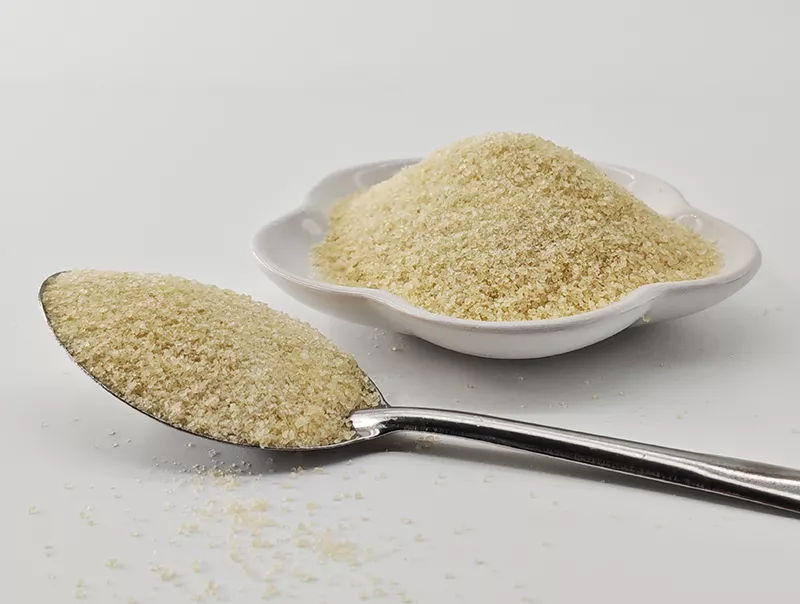
The High-Performance Barrier for Core Material Protection and Controlled Release.
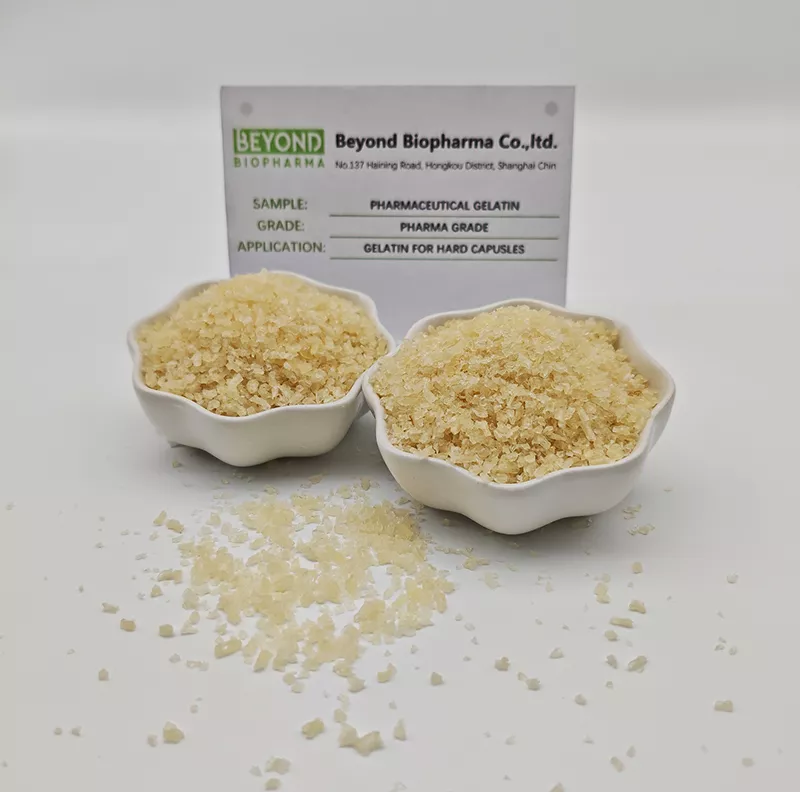
Precision, Purity, and Optimal Machinability
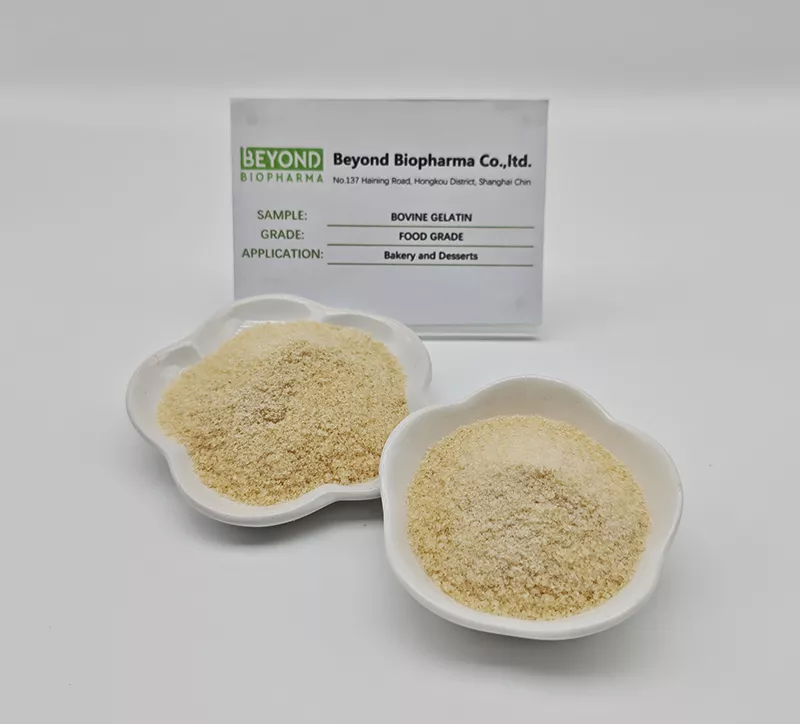
20 years experiences, 5000 ton/year capacity, Sustained supply with stable quality
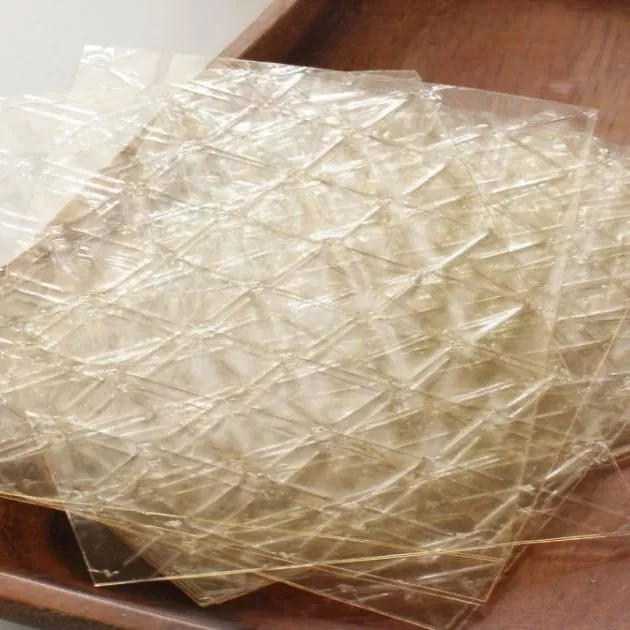
Our Gelatin Sheets are produced to precise standards, ensuring consistency and reliability across different Bloom grades (Silver being the most common professional choice).
Tel:+86 21 65010906
Cell/Whatsapp/Wechat:
+86 13482884055
+86 18657345785
Email: sales@beyondbiopharma.com