English EN


How to Use Gelatin Powder? Applications of Gelatin Powder
Use gelatin powder by blooming it in cold water, dissolving gently, and adding to recipes for perfect texture in desserts, sauces, and supplements.
More
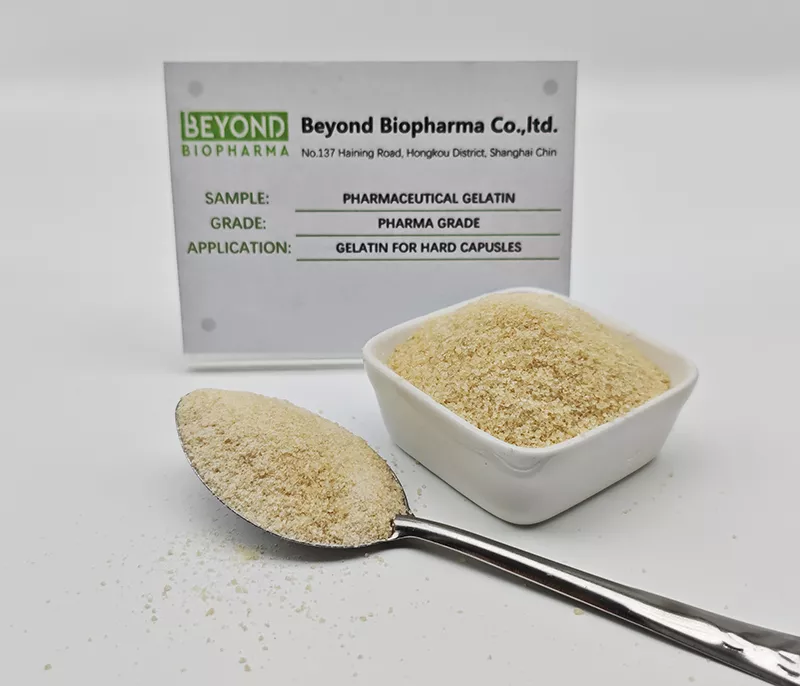
Chicken gelatin is sourced from chicken skin and bones, processed to extract collagen that sets into a firm, elastic gel. Its bloom strength typically ranges from 200 to 250, which is ideal for gummies that need to hold their shape without being rubbery. Because chicken gelatin has a very mild taste, it won’t overpower fruit flavors or added sweeteners. Many home cooks and small-batch producers choose it for its clean label and consistent setting properties.
Another advantage is that chicken gelatin is naturally free from porcine and bovine components, making it suitable for those who avoid pork or beef products for religious, cultural, or health reasons. It’s also a great option for people who want a higher protein content in their gummy snacks—each serving provides around 6 to 8 grams of protein, depending on the recipe.
Not all chicken gelatin powders are created equal. Here are the most important criteria to check before buying:
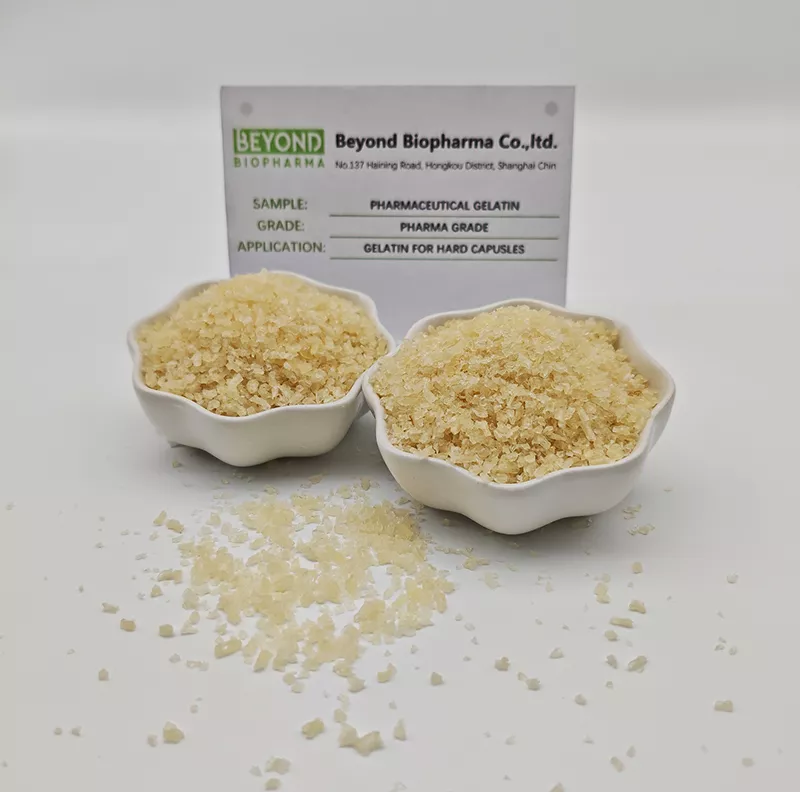
The process is straightforward, but a few details make the difference between gummies that are too soft or too tough. Start by blooming the gelatin: sprinkle 2 tablespoons of chicken gelatin powder over 1/4 cup of cold water or juice. Let it sit for 5 to 10 minutes until it becomes a spongy mass. Meanwhile, warm 1/2 cup of fruit juice or puree with 1 to 2 tablespoons of honey or maple syrup over low heat, stirring until just warm (not boiling).
Add the bloomed gelatin to the warm liquid and stir gently until fully dissolved. Pour the mixture into silicone gummy molds and refrigerate for at least 2 hours. For a firmer set, increase the gelatin by 1/2 teaspoon. For a softer, more melt-in-your-mouth texture, reduce it slightly. The key is to avoid overheating the mixture, as high temperatures can break down the gelatin’s structure and weaken the set.
Storage tip: Keep your gummies in an airtight container in the refrigerator. They will stay fresh for up to two weeks. If you want to store them at room temperature, consider adding a small amount of citric acid or vitamin C powder to help preserve texture and prevent stickiness.
Chicken gelatin sits between beef and fish gelatin in terms of flavor neutrality and setting strength. Beef gelatin often has a slightly stronger taste and higher bloom (250+), which can make gummies too firm if not adjusted. Fish gelatin has a lower bloom (around 150 to 200) and a milder flavor, but it sets more slowly and can be more expensive. Chicken gelatin offers a balanced middle ground: a clean taste, reliable setting, and a price point that works for regular home use.
For those interested in sourcing high-quality gelatin for their kitchen, edible bovine gelatin is another popular option, though it comes from beef. If you specifically need a poultry-based product, chicken gelatin remains the top choice for gummy recipes.
Even experienced cooks can run into issues. The most common problem is gummies that are too sticky or too hard. Stickiness usually means the gelatin wasn’t fully dissolved or the mixture had too much sugar. Hardness comes from using too much gelatin or overheating the liquid. Always use a kitchen thermometer to keep the mixture below 140°F (60°C) after adding the gelatin.
Another mistake is skipping the blooming step. If you add gelatin powder directly to hot liquid, it can clump and create a grainy texture. Blooming ensures even hydration and a smooth, glossy final product. Also, avoid using fresh pineapple, kiwi, or papaya in your gummies unless you cook them first, as these fruits contain enzymes that break down gelatin and prevent setting.
Chicken gelatin is rich in collagen, which supports joint health, skin elasticity, and gut integrity. A typical serving of homemade gummies made with 2 tablespoons of gelatin provides about 8 grams of protein, with minimal carbohydrates and no fat. It’s also a source of glycine and proline, amino acids that play roles in tissue repair and inflammation regulation. For those looking to reduce sugar, you can easily substitute stevia or monk fruit sweetener without affecting the gel structure.
When purchasing chicken gelatin, look for suppliers that provide clear sourcing information and batch testing. Reputable manufacturers will list the bloom strength, protein content, and any certifications such as halal or kosher. For a trusted option, consider checking high-bloom gelatin for hard capsules if you need a very firm set, though for gummies, a standard 200-bloom chicken gelatin works best. Always read customer reviews and look for products that specify “chicken gelatin” rather than just “gelatin” to ensure you’re getting the right type.
With the right chicken gelatin powder and a few simple techniques, you can create homemade gummies that are delicious, nutritious, and perfectly textured every time. Whether you’re making fruit snacks for kids, protein-packed treats for post-workout recovery, or fun gummy shapes for parties, chicken gelatin delivers consistent results that store-bought versions can’t match.


We provide you with comprehensive foreign trade solutions to help enterprises achieve global development
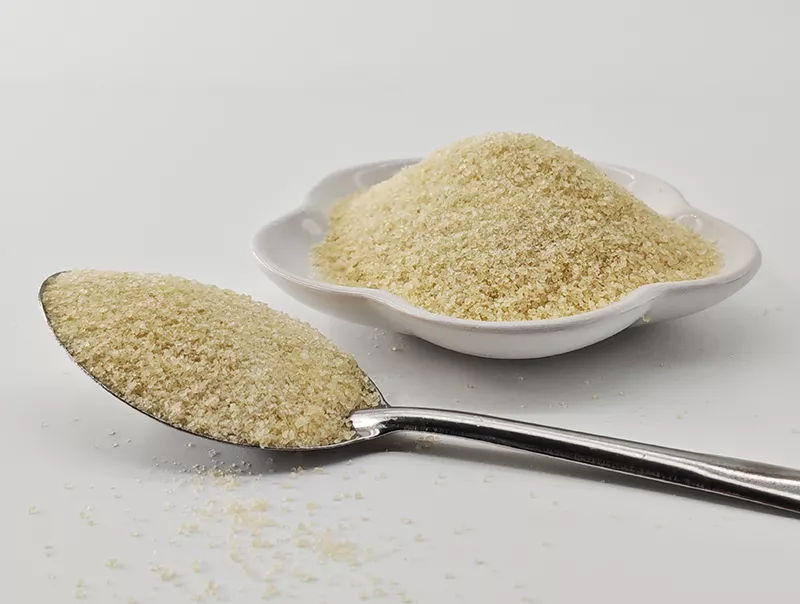
The High-Performance Barrier for Core Material Protection and Controlled Release.
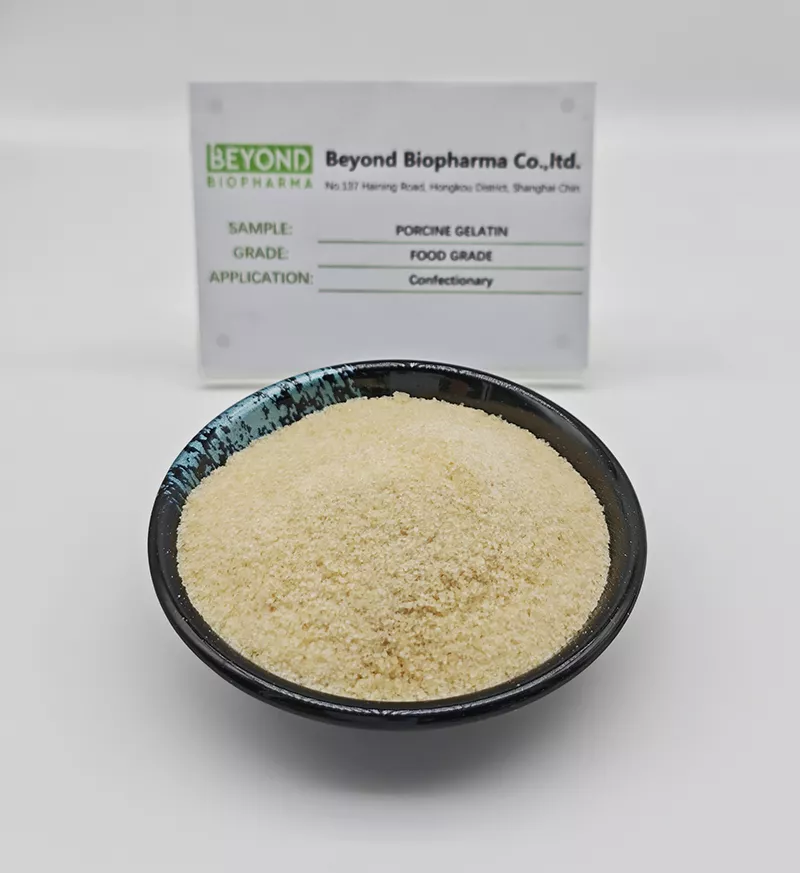
Food-grade porcine gelatin is a highly versatile and cost-effective natural protein derived from the collagen found in pig skin and bones. It is a premier gelling agent known for its exceptional clarity, neutral taste, and thermal reversibility.
Precision, Purity, and Optimal Machinability
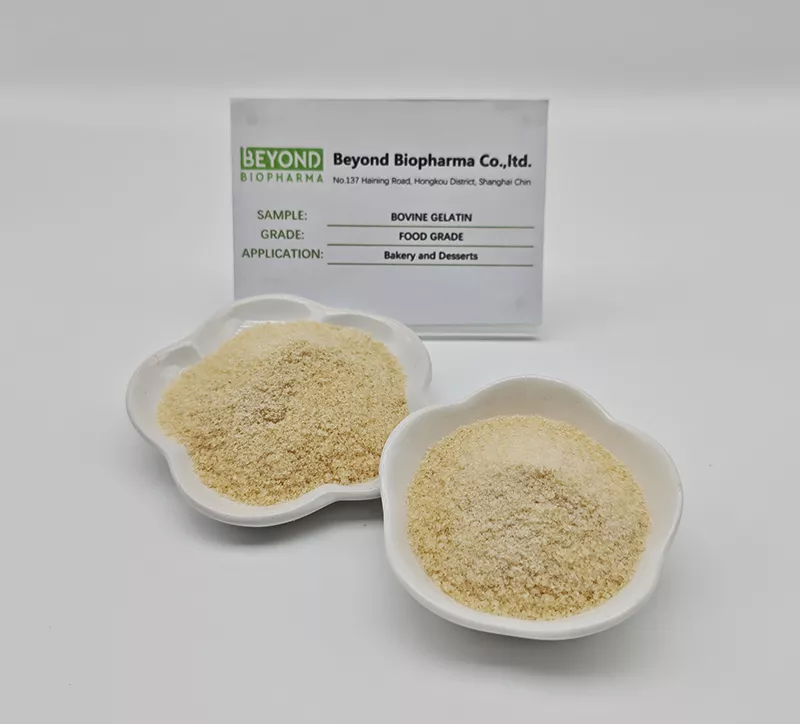
20 years experiences, 5000 ton/year capacity, Sustained supply with stable quality
Tel:+86 21 65010906
Cell/Whatsapp/Wechat:
+86 13482884055
+86 18657345785
Email: sales@beyondbiopharma.com