English EN


What Food Products Are Made With Edible Gelatin
Edible gelatin is found in gummy candies, marshmallows, yogurt, fruit snacks, jello, trifles, and many processed foods. Check labels for gelatin sources.
More
Selecting the correct gelatin grade is critical for achieving optimal texture, stability, and performance in premium food products. Three key parameters define gelatin quality: Bloom strength, viscosity, and purity. Bloom measures gel rigidity, with higher values (200-300) creating firmer gels ideal for gummies and jellies. Viscosity affects mouthfeel and processing behavior, while purity ensures consistent results and compliance with food safety standards.
Bloom strength indicates the firmness of a gelatin gel, measured in grams. For premium confectionery, a Bloom of 250-300 is preferred to deliver a chewy yet tender bite. Lower Bloom grades (150-200) suit softer desserts. Always match Bloom to your product's texture target.
Learn more about Bloom strength in gummiesViscosity measures a gelatin solution's thickness at a given temperature. High viscosity (4.5-6.0 mPas) provides better coating and encapsulation properties, ideal for micro-encapsulation and softgel capsules. Low viscosity grades improve flow in hard capsules.
Explore high viscosity gelatin for softgelsPremium applications demand high purity: low ash content, minimal heavy metals, and no microbial contaminants. Pharmaceutical-grade gelatin meets strict pharmacopoeia standards, while food-grade variants must comply with FDA and EU regulations for safe consumption.
View pharmaceutical-grade gelatin optionsFor clean-label products, consider Halal and Kosher verified fish gelatin, which offers excellent clarity and neutral flavor. Collagen peptides from fish provide additional nutritional benefits for skin health supplements.
Discover clean-label fish gelatin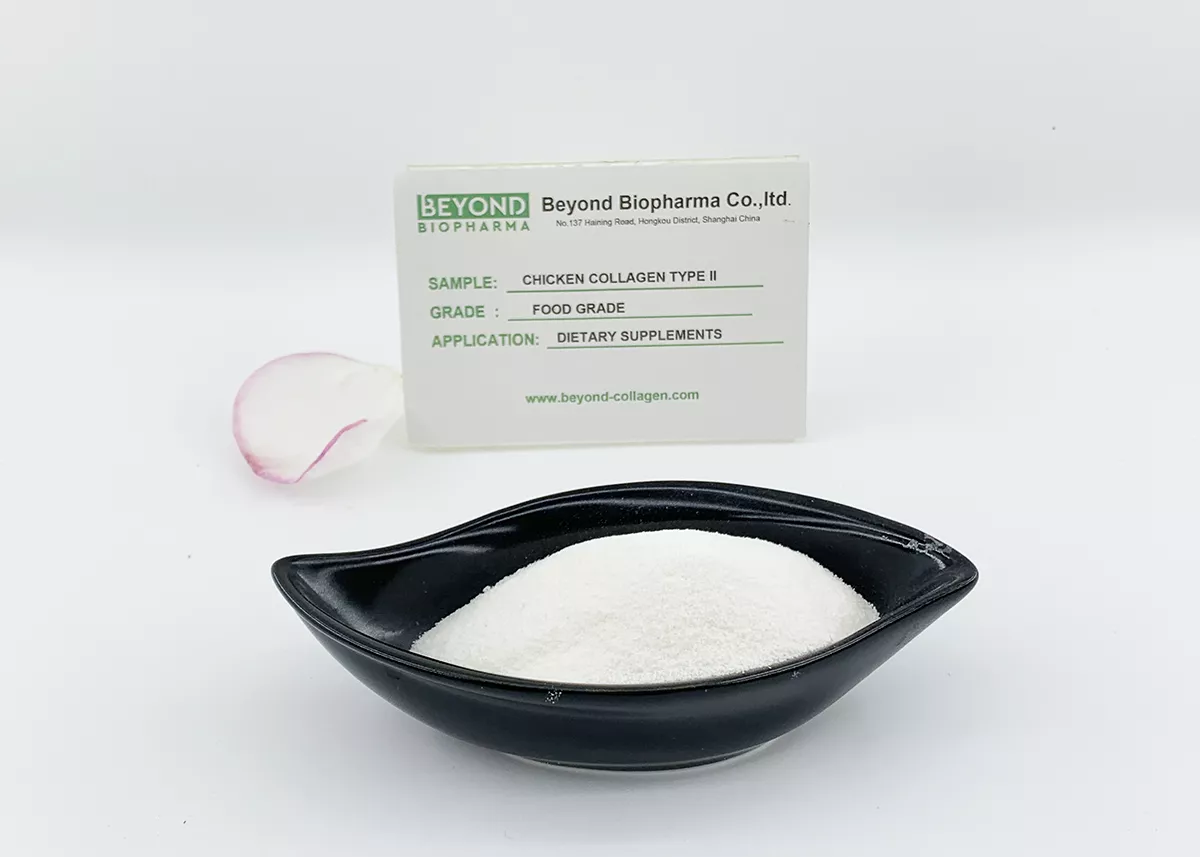
When sourcing food gelatin for premium products, evaluating global suppliers requires a systematic approach. The first pillar is certification. Look for suppliers holding ISO 22000 for food safety management, FSSC 22000, or GFSI-benchmarked schemes. Halal and Kosher certifications are essential for targeting specific markets, while Non-GMO Project Verified and Organic certifications add value for clean-label products. Always verify that certificates are current and issued by accredited bodies.
Sustainability practices are increasingly critical. Assess suppliers on their environmental footprint, including water usage, waste management, and energy efficiency. Many leading gelatin manufacturers now publish sustainability reports detailing their carbon reduction targets and responsible sourcing of raw materials, such as bovine hides or fish skins from fisheries certified by the Marine Stewardship Council (MSC).
Traceability standards ensure product integrity and safety. A robust traceability system should enable batch-level tracking from raw material reception through processing to final shipment. Ask suppliers about their use of blockchain or digital tracking tools, and whether they can provide full supply chain transparency, including the origin of animal materials. This is especially important for preventing adulteration and managing recalls.
Finally, consider third-party audits and site visits. While documentation is important, on-the-ground verification of a supplier's facility, quality control labs, and storage conditions provides the highest confidence. Combining these evaluation criteria will help you select partners that consistently deliver premium, safe, and ethically produced gelatin.
Selecting the right gelatin source is critical for achieving desired texture, clarity, and functional performance in premium food products. Each type offers unique attributes for specific applications.
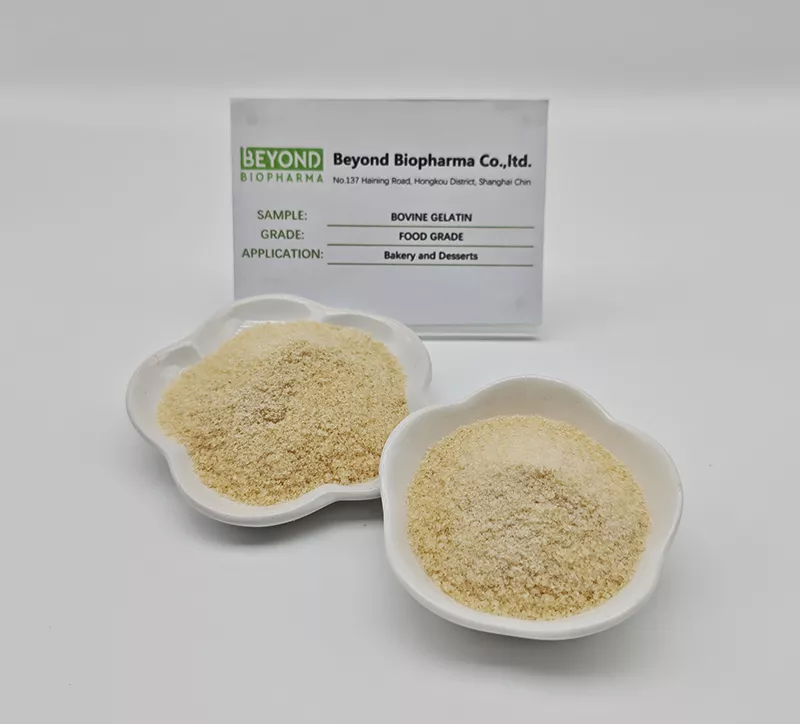
Derived from cattle hides and bones, bovine gelatin provides high gel strength and thermal stability. It is ideal for hard capsules, tablet coating, and confectionery requiring firm textures. Sourcing from BSE-free certified suppliers ensures safety and regulatory compliance. Learn more about pharmaceutical-grade options.
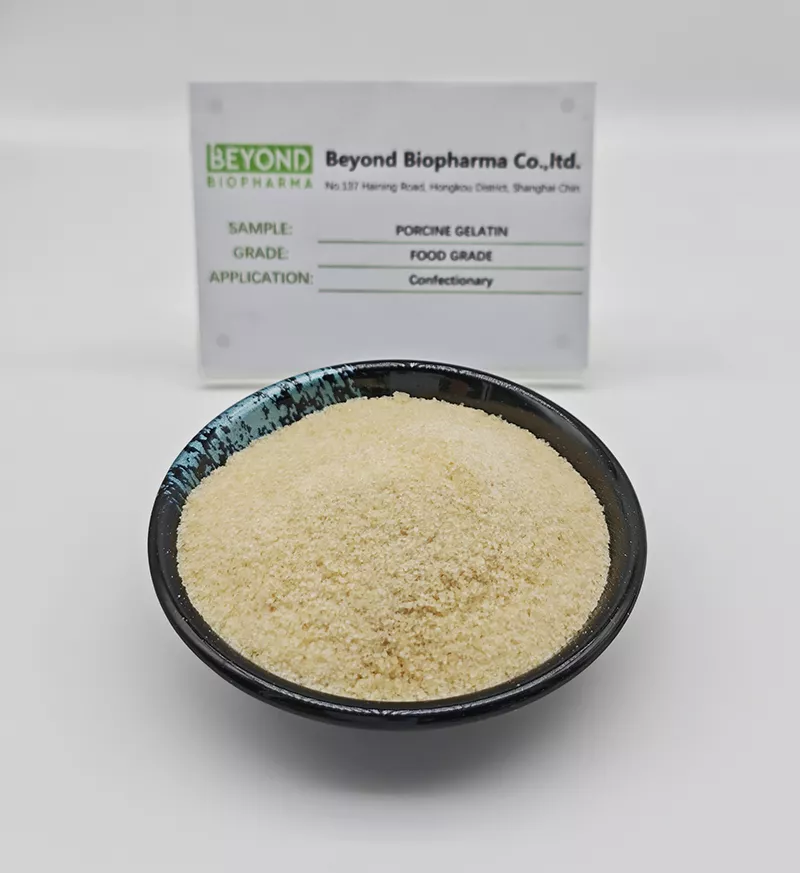
Porcine gelatin is widely used in gummies, jellies, and marshmallows due to its excellent clarity and melt-in-mouth properties. It offers consistent bloom values and is available in various mesh sizes. Verify halal or kosher certifications when targeting specific markets. Explore food-grade porcine gelatin.
Fish gelatin is an excellent choice for clean-label and kosher/halal-compliant products. It has a lower melting point, making it suitable for soft gels and dairy applications. Cold-water fish sources yield higher purity and neutral flavor profiles. View halal and kosher verified fish gelatin.
For vegan and vegetarian formulations, plant-based hydrocolloids such as agar-agar, pectin, and carrageenan can replicate gelatin’s gelling and stabilizing functions. These alternatives require careful formulation adjustments to match texture and setting times.
| Property | Bovine | Porcine | Fish | Plant-Based |
|---|---|---|---|---|
| Bloom Strength (g) | 200–280 | 150–260 | 100–220 | N/A |
| Melting Point (°C) | 30–35 | 28–32 | 20–25 | 85–95 |
| Clarity | High | Very High | Moderate | Variable |
| Dietary Compliance | Halal/Kosher | Halal/Kosher | Halal/Kosher | Vegan |
The table above summarizes key technical parameters for each gelatin type. Bloom strength directly impacts gel firmness, while melting point influences mouthfeel and stability in finished products. Dietary compliance labels are essential for market access.
When sourcing specialty gelatins, evaluate supplier certifications for BSE-free, halal, kosher, and non-GMO status. Request certificates of analysis for bloom, viscosity, and microbial limits. For microencapsulation applications, consider ultra-high viscosity grades. Explore microencapsulation gelatin.
For softgel capsules, ultra-high viscosity bovine gelatin provides superior shell strength. View ultra-high viscosity gelatin. Premium pharmaceutical grades are recommended for tablet coating to ensure uniform film formation. Learn about tablet coating gelatin.
Fish collagen peptides support skin health supplements with high bioavailability. Discover fish collagen peptides. Additionally, undenatured type II collagen from bovine sources offers clinically proven joint support. View joint support collagen.
For specialized nutraceutical formulations, bovine chondroitin sulfate sodium can complement gelatin-based products. Explore chondroitin sulfate.
Always conduct pilot trials to confirm gelatin performance in your specific process conditions. Partner with suppliers who offer technical support and consistent lot-to-lot quality.
Bloom strength is measured using a standard texture analyzer under controlled temperature and humidity. Viscosity is assessed with a rotational viscometer at 60°C to ensure batch-to-batch uniformity. pH levels are tested in a 1% solution at 25°C using a calibrated electrode. Particle size distribution is evaluated through sieve analysis, targeting 95% passage through a 100-mesh screen. Moisture content is determined by loss on drying at 105°C for 16 hours, with acceptable limits between 8% and 13%.
Total aerobic microbial count (TAMC) is performed using plate count agar incubated at 30°C for 72 hours, with a limit of 1000 CFU/g. Total yeast and mold count (TYMC) uses Sabouraud dextrose agar at 25°C for 5 days, limit 100 CFU/g. Salmonella species are tested via selective enrichment in Rappaport-Vassiliadis broth followed by plating on XLD agar, requiring absence in 25g. Escherichia coli is detected using MacConkey broth at 37°C for 24 hours, with absence in 10g. Staphylococcus aureus is screened on Baird-Parker agar, limit 10 CFU/g.
Enzyme-linked immunosorbent assay (ELISA) is used to detect residual soy, dairy, and gluten proteins at concentrations below 20 ppm. Peptide mass fingerprinting via LC-MS/MS confirms the absence of undeclared animal species. Cross-contact validation is conducted through swab sampling of processing equipment after cleaning, with a target of less than 5 ppm for major allergens. All results are documented in a certificate of analysis (COA) for each production lot.
In the competitive landscape of premium gelatin sourcing, balancing cost efficiency with supply chain stability is critical. Bulk procurement remains the most effective lever for reducing per-unit costs. By consolidating orders across production cycles, manufacturers can negotiate volume discounts and minimize transactional overhead. For example, purchasing gelatin in metric ton quantities directly from suppliers like food-grade porcine gelatin can yield savings of 15-20% compared to smaller, frequent orders.
Long-term contracts further enhance cost predictability and supply assurance. Locking in pricing for 12-24 months with suppliers such as those offering halal and kosher verified fish gelatin protects against market volatility. These agreements often include fixed annual price escalation clauses, ensuring both parties benefit from stability. Additionally, committing to multi-year partnerships can prioritize your production slots during peak demand periods.
Risk mitigation strategies are essential to safeguard against disruptions. Diversifying suppliers across regions and product types—such as combining pharmaceutical grade bovine bone gelatin with fish collagen peptide sources—reduces dependency on single origins. Maintaining safety stock equivalent to 8-12 weeks of production buffers against logistical delays. Regular supplier audits and quality checks, especially for specialized products like undenatured collagen type II, ensure consistency.
Standardizing gelatin specifications across product lines enables larger, more efficient bulk orders. For instance, using a single high-viscosity grade like ultra high viscosity gelatin for softgel capsules for multiple applications reduces inventory complexity. Partnering with suppliers that offer blended logistics—combining gelatin for micro encapsulation with other raw materials—can further cut shipping costs.
Effective contracts include volume commitments, quality benchmarks, and force majeure provisions. For premium products like premium pharmaceutical gelatin for tablet coating, specify allowable bloom range and microbial limits. Include quarterly price review mechanisms tied to commodity indices to maintain fairness. Suppliers of specialty items such as bovine chondroitin sulfate sodium may require minimum order quantities—negotiate phase-in schedules to align with production ramps.
Develop a multi-tier supplier network covering different geographies and gelatin types. Cross-qualify alternatives—for example, porcine gelatin can substitute for bovine in some applications if supply tightens. Implement real-time inventory tracking and demand forecasting to trigger replenishment automatically. Conduct annual stress tests simulating port closures or raw material shortages to validate contingency plans. Certifications like Halal, Kosher, and BSE-free status, as seen with fish gelatin and bovine bone gelatin, should be verified annually.
Gelatin Grades and Functional Performance
Bloom strength, viscosity, and purity are the three pillars defining premium gelatin. Higher bloom values (250–300 g) deliver firmer gels and superior mouthfeel, while controlled viscosity ensures consistent processing. For top-tier confectionery, dairy, and pharmaceutical applications, select gelatins with tight specification ranges and low impurity profiles.
Evaluating Global Suppliers
Certifications such as FSSC 22000, ISO 9001, and Halal/Kosher accreditation are non‑negotiable for premium sourcing. Beyond compliance, prioritize suppliers with transparent traceability systems, documented sustainability practices (e.g., waste reduction, renewable energy), and third‑party audit records. A supplier’s commitment to ethical sourcing directly impacts brand integrity.
Specialty Gelatin Sourcing Strategies
Bovine and porcine gelatins remain industry standards, but fish‑based and plant‑based alternatives are gaining traction for kosher, halal, and vegan product lines. Each source requires distinct supply chain validation: fish gelatin demands species‑specific documentation, while plant‑based alternatives (e.g., agar‑agar, pectin) must be evaluated for functional equivalence. Diversifying sources reduces dependency and broadens application possibilities.
Quality Control and Testing Protocols
Routine testing for gel strength (Bloom), viscosity, pH, and microbial limits (including Salmonella, E. coli, and total plate count) is essential. Allergen safety protocols must be verified, especially for cross‑contact with gluten, soy, or dairy. Implement a release‑testing program that aligns with both internal specifications and regulatory standards (e.g., FCC, USP). Consistent quality assurance prevents costly recalls and protects consumer trust.
Cost Optimization and Supply Chain Resilience
Bulk procurement and long‑term contracts with fixed pricing clauses provide cost stability and buffer against market volatility. To mitigate risk, qualify multiple suppliers across different geographic regions and maintain safety stock of critical gelatin grades. Regularly audit supplier capacity and logistics capabilities to ensure uninterrupted supply for premium product lines.
Successful sourcing of further food gelatin for premium applications hinges on a disciplined approach: rigorous grade selection, thorough supplier vetting, diversified sourcing, uncompromising quality control, and strategic procurement. By embedding these principles into your sourcing framework, you build a foundation for product excellence, safety, and long‑term market competitiveness.


We provide you with comprehensive foreign trade solutions to help enterprises achieve global development
Stability, Swallowing Enhancement, and Controlled Release

The High-Performance Barrier for Core Material Protection and Controlled Release.
20 years experiences, 5000 ton/year capacity, Sustained supply with stable quality
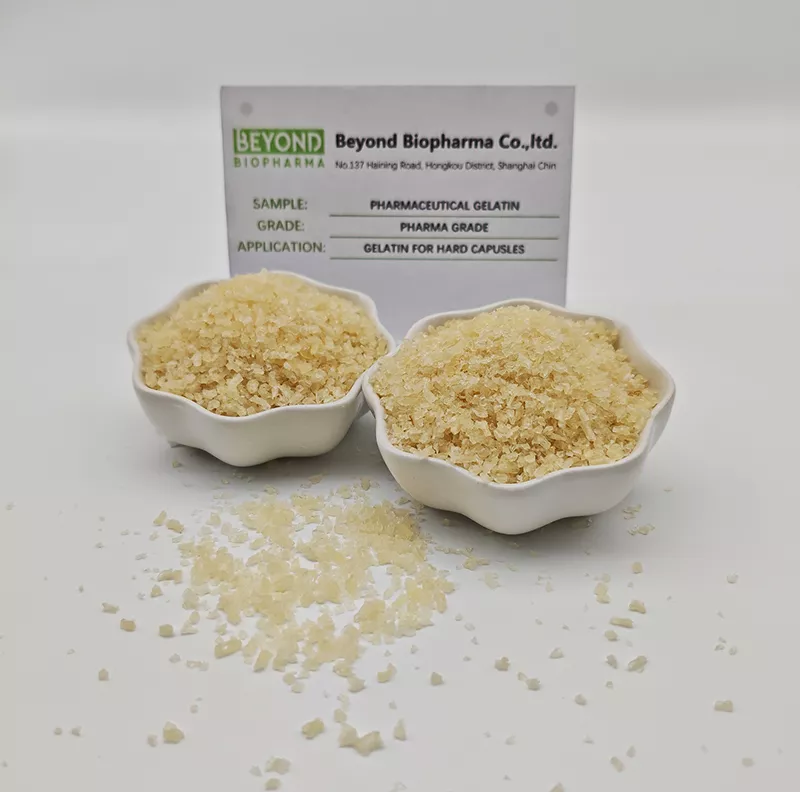
Precision, Purity, and Optimal Machinability
Tel:+86 21 65010906
Cell/Whatsapp/Wechat:
+86 13482884055
+86 18657345785
Email: sales@beyondbiopharma.com