Food Grade Collagen: What Buyers Need to Know
Food grade collagen is a versatile protein used across confectionery, dairy, and supplement applications. This guide covers key types, sourcing considerations, and practical tips for buyers evaluating collagen ingredients in 2026.
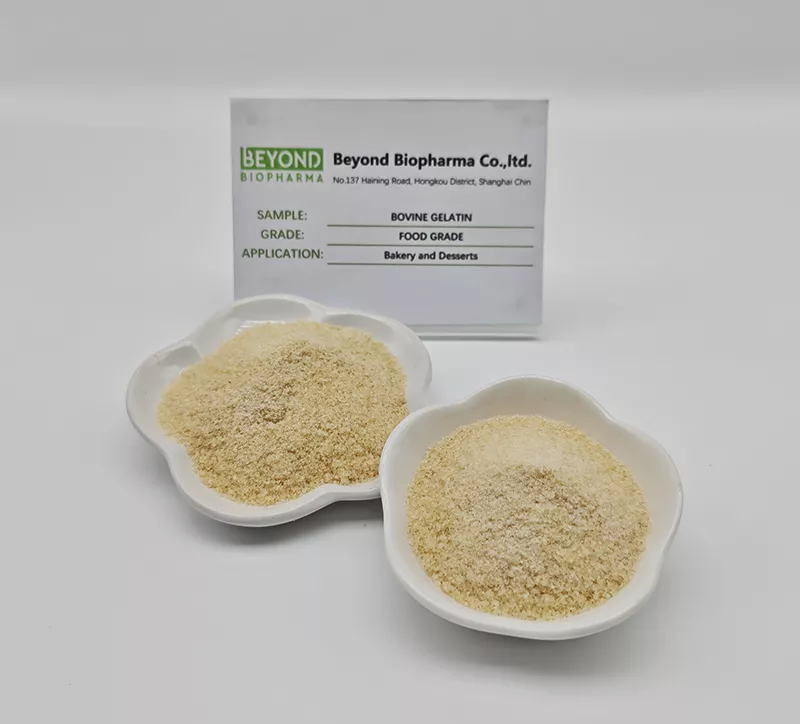
Collagen is one of the most widely used functional proteins in food manufacturing. It appears in gummy candies, marshmallows, yogurt, nutrition bars, and even wine. If you are sourcing collagen for food production, understanding the differences between types and sources helps you make better purchasing decisions.
Types of Food Grade Collagen
Food grade collagen generally falls into two categories: gelatin and hydrolyzed collagen. Gelatin is valued for its gelling, thickening, and stabilizing properties. It forms thermoreversible gels, meaning it melts when heated and sets when cooled. This makes it ideal for gummies, jellies, and marshmallows. Hydrolyzed collagen, on the other hand, is broken down into smaller peptides through enzymatic hydrolysis. It dissolves easily in cold water and is commonly used in beverages and supplements.
For gummy and jelly production, porcine gelatin is a popular choice due to its excellent clarity, neutral taste, and reliable gel strength. Bovine gelatin offers similar functionality and is widely used in dairy and confectionery applications. Edible bovine gelatin is known for its strong gel strength and versatility across many product formats.
What to Check Before Buying
Bloom value is a key specification for gelatin buyers. It measures gel strength, typically ranging from 120 to 300 Bloom. Higher Bloom values produce firmer gels, which matters for products that need to hold shape during transport and storage. Viscosity, pH, and mesh size are also important. For hydrolyzed collagen, molecular weight distribution affects absorption and solubility.
Source transparency is another critical factor. Porcine, bovine, and fish sources each carry different regulatory and cultural considerations. Halal and Kosher certifications may be required depending on your target market. Always request a Certificate of Analysis and review heavy metal testing, microbial limits, and purity data.
Applications and Market Outlook
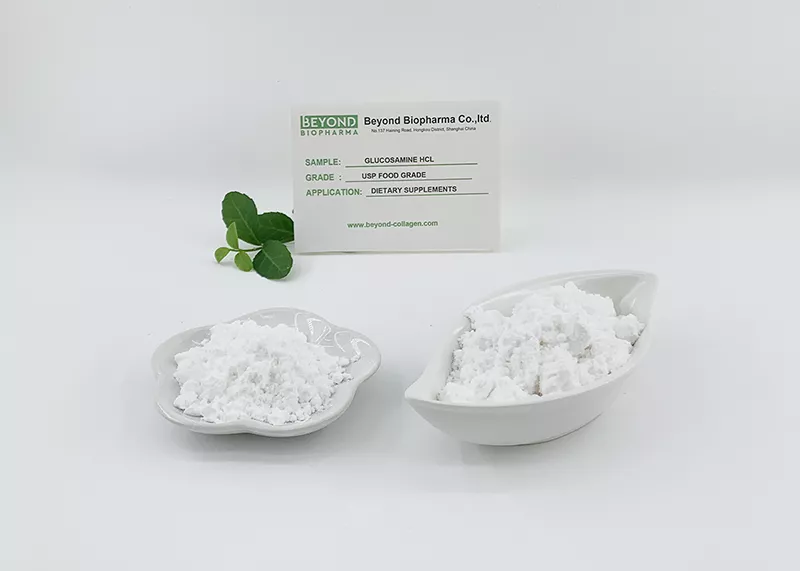
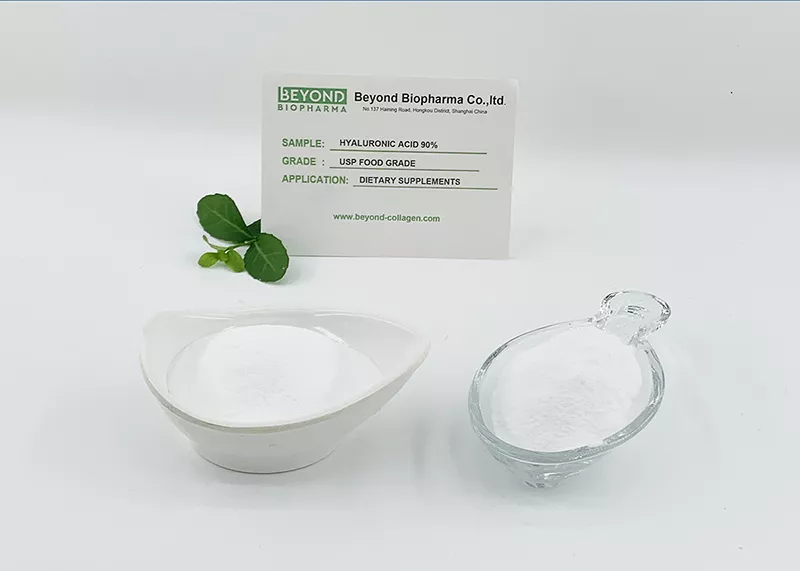
The global market for gelatin-containing foods is valued at approximately $3.5–$4 billion and continues to grow. Beyond traditional confectionery, collagen is finding new uses in protein bars, functional beverages, and clean-label snacks. Food grade hyaluronic acid powder is sometimes combined with collagen in joint health and skin care formulations, creating additional opportunities for formulators.
When evaluating suppliers, consider production capacity, lead times, and consistency across batches. A supplier with sustained output and stable quality reduces risk in your supply chain. Request samples, run pilot trials, and verify that the collagen performs as expected in your specific formulation.
Download Technical Data
For detailed specifications, you can download the following documents:
Technical Data Sheet – Food Grade Porcine Gelatin
Technical Data Sheet – Food Grade Hyaluronic Acid
Technical Data Sheet – Pharmaceutical Bovine Bone Gelatin
Related Products
Further Reading

 English EN









User Comments
Service Experience Sharing from Real Customers
Mike
Procurement ManagerBeen sourcing collagen for our supplement line for three years now, and this food grade stuff is honestly one of the better ones I've handled. Dissolves clean, no weird smell. My only gripe is the MOQ could be a bit more flexible for smaller trial runs.
Sarah
Pastry ChefTried adding this to our gummy line last month and wow, the texture came out way smoother than the brand we used before. Customers haven't noticed a difference in taste which is exactly what I wanted. Will definitely reorder.
David
R&D ScientistLab results came back consistent with what the COA claimed, which honestly doesn't always happen with suppliers in this space. Gel strength was solid. Docking one star because shipping took almost two weeks, but the product itself is legit.
Priya
FounderI run a small skincare brand and switched to this collagen six months ago. My customers keep telling me the new batches feel less gritty. As a one-person operation, I really appreciate that it's easy to work with and doesn't clump up.