
EN
From gummy confectionery to wine clarification, edible gelatin is far more versatile than most people realize. In 2026, food manufacturers and home cooks alike are discovering new ways to leverage this protein's unique gelling, stabilizing, and texturizing properties. Here are ten practical applications worth knowing.
The backbone of any quality gummy is the gelatin's Bloom value. Low Bloom (around 100) creates soft, melt-in-the-mouth textures, while high Bloom (250+) produces firm, chewy candies. Edible Gelatin suppliers offer customizable Bloom ranges, letting you dial in the exact mouthfeel your product needs.
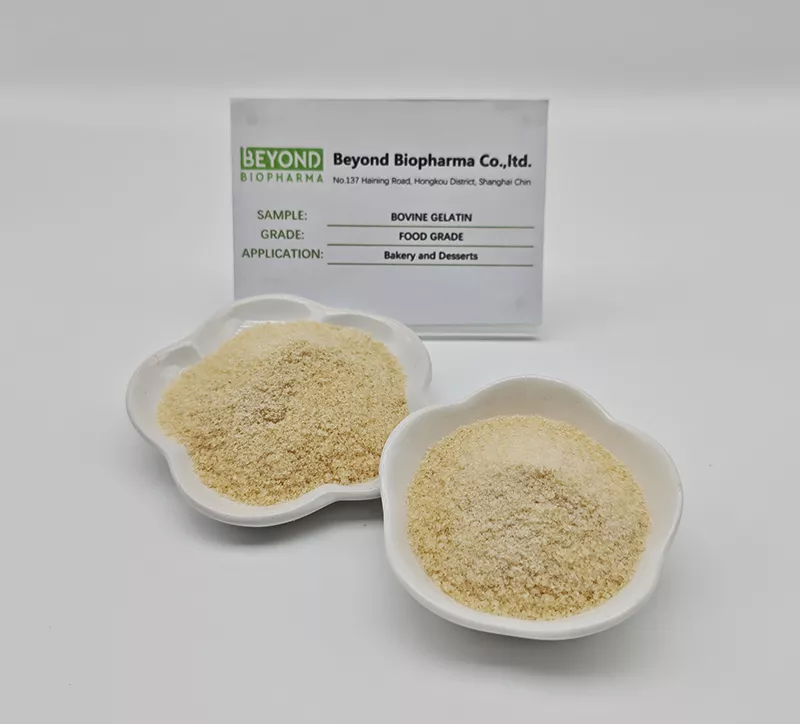
In yogurt and sour cream, gelatin acts as a stabilizer that prevents whey separation. A typical usage rate of 0.3–0.5% by weight keeps the texture smooth and creamy without masking the natural dairy flavor.
Gelatin's whipping properties allow marshmallows to hold air efficiently, creating that light, spongy structure. High Bloom gelatin (200–250) is preferred here, as it forms a stable foam that resists collapse during drying.
For sausages, hams, and reformed meats, gelatin binds water and fat effectively. This not only improves sliceability but also boosts cooking yield by up to 15%, making it a cost-efficient ingredient in commercial meat processing.
As a fining agent, gelatin adsorbs tannins and suspended particles through electrostatic attraction. Adding 50–100 ppm to fruit juice or wine results in a brilliantly clear product after filtration, without stripping desirable flavor compounds.
With consumers seeking higher protein content, gelatin offers a clean-label solution. A 3% gelatin solution in mousse formulations provides structure while contributing about 2.5g of protein per 100g serving.
High-melting-point gelatin (above 30°C) is ideal for aspics that need to hold shape at room temperature. This application is popular in premium deli products and gourmet catering.
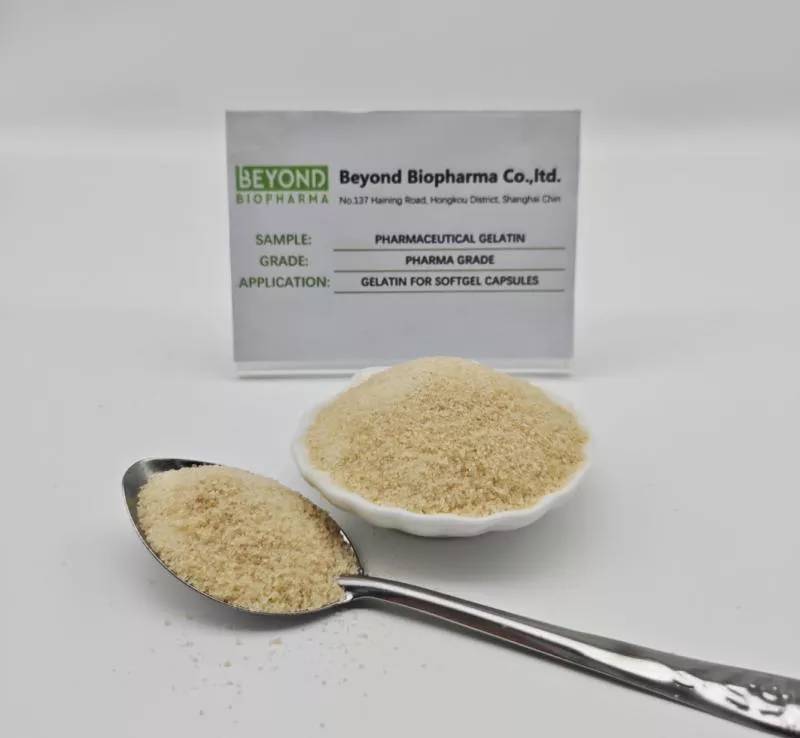
Beyond food, Edible Bovine Gelatin serves as a primary excipient in softgel and hard-shell capsules. Its film-forming ability ensures consistent dissolution rates, meeting strict pharmacopeia standards.
In low-fat butter spreads and cream cheese alternatives, gelatin stabilizes the oil-in-water emulsion, preventing phase separation while imparting a rich, fatty mouthfeel at reduced calorie levels.
The line between confectionery and nutraceuticals continues to blur. Combining edible gelatin with hydrolyzed collagen peptides (molecular weight 1000–3000 Da) creates functional gummies that support joint health and skin elasticity—a growing market segment projected to reach $8.5 billion by 2027.
When sourcing edible gelatin for your 2026 product roadmap, consider factors like Bloom strength, mesh size, and certification requirements (Halal, Kosher, non-GMO). The right gelatin supplier will provide technical data sheets and customization options to match your exact production parameters.


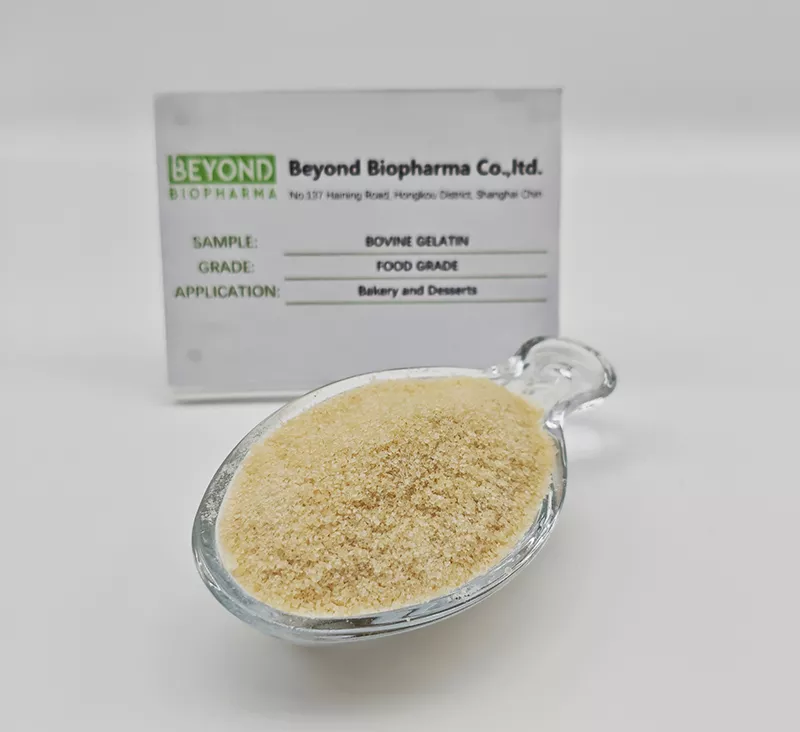
Tel:+86 21 65010906
Cell/Whatsapp/Wechat:
+86 13482884055
+86 18657345785
Email: sales@beyondbiopharma.com





 English EN


