Dairy Product Additives: Key Functions and Selection Criteria
Walk into any dairy aisle and you will notice how consistent the products look — the yogurt that never separates, the pudding with that smooth set, the cream that holds its shape. A lot of that reliability comes down to additives, and gelatin is one of the most quietly important among them. This article looks at what dairy additives actually do in the formulation, how different gelatin sources behave, and what buyers should check before placing an order. It is written for product developers and purchasing teams who need practical answers rather than marketing language.
Why Dairy Products Need Functional Additives
Dairy is a delicate system. Milk proteins, fat globules, and water sit in a fragile balance, and small shifts in temperature, pH, or storage time can push that balance out of place. Additives step in to hold things together. In yogurt, gelatin prevents whey from separating and improves the overall texture. In puddings and trifles, it works as a gelling agent for a smooth, elastic consistency. Cream and whipped toppings rely on it to stabilize air bubbles and retain flavor, while soft cheeses benefit because gelatin prevents syneresis — the separation of liquid from the curd.
These are not cosmetic fixes. A product that leaks liquid in the cup or collapses on the shelf loses consumer trust fast, and no amount of flavor work will recover it. That is why formulators treat stabilizers and gelling agents as core ingredients rather than afterthoughts.
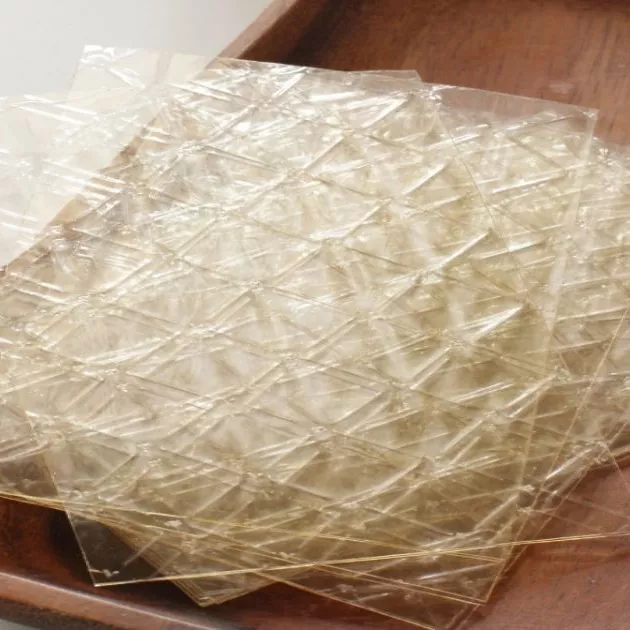
The Core Functions of Gelatin in Dairy Applications
Gelatin earns its place in dairy formulations because it does several jobs at once. The table below summarizes the main properties and how they translate into product quality.
| Property |
Impact on Product Quality |
| Gelling property |
Forms gels for jellies, puddings, and marshmallow-style toppings, allowing control over texture. |
| Thermal stability |
Melts at body temperature, giving a pleasant mouthfeel while staying stable across storage temperatures. |
| High water binding capacity |
Retains moisture, prevents liquid separation, and extends shelf life. |
| Transparency and flavor neutrality |
Keeps foods clear and does not change their taste. |
| Emulsification and foaming |
Stabilizes foams and emulsions, improving texture in whipped dairy products. |
Gelatin strength and elasticity can be adjusted through Bloom grade selection, which makes it useful in both soft and firm products. For a set yogurt drink you might want a gentler gel; for a sliceable dessert, you need more structure. Standardized gelatin sheets are produced to precise standards so that different Bloom grades — Silver being the most common professional choice — deliver consistent and reliable results from batch to batch. You can review the specifications on the standardized gelatin sheets product page.
Choosing the Right Gelatin Source
Source selection is where formulation and market requirements meet. Gelatin is primarily derived from porcine, bovine, and fish sources, with porcine skin and bone and bovine hide and bone being the main commercial options. Fish gelatin is produced on a smaller scale and suits those with dietary restrictions.
The differences matter in real formulations. Porcine gelatin is known for exceptional clarity, a neutral taste, and thermal reversibility, which is why it is widely used in gummies and jellies and performs well in many dairy desserts. Bovine gelatin offers strong gel strength and versatility across a broad range of uses. Fish gelatin is acceptable across religions and cultures, making it a practical choice for halal and kosher lines; it also has a lower molecular weight and gel strength, melts faster at higher temperatures, and releases flavors more quickly — a trait that can enhance the sensory experience in desserts.
| Animal Source |
Halal Status |
Key Properties |
| Bovine |
Permissible |
Strong gel strength, versatile for many uses |
| Fish |
Universally allowed |
No ritual slaughter, ideal for halal diets |
For gummy and jelly producers, food-grade porcine gelatin is a highly versatile and cost-effective natural protein derived from the collagen found in pig skin and bones. Its clarity and neutral taste mean it will not interfere with fruit flavors or colors. Details are available on the food grade porcine gelatin product page.
Selection Criteria Buyers Should Apply
When comparing suppliers, a few criteria separate a smooth production run from a costly reformulation exercise.
Bloom grade consistency. Ask for the specified Bloom range and confirm the supplier tests every lot. Variation here shows up directly as texture drift in the finished product.
Certification coverage. Halal and kosher verification, along with GMP and ISO-based quality systems, tells you the supplier can serve multiple markets without separate sourcing headaches.
Source transparency. Ingredient labels matter to consumers, and they should matter to you. Knowing whether a lot is bovine, porcine, or fish keeps your labeling accurate and your claims defensible.
Technical documentation. A complete data sheet covering gel strength, viscosity, moisture, and microbiological limits saves weeks of back-and-forth during qualification.
Supply reliability. Gelatin is a commodity with seasonal and regional pressure. A supplier who ships in containers worldwide and maintains steady stock reduces the risk of line stoppages.
Where Collagen Peptides Fit In
Not every dairy-adjacent product needs a gelling agent. Protein bars, drink mixes, and fortified dairy snacks often use collagen peptides instead, where the goal is protein enrichment and texture control rather than a set gel. Bovine collagen peptide is a practical option for energy bar products, helping bind ingredients and retain moisture so the bar stays soft rather than crumbling. Formulators working on these applications can check the bovine collagen peptide for energy bar products page for handling and specification details.
Technical Documents
The following data sheets are useful during supplier qualification and internal specification review:
A Quick Word on Labeling
Reading ingredient lists is the best way to understand what is in a product, and the same discipline applies to your own formulations. Look for terms like "gelatin," "hydrolyzed collagen," or specific sources such as "bovine gelatin" or "fish gelatin." If you need to avoid certain types of gelatin, choose products that clearly state the source or carry certified halal or kosher status. Clear labels build consumer trust and support health-conscious decisions.
Related Products
Further Reading

 English EN








User Comments
Service Experience Sharing from Real Customers
Mike
Production SupervisorWe've been running this stabilizer blend for about eight months now and honestly the consistency it brings to our yogurt lines is night and day compared to what we used before. Batch-to-batch variation basically disappeared. The only gripe I have is the lead time on reorders could be a bit tighter, but that's on our procurement side more than anything.
Sarah
Quality Assurance TechnicianUsed the emulsifier in a small pilot run for a low-fat ice cream trial and it performed well — no phase separation after two weeks of storage, which surprised me given how finicky our formula was. Docking one star because the spec sheet wasn't super clear on the usage range for cold-process applications, had to call support to confirm. They were helpful though.
Tom
Small Farm OwnerI run a small goat dairy and started adding this culture booster to my cheese batches last spring. My customers actually noticed the difference in texture before I even told them anything changed. It's easy to dose, dissolves clean, and doesn't mess with the flavor profile at all. For the price, I really can't complain.
Priya
Procurement ManagerBulk ordering these dairy additives for three of our plants. Pricing is competitive and the documentation package (COA, allergen statements) is always complete, which saves my team a lot of back-and-forth. Would be five stars if the packaging held up better during transit — we've had a couple of damaged drums this year. Still, solid supplier overall.